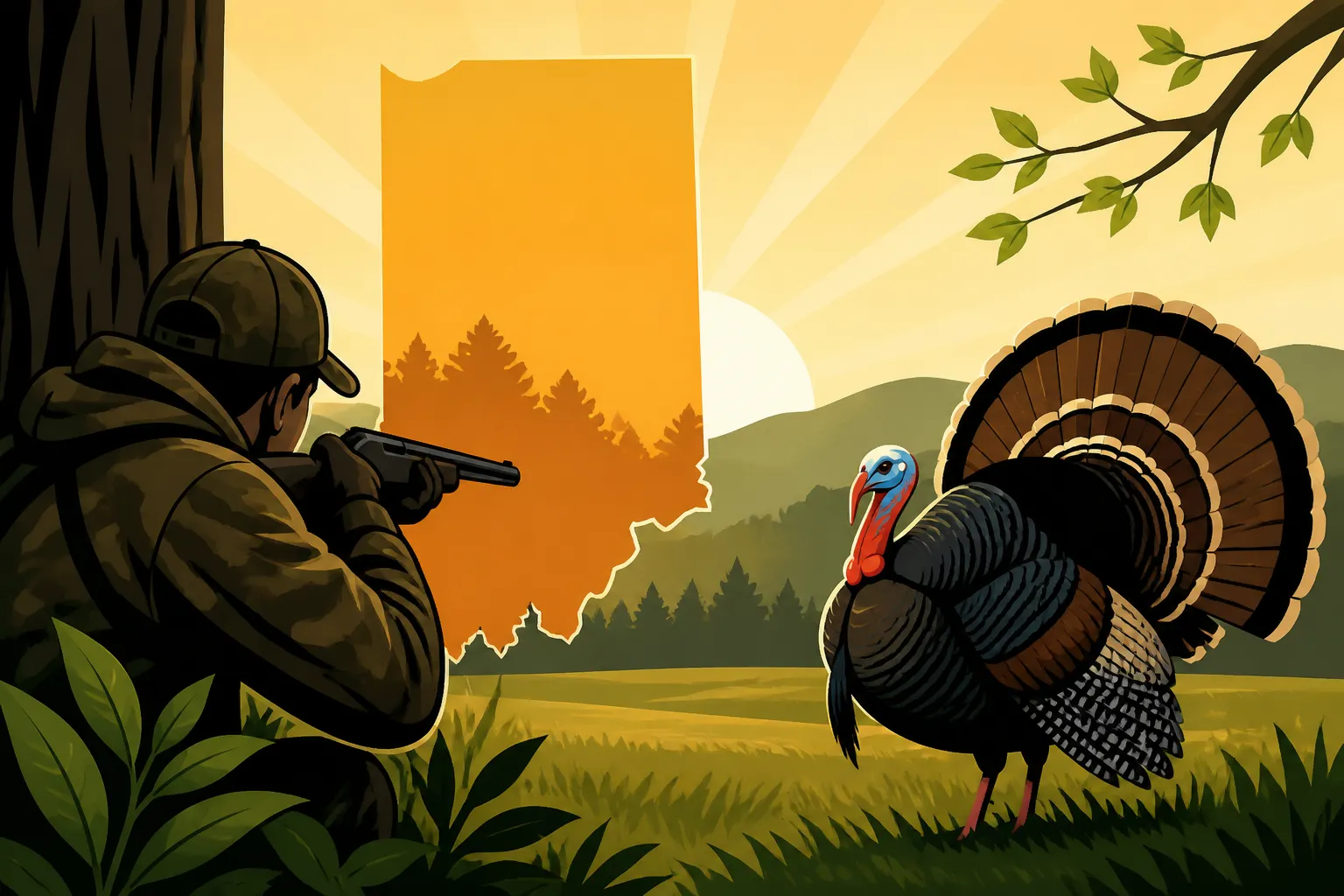
Hunting the Indiana Spring Turkey Opener
That first breath of crisp spring air, filled with the promise of a gobbler's thunderous report, is what many of us live for. Yet, the Indiana spring turkey opener can also bring a mix of excitement and frustration – from silent birds to crowded public land. This guide is here to walk you through everything you need to know to navigate the early season, from pre-hunt prep to those critical first-light strategies.
Understanding the Indiana Spring Turkey Season
Spring turkey hunting in Indiana is a cherished tradition for many, but it's not without its nuances. The anticipation builds for months, and when that opener finally arrives, you want to be as prepared as possible to make the most of it. Knowing the ins and outs of the season structure and regulations is your first step toward a successful hunt.
Key Dates and Regulations
The Indiana spring turkey season typically kicks off in late April, offering a generous window for hunters to pursue gobblers. Before you even think about stepping into the woods, it's absolutely crucial to double-check the exact dates for the current year. These can shift slightly, so always consult the Indiana Department of Natural Resources (DNR) official hunting guide. Generally, the statewide season runs for about three weeks, providing ample opportunity. It's important to remember that legal hunting hours usually extend from one-half hour before sunrise until sunset. Don't be caught out there before or after legal shooting time; it's an easy mistake to make when you're caught up in the excitement. Understanding these timings is critical, especially when planning your approach to a roosted bird. For a comprehensive overview, you might want to review the full details on our guide to the Indiana Spring Turkey Season Rules.
Bag Limits and Reporting
Indiana has specific bag limits for spring gobblers, and adhering to them is non-negotiable. Typically, during the spring season, hunters are allowed one bearded gobbler. A "bearded gobbler" means any turkey with a visible beard, which can include hens that sometimes grow beards, though they are much rarer. What's even more critical than the bag limit itself is the reporting requirement. Once you've harvested a turkey, you are legally obligated to report it to the Indiana DNR within 48 hours of the kill. This can usually be done online through the DNR's website or app, or at an authorized check station. Failure to report your harvest is a violation and can result in penalties. These reporting requirements help the DNR manage the turkey population effectively, so it’s not just a formality – it’s a vital part of conservation. Make sure you're familiar with the specifics of the Indiana Spring Turkey Bag Limit Rules.
Public Land Considerations
Hunting public land on the spring opener in Indiana can be a fantastic experience, but it also comes with its own set of challenges. Pressure is often the biggest factor; many hunters have the same idea, especially on easily accessible tracts. You might find yourself sharing the woods with more people than you expect, which means birds can be more wary and responsive to calling. It’s not uncommon to hear multiple hunters calling in different directions, or even have someone set up closer than you’d like. This isn't always a bad thing; sometimes the extra pressure moves birds around, but it primarily means you need to be extra cautious, aware of your surroundings, and perhaps even willing to walk a little further to find undisturbed ground. Always remember to check specific regulations for the public land you plan to hunt, as some Fish & Wildlife Areas (FWAs) or State Forests might have unique rules, sign-in procedures, or even limited access.
Scouting for Success Before the Opener
The key to a successful spring turkey opener isn't just about what you do that morning; it's about the homework you put in beforehand. Turkeys are creatures of habit, especially in the early spring, and understanding their patterns before the season even begins can drastically increase your odds. Those who scout rigorously often find themselves in the right place at the right time when the birds are fired up.
Locating Roost Sites
Finding where turkeys roost is arguably the most critical piece of pre-season scouting. Gobblers often return to the same general roosting areas night after night, especially if they feel safe and have good visibility. The evening before the opener, or even several evenings leading up to it, you want to be out listening for those tell-tale fly-up cackles and gobbling just before dark. Once you've located a general area, try to pinpoint the specific trees they're using. Look for large, mature trees, especially hardwoods, that offer clear limbs for roosting and an unobstructed view. Identifying these exact trees will allow you to plan a stealthy, dark-thirty approach on opening morning, so you can set up well within earshot, but out of sight. A tool like GoHunt can be invaluable here, helping you identify topographical features like ridges and water sources that often dictate roosting preferences, even before you step foot in the woods. Learning the specifics of how to find and approach these spots will make or break your first morning hunt, making our guide on Roost Hunting Indiana Gobblers a vital read.
Identifying Travel Corridors and Strut Zones
Once turkeys fly down from their roost, they typically have a routine. They'll often hit a specific area to feed, strut, and gather hens. Your job during scouting is to figure out these travel corridors and preferred strut zones. Look for signs on the ground: tracks, droppings (gobbler droppings are typically J-shaped, hen droppings are spiral), and wingtip drag marks in dusty areas where a tom has been strutting. Open fields, logging roads, ridge tops, and even field edges adjacent to timber are common strutting areas. Identify bottlenecks or funnels that turkeys use to move between feeding, roosting, and strutting locations. A narrow strip of woods between two fields, a creek bottom, or a saddle on a ridge could all be prime travel corridors. Knowing these key locations means you can set up ambushes or intercept a gobbler on his way to his morning routine. For those using apps like GoHunt, marking these observations on a digital map is a great way to build a comprehensive picture of turkey movement.
Using Technology for Pre-Season Intel
In today's hunting world, technology can be a massive advantage for pre-season scouting. Aerial imagery, topographical maps, and public/private land overlays found on platforms like GoHunt can save you countless miles of walking. Before you ever hit the timber, you can identify potential roosting ridges, open fields that might serve as strut zones, water sources, and even hidden food plots or clearings. Use satellite views to find access points, understand how different woodlots connect, and locate potential travel routes. Digital mapping tools allow you to drop pins, draw boundaries, and measure distances, giving you a detailed plan of attack for opening morning. This kind of virtual scouting, combined with on-the-ground confirmation, is incredibly efficient. It helps you focus your efforts where turkeys are most likely to be, especially when you're Scouting Indiana Public Land Before Season, which can be vast and intimidating.
Opener Morning Tactics for Gobblers
The morning of the spring turkey opener is filled with adrenaline. The crisp air, the distant gobble, the promise of a longbeard — it’s an experience like no other. How you approach those critical first hours after fly-down can determine whether you go home with a bird or just a good story.
Setting Up Before Fly-Down
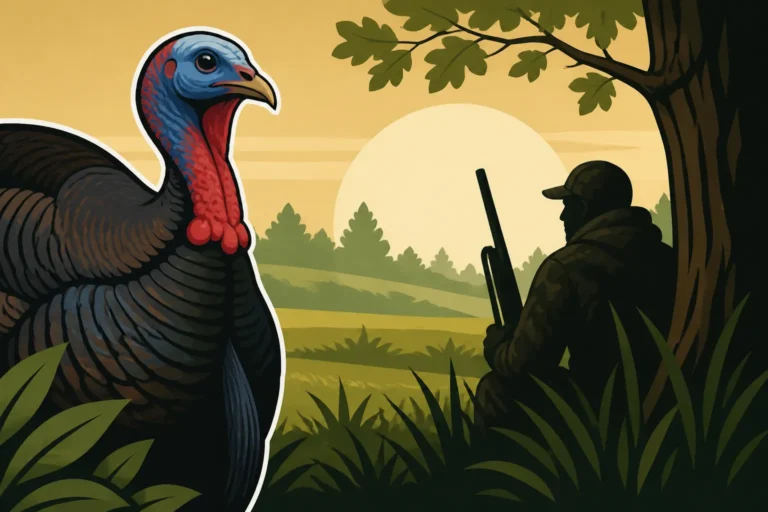
This is where all your pre-season scouting pays off. You want to be at your chosen setup location long before turkeys fly down from their roost. Arrive in the dark, using a headlamp on a red-light setting to preserve your night vision and minimize disturbance. Approach your anticipated setup quietly and cautiously. The goal is to get within 100-150 yards of a roosted gobbler, ideally in a spot that offers good visibility, a clear shooting lane, and a natural backdrop for concealment. Think about the terrain: where will the gobbler want to fly down? Will he land in a field, on a logging road, or simply drop to the timber floor? Position yourself to intercept him on his likely path or to call him into an open area. A good spot often means setting up against a wide tree that breaks up your silhouette, offering maximum concealment as the light slowly creeps into the woods. Our article on Setting Up Against a Big Oak provides excellent tips for this. Once you're settled, stay absolutely still and wait for the show to begin.
The Art of the Soft Tree Yelps
Once the woods start to wake up and you hear those first tentative gobbles from the roost, resist the urge to hammer him with loud, aggressive calls. More often than not, a softer approach is more effective in the pre-dawn darkness. Start with very soft tree yelps and clucks, mimicking a hen just waking up on the roost. This subtle invitation is often all it takes to pique a gobbler's interest. It tells him there's a hen nearby, and sometimes, that's enough to get him to gobble more frequently or even adjust his fly-down plans. Listen intently to his responses; if he's gobbling harder and more frequently after your soft calls, you know you've got his attention. Gauge his interest and increase your call volume only if he seems to be losing interest or moving away. The goal is to sound natural, not desperate.
Calling Aggressively vs. Playing Hard to Get
Once turkeys are on the ground, the calling game often changes. Some days, a gobbler will respond to aggressive calling – loud yelps, cutts, and cackles, especially if he's with hens or has several competing toms in the area. Other days, he'll hang up just out of range, gobbling his head off but refusing to commit. Knowing when to be aggressive and when to play hard to get is a skill developed over seasons. If a gobbler is coming in hot and steady, keep your calling minimal and enticing. Don't overcall. If he hangs up, try backing off completely for a few minutes. Sometimes silence is the best call. Let his curiosity get the better of him. Alternatively, if you know he's alone and looking for company, an aggressive series of cutts can sometimes pull him closer, especially if he thinks a "new hen" is in the area. This push-and-pull with calling is what makes turkey hunting so captivating. For more detailed strategies on this, check out our guide on Calling an Indiana Gobbler Off the Roost.
Mid-Morning and Later Day Strategies
The initial burst of activity at fly-down often fades by mid-morning. Hens are typically with gobblers, and the woods can fall silent. This is where many hunters pack up, but the seasoned turkey hunter knows that the mid-day hours can be incredibly productive if you adapt your approach. Don't let the quiet fool you; turkeys are still out there, often just changing their routine.
Run-and-Gun Tactics
When the roost hunt fizzles or gobblers go silent after fly-down, it's time to get aggressive and cover ground. This is classic "run-and-gun" turkey hunting. Instead of staying put, you actively move through likely turkey habitat, stopping every 100-200 yards to call. Use loud, searching calls – aggressive yelps, cutts, and cackles – to try and provoke a shock gobble from a tom you haven't located yet. Listen intently after each calling sequence; a distant gobble might be your only clue. This strategy is particularly effective on large tracts of public land, like those found in the Hoosier National Forest, where turkeys are spread out and less prone to intense pressure. When you do get a response, quickly try to pinpoint his location, move swiftly but quietly to set up, and then switch to more subtle, enticing calls. The key is efficiency and covering ground with purpose. Our piece on Run-and-Gun Turkey Tactics on Public Land offers a deeper dive into this dynamic approach.
Sitting and Waiting in High-Traffic Areas
While run-and-gun is great for finding birds, sometimes the best strategy in the mid-day is to be patient in a high-traffic area. After hens go to nests or wander off, gobblers often become lonely and will actively seek out company. Key areas for this include field edges, logging roads, creek bottoms, or saddles on ridges – places where turkeys naturally travel or gather. Find a spot with good visibility and concealment, perhaps near fresh turkey sign, and settle in for a long sit. Minimal, intermittent calling – a soft yelp or cluck every 15-20 minutes – can be incredibly effective. Many a mid-day gobbler has been harvested by a patient hunter who simply put themselves in a good location and let the woods come alive around them. This tactic is particularly good if you've done your pre-season scouting and identified these specific travel routes or dusting bowls.
Decoy Placement for Pressured Birds
Decoys can be a game-changer on the opener, especially for drawing in gobblers that are hanging up or are pressured. However, placement is everything. For pressured Indiana birds, often less is more. A single hen decoy or a jake/hen combination is usually sufficient. Place your decoy(s) in an open area where they are highly visible from a distance, but also where you have clear shooting lanes. If you’re using a jake decoy, position it so the gobbler approaches it head-on, giving you a broadside shot as he tries to confront the "intruder." Always place your decoys between yourself and the direction you expect the turkey to come from, ensuring the bird focuses on the decoy and not on your position. Keep the decoys relatively close to your setup, typically 10-20 yards, to keep the gobbler within easy shotgun range. For a more detailed look, consider reading our article on Decoy Placement for Pressured Indiana Birds.
Common Challenges and How to Overcome Them
Hunting the spring turkey opener isn't always a walk in the park. Turkeys are wild animals, and they don't always read the script. From stubborn gobblers to competing hunters and unpredictable weather, there are many challenges that can test a hunter's resolve. Knowing how to adapt to these situations is what separates a good hunter from a great one.
Dealing with Gobblers That Hang Up
This is perhaps the most common frustration in turkey hunting: a gobbler that comes in, bobs his head, struts, and gobbles, but just won't close that last 50-100 yards. There are several reasons for this, often related to natural obstacles, an uncomfortable feeling about the setup, or simply waiting for the "hen" to come to him. When this happens, patience is crucial. First, stop calling. Let him wonder where you went. If he starts to drift away, try a very soft cluck or a series of aggressive cutts, as if you're annoyed and moving away. If that doesn't work, one effective trick is to quickly and quietly relocate. Move 50-100 yards in a direction that might put you out of his sight but still in his general travel path, and then call again. Sometimes, this change of scenery is all it takes to convince him to commit. Another tactic is to crawl back, simulating a hen moving away, and force him to follow.
Navigating Hunting Pressure
Opening day on many public lands means competition. You might hear other hunters, or worse, have someone walk through your setup. The best way to deal with hunting pressure is to anticipate it. Use mapping tools like GoHunt to find areas less accessible or further off the beaten path. Sometimes, walking an extra half-mile can get you away from the crowds. If you encounter other hunters, always be courteous and communicate clearly. If a bird is being called by multiple hunters, it might be best to disengage and find another area. On highly pressured ground, turkeys quickly become wary of aggressive calling. Try very soft, intermittent calls, or even just set up quietly and wait. Sometimes, a pressured gobbler will shut down to loud calling but might still respond to a realistic, subtle hen. Remember, safety is paramount, and positive identification of your target and surroundings is critical.
Weather-Related Obstacles
Indiana weather in late April can be incredibly unpredictable. One day it's warm and sunny, the next it's cold, rainy, or even snowy. Each weather condition presents its own challenges.
- Rain: Turkeys often gobble less in the rain, and their hearing is impacted, making it harder to locate them. They might seek shelter in dense cover. Focus your efforts on clearings and field edges after a rain, as they'll often come out to dry off. Waterproof gear is essential.
- Wind: High winds can make hearing gobbles almost impossible and also make it harder for turkeys to hear your calls. Strong winds also make branches sway, masking your movements. On windy days, focus on protected creek bottoms, leeward sides of ridges, or hollows where the wind is less intense. Be very deliberate with your movements and calls.
- Cold Fronts: A sudden cold snap can make turkeys less active and less vocal. They might spend more time feeding. On these days, focus on food sources and be extra patient. A few soft clucks and purrs might be more effective than aggressive yelps. Always dress in layers appropriate for the conditions, ensuring you stay warm and dry for extended periods.
Essential Gear for the Indiana Spring Turkey Hunter
Having the right gear won't guarantee a turkey, but it will certainly improve your comfort, effectiveness, and overall hunting experience. For the Indiana spring turkey opener, you need to be prepared for both the hunt itself and whatever Mother Nature decides to throw at you.
Firearms and Ammunition
For spring turkey hunting in Indiana, shotguns are the primary weapon of choice. While some states allow rifles, Indiana typically restricts spring turkey to shotguns, muzzleloading shotguns, or archery equipment. The most common gauges are 12 and 20 gauge. The key is to have a shotgun that patterns well with your chosen turkey load and choke. A tight choke (like a full or extra-full) is critical for dense patterns at turkey ranges. As for ammunition, modern tungsten-based loads, like those from Federal Premium or Winchester, have revolutionized turkey hunting, offering incredible pattern density and extended range compared to traditional lead shot. However, these specialized loads can be expensive, so practice with what you intend to hunt with. Always pattern your shotgun with your chosen choke and ammunition at various distances (20, 30, 40 yards) to understand its effective range. This knowledge is crucial for ethical shot placement. If you're looking for guidance, our guide to Turkey Shotguns and Chokes offers a deep dive.
Calls and Decoys
A good set of calls is indispensable. Most experienced turkey hunters carry a variety to mimic different sounds and adapt to various situations.
- Mouth Calls (Diaphragm Calls): These are perhaps the most versatile, allowing for hands-free calling. With practice, you can produce a wide range of yelps, clucks, purrs, and cutts.
- Slate/Pot Calls: These produce a rich, realistic sound and are great for softer, more seductive yelps and purrs. They require two hands but are relatively easy to master.
- Box Calls: Known for their loud, far-reaching yelps and cutts, box calls are excellent for locating distant gobblers or getting an aggressive response.
- Locator Calls: Owl hoots, crow calls, and coyote howlers don't mimic turkeys, but they often provoke a shock gobble from a tom, revealing his location without alerting him to your presence.
As for decoys, as discussed earlier, less is often more. A single hen or jake/hen combination can be very effective. Look for realistic, lightweight decoys that are easy to carry and quick to deploy. Ensure they have good feather detail and natural postures to fool wary gobblers. For a full breakdown of options, check out our piece on Turkey Calls Worth Carrying in Indiana.
Clothing and Camouflage
Staying concealed is paramount in turkey hunting, as their eyesight is incredibly sharp. Full camouflage from head to toe is essential. This includes a camo face mask or face paint, gloves, and a hat. Choose patterns that match the natural surroundings of Indiana's spring woods – typically earthy tones, greens, and browns that mimic leafless timber or early spring foliage. Layering your clothing is also critical for comfort, given Indiana's volatile spring weather. You might start the morning in freezing temperatures and end up stripping layers by noon. A good base layer, an insulating mid-layer, and a waterproof/windproof outer shell will keep you comfortable in various conditions. Don't forget sturdy, waterproof boots suitable for hiking through damp woods and potentially muddy creek bottoms.
Navigating Public Land Challenges During the Opener
Indiana offers a good amount of public hunting land, from Fish and Wildlife Areas (FWAs) to State Forests and parts of the Hoosier National Forest. However, public land on the spring turkey opener can present unique challenges beyond just pressured birds.
Understanding Public Access and Rules
Each public land property in Indiana can have slightly different rules and access protocols. For instance, some FWAs might require you to sign in at a check station or kiosk before hunting, while others use a draw system for certain days or areas. The Hoosier National Forest generally has more open access, but it's still crucial to know where property lines are and respect any designated non-hunting areas. Using digital mapping apps, especially those that integrate with Indiana DNR data, is highly recommended. Tools like GoHunt or the official DNR hunting guide app can show you property boundaries, specific unit rules, and even areas with special restrictions. Always be aware of vehicle access rules; many public land roads are closed to vehicles during certain times of the year, requiring you to walk in. Familiarize yourself with Indiana Public Land Hunting Hours to ensure you're always legal.
Finding Undisturbed Areas
On the opener, the easiest-to-access areas often receive the most hunting pressure. To find undisturbed turkeys, you often need to put in the effort to go where others won't. This might mean walking a mile or more from the nearest parking area, crossing a creek, or navigating dense thorny thickets. Look for topographical features that create natural barriers to human access, such as steep ravines, swampy areas, or wide rivers. Remote corners of large State Forests or sections of the Hoosier National Forest that require a significant hike can often hold less-pressured birds. Don't be afraid to use your scouting tools to identify these areas and then hit the ground before the season to confirm turkey activity. Remember, the further you get from the truck, the higher your chances of finding a gobbler that hasn't heard every call in the book.
Respecting Fellow Hunters and Safety
Given the potential for high hunter density on public land, respecting other hunters is paramount. Always assume there are other hunters in the woods, even if you don't see or hear them. Avoid setting up too close to another hunter you've heard calling. If you bump into another hunter, a friendly wave or brief, polite conversation can go a long way. More importantly, prioritize safety. Never shoot at sound or movement. Always clearly identify your target and know what's beyond it. Wearing blaze orange while walking to and from your setup is a good safety practice, though it's not required for turkey hunting once you're set up. Even if not legally required, a blaze orange vest worn over your pack during your walk-in and walk-out can make you visible to other hunters without alerting turkeys.
| Challenge | Common Cause | Solution Strategy |
|---|---|---|
| Gobbler Hangs Up | Hens with him, terrain barrier, feels uneasy | Go silent, relocate, try subtle calls, or aggressive cutts to sound like a "new hen." |
| Hunting Pressure | Easy access, popular spots, many hunters | Hike further, scout remote areas, use subtle calling, avoid direct competition. |
| Silent Birds | Weather (rain/wind/cold), pressured, post-breeding | Adapt to run-and-gun, sit high-traffic areas, use locator calls, be patient. |
| Unpredictable Weather | Rain, wind, sudden cold fronts | Dress in layers (waterproof/windproof), seek sheltered spots, adjust calling volume. |
| Turkeys with Hens | Gobbler won't leave his harem | Try to intercept them, aggressive calling to challenge hens, patience for hens to leave. |
| Poor Shot Opportunity | Dense cover, turkey out of range, bad angle | Be patient, wait for a clear shot, let the bird move, avoid taking risky shots. |
Disclaimer
Hunting is an activity with inherent risks. This guide provides information for educational purposes only. Always consult the official Indiana Department of Natural Resources (DNR) regulations and guidelines for the most current and accurate hunting laws, seasons, and requirements. Hunter safety is paramount; always know your target, what is beyond it, and follow all firearm and archery safety rules. Stay safe and hunt ethically.