Filling an Antlerless Tag in a Reduction Zone
Trying to fill an antlerless tag in an Indiana deer reduction zone can feel like a totally different ballgame compared to hunting in big timber or expansive farmlands. These zones often present unique challenges, from understanding the specific rules to navigating fragmented landscapes and the close proximity of non-hunters. This guide aims to demystify reduction zones, offering practical strategies and insights to help you successfully harvest antlerless deer and contribute to healthy herd management in these often-overlooked areas.
Understanding Indiana Deer Reduction Zones
Deer reduction zones are a crucial part of Indiana’s deer management strategy, yet they’re often misunderstood by hunters. It's not just about taking any deer; it’s about targeted management in specific areas.
What is a Reduction Zone and Why Do They Exist?
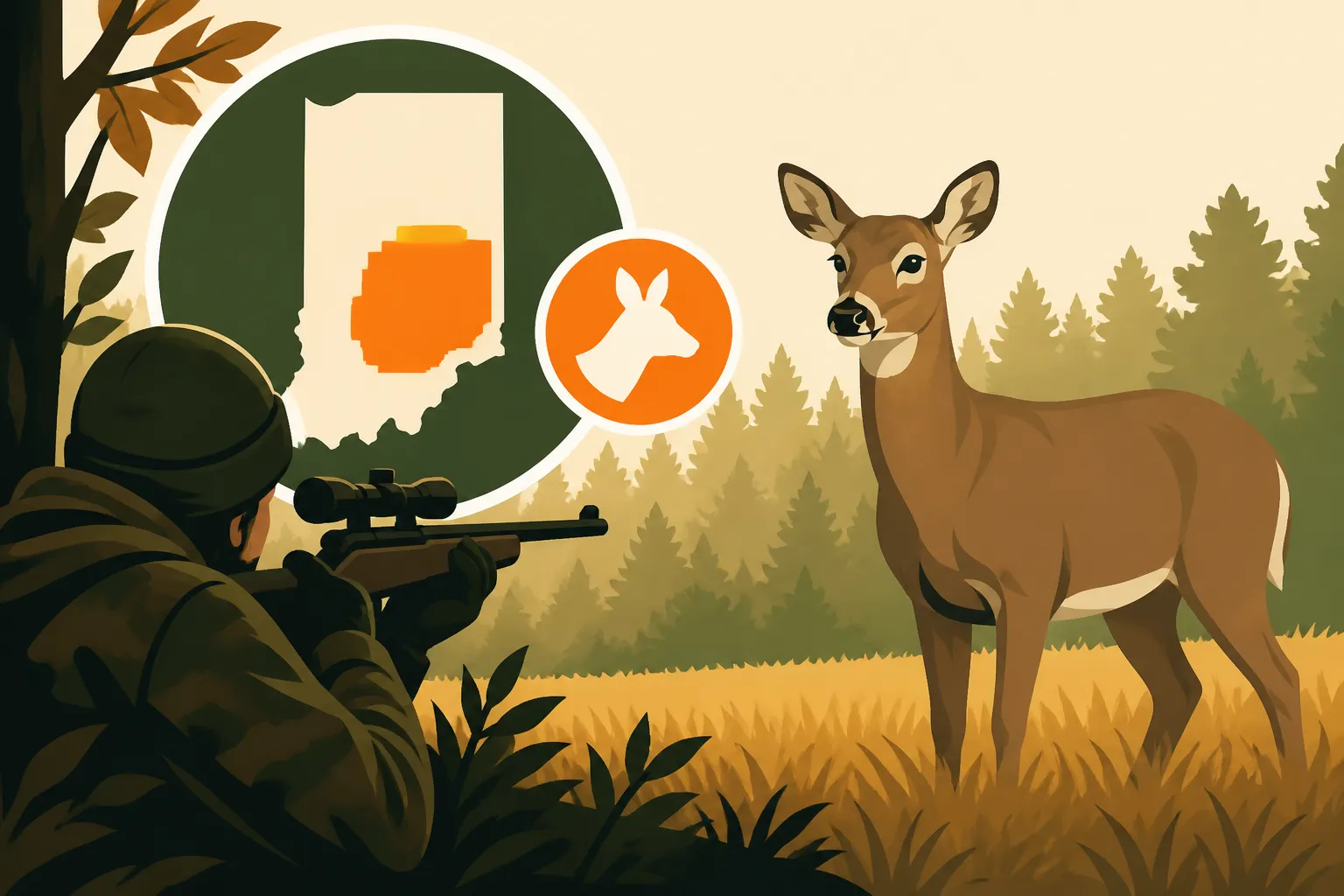
At its heart, a deer reduction zone is a designated area where the Indiana Department of Natural Resources (DNR) wants to see a reduction in the local deer population. This isn't just a random decision; it's typically driven by a few key factors. Often, these are areas experiencing high levels of deer-vehicle collisions, significant agricultural crop damage, or concerns about habitat degradation due to overbrowsing. In some cases, localized disease concerns, though less common as a primary driver for reduction zones specifically, can also play a role in increasing harvest opportunities. Think about the suburban fringes of Indianapolis, the small woodlots nestled between farms in intensely cultivated areas, or even some larger state properties near population centers that see heavy deer traffic. These are places where deer numbers can easily get out of balance with the available habitat or human tolerance.
The goal isn't to eradicate deer but to bring their numbers down to a more sustainable and manageable level. This benefits everyone: farmers see less crop damage, drivers experience fewer accidents, and the deer herd itself can be healthier, with better forage availability. For hunters, these zones represent an often-underutilized opportunity to gain additional hunting days and tags, directly contributing to wildlife management efforts. You'll find these zones listed on the Indiana DNR website, and it's always the first place to check to confirm if an area you're considering is indeed a reduction zone.
Finding and Confirming Reduction Zone Boundaries
One of the biggest hurdles for hunters is knowing precisely where these zones begin and end. Indiana's deer reduction zones aren't always neatly aligned with county lines, which can make things a bit tricky. They might follow specific township boundaries, road systems, or even encompass entire counties depending on the management needs.
The absolute best resource for pinpointing these areas is the official Indiana DNR website. They provide maps and lists of all active reduction zones, usually updated annually before the deer season begins. Don't rely on outdated information or word-of-mouth; always double-check the current regulations.
Another incredibly helpful tool, especially when you're actually in the field, is a mapping application like GoHunt. These apps often have layers that show public and private land boundaries, as well as specific hunting zones. You can use GoHunt on your phone to verify if you're standing within a designated reduction zone, which is critical for legal compliance and making sure you're taking advantage of the special rules. Imagine you're scouting a small woodlot near a town – a quick check of your app can confirm if it falls within the reduction zone, opening up opportunities you might have otherwise missed. Knowing these boundaries precisely allows you to target your scouting and hunting efforts effectively.
Special Regulations and Tagging Requirements
This is where reduction zones really shine for hunters looking to fill their freezer. The regulations for reduction zones are designed to incentivize a higher harvest of antlerless deer. Typically, in a reduction zone, you can purchase and use special antlerless tags that do not count against your statewide antlerless bag limit or your archery, firearms, or muzzleloader tags. This means you can often take several additional antlerless deer, significantly increasing your harvest opportunities.
The season dates for reduction zones are also frequently extended, often starting earlier and running later than general seasons. For instance, in some reduction zones, the archery season might open a couple of weeks earlier or extend into January, providing crucial extra time afield. This extended season, combined with the additional tags, makes reduction zones a prime target for hunters.
When you successfully harvest a deer in a reduction zone, the reporting process is similar to any other deer. You’ll still need to register it through the Indiana DNR’s online system or via their mobile app, but it's crucial to select the correct tag type (the reduction zone antlerless tag) and indicate that it was harvested within a reduction zone. This data helps the DNR track harvest numbers and evaluate the effectiveness of the reduction zone program. It's a small but vital part of your contribution to wildlife management. Always carry proof of your license and tags, whether it's a physical copy or stored on your phone via the Go Outdoors Indiana app.
Strategic Scouting for Antlerless Deer
Scouting in a reduction zone requires a slightly different approach than typical deer hunting. You're often dealing with smaller, fragmented tracts of land, closer proximity to human activity, and deer that might be highly patterned to certain human routines.
Identifying Key Habitat and Movement Patterns
In reduction zones, deer behavior can be surprisingly adaptive. They often become more nocturnal, moving primarily at dawn, dusk, and throughout the night, especially in areas with significant human disturbance during the day. However, they're still deer, and they need food, water, and cover. Your scouting should focus on identifying these essentials within the unique landscape of a reduction zone.
Food sources can be diverse. Beyond typical agricultural crops like corn and soybeans, look for backyard gardens, fruit trees, ornamental shrubs, and even landscaping plants in suburban areas. Deer will browse heavily on these, and they can be incredibly consistent food sources. Water might come from small creeks, ditches, or even retention ponds.
Cover in reduction zones is often less expansive but just as critical. Think thick fencerows, overgrown creek bottoms, small woodlots, cedar thickets, or even dense brush piles along property lines. Deer will use these pockets of cover for bedding during the day, emerging only when they feel safe. Look for subtle sign like tracks, droppings, and fresh rubs (even if you’re after antlerless deer, buck sign indicates general deer presence). Overbrowsed vegetation can also be a strong indicator of a heavily used area. This kind of nuanced observation is key to Scouting Indiana Public Land Before Season and finding those hidden pockets.
Utilizing Technology and Local Knowledge
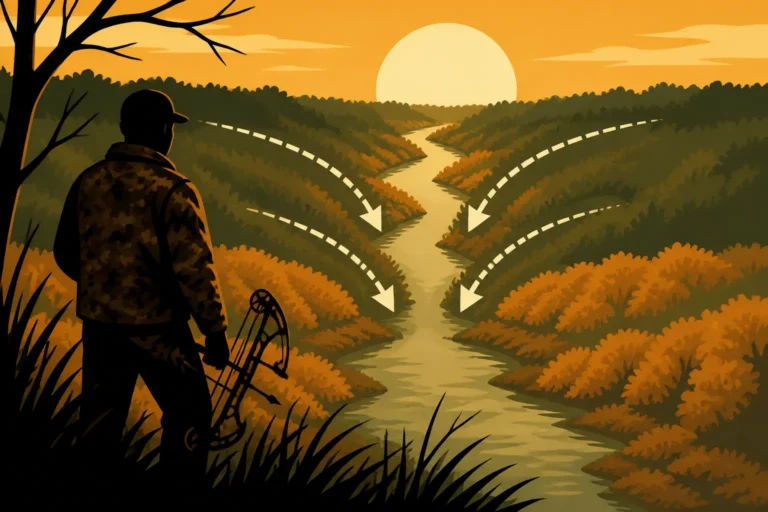
Technology is your best friend when hunting fragmented reduction zones. Mapping apps like GoHunt are invaluable for identifying property boundaries, understanding access points, and finding those small, overlooked pieces of cover that might hold deer. You can use the satellite imagery to spot thickets, overgrown drainages, or pinch points between developed areas that deer are likely using as travel corridors.
Beyond technology, local knowledge is golden. If you're hunting private land, talk to the landowner. They often know exactly where deer are bedding, where they're feeding, and their typical travel routes. If you're hunting public land that's part of a reduction zone, observe the area. Where are people walking dogs? Where are kids playing? Deer will adapt their movements around predictable human activity, often using those brief lulls to move. You might find that deer move across a busy park trail only during specific, quiet hours. This requires careful observation and a willingness to adapt your hunting times. Remember, even in the most urbanized reduction zones, deer have an uncanny ability to find sanctuary.
Pre-Season Observation and Trail Camera Placement
Pre-season scouting in reduction zones should be as low-impact as possible. Deer in these areas are often accustomed to human presence, but they are incredibly wary of anything that signals a direct threat. Instead of walking through bedding areas, use binoculars from a distance to observe fields or woodlot edges during early morning or late evening.
Trail cameras can be incredibly effective for patterning deer movement without disturbing them. Place cameras on established trails between feeding and bedding areas, near pinch points, or where you've seen fresh sign. Be discreet with your camera placement to avoid drawing attention from other people. Pay close attention to the time stamps on your photos and videos. You'll likely notice specific windows when deer are moving. This data will help you determine the best times to hunt and the most effective entry and exit routes to avoid spooking deer. For example, if you see deer consistently hitting a late-season food source around 4:30 PM, you know exactly when to be in your stand. You can also use trail cameras to confirm deer presence in areas you might be considering for Hunting a Funnel Between Two Woodlots.
Effective Hunting Tactics in Reduction Zones
Successfully filling an antlerless tag in a reduction zone often comes down to adapting traditional hunting methods to these unique, often constrained, environments. Stealth, patience, and a deep understanding of deer behavior in human-dominated landscapes are your greatest assets.
Still-Hunting and Ground Blind Strategies
In many reduction zones, the fragmented nature of the habitat and the close proximity to human activity make still-hunting a highly effective tactic. Still-hunting involves moving slowly and deliberately through the woods, taking a few steps, then pausing for several minutes to scan for deer. This method allows you to cover ground, find fresh sign, and potentially spot deer before they spot you. Focus on moving into the wind and paying extreme attention to cover, both for yourself and for the deer. Look for deer bedding in unexpected places – a thick patch of briars along a creek, a small depression in a field edge, or even in dense ornamental bushes in a forgotten corner of a property.
Ground blinds can also be incredibly useful, especially on smaller tracts or near property lines where treestand placement might be difficult or expose you too much. A well-brushed-in ground blind offers excellent concealment and helps contain your scent. They're perfect for setting up on a field edge, at a pinch point, or overlooking a small food plot or natural browse area. Just make sure to set them up well in advance to allow deer to get used to their presence. Learn more about Using a Ground Blind on Indiana Public Land for tips on effective setup.
Treestand Placement for Success
Even in reduction zones, treestands can be highly effective, but placement is everything. Since many of these areas are smaller, your entry and exit routes become paramount. You need to be able to get into and out of your stand without alerting deer. Look for natural funnels, saddlebacks, or creek crossings that deer are using to move between bedding and feeding areas. Often, these will be less obvious than in vast timber, perhaps just a narrow strip of woods between two subdivisions or a thick fencerow connecting two small woodlots.
Consider using portable treestands or saddle hunting setups that allow for maximum mobility and minimal disturbance. This is especially true if you’re hunting public land within a reduction zone, where permanent stands are often prohibited. A mobile setup allows you to quickly adjust to deer patterns and reduce your impact on the land. Setting up on the downwind side of a known travel corridor, particularly where it bottlenecks, can be deadly. Remember, deer in reduction zones are used to people, but they are acutely sensitive to the scent and movement of a hunter. Good Treestand Setups in Hoosier National Forest principles can be adapted to these smaller, more pressured environments by focusing on stealth and wind direction.
Deer Drives and Group Hunts
In some reduction zones, especially on larger private tracts or designated public land areas, small deer drives can be an incredibly effective way to fill antlerless tags. This usually requires a few hunters – one or two slow, quiet drivers and one or two standers positioned at likely escape routes. Communication and safety are absolutely critical. Drives are most successful in small woodlots, brushy creek bottoms, or dense areas where deer might otherwise hunker down.
The key is to keep the drive slow and controlled, allowing deer to move naturally rather than blowing out of the area at full speed. Standers should be positioned where they have clear, safe lanes of fire, well aware of their surroundings and any potential non-hunters in the area. This tactic is particularly good for moving deer that have become primarily nocturnal. While often associated with general season, these tactics can be adapted from concepts like Deer Drives With Three or Four Hunters and apply to the fragmented reduction zone landscapes.
Choosing the Right Equipment for Reduction Zones
Given the nature of reduction zones – often close to residential areas and potentially with more limited sightlines – your equipment choices can make a difference.
- Firearms: If legal for deer hunting in the specific reduction zone, a modern rifle chambered in a cartridge like the .350 Legend or .450 Bushmaster offers excellent knockdown power and accuracy at typical reduction zone ranges (often 100 yards or less). These straight-wall cartridges are often preferred for their reduced over-penetration risk compared to high-velocity bottleneck cartridges, which is a consideration in more populated areas. However, with Indiana's new statewide rifle rules, many other calibers are now legal. Always check local ordinances, as some suburban areas might have archery-only rules even if the statewide law is more permissive.
- Archery Equipment: Bows and crossbows are fantastic choices for reduction zones, as they are inherently quieter and have a shorter effective range, which can be advantageous in tighter quarters. A good rangefinder is essential, as shots can be quick and close. Ensure your broadheads are sharp and your bow is precisely tuned for ethical, clean harvests. For those using crossbows, understanding the Crossbow Rules During Indiana Archery Season is vital, as they offer another quiet, effective option.
- Optics: Binoculars are crucial for quietly picking apart cover and identifying deer movement. An 8x or 10x magnification is usually perfect. A rangefinder is non-negotiable for archery hunting and highly recommended for firearm hunting to confirm distances and make ethical shots.
- Clothing: Quiet, layered clothing is paramount for still-hunting or sitting patiently. Wool or silent fleece are excellent choices. Don't forget your blaze orange (or pink) during firearms seasons, even in reduction zones, as per Indiana regulations.
Post-Harvest Considerations for Reduction Zone Deer
Successfully harvesting a deer in a reduction zone is a great accomplishment, but the job isn’t done until the deer is properly handled, reported, and processed. This phase requires extra thought and discretion, especially in areas with non-hunting residents.
Reporting Your Harvest Correctly
Just like any other deer in Indiana, you must report your reduction zone harvest. The Indiana DNR makes this easy through their website or the Go Outdoors Indiana mobile app. When reporting, it's absolutely critical to select the correct tag type – your reduction zone antlerless tag. This ensures the data accurately reflects the success of the reduction zone program and helps the DNR manage deer populations effectively. The app is usually the most convenient method, allowing you to report your deer right from the field. Remember, accurate reporting contributes directly to sound wildlife management, so take a moment to ensure all details are correct. The Indiana Deer Reporting Deadline is usually within 48 hours, so don't delay.
Carcass Handling and Processing in Urban/Suburban Areas
This is where discretion truly comes into play. Dragging a whole deer through a suburban neighborhood might not be the best idea for fostering positive public perception of hunting. If you're on private land with permission, ask the landowner if you can discreetly load the deer into your vehicle away from public view. If you're on public land, consider how far you'll need to drag the deer and plan for a quick, efficient retrieval.
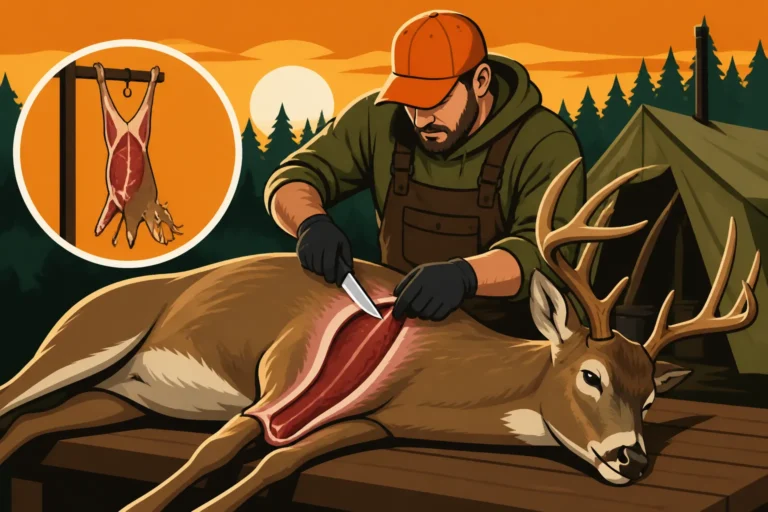
Many hunters in reduction zones opt for the "gutless method" of field dressing, which allows you to quarter the deer in the field and pack out the meat in game bags. This not only makes extraction easier but also greatly reduces the visibility of the carcass. Have large coolers with ice ready in your vehicle to keep the meat cool, especially during warmer early archery days. If possible, transport the deer in a truck bed covered with a tarp or in the trunk of a car.
When it comes to processing, consider a local butcher or process it yourself if you have the facilities. If you utilize a local processor, ensure they are aware of any special CWD sampling requirements if you happen to be in a CWD-positive area, as Indiana CWD Testing for Hunters may be mandatory or highly recommended. Handling venison from any deer you harvest safely and hygienically is always paramount.
Ethical Considerations and Public Perception
Hunting in reduction zones, especially those closer to urban or suburban areas, places a greater responsibility on the hunter to be an ambassador for the sport. Non-hunting residents may not understand or appreciate hunting, and your actions directly influence their perception.
- Be Respectful: Always have clear, written permission if on private land. Respect property lines, even if deer cross them.
- Be Discreet: As mentioned, transport harvested deer discreetly. Avoid displaying blood or guts where children or sensitive individuals might see them.
- Safety First: Always be acutely aware of your surroundings, your backstop, and the presence of any non-hunters or homes. This cannot be stressed enough.
- Follow All Rules: Adhering strictly to DNR regulations and any local ordinances builds trust and demonstrates responsible hunting.
By practicing these ethical considerations, you not only ensure a successful hunt for yourself but also help maintain a positive image for hunting in Indiana, allowing future generations to enjoy the same opportunities. Remember, we are guests in nature, and our conduct reflects on the entire hunting community.
Navigating the Challenges of Reduction Zone Hunting
Hunting in Indiana's deer reduction zones comes with its own set of hurdles, from crowded public access points to managing scent control in less-than-ideal wind conditions. Overcoming these challenges is often the difference between success and frustration.
Dealing with Increased Pressure and Human Activity
Reduction zones, especially those on public land or smaller private parcels, can experience significant hunting pressure. This pressure, combined with general human activity like hikers, dog walkers, and residential noise, means deer are often on high alert.
To combat this, consider hunting during weekdays when pressure is typically lower. Early mornings and late evenings, right at legal shooting light, are almost always the most productive times, as deer feel safer moving under the cloak of darkness or low light. Don't be afraid to venture deeper into overlooked pockets of cover, even if it means a longer walk. Often, the deer will retreat to these less accessible areas to escape disturbance.
Another strategy is to learn how to deal with Hunting Pressure on Indiana Public Land. This could involve observing where other hunters tend to go and then deliberately choosing a different, less obvious route or setting up in a spot that others walk past. Deer often learn to use small escape routes or overlooked patches of cover to avoid hunters. Using a mapping app like GoHunt can help you identify these "hidden" areas that might be adjacent to high-traffic zones.
Scent Control and Wind Management in Varied Terrain
Scent control is always important in deer hunting, but it takes on an amplified role in reduction zones. With fragmented habitats and potential residential areas nearby, wind currents can be unpredictable. Thermals, which rise in the morning and fall in the evening, play a huge role in moving your scent.
Always hunt with the wind in your favor, even if it means changing your stand location or entry route at the last minute. Pay attention to swirling winds in small woodlots or creek bottoms. Using scent-eliminating sprays, washing your hunting clothes in scent-free detergent, and storing them in airtight bags can help, but nothing beats proper wind direction.
Consider setting up on the downwind side of a trail or bedding area, but far enough away that deer don't scent you if the wind shifts slightly. Sometimes, the best strategy is to simply not hunt a spot if the wind isn't right, no matter how good it looks. Blowing your cover once can educate deer for weeks or even an entire season. This is a skill honed over time, much like understanding Wind and Thermals on a Southern Indiana Ridge, but applied to smaller, more complex landscapes.
Adapting to Limited Shot Opportunities and Close Quarters
Shot opportunities in reduction zones can be fleeting and at close range due to thick cover and the fragmented nature of the habitat. You might not have the luxury of long, open shots. This means you need to be prepared for quick reactions and precise shooting.
Practice shooting from various positions, including sitting, kneeling, and standing, and at close ranges. Make sure your firearm or bow is sighted in perfectly. When a deer appears, take your time if you have it, but be ready to make a quick, ethical shot. Don't rush, but don't hesitate either.
Remember the goal is to fill an antlerless tag, so focus on identifying the deer as an antlerless animal before you even consider taking a shot. In thick cover, it can be easy to make a mistake. Be patient, wait for a clear, ethical shot, and be prepared for the deer to potentially jump or run in unpredictable directions due to the proximity of obstacles or human activity.
Planning for Success: Season Dates and Tagging
Understanding the specific timelines and rules for reduction zone hunting is paramount to maximizing your opportunities. These zones offer unique advantages that you won't find in general statewide seasons.
Key Season Dates for Antlerless Hunting
One of the primary benefits of hunting in an Indiana deer reduction zone is the extended season length. While specific dates can vary annually, reduction zones often open for archery hunting earlier than the statewide archery opener and may extend significantly later, sometimes into January. This means you have more time in the woods when deer might be less pressured or focused on specific late-season food sources.
Always consult the current Indiana Hunting & Trapping Guide or the DNR website for the precise dates. These extended seasons provide crucial windows for filling those antlerless tags, especially during periods when deer are less pressured or when cold weather concentrates them around available food. Many hunters specifically target these late-season opportunities in reduction zones. You can often find success Hunting the Late-Season January Lull in these designated areas.
Comparing Tag Options for Reduction Zones
Indiana offers several types of deer tags, and it's essential to understand how reduction zone tags fit into this system.
| Tag Type | Description | Usage Restrictions |
|---|---|---|
| Standard Antlerless Tag | Purchased with your base license or deer bundle. Allows one antlerless deer per specific season (archery, firearms, muzzleloader). | Counts towards your statewide antlerless bag limit (typically 2). Cannot be used in addition to Reduction Zone tags. |
| Reduction Zone Antlerless Tag | Specific tags purchased for designated reduction zones. Allows one antlerless deer per tag. | Does not count against your statewide antlerless bag limit. Can be purchased in addition to standard tags. |
| Bonus Antlerless Tag | Available for purchase in some counties, typically allowing an additional antlerless deer. | Counts towards your statewide antlerless bag limit. Check county availability. |
The key takeaway here is that reduction zone tags are bonus tags. They allow you to harvest additional antlerless deer beyond your regular statewide limit, making them incredibly valuable for population control and for filling your freezer. You typically buy these tags directly from the Indiana DNR website or licensed vendors. Ensure you understand How Reduction Zone Bag Limits Differ from standard statewide limits. Always carry proof of your license and tags when afield.
Finding Late-Season Food Sources
As the season progresses, especially into late fall and winter, deer in reduction zones will become highly focused on reliable food sources. This is a critical time to be in the woods with your reduction zone tags.
Look for standing crops that haven't been harvested, like corn or soybeans, or fields of winter wheat or clover plots if you're on private land where those are planted. In more suburban settings, deer will often hit ornamental plants, fruit trees (even after the fruit has dropped), or anything green that persists through the cold. Acorns, if available, can still be a draw, especially white oak acorns.
Scout these areas thoroughly before hunting. Tracks in snow or mud, fresh droppings, and browse lines will tell you where deer are concentrating their feeding efforts. Setting up a treestand or ground blind downwind of these late-season food sources, especially during the last hour of daylight, can be highly effective. Understanding Late-Season Food Sources for Indiana Whitetails is key to success when the primary rut activity has passed.
Ultimately, hunting Indiana's deer reduction zones provides a unique and rewarding challenge. By understanding the regulations, adapting your scouting and hunting tactics to these distinct environments, and acting as a responsible ambassador for hunting, you can enjoy a successful and fulfilling season while actively contributing to sound wildlife management.
Disclaimer
Hunting is an inherently dangerous activity. This guide provides general information and recommendations. Always consult the official Indiana Department of Natural Resources (DNR) regulations for the most current and accurate rules and laws. Always prioritize safety, understand your weapon, be aware of your surroundings, and hunt ethically and legally. The author and publisher are not responsible for any accidents, injuries, or legal issues that may arise from the use of this information.