Late-Season Food Sources for Indiana Whitetails
As the calendar pages turn past the chaos of firearms season and the peak rut subsides, many Indiana deer hunters find themselves facing a whole new set of challenges. It's that time of year when the woods seem emptier, the leaves are gone, and finding deer feels like searching for a needle in a haystack. The frustrating truth is, those big mature bucks that were so visible during the rut suddenly become ghosts, and understanding their late-season movements often boils down to one critical factor: food. This guide will dive deep into identifying those crucial late-season food sources that can turn your luck around when the mercury drops.
The Late Season Deer's Hunger Games: Why Food is Key
Once December rolls around and the archery season extends into January, the deer herd's priorities shift dramatically. Gone are the days of chasing does; now, it's all about survival. The intense energy expenditure of the rut, combined with plummeting temperatures and dwindling natural forage, means whitetails are constantly searching for calories. Their very existence depends on finding enough high-energy food to maintain body warmth and replenish reserves lost during breeding. This isn't just about finding any food; it's about finding the best and most abundant sources available, often concentrated in specific areas that offer both sustenance and security.
Understanding the Winter Whitetail Metabolism
Imagine trying to stay warm when it's single digits outside, and all your body wants to do is burn calories to keep your core temperature up. That's precisely what a whitetail deer experiences day in and day out during an Indiana winter. Their metabolism slows slightly, and they grow a thick winter coat, but they still need immense amounts of energy. Carbohydrates and fats are paramount. Proteins are still important for overall health, but the immediate need is for readily available energy. This metabolic demand drives them to seek out foods that are easily digestible and provide a significant caloric punch.
What this means for us as hunters is that deer become incredibly predictable around the right food sources. They'll often bed close to these areas, sometimes only moving a short distance to feed. Understanding this drive for caloric intake is the foundation of successful late-season hunting. When you're glassing a field edge or still-hunting through a timber block, always ask yourself: "What food source here offers the most bang for their buck, metabolically speaking?" This perspective can drastically narrow down your search and reveal patterns that were invisible during earlier seasons.
The Pressure Cooker Effect on Food Sources
Another critical factor in late-season food availability is hunting pressure and dwindling supplies. After the flurry of archery, firearms, and muzzleloader seasons, many accessible food sources have been picked clean. Acorn crops, if they were heavy, are likely depleted. Ag fields that were standing tall in September are now mostly harvested, leaving only remnants. This scarcity, coupled with deer becoming warier due to constant human presence, concentrates them even further on the remaining high-value spots.
Public land, especially, can see its accessible food sources hammered. Deer quickly learn to avoid open, exposed areas during daylight hours if they've been pressured. This means that late-season food searches often lead us to look for less obvious, more secluded patches of grub, or large agricultural areas where deer feel safer under the cover of darkness. It's about finding the "hidden gems" or leveraging the sheer scale of untouched private fields. Smart hunters use mapping tools like GoHunt to analyze aerial imagery, looking for those overlooked corners, unharvested strips, or transition zones near thick cover that might hold a late-season buffet.
Agricultural Powerhouses: Standing Crops and Leftovers
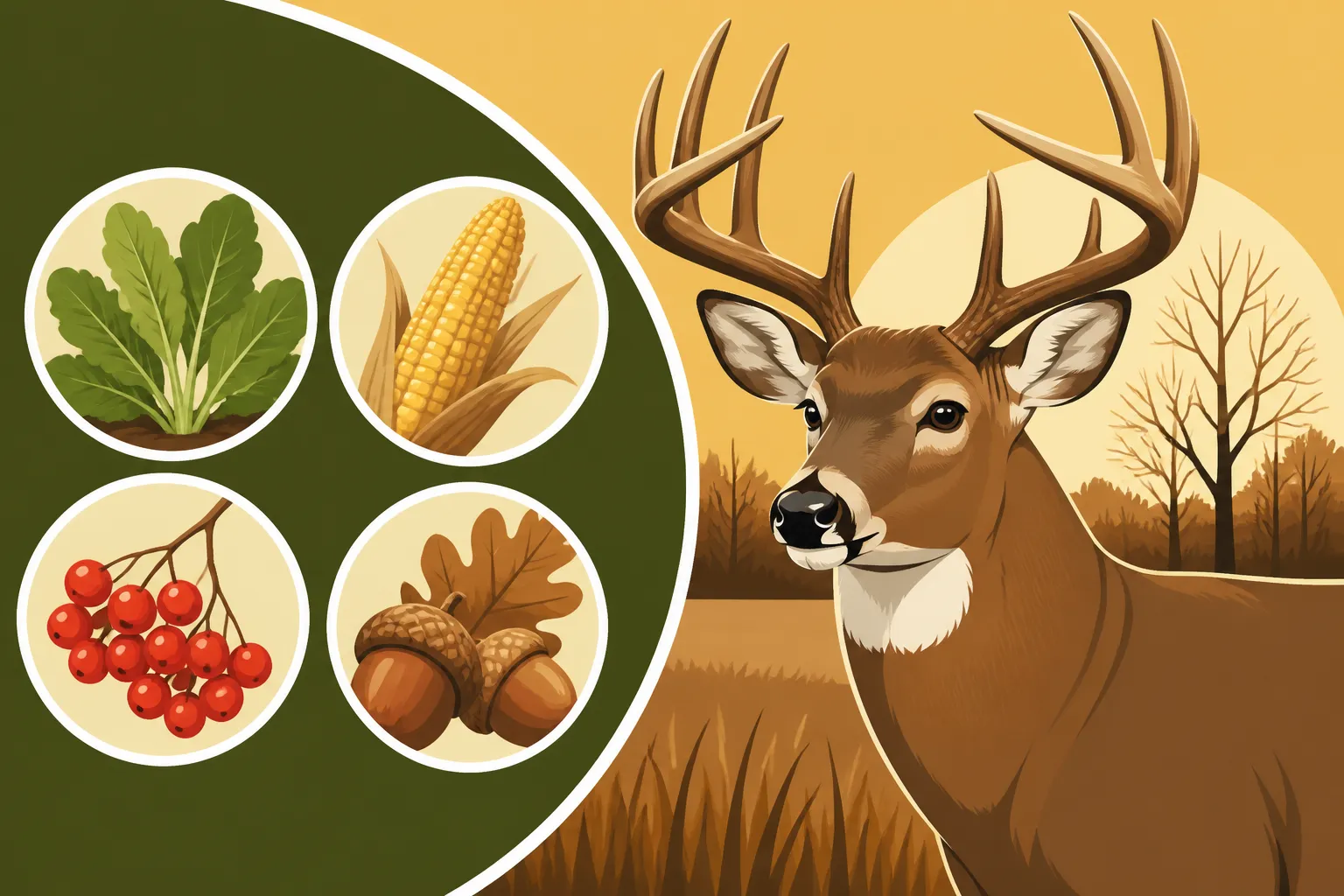
When it comes to high-energy food sources that can sustain an Indiana whitetail through the leanest winter months, agricultural fields often take the top spot. These fields, whether still standing with crops or merely offering gleaned leftovers, provide a concentrated and calorically dense food supply that deer simply can't resist. For many deer, especially those living near farmlands in regions like Northern Indiana Farmland Deer, these fields are the bread and butter of their late-season diet.
Standing Corn and Soybean Fields
A standing cornfield in December or January is arguably the number one magnet for late-season whitetails. The mature corn kernels are packed with carbohydrates, providing a vital energy boost. More than just food, a standing cornfield offers incredible thermal cover and security, allowing deer to bed, feed, and move within its confines without exposure to the elements or predators. It's a deer's perfect late-season sanctuary. Hunters often find that bucks will live in these fields for weeks on end, only venturing out after dark.
Similarly, standing soybean fields, though less common than corn by late season, can be absolute goldmines. While most beans are harvested, a patch left standing due to wet conditions or a farmer's strategy can draw deer from miles around. The high protein and fat content in soybeans are crucial for rebuilding body mass after the rut. If you can locate an unharvested section of corn or soybeans, especially adjacent to thick timber or a bedding area, you've found a late-season hotspot. Focus on the edges of these fields, especially where they meet brushy fence rows or woodlots, as deer will often stage there before entering to feed.
Winter Wheat and Cover Crops
Beyond corn and soybeans, many Indiana farmers plant winter wheat or other cover crops like rye, oats, or clover after their primary harvest. These young, green shoots, while not as calorically dense as mature grain, offer incredibly palatable and digestible forage during a time when green food is scarce. Deer crave green browse, especially if it's been a dry fall or a hard freeze has killed off most other vegetation.
Winter wheat fields, in particular, can be dynamic late-season feeding grounds. Deer will graze these fields for hours, especially in the afternoon as temperatures drop. The young, tender growth is easy to digest, making it a preferred food for deer that need to conserve energy. Look for areas where these cover crops are planted adjacent to thick cover or river bottoms. You might find deer moving into these fields from thermal refuges, especially on overcast days or during a Hunting Deer After a January Cold Front when they need to quickly replenish energy.
Cut Fields and Gleaned Remains
Even after a field has been harvested, it's not entirely devoid of food. Combines, despite their efficiency, inevitably leave behind some grain. In cut cornfields, deer will meticulously glean fallen kernels. In cut soybean fields, they'll pick up stray beans. While not as concentrated as standing crops, these scattered leftovers still represent a significant, easily accessible food source. The amount of residual grain left behind can vary greatly depending on harvest conditions and the combine's settings.
Hunting these cut fields requires a different approach. Since there's no cover, deer are much warier and will primarily feed under the cover of darkness. Your best bet is to find well-used entry and exit trails leading from dense bedding areas to these fields. Setting up a ground blind along a primary travel corridor at last light, or catching deer staging in an adjacent woodlot before they enter the field, can be effective. Using tools like GoHunt to identify specific pinch points or funnels leading to these fields can be incredibly helpful for deciphering deer movement patterns.
Here's a quick comparison of popular late-season agricultural food sources:
| Food Source | Primary Nutrient | Availability (Late Season) | Security Value | Attractiveness to Deer | Scouting Notes |
|---|---|---|---|---|---|
| Standing Corn | Carbs | High (if unharvested) | Very High | Excellent | Look for unharvested strips near timber. |
| Standing Soybeans | Protein, Fat | Moderate (if unharvested) | Very High | Excellent | Less common, but a huge draw if found. |
| Winter Wheat/Rye | Green Forage | High (new growth) | Low (open field) | High | Deer graze in late afternoon. Find trails from cover. |
| Cut Corn/Soybeans | Residual Carbs/Fat | High (leftovers) | Low (open field) | Good | Focus on entry/exit points and adjacent cover. |
| Alfalfa/Clover Plots | Protein | Moderate (if persistent) | Variable | Good | Often in food plots; check for frost resistance. |
Natural Sustenance: Browse, Forbs, and Forgotten Mast
While agricultural fields are often the primary draw, we can't forget the importance of natural food sources, especially for deer that live in timbered areas like the Hoosier National Forest or the deep woods of Southern Indiana Hill Country. These natural offerings, though often less calorically dense than crops, provide essential nutrients and can be consistent attractants, particularly when farm fields are locked down or inaccessible.
Persistent Hard Mast and Soft Mast Remnants
By late season, most acorns, if there was a good mast crop, are long gone. However, don't completely rule them out. In years of exceptional acorn production, or in areas with very low deer density or light hunting pressure, pockets of acorns can still be found under heavy leaf litter, particularly from white oaks, which are preferred due to lower tannin content. Deer will still root around for these hidden treasures.
More reliably, some soft mast, like persimmons or crabapples, if they've hung on the tree or fallen and avoided decomposition, can still draw deer. Persimmons, in particular, sweeten after a few frosts and can be a potent attractant. While individual trees might not sustain a herd, a cluster of these trees near a bedding area can offer a brief, localized feeding opportunity. When you're Hunting Brown County Ridgelines or similar areas, always keep an eye out for these lingering natural sweets.
Woody Browse and Evergreen Forbs
As winter deepens, woody browse becomes increasingly important. Deer are browsers, and they will turn to the tender tips of woody plants when other options are scarce. Species like sumac, honeysuckle, greenbrier, blackberry canes, and various saplings (especially maples and aspens in their early growth stages) become vital. Clear-cut regrowth areas or timber stand improvements (TSI) that create new, low-lying browse are absolute magnets. These areas not only provide food but also offer incredibly dense thermal and security cover.
Evergreen forbs, such as certain varieties of wild clover or even honeysuckle leaves that persist through milder winters, also offer critical green nutrition. These low-lying plants, especially in sheltered areas along creek bottoms or south-facing slopes, can remain viable well into the cold season. Look for signs of heavy browsing, like clipped twigs or worn trails leading into these thickets. Using a mapping application on your phone or a dedicated GPS unit can help you identify areas of new growth or dense cover when Scouting Indiana Public Land Before Season for these crucial late-season spots.
Field Edges and Abandoned Farmsteads
The transition zones between different habitat types are always key, but they become even more critical in late season. Field edges, especially where agriculture meets dense timber, provide a natural buffet. Here, deer can browse on woody stems, pick at lingering soft mast, or slip into the adjacent field for grain. These areas often have higher biodiversity, meaning more potential food options.
Abandoned farmsteads or old home sites, though less common, can be hidden gems. They often feature old apple trees, pear trees, or even neglected berry bushes that, though past their prime, can still offer a late-season snack. The overgrown nature of these sites also provides excellent cover. When you're Hunting a Funnel Between Two Woodlots, consider if one of those woodlots might hide an old homestead with some overlooked food sources. Deer love consistency, and these forgotten spots can be reliable year after year.
Water Sources and Thermal Cover: Often Overlooked Necessities
While food is paramount, it’s not the only thing driving deer movement in the late season. Water, even in winter, is essential, and thermal cover becomes incredibly important when temperatures plummet and brutal winds whip through the leafless woods. Often, the best late-season hunting spots are those that combine a prime food source with easy access to water and thick, protective bedding cover.
Ice-Free Water Sources
Deer need to drink, even in freezing temperatures. While they can get some moisture from snow or the food they eat, reliable, ice-free water sources are still crucial. Springs, flowing creeks, small rivers, and even seepages on hillsides become vital when still water sources like ponds and shallow puddles freeze solid. Deer will often travel surprising distances to reach these consistent water points, creating predictable travel corridors.
When scouting for late-season spots, always identify the nearest available water. A good tactic is to focus on creek bottoms, especially those with consistent flow. Deer will often follow these drainages, using them as travel routes between bedding and feeding areas, and stopping for a drink along the way. If a prime food source is far from open water, deer will factor that into their travel plans, meaning longer, more exposed movements. Finding an area where food, water, and cover are all in close proximity can create an irresistible late-season setup.
Thick Cover for Protection and Bedding
Thermal cover is just as important as food in late season, sometimes more so during extreme cold snaps. Deer burn massive amounts of calories just trying to stay warm. Dense stands of evergreens (pines, cedars), thick briar patches, clear-cuts with heavy sapling growth, and even standing cornfields offer crucial protection from wind, snow, and frigid temperatures. These areas trap warmth and block wind, allowing deer to conserve precious energy.
Deer will always try to bed in the thickest, warmest cover available, ideally within easy reach of a food source. On bitter cold days, they might even bed in a standing cornfield, only moving deeper into it as hunters approach. If you find a fantastic food source, but the nearest cover is thin, expect deer to feed mostly at night. However, if that food source is right next to a dense cedar thicket or a multi-year clear-cut, you've found a daylight goldmine. Prioritize areas that offer both sustenance and sanctuary, because deer want to minimize their energy expenditure and exposure during the harsh winter months. Consider how to hunt these sanctuaries effectively, perhaps by learning about hunting a cedar thicket for late-season deer.
Disclaimer
This guide is for informational purposes only and is not a substitute for checking the latest Indiana Department of Natural Resources (IDNR) hunting regulations. Hunting laws, seasons, and permissible equipment can change. Always consult the official IDNR hunting guide before heading afield to ensure compliance with all state and local laws.