Indiana Fox and Bobcat Trapping Season
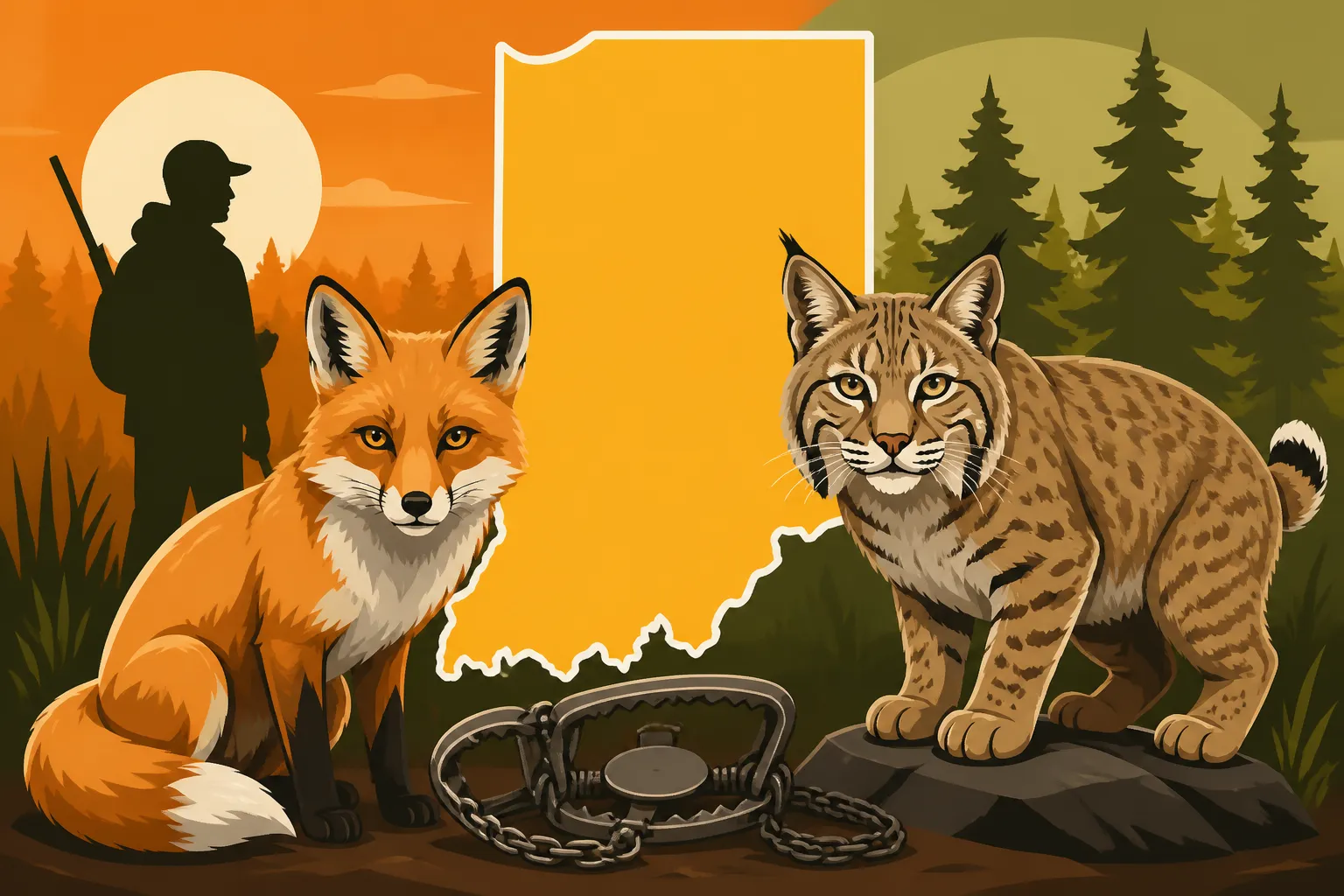
Trying to understand the ever-changing tapestry of Indiana's furbearer regulations can feel like chasing a ghost through the woods. The rules for species like fox and especially bobcat are often nuanced, requiring careful attention to detail if you want to stay legal and ethical on your trapline. This guide is designed to cut through that confusion, giving you a clear, comprehensive understanding of Indiana's fox and bobcat trapping seasons, permits, and best practices.
Understanding Indiana's Furbearer Landscape and Regulations
Indiana's furbearer populations are a vital part of its ecological balance, offering unique opportunities for trappers. However, navigating the specific regulations for species like fox and the highly protected bobcat requires a solid understanding of the Indiana Department of Natural Resources (DNR) rules. Unlike some states where furbearer seasons are broad, Indiana has very specific dates, methods, and permit requirements that you absolutely must adhere to. Ignoring these details can lead to fines, loss of equipment, and even loss of trapping privileges.
Before you even think about setting a trap, you need to ensure you have the proper licensing. In Indiana, anyone attempting to trap furbearers must possess a valid trapping license. This isn't just a suggestion; it's a legal requirement. You can purchase these through the Indiana DNR's Go Outdoors Indiana portal, and it's always a good idea to check for updates annually, as rules can shift. Beyond the general trapping license, certain species, particularly bobcats, demand additional, highly restricted permits. Understanding the overarching Indiana Trapping License Requirements is your absolute first step, as it forms the foundation of all legal trapping activity in the state.
General Trapping License and Season Structure
The general trapping license covers common furbearers like raccoons, opossums, skunks, muskrats, and both red and gray foxes. The season for these animals typically runs from mid-October through January. While these dates provide a general framework, it's crucial to consult the current Indiana Hunting and Trapping Guide annually for the precise opening and closing days, as they can vary slightly from year to year. For example, some years might see a mid-October start, while others might push it closer to the end of the month.
Beyond just the dates, understanding the legal methods of take is paramount. Indiana permits the use of various traps, including foot-hold traps, box traps, cage traps, and body-gripping traps, but each comes with its own set of rules regarding size, placement, and whether it can be used on land or in water. For instance, body-gripping traps of certain sizes are restricted in land sets to protect larger animals, while smaller sizes are perfectly acceptable in water sets. Always verify the maximum jaw spread for foot-hold traps and body-gripping traps when setting on land. This detailed understanding is what separates a responsible trapper from one who inadvertently breaks the law.
Public Land Versus Private Land Regulations
Whether you're setting your trapline on public land or private property, different considerations apply. On public lands, like State Forests or Fish and Wildlife Areas, you often need to adhere to specific sign-in procedures, and there might be additional restrictions on trap placement or types. Some public lands might have designated trapping areas or even draw systems for certain furbearers, particularly for highly sought-after species or areas with high trapping pressure. Using tools like the Using the Indiana OnX and DNR Map Tools can be invaluable for identifying land ownership, public access points, and specific regulations for a given parcel.
On private land, while you still need your state trapping license, the most critical element is obtaining explicit permission from the landowner. Verbal permission is a start, but written permission, especially if you're trapping for an extended period or on a large property, is always a better idea to avoid any misunderstandings or legal issues. Landowners have the right to dictate what trapping activities occur on their property, including species targeted, trap types, and locations. Always respect their wishes, and if they express concerns about certain traps being too close to their livestock or pets, adjust your sets accordingly. Maintaining a good relationship with landowners is key to long-term trapping access.
The Nuances of Trapping Indiana Foxes
Trapping red and gray foxes in Indiana offers a fantastic challenge and a rewarding experience for those who understand their habits and the specific regulations. Both species are found throughout the state, though gray foxes tend to prefer denser timber and brushy areas, especially in southern Indiana's hill country, while red foxes are more common in agricultural landscapes with scattered woodlots, particularly in the northern and central regions. Understanding these habitat preferences is crucial for effective scouting and trap placement.
The regular open season for red and gray fox trapping typically aligns with other common furbearers, running from October 15th to January 31st. This gives trappers a generous window to target these intelligent canids. During this time, trappers can employ various legal methods, but success often hinges on careful scout work and attention to detail in set construction. Don't just throw out a trap; think about why a fox would be there and how you can naturally guide it to your set.
Red Fox Trapping Strategies
Red foxes are creatures of habit and curiosity, often following established travel lanes like field edges, fencerows, and old logging roads. They're drawn to open, agricultural areas where they can hunt mice, voles, and rabbits. When planning your sets, think about these travel corridors. A classic dirt hole set, mimicking a rodent cache, placed along a field edge where deer Working a Fencerow for Late-Season Deer also travel, can be incredibly effective. Scent lures, particularly curiosity or gland lures, are excellent for bringing a red fox to investigate your set.
For land sets, Indiana regulations typically allow foothold traps with a maximum jaw spread of 6.5 inches, and body-gripping traps with a maximum jaw spread of 7.5 inches, among other restrictions. Always double-check these exact dimensions in the current Indiana DNR regulations. When placing traps, ensure they are at least 50 feet from any public road, as this helps prevent accidental catches of pets and minimizes disturbance to other road users. Furthermore, all traps must be clearly marked with the trapper's name and address or their DNR customer identification number. This is not just a rule; it's vital for identification and accountability.
Gray Fox Trapping Techniques
Gray foxes, with their unique climbing ability, often prefer more rugged and brushy terrain, especially along stream bottoms, dense thickets, and forested hillsides in areas like the Hoosier National Forest Hunting. Their diet includes a higher proportion of fruits and berries, in addition to small mammals. When targeting gray foxes, consider cubby sets or log sets that play into their denning and seeking behaviors within dense cover. A cubby set, constructed from logs or rocks to create a small, inviting enclosure, often with bait at the back, can be irresistible.
For gray fox, where thick cover is common, scent selection is key. More pungent, "food-based" baits and strong urine lures can help cut through the natural aromas of the dense woods. Remember that just like for red fox, daily checks of all traps are mandatory. This is a critical ethical and legal obligation. Trappers must visit their traps at least once every 24 hours to check for catches, release non-target animals, and re-bait or reset as needed. Neglecting this duty can result in stress or injury to animals and is a serious violation of Indiana's trapping laws.
Navigating Indiana's Strict Bobcat Trapping Program
Unlike the more open seasons for foxes and other common furbearers, bobcat trapping in Indiana is an entirely different beast, largely due to their protected status and ongoing recovery efforts. Indiana's bobcat population has made a remarkable comeback since being listed as an endangered species, but their management remains incredibly cautious and tightly controlled. This means that you can't just go out and trap a bobcat with a general trapping license.
To trap a bobcat in Indiana, you must apply for and be awarded a special bobcat trapping permit through a lottery system. These permits are extremely limited, typically only a couple hundred statewide, and are highly coveted. The application period and draw usually occur in the late summer or early fall, and if you are fortunate enough to draw a permit, you will receive detailed instructions on the season dates, bag limits, and specific reporting requirements. This is where a robust mapping and regulatory platform like GoHunt can be incredibly helpful, as it helps you stay on top of application deadlines and monitor permit draw results.
Bobcat Season Dates and Designated Counties
If you're lucky enough to draw a bobcat permit, the trapping season is typically quite short, often running from mid-December through January 31st. This short window is designed to manage the harvest carefully and ensure the long-term health of the bobcat population. Furthermore, bobcat trapping is not open statewide. Only specific counties are designated as open for bobcat trapping, usually those with healthy and stable populations, primarily in southern Indiana.
It is absolutely crucial to verify the specific open counties for the current year if you hold a permit. Trapping a bobcat outside of these designated counties, even with a permit, is a serious violation. For example, some years might see counties like Brown, Jackson, or Lawrence listed, while others may vary. These county restrictions are in place to prevent overharvest in areas where populations are still establishing or are more vulnerable. You can check Which Six Counties Sit in Indiana's CWD Positive Area for deer, but bobcat counties are different and specifically outlined in the bobcat permit details.
Mandatory Reporting and Carcass Requirements
One of the most critical aspects of bobcat trapping in Indiana is the mandatory reporting process. If you successfully harvest a bobcat, you are required to report it to the Indiana DNR within 24 hours of harvest. This often involves calling a specific reporting line or using the online system. Following the initial report, you must present the bobcat carcass to a designated DNR check station or official within a set timeframe, usually 72 hours. This allows DNR biologists to collect vital biological data, such as age, sex, and other health indicators, which are crucial for managing the species.
The entire carcass (or specific parts, as directed by DNR) must be presented, usually with the pelt still attached, to facilitate proper identification and data collection. The DNR will then apply a legal tag to the pelt. This tag is your proof of legal harvest and is required if you plan to sell the pelt or have it processed by a taxidermist. Failure to report or present your bobcat as required is a serious violation and can result in significant penalties. These stringent requirements highlight the DNR's commitment to careful stewardship of this once-endangered furbearer.
| Species | Season Dates (Typical) | Legal Methods (Land) | Daily Check Required | Special Permit Needed | Designated Counties | Mandatory Reporting |
|---|---|---|---|---|---|---|
| Red Fox | Oct 15 – Jan 31 | Foothold (6.5" max), Body-grip (7.5" max) | Yes | No | Statewide | No |
| Gray Fox | Oct 15 – Jan 31 | Foothold (6.5" max), Body-grip (7.5" max) | Yes | No | Statewide | No |
| Bobcat | Dec 15 – Jan 31 | Foothold, Body-grip (specifics with permit) | Yes | Yes (Lottery Draw) | Select Southern IN | Yes (24 hr report, 72 hr check) |
Note: Always consult the current Indiana Hunting and Trapping Guide for exact dates and regulations, as these can change annually.
Essential Trapping Practices and Gear for Success in Indiana
Becoming a proficient trapper in Indiana, especially for intelligent animals like foxes and the elusive bobcat, requires more than just knowing the regulations. It demands a deep understanding of animal behavior, meticulous scouting, and the right gear to ensure ethical, effective, and legal sets. Success often comes down to attention to detail and a commitment to continuous learning. Just like Scouting Indiana Public Land Before Season for deer, pre-season scouting is paramount for furbearers too.
Regardless of your target species, maintaining ethical trapping practices is fundamental. This includes humane trap selection, daily checks, and proper handling of all animals, whether target or non-target. Trapping is a privilege, not a right, and maintaining a positive public perception through ethical actions is crucial for its future.
Effective Scouting and Location Selection
Before you even think about setting a trap, dedicate significant time to scouting. This isn't just a casual walk; it's a deep dive into the landscape. For foxes, look for sign along travel corridors: field edges, fencerows, creek banks, and logging roads. Pay attention to scat, tracks, and especially pinch points or funnels where animals are naturally directed into a smaller area. For gray foxes, this might mean investigating brushy creek bottoms or the edges of clear-cuts. Red foxes will often leave sign near old barn foundations or brush piles in open fields.
Bobcat scouting is even more intensive due to their elusive nature. Look for scratch marks on trees, often on logs or stumps, or scat piles in prominent locations. They utilize dense cover, rocky outcrops, and hollow logs for bedding and denning. Using maps from a platform like GoHunt to identify potential travel routes, denning areas, and preferred habitat types can save you countless hours. Reading Aerial Photos for Southern Indiana Deer can also provide insights into furbearer travel through heavy timber or along ridge systems that bobcats often frequent. Look for areas with a good mix of dense cover and access to prey animals like rabbits and rodents.
Setting Up a Productive Trapline
Once you've identified promising locations, the real work of setting up a trapline begins. For land sets, dirt hole sets, flat sets, and post sets are staples for fox trapping.
- Dirt Hole Sets: These mimic a den or cached food, using bait and lure buried in a small hole with the trap carefully concealed nearby. Ensure the trap is bedded solidly to prevent wobbling, which can spook a cautious fox.
- Flat Sets: These are less intrusive, relying on strong scent attraction (urine, gland lure) placed on a nearby object (rock, clump of grass) with the trap concealed directly in front. These are excellent for naturally wary animals.
- Cubby Sets: For gray foxes in particular, cubby sets, which are small, natural-looking shelters with bait inside, can be very effective in dense cover.
Remember the setback distances from public roads (typically 50 feet in Indiana) and always mark your traps clearly with your information. Ensuring a clean, scent-free set (or at least one that smells natural, not like human) is crucial. Wear gloves, use clean tools, and consider boiling or dying your traps to remove unnatural odors. Running a Trapline in Rural Indiana is an art form, not just a science, and every detail matters.
Essential Trapping Gear and Safety
Having the right gear makes all the difference in both efficiency and safety.
- Traps: A mix of sturdy, well-maintained foothold and body-gripping traps, appropriate for Indiana regulations. Brands like Bridger, Duke, and Sleepy Creek are popular for their durability.
- Setting Tools: Trap setters, sifting pans, and a trowel are essential for proper trap placement and concealment.
- Lures and Baits: A variety of quality lures (gland, curiosity, food-based) and baits (tainted meat, commercial preparations) to attract different species in various conditions.
- Safety Equipment: A good pair of heavy-duty gloves is critical for handling traps and animals. A trauma kit is also a wise addition, especially if trapping in remote areas.
- Mapping & Navigation: A reliable GPS or mapping app like GoHunt is indispensable for marking trap locations, navigating terrain, and verifying property boundaries.
Always prioritize safety. Be mindful of non-target animals, including pets. Avoid setting traps near residential areas or commonly used trails. If you catch a non-target animal, know how to safely release it without injury to yourself or the animal. Carry a release pole and follow proper handling techniques. Remember, your actions reflect on the entire trapping community.
Disclaimer
The information provided in this guide is for general informational purposes only and is not intended as legal advice. Hunting and trapping regulations are subject to change by the Indiana Department of Natural Resources (DNR). It is the responsibility of every individual hunter and trapper to familiarize themselves with and adhere to the most current Indiana hunting and trapping laws and regulations, including specific season dates, bag limits, licensing requirements, and legal methods of take. Always consult the official Indiana DNR website and current year's Hunting & Trapping Guide before engaging in any hunting or trapping activities.