Indiana Copperhead Encounters Afield
Indiana copperhead snakes identification, physical size, distinctive markings, and safety tips for hunters and outdoors enthusiasts.
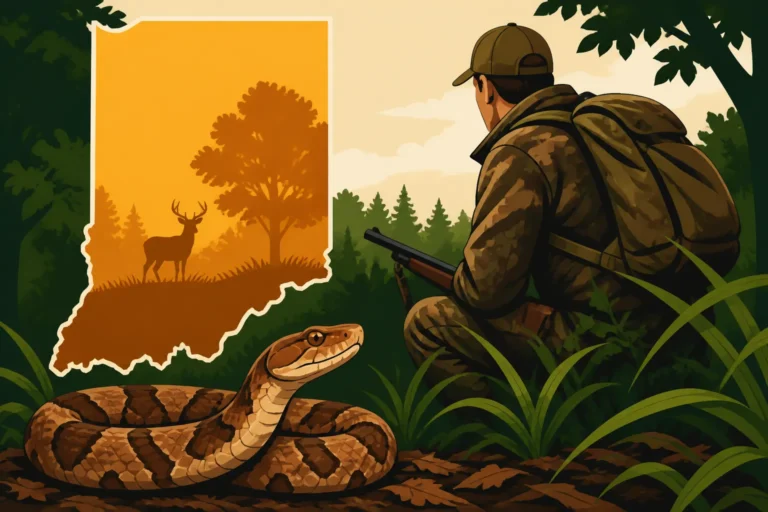
Indiana copperhead snakes identification, physical size, distinctive markings, and safety tips for hunters and outdoors enthusiasts.
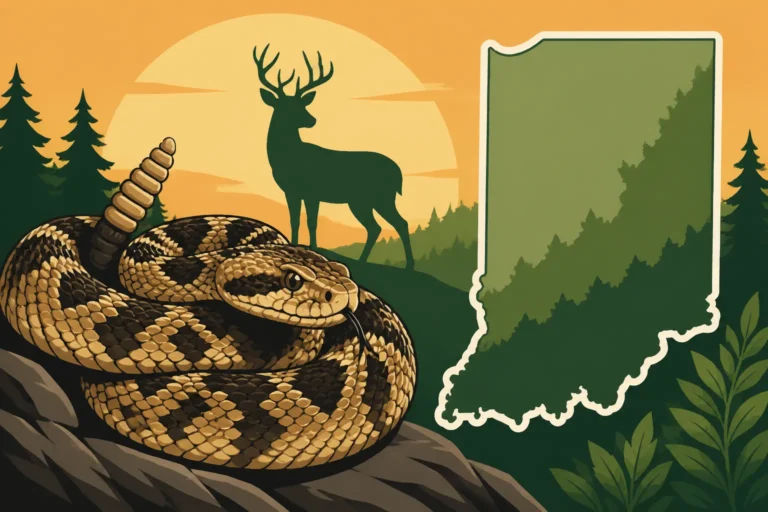
Indiana timber rattlesnake range details unglaciated south-central and southeastern counties, rocky bluffs, and mature deciduous woodlands.
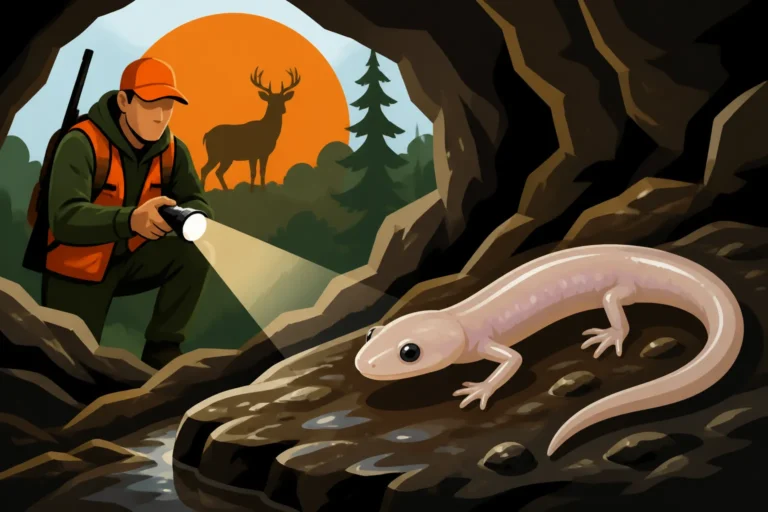
Indiana cave salamanders are orange-red amphibians with dark spots, serving as key environmental indicators in southern forests.
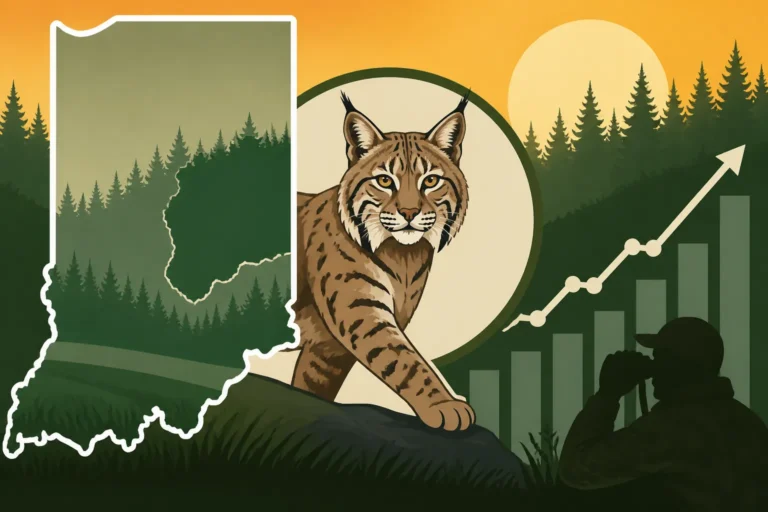
Indiana bobcat sighting reports by year explain population tracking methods and show how these elusive felines returned.
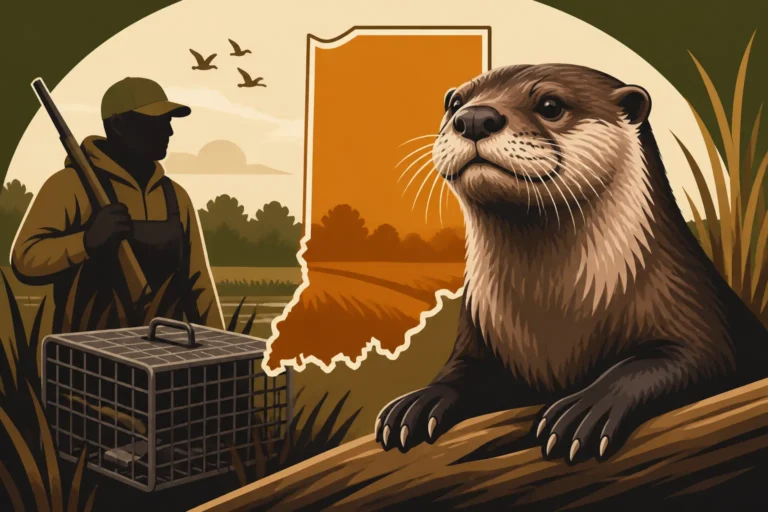
Indiana river otter trapping regulations and seasons allow trappers to manage populations and support wildlife conservation.
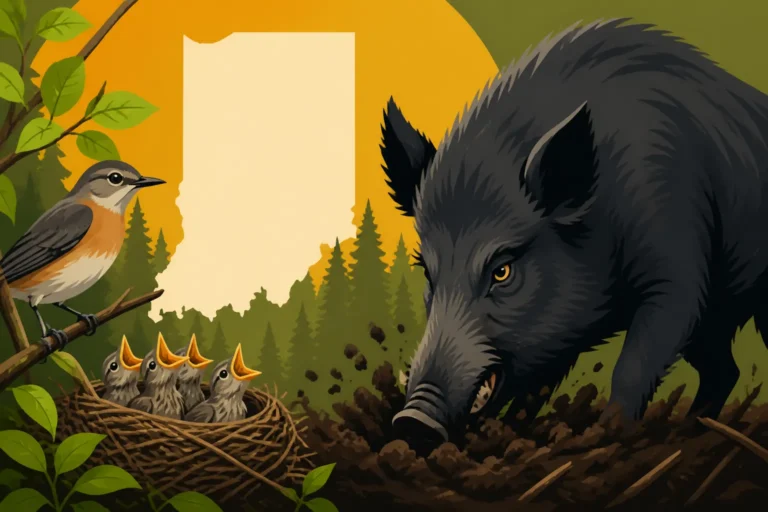
Feral hogs destroy Indiana songbird nests and forest floors by rooting up soil, eating eggs and chicks, and reducing food supplies.
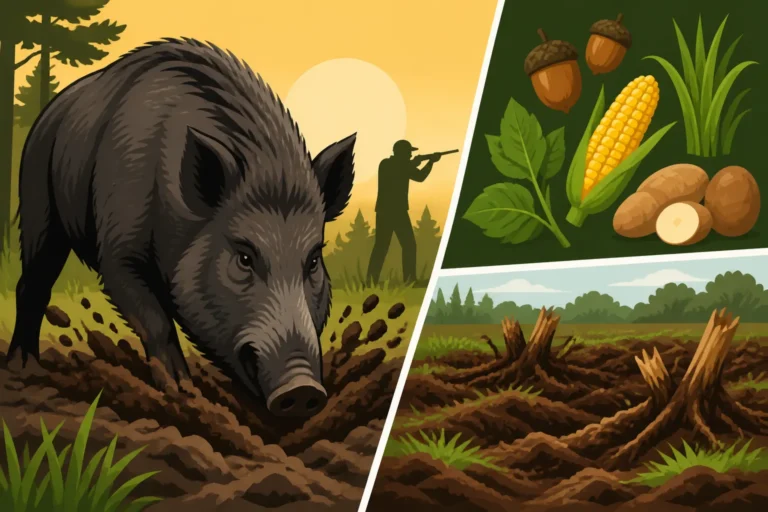
Indiana feral hogs consume plants and animals, causing severe rooting damage to agricultural crops and native ecosystems.
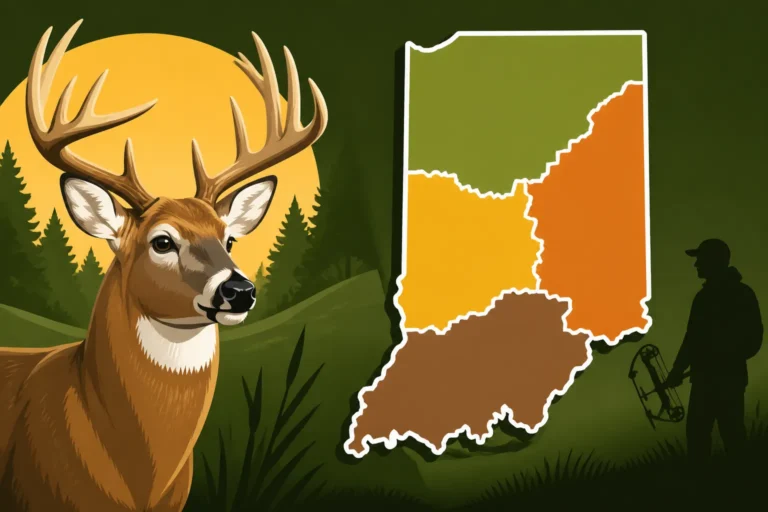
Indiana deer weight averages compared between northern cornfields and southern hills, explaining regional differences in body mass.
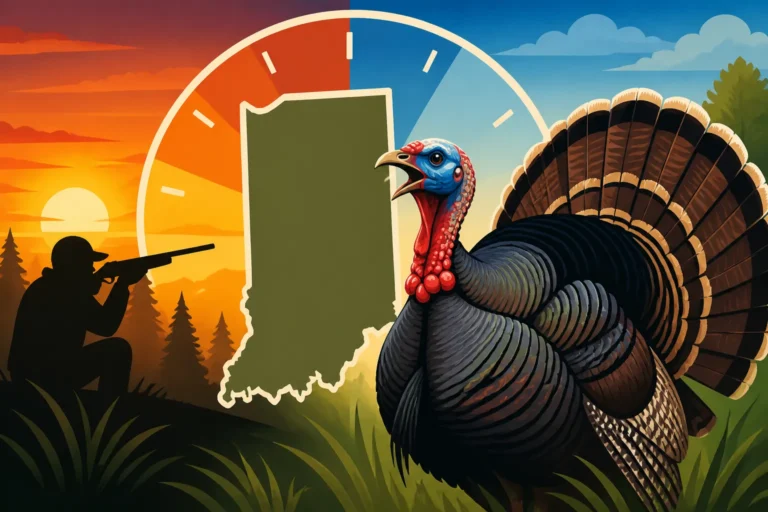
Indiana spring turkey gobbling activity timings across April and May help hunters adapt strategies for peak rut mania and late season.
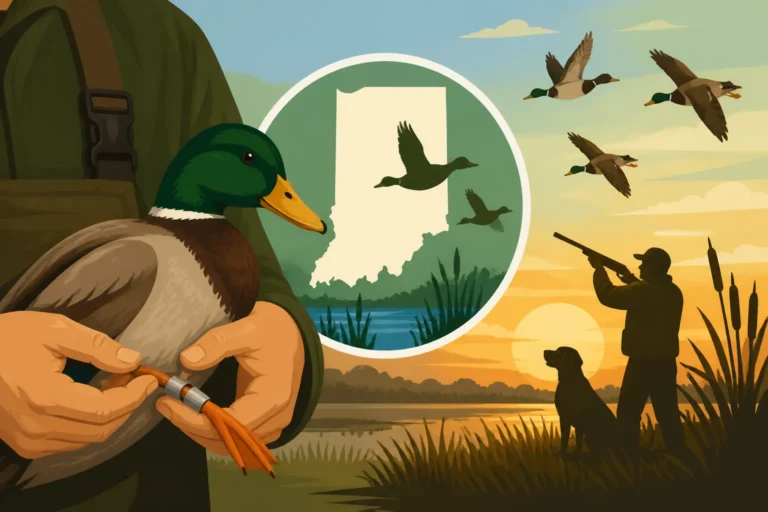
Indiana waterfowl banding programs track migratory birds using metal bands to inform hunting regulations and conservation efforts.