Indiana Songbird Nest Predation by Hogs
It’s a tough pill to swallow when you realize that some of our beloved Indiana songbird populations are facing threats not just from habitat loss or predation by traditional critters, but from an entirely different, highly destructive invasive species: feral hogs. These intelligent, prolific animals are rooting up more than just crops; they're actively destroying the nests of ground-nesting birds, eating eggs and young, and wreaking havoc on the delicate ecosystem. This guide will dive deep into how feral hogs impact Indiana’s songbirds and what we can do about it.
The Silent Threat: How Feral Hogs Impact Ground-Nesting Birds
When we talk about the challenges facing songbirds, most folks immediately think of things like changing landscapes, increased development, or perhaps even increased predation from raccoons or opossums. What often gets overlooked, though, is the increasingly significant and destructive role that feral hogs are playing. These aren't your typical Indiana wildlife; they're an invasive species, and their presence creates a cascade of negative effects, especially for those birds that choose to make their homes on the ground.
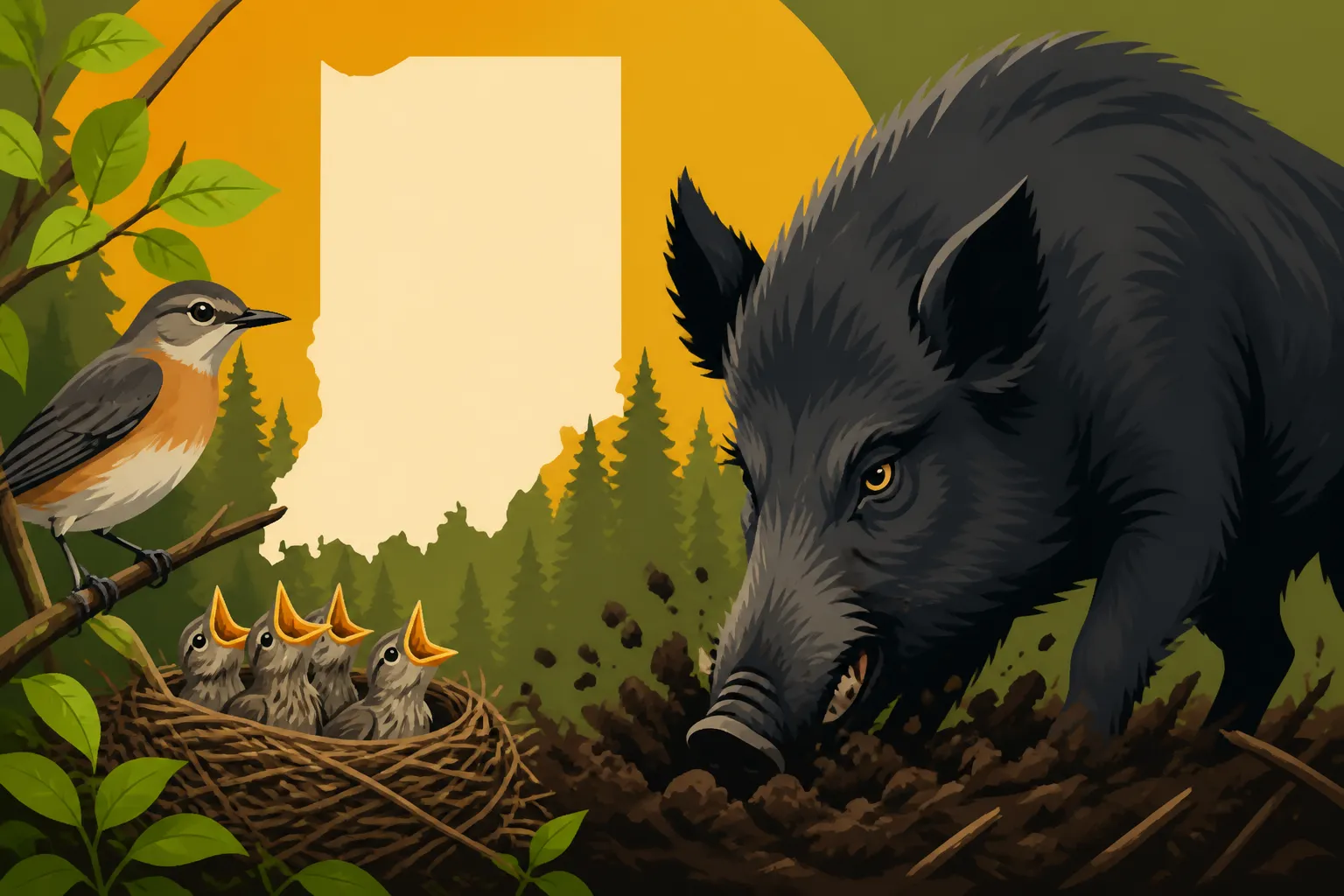
Feral hogs are opportunistic omnivores, meaning they'll eat just about anything they can get their snouts on. They have an incredibly keen sense of smell, far superior to a deer's, which they use to locate food sources hidden beneath the soil. Unfortunately for ground-nesting birds, this includes their meticulously hidden nests. Imagine a hen, maybe a Bobwhite Quail or a Wild Turkey, carefully building her nest in thick cover, laying her clutch of eggs, and then having a sounder of hogs come through. They don't just stumble upon it; they actively root and dig, turning over large swaths of ground in search of tubers, insects, and, yes, protein-rich eggs and helpless chicks. The destruction isn't just accidental; it's a direct result of their foraging behavior.
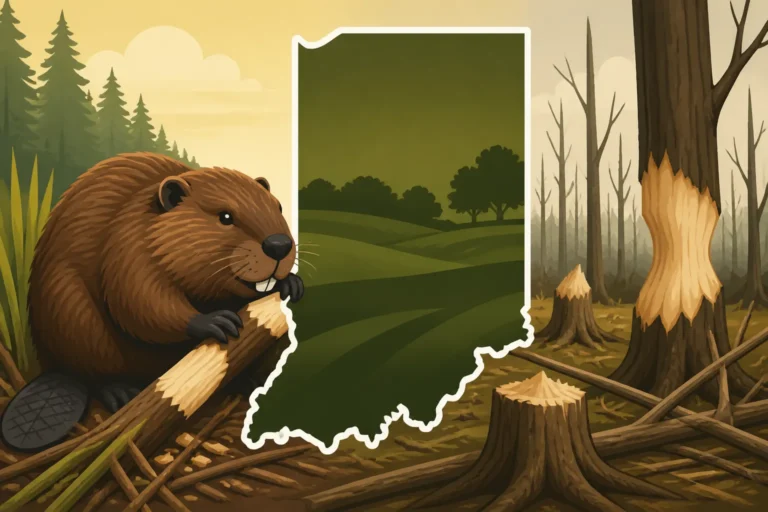
Beyond the direct predation, there's a more insidious, indirect impact: habitat degradation. When a group of feral hogs moves through an area, they act like roto-tillers, ripping up the forest floor and undergrowth. This rooting behavior destroys the very cover that ground-nesting birds rely on to hide their nests from predators and to shelter their young. Think about a field edge or a section of timber that normally provides dense, low-lying vegetation. After hogs have been through, it looks like a bomb went off – bare earth, scattered clumps of dead roots, and soil churned into a messy, unproductive wasteland. This isn't just a temporary inconvenience for the birds; it can render entire sections of prime nesting habitat unusable for years, forcing birds into less secure areas or preventing them from nesting altogether.
This destruction also impacts the insect populations that many songbirds, especially their young, depend on for food. Hogs eat insects too, but their disruptive rooting also changes the soil structure and plant composition, which can significantly alter the invertebrate communities. If the insects that make up a large part of a chick’s diet disappear, then even if a nest survives, the young birds might struggle to find enough food to grow and thrive. It's a compounding problem, hitting birds from multiple angles and making it incredibly difficult for populations to recover. Hunters using resources like GoHunt to track their movements can help identify areas where this destruction is most prevalent.
Understanding the Ecological Cascade in Indiana
The presence of feral hogs doesn't just affect individual nests; it sets off an ecological chain reaction that can reshape entire habitats, especially in a state with diverse landscapes like Indiana. From the dense woods of the southern hills to the river bottoms and agricultural fields of the north, these pigs are proving to be a formidable and destructive force. Their impact ripples through the food web, affecting not only the birds themselves but also the plants and insects that support them.
Consider the intricate balance of a healthy Indiana woodland or grassland. You have native grasses, forbs, and shrubs that provide food and cover. Insects thrive among these plants, becoming a vital food source for everything from tiny warblers to turkey poults. When feral hogs move in, their incessant rooting changes everything. They selectively eat certain plant species, often the most palatable or nutritious ones, which can shift the dominant plant communities. Imagine a patch of wild berries or a diverse wildflower meadow that provides essential foraging for birds – a hog sounder can obliterate it in a single night. This alteration in plant life means a direct loss of food and cover for birds, as well as a reduction in the habitat for the insects they feed on.
Species like our native Bobwhite Quail, which were already facing an uphill battle due to habitat changes, are particularly vulnerable. Their nests are literally on the ground, often shallow depressions hidden by grass clumps. Pheasants, another ground-nester in some parts of Indiana, face similar challenges. Even wild turkeys, while more robust, lose a significant number of nests to hog predation. This isn't just about a few nests here and there; over time, sustained hog activity can lead to a measurable decline in local bird populations. It's a slow, often unseen erosion of biodiversity.
The impact isn't uniform across the state either. In Hunting Indiana River Bottom Funnels, where hogs often thrive in dense, inaccessible cover, their rooting can destabilize stream banks, leading to erosion and further habitat damage downstream. In agricultural areas, while their focus might be on crops, the edges and woodlots they frequent are often critical nesting grounds for many bird species. When you’re scouting with tools like GoHunt, understanding where hogs are likely to congregate – near water sources, dense cover, or crop fields – helps you anticipate where bird nesting success might be at its lowest. This ecological cascade is a serious concern for conservationists and hunters alike, as it directly impacts the health and future of Indiana’s natural heritage.
| Impact Type | Description | Affected Birds (Examples) | Hunter's Observation (GoHunt) |
|---|---|---|---|
| Direct Predation | Feral hogs actively seek out and consume eggs and chicks from ground nests, using their keen sense of smell and opportunistic feeding habits. | Quail, Pheasants, Turkeys, Songbirds | Rooting signs, disturbed nests |
| Habitat Degradation | Extensive rooting destroys nesting cover, forbs, and native grasses, turning productive nesting sites into barren, disturbed ground. | All ground-nesting species | Large areas of turned-over soil |
| Food Source Disruption | Hogs consume insects and alter plant communities, reducing the availability of critical invertebrate food sources for adult birds and especially growing chicks. | Insectivorous songbirds, young birds | Changes in plant composition |
| Disease Transmission | Feral hogs can carry diseases that could potentially impact other wildlife species, though direct songbird transmission is less documented than for deer or livestock. | Less direct to songbirds, more risk to overall ecosystem health | – |
What Indiana Hunters Can Do to Help
For those of us who care deeply about Indiana’s wildlife, the threat that feral hogs pose to songbirds and the wider ecosystem is concerning. The good news is that hunters are uniquely positioned to be a crucial part of the solution. Unlike many other invasive species, feral hogs have virtually no natural predators in Indiana, and their reproduction rates are incredibly high. This means that consistent, aggressive hunting and trapping are the most effective management tools we have. Indiana even recognizes this by having year-round open seasons on hogs, classifying them as an unprotected wild animal – a testament to the severity of the problem.
The first and most direct action hunters can take is to actively pursue feral hogs whenever and wherever legally possible. This isn't just a fun hunt; it's a vital conservation effort. Whether you're deer hunting in the Hoosier National Forest or Hunting Northern Indiana Farmland Deer, if you encounter hogs, you should be prepared to ethically harvest them. Familiarize yourself with Indiana Feral Hog Regulations and understand that there are essentially no limits on their take, reflecting the state's urgent need to reduce their numbers. Many hunters focus on deer, turkey, or small game, but adding feral hog eradication to your goals can make a tangible difference.
Beyond just shooting hogs when you see them, consider dedicating time specifically to hog hunting. Tactics such as Night Hunting Hogs With Lights on Private Land or employing advanced strategies like Trapping Indiana Feral Hogs can be incredibly effective, especially in areas with high hog densities. Using scouting tools, like those found on GoHunt, can help you pinpoint areas of hog activity by looking for rooting signs, tracks, and scat. The more informed you are about their movements and habits, the more successful you'll be in removing them from the landscape. Public land is fair game, but gaining permission on private land, especially from farmers experiencing crop damage, can open up even more opportunities to help.
Finally, effective management is a community effort. Report any hog sightings or harvest information to the Indiana Department of Natural Resources (DNR). This data is incredibly valuable for wildlife biologists tracking populations and understanding their spread. Encourage other hunters to get involved, and educate non-hunting friends and landowners about the damage these animals cause. The more people who understand the problem and are willing to take action, the better chance our Indiana songbirds have at thriving without the silent, destructive threat of feral hogs rooting up their nests and their future. This is a battle that requires our collective dedication and effort.
Disclaimer
This article is for general informational purposes only and does not constitute professional advice. Laws, prices and regulations vary by location and change over time. Consult a qualified professional for guidance on your specific situation.