Indiana Turkey Population Trends
It can be incredibly disheartening to hit the woods for spring turkey season, full of anticipation, only to find the woods eerily quiet. We’ve all been there, wondering if the gobblers just aren't talking, or if perhaps there aren't as many birds around as there used to be. Understanding the larger picture of Indiana's wild turkey population trends is crucial for every hunter, helping us adjust our expectations, refine our tactics, and become better conservationists. This comprehensive guide will dive deep into how our turkey numbers have fared over the years, what factors are currently at play, and what this means for the future of turkey hunting here in the Hoosier State.
From Absence to Abundance: Indiana's Turkey Restoration Story
It's hard to imagine, but there was a time when wild turkeys were completely gone from Indiana. Our grandparents' generation, or even great-grandparents', wouldn't have known the thrill of a gobbler hammering on the roost in an Indiana woodlot because the birds simply weren't here. Understanding this history is key to appreciating the incredible comeback story and the ongoing efforts to maintain healthy turkey populations today.
The Historic Extirpation and Grand Return
By the early 1900s, wild turkeys had been completely extirpated from Indiana. Years of unregulated hunting, coupled with extensive deforestation for agriculture and timber, left no suitable habitat or breeding stock. It's a stark reminder of what can happen when wildlife management is absent. For decades, the Indiana landscape, while beautiful, was silent of the iconic gobble.
The turnaround began in the mid-20th century, largely fueled by dedicated conservation efforts. The Indiana Department of Natural Resources (DNR), alongside partner organizations, initiated a reintroduction program starting in the 1950s and really gaining steam in the 1960s. They trapped wild turkeys from healthy populations in other states—primarily Missouri, West Virginia, and Arkansas—and released them into suitable, often newly regenerating, habitat across Indiana. These weren't pen-raised birds; these were wild, adaptable turkeys, and that made all the difference. This monumental effort is often hailed as one of North America's greatest wildlife restoration successes, bringing back a species that many thought was lost forever, and you can read more about it in our piece on How Turkeys Were Restored to Indiana.
Early Success and Widespread Expansion
The initial reintroductions were nothing short of miraculous. Those first releases, often just a handful of birds in strategic locations like the Hoosier National Forest and other large tracts of timber, took hold. Turkeys are incredibly resilient and prolific breeders when given the chance, and with improved habitat management and regulated hunting seasons, their numbers began to climb steadily. By the 1970s and 80s, populations were expanding rapidly, spreading from those core release sites into surrounding counties.
This expansion led to the first modern spring turkey hunting season in Indiana in 1970, a small, controlled season that quickly grew as turkey numbers surged. The birds colonized nearly every corner of the state where adequate habitat existed, from the deep hardwoods of Southern Indiana to the smaller woodlots and creek bottoms of the central and northern farmlands. This period was truly a golden age for turkey restoration, seeing exponential growth and the establishment of robust, huntable populations that have since provided countless hours of enjoyment for Hoosier hunters.
Current State of Indiana's Wild Turkey Populations
While the overall story of turkey restoration in Indiana is a resounding success, it's also a dynamic one. Population numbers don't just stay flat; they fluctuate based on a complex interplay of environmental factors, habitat changes, and even hunting pressure. Understanding these current trends is vital for both hunters planning their next season and for the Indiana DNR in managing the resource.
Statewide Trends and Fluctuations
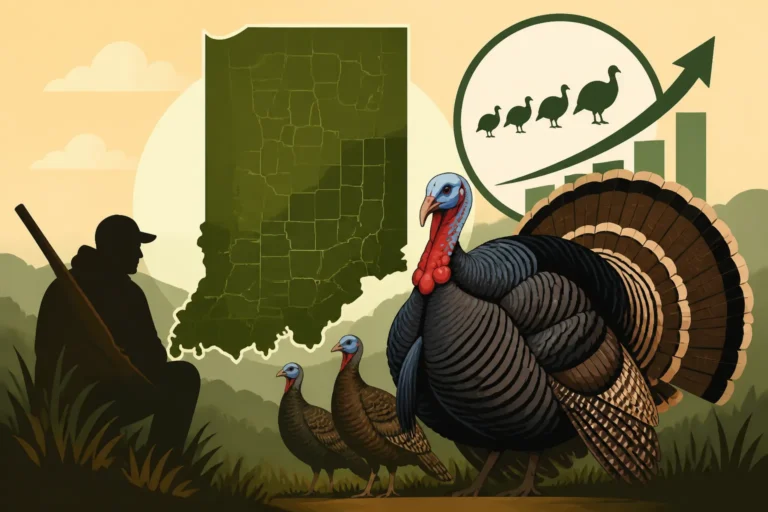
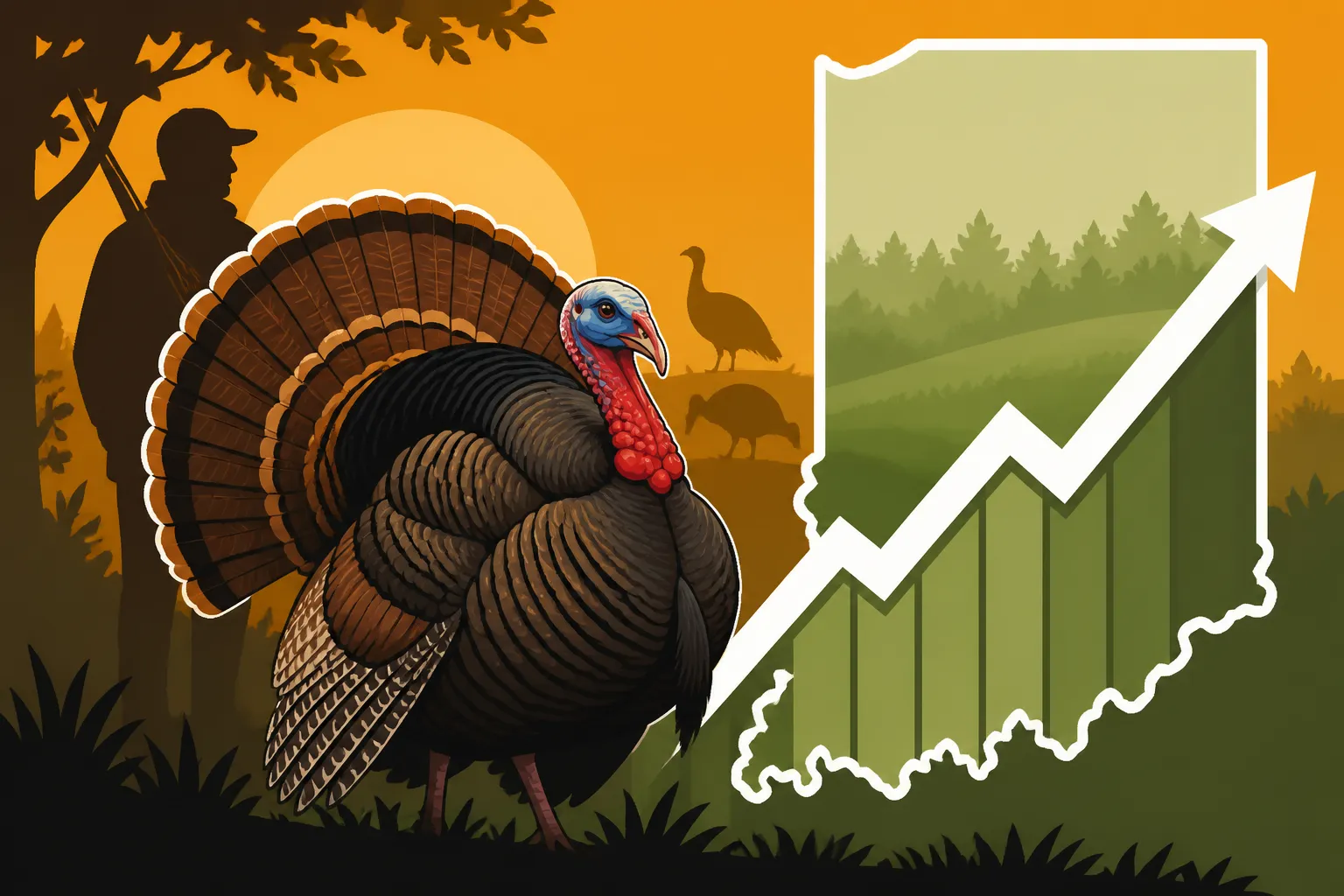
Looking at the big picture, Indiana's wild turkey population reached its peak in the early to mid-2000s, following decades of successful expansion. Since then, while still strong and widespread, the statewide population has shown some signs of leveling off or even experiencing slight declines in certain areas. This isn't unique to Indiana; many states in the Midwest and Southeast have observed similar trends, leading to much discussion and research among wildlife biologists and avid turkey hunters alike.
The Indiana DNR continuously monitors these trends through various surveys, including annual brood surveys where volunteers record hen and poult sightings throughout the summer. These surveys are critical for determining the reproductive success of the flock in a given year. Factors like cold, wet springs can significantly impact poult survival, leading to dips in population numbers a year or two down the line. Overall, the population remains healthy enough to support our spring hunting seasons, but the days of rapid, unchecked growth seem to be behind us.
Regional Variances: North, Central, and South
One of the most interesting aspects of Indiana's turkey population is how it varies regionally. If you've hunted turkeys across different parts of the state, you've likely noticed these differences firsthand.
-
Southern Indiana: The rolling hills, extensive forests, and less fragmented landscapes of Southern Indiana, especially areas like the Hoosier National Forest and the numerous state forests, historically held the densest turkey populations. These areas still offer excellent hunting opportunities, and often boast higher turkey densities compared to other regions. The habitat here—mature timber, varied topography, and ample roosting trees—is ideal for wild turkeys, and you can find Where Indiana Turkeys Are Densest by checking out our related article. However, even these prime areas aren't immune to the broader trends, and some hunters report seeing fewer birds or smaller flocks than a decade ago.
-
Central and Northern Indiana: In the more agricultural central and northern parts of the state, turkey populations are often patchier, tied closely to available timber, riparian corridors, and unfragmented woodlots. While densities might not be as high as in the southern hills, these areas can still provide fantastic hunting, especially on smaller, overlooked parcels of timber. Birds in these regions often adapt to using fencerows, creek bottoms, and even standing corn for cover, making them a challenge and a reward for hunters who learn their patterns. Hunter success in these regions can be highly dependent on accessing good habitat and knowing the specific movements of local flocks. When scouting, tools like GoHunt can be incredibly helpful for identifying these pockets of prime habitat amidst agricultural lands.
Factors Influencing Turkey Population Health
Understanding the general trends is one thing, but knowing why those trends are happening is crucial for long-term management and individual hunting success. Wild turkeys, like all wildlife, are influenced by a myriad of environmental and ecological factors, some of which are more impactful than others on their overall health and numbers.
Habitat Loss and Fragmentation
Despite the tremendous success of reintroduction, habitat remains the ultimate limiting factor for wild turkeys. While Indiana has seen some forest regrowth since the early 20th century, especially in the southern half of the state, the ongoing challenge of habitat loss and fragmentation is real. Development, expanding urban and suburban areas, and changes in agricultural practices continue to chip away at crucial turkey habitat.
Turkeys need a variety of habitat types throughout the year: mature trees for roosting, dense undergrowth for nesting and poult rearing, open woodlands for foraging, and reliable water sources. When these diverse habitats are broken up into smaller, isolated patches, it makes it harder for turkeys to thrive. They become more vulnerable to predation, have less access to diverse food sources, and their ability to disperse and find new mates is hindered. Imagine a hen trying to lead her poults across a busy road or through an exposed agricultural field to reach a patch of cover – it's a gauntlet, and often, many don't make it.
Weather Patterns and Reproductive Success
Ah, the weather! Every turkey hunter knows how much a beautiful spring morning can make or break a hunt, but the weather's influence goes far beyond hunting conditions. It plays a monumental role in the reproductive success of wild turkeys, directly impacting poult survival, which in turn dictates the population trend for the following year or two.
Specifically, cold, wet springs during the crucial nesting and brooding period can be devastating. Young poults are highly susceptible to hypothermia and diseases when exposed to prolonged periods of wet and cold. If hens can't successfully hatch and raise their broods to a survivable age, the "poult-to-hen ratios," a key metric monitored by the DNR, will plummet. Conversely, mild, dry springs can lead to excellent poult survival, bolstering populations. This means that a really tough spring can lead to fewer jakes and two-year-old gobblers in the woods a couple of years later, something many hunters notice directly. The long-term trend of weather patterns, including the frequency of extreme events, is a significant concern for turkey population stability.
Predation and Disease
While turkeys are robust birds, they face threats from various predators and diseases, especially during vulnerable stages of their life cycle.
-
Predation: Eggs and young poults are particularly susceptible to a wide range of predators, including raccoons, opossums, skunks, foxes, and coyotes. While some level of predation is natural and healthy for an ecosystem, an imbalance can put pressure on turkey populations. For instance, high predator densities, especially of nest predators, can significantly reduce nesting success. Adult turkeys also fall prey to coyotes, bobcats, and even owls or eagles, though healthy adult birds are much harder to catch. The balance of predator populations is something the DNR monitors, and understanding it is part of the larger picture of Indiana's Wild Turkeys in Indiana.
-
Disease: Wild turkeys can also be affected by various diseases. Lymphoproliferative Disease Virus (LPDV) and Avian Pox are two examples that can impact turkey health, though widespread, devastating outbreaks are relatively rare. The DNR keeps a close watch on wildlife health reports, encouraging hunters to report any sick or unusually acting birds. While typically not a primary driver of large-scale population decline, localized disease outbreaks can certainly affect hunter success in specific areas.
Monitoring and Management Strategies
The Indiana DNR works tirelessly to ensure the long-term health of our wild turkey populations, employing a variety of scientific monitoring techniques and management strategies. These efforts are crucial for understanding the current status of the birds and making informed decisions about hunting seasons and conservation initiatives.
DNR Surveys and Data Collection
One of the most important tools in wildlife management is data. The Indiana DNR conducts several key surveys to track turkey populations:
-
Spring Harvest Reports: Every hunter is required to report their turkey harvest through the Indiana DNR's online system or app. This data provides immediate insight into the number of birds taken, broken down by county and even management unit. Over time, these harvest numbers, along with hunter effort data, give biologists a good indication of population trends and density. An increase in harvest might suggest a healthy or growing population, while a sustained decline could signal an issue. You can often see the impact of these numbers when looking at Indiana Turkey Harvest Numbers.
-
Summer Brood Surveys: This is a critical program that relies on public participation. Between June and August, volunteers (often hunters, landowners, and other outdoor enthusiasts) report sightings of hens with poults, as well as lone hens. This data helps calculate the "poult-to-hen ratio," which is a direct measure of reproductive success for that year. A high poult-to-hen ratio indicates a good hatch and strong poult survival, promising more jakes and two-year-old gobblers in future seasons. This ratio is often the best early indicator of future turkey numbers.
-
Hunter Surveys: Periodically, the DNR conducts surveys asking hunters about their experiences, including the number of birds seen, gobbling activity, and overall satisfaction. This qualitative data, combined with quantitative harvest and brood survey numbers, helps paint a more complete picture of the turkey resource from the perspective of those who are most invested.
Habitat Improvement Initiatives
Beyond monitoring, proactive habitat management is perhaps the most impactful strategy for turkey conservation. The DNR, along with land management agencies like the U.S. Forest Service (for the Hoosier National Forest) and numerous private landowners, undertakes initiatives to improve and expand turkey habitat.
This can include prescribed burns to enhance understory vegetation and reduce dense shade, selective timber harvests that create diverse age classes of trees (important for both roosting and brooding cover), and the planting of native forage species. Programs that encourage private landowners to restore woodlands, manage riparian buffers, and create wildlife-friendly areas also play a huge role, especially in the agricultural regions where turkeys might otherwise struggle to find adequate cover and food. These efforts are essential for sustaining populations in the face of ongoing habitat pressures.
Hunting Regulations and Their Role
Hunting regulations are a finely tuned instrument in wildlife management, designed to balance hunter opportunity with the long-term health of the game species. For Indiana turkeys, this means specific rules for both spring and fall seasons.
-
Spring Season: The spring season, which focuses on gobblers, is generally designed to have minimal impact on the overall breeding success of the population. Since one tom can breed many hens, removing a few gobblers typically doesn't harm the reproductive capacity of the flock. The current Indiana Spring Turkey Season Rules allow for taking two gobblers or bearded turkeys, but only one per day. The length and timing of the season are carefully considered to maximize hunter opportunity while ensuring hens are not unduly disturbed during their nesting period.
-
Fall Season: Indiana also has a more limited fall turkey season, which can include the harvest of hens in certain designated counties during specific weapons seasons. The Indiana Fall Turkey Season Structure is much more conservative than the spring season, often restricted to archery-only statewide, with limited firearms opportunity in a select list of counties. This is because harvesting hens in the fall can have a direct impact on the following year's breeding potential. The DNR sets these regulations based on regional population health, particularly taking into account recent poult-to-hen ratios and local trends. Responsible hunting, guided by these regulations, is a cornerstone of turkey conservation.
| Year | Spring Turkey Harvest (Gobblers/Bearded) | Poult-to-Hen Ratio (Avg.) | Key Factors Affecting Population |
|---|---|---|---|
| 2018 | ~12,500 | 2.8 | Average hatch, stable |
| 2019 | ~11,000 | 2.5 | Slight dip in poult survival |
| 2020 | ~11,900 | 3.1 | Good hatch, increased harvest |
| 2021 | ~10,500 | 2.2 | Wet spring, lower poult survival |
| 2022 | ~11,300 | 2.9 | Improved hatch, moderate harvest |
| 2023 | ~10,800 | 2.6 | Moderate hatch, slight decline |
Note: Poult-to-Hen Ratio represents the average number of poults observed per hen, an indicator of reproductive success. Data is illustrative based on general trends.
Impacts on Hunters and the Future Outlook
So, what do these population trends and management efforts mean for you, the Indiana turkey hunter? The dynamics of the turkey population directly influence everything from hunter success rates to the overall quality of your experience in the woods. Looking ahead, it's clear that ongoing conservation efforts and adaptation will be key.
Hunter Success Rates and Opportunity
For many years, Indiana offered fantastic turkey hunting opportunities with generally high success rates, especially in areas with robust populations. However, as statewide turkey populations have stabilized or seen slight dips in recent years, hunters might notice a few changes. We might be hearing fewer gobblers, or encountering fewer birds overall on a given outing. This doesn't mean the hunting is bad, but it might mean it's becoming more challenging and requires greater skill and scouting.
Hunter success rates, while still respectable, can fluctuate year to year, largely mirroring the reproductive success of the previous few years. If we had a tough spring for poults two years ago, we might see fewer two-year-old gobblers (jakes) on the landscape, which are often the most vocal and easiest to call in. This means hunters need to be more adaptable, perhaps scouting more rigorously before the season, or refining their calling tactics to pull in those harder-to-decoy mature birds. Scouting with digital tools like GoHunt, which can highlight habitat features like dense roosting timber or secluded creek bottoms, becomes even more valuable.
Conservation Challenges and Future Focus
Looking to the future, the primary challenge for wild turkeys in Indiana remains habitat. While direct habitat destruction continues, changes in forest management practices and the increasing fragmentation of remaining woodlands pose significant threats. For instance, the loss of mature, contiguous timber stands can negatively impact roosting and breeding success. Furthermore, climate change and its potential impact on weather patterns, leading to more frequent or intense cold, wet springs, could add another layer of complexity to turkey management.
The focus for conservation will continue to be on:
- Habitat Protection and Enhancement: Protecting existing quality habitat and working to improve degraded areas will be paramount. This includes advocating for sound forestry practices, supporting programs that incentivize private landowners to manage their land for wildlife, and securing funding for public land acquisitions and improvements.
- Research and Adaptive Management: The Indiana DNR will continue to research turkey ecology, population dynamics, and the impact of various factors on their numbers. This ongoing research allows for adaptive management strategies—meaning regulations and management plans can be adjusted as new information becomes available, ensuring they remain effective.
- Public Engagement: Hunter participation in reporting harvests and brood sightings is incredibly valuable. Continued public support for conservation initiatives, hunting, and wildlife management is essential for the long-term health of Indiana's wild turkey resource. By staying informed on Indiana Turkey Population Trends, supporting conservation efforts, and practicing ethical hunting, we can all contribute to ensuring healthy turkey populations for generations to come.
Disclaimer
Please remember that hunting regulations and wildlife populations are subject to change. Always consult the most current Indiana Department of Natural Resources hunting guide and regulations before heading afield. This content is for informational purposes only and does not constitute legal advice.