Indiana’s Expanding CWD Positive Area
It’s disheartening to hear about diseases affecting our beloved whitetails, and Chronic Wasting Disease (CWD) is one that casts a long shadow over hunting seasons. The news of Indiana's CWD positive area expanding can feel like a punch to the gut, bringing with it concerns about herd health, hunting opportunities, and what it all means for our traditions. This guide is here to walk you through everything you need to know about CWD in Indiana, from its biology and current footprint to testing requirements and what hunters can do to help.
Understanding Chronic Wasting Disease CWD
When we talk about CWD, it's easy to get lost in the scientific jargon, but for hunters, understanding the basics is crucial. This isn't just another deer disease; it's a real threat that could change the face of deer hunting in Indiana forever if we don't take it seriously. It's a tough pill to swallow, knowing something so insidious is out there, quietly working its way through the herd.
What Exactly Is CWD
Chronic Wasting Disease is a neurological disease affecting deer, elk, moose, and caribou. It's caused by abnormal proteins called prions, not a bacteria or a virus. Think of prions as misfolded proteins that cause other normal proteins in the brain to misfold too, leading to spongy degeneration of brain tissue. This process is slow, taking months or even years, which is why infected animals don't show symptoms immediately. They can appear perfectly healthy for a long time, all the while shedding these prions into the environment through saliva, urine, and feces. It’s like a silent, invisible killer that spreads without an obvious trail. These prions are incredibly persistent and can remain viable in the soil for a very long time, making contaminated areas a long-term risk.
The disease always results in death. There is currently no vaccine or cure. Symptoms, when they do appear, are truly heartbreaking to witness: drastic weight loss (wasting), stumbling, listlessness, blank facial expressions, excessive salivation, and increased thirst and urination. An infected deer looks truly miserable and acts confused, often losing its natural wariness of humans. It's not a quick death; it's a slow, agonizing decline. For us as hunters, this means not only a concern for the hunt itself but a deep concern for the welfare of the animals we cherish.
How CWD Affects Indiana's Deer Herd
The primary concern for Indiana's deer herd, beyond the individual suffering of infected animals, is the potential for significant population declines and changes in herd dynamics. As more deer become infected, the overall health and age structure of the herd can be severely impacted. Older, larger bucks often exhibit a higher prevalence of CWD, simply because they've had more time to be exposed. This could lead to fewer mature deer, which, let's be honest, is a major draw for many of us who pursue whitetails.
Beyond the immediate impact on deer numbers, CWD can also affect the perception of venison. While there's no evidence CWD can spread to humans, public health officials advise against consuming meat from CWD-positive animals. This understandably makes some hunters hesitant, which could lead to reduced hunter participation, and in turn, less funding for conservation efforts that rely on license sales. It's a domino effect, starting with a microscopic prion and potentially ending with profound changes to our hunting culture and the future of White-Tailed Deer Across Indiana.
The Expanding Footprint of Indiana's CWD Positive Area
It was a day many of us dreaded, but knew was likely coming. For years, CWD had been detected in neighboring states, and it felt like a matter of "when," not "if," it would arrive in Indiana. When the news finally broke, it really brought home the reality of the situation. It's not just a distant problem anymore; it's right here in our hunting grounds.
Tracing the First Discoveries and Subsequent Spreads
Indiana's first confirmed case of CWD was detected in a deer harvested in LaGrange County in 2023. This discovery was a sobering moment for the state's wildlife management and hunting community. Prior to this, the Indiana Department of Natural Resources (DNR) had been conducting surveillance for years, proactively testing deer statewide, particularly in areas bordering CWD-positive regions in other states like Michigan and Illinois. This vigilance paid off, allowing for early detection.
Following the initial discovery, further testing revealed additional positive cases in adjacent Noble County. This confirmation, unfortunately, meant the disease had already begun to spread, prompting a rapid expansion of the designated CWD management area. The detection of Why Noble County Expanded the CWD Positive Area was a clear sign that the disease doesn't respect county lines or hunter's hopes. Each new confirmed case adds another piece to the puzzle, painting a clearer, albeit more concerning, picture of CWD's presence in the Hoosier State. The DNR's immediate response was to establish a CWD positive area to focus management and testing efforts.
Identifying the Currently Affected Counties
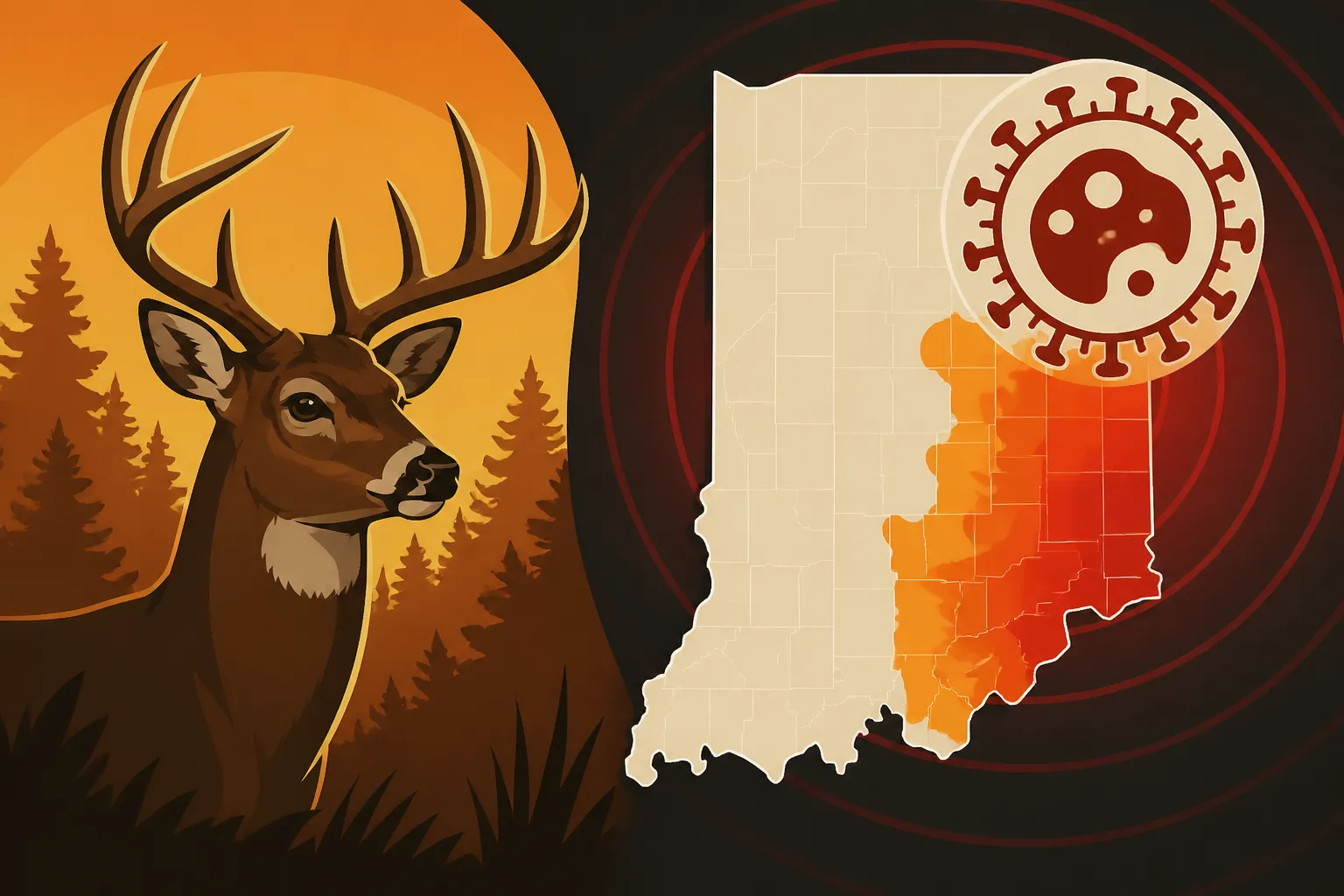
As of the latest updates, the CWD positive area in Indiana includes several counties in the northeastern part of the state. These are the front lines of CWD management, and hunters in these areas need to be particularly aware of the regulations. The primary counties involved are LaGrange, Noble, Steuben, DeKalb, Whitley, and Allen. While the initial detections were in LaGrange and Noble, the disease's ability to spread quickly necessitated a broader definition of the positive area to encompass adjacent counties where deer movement could easily carry the prions.
It's important to remember that this list isn't set in stone; it's subject to change based on ongoing surveillance and new detections. Hunters should always check the most current information from the Indiana DNR before heading into the field, especially if hunting near the boundaries of these counties. Keeping up-to-date can feel like a chore, but it's essential. Using resources like the GoHunt app can be incredibly helpful for staying informed on the latest regulations and CWD zones, offering real-time updates and mapping capabilities right on your phone. This information is key to understanding Which Six Counties Sit in Indiana's CWD Positive Area, and how they are currently impacted.
Defining the Official CWD Positive Area
The official CWD positive area isn't just an arbitrary line on a map; it's a carefully considered boundary established by the Indiana DNR to focus disease management. This area is defined by the confirmed presence of CWD in wild deer and aims to contain the disease's spread while implementing enhanced surveillance and management strategies. The boundaries typically encompass the county or counties where CWD has been detected, along with adjacent areas where there's a high likelihood of disease transmission due to natural deer movement.
Within this designated positive area, specific regulations come into play. These include mandatory CWD testing for deer harvested during certain seasons or in specific locations, as well as strict rules regarding the transportation of deer carcasses. The goal is to monitor the disease's prevalence, prevent its movement to new areas, and, where possible, reduce deer densities to slow transmission rates. Understanding these boundaries is critical for hunters because it dictates how you process and transport your deer after a successful hunt. It’s not just about knowing where you can hunt, but knowing how you must act if you harvest a deer within these zones.
Your Role as a Hunter: Testing and Reporting
As hunters, we are often the first line of defense and critical partners in wildlife conservation. With CWD, our involvement in testing and reporting is more important than ever. It's an extra step, sure, and sometimes an inconvenience, but it's vital for the health of our herd and the future of our hunting heritage. No one wants to deal with extra rules, but this is one where compliance truly matters.
Navigating Mandatory and Voluntary CWD Testing
When you're hunting within Indiana's CWD positive area, especially during specific firearms seasons, you might encounter mandatory testing requirements. This means if you harvest a deer in one of these counties, particularly a deer older than a fawn, you are required to submit its head for CWD testing. This isn't optional; it's a legal obligation designed to give the DNR accurate data on disease prevalence and spread. Failure to comply can result in penalties, so always double-check the current regulations before you head out. These mandatory checks are a cornerstone of the state's CWD response and help us all understand Mandatory Testing Inside Indiana's Positive Area.
Outside of the mandatory zones or during archery season, voluntary testing is often available and highly encouraged. Even if you're not in a designated CWD county, or if it's not a mandatory testing period, having your deer tested provides valuable data points that help the DNR monitor for new outbreaks. It's a simple act of stewardship that contributes to the bigger picture. Imagine if every hunter took an extra few minutes to help; the amount of data collected would be immense and incredibly powerful in the fight against CWD. Check the DNR website or even use mapping applications like GoHunt to quickly find out if your specific hunting area falls under mandatory testing guidelines.
Locating CWD Sampling Stations and Submitting Samples
Once you’ve harvested a deer in a CWD-positive area, or if you choose to participate in voluntary testing, the next step is to get your sample submitted. The Indiana DNR sets up various CWD sampling stations, particularly during the peak deer seasons. These can range from staffed check stations at Fish and Wildlife Areas to unstaffed self-serve kiosks at various public access points or even partnering with local meat processors. You'll need to follow specific instructions for sample submission, which usually involves removing the deer's head, tagging it with your hunt information, and placing it in a designated collection barrel or freezer.
It’s crucial to ensure the deer's head is clearly tagged with all the required information, including your name, license number, county and date of harvest, and an approximate age if known. This ensures accurate tracking and reporting. Sometimes, navigating new regulations can be tricky, but information on Indiana CWD Testing for Hunters is readily available through the DNR website. A quick search on your phone, perhaps using GoHunt to cross-reference your location with nearby sampling stations, can save you a lot of time and hassle. Planning your route and knowing where these stations are before you hunt is a smart move.
Understanding Your Test Results
After you submit your sample, the waiting game begins. The DNR usually sends samples to a state veterinary diagnostic laboratory for analysis. The turnaround time can vary, but generally, you can expect results within a few weeks. The DNR will typically notify you directly, usually via email or mail, if your deer tests positive for CWD. If you don't hear anything after a reasonable period, it usually means your sample tested negative.
It's important to understand what a positive result means: the deer you harvested was infected with CWD. While, as mentioned, there's no known link to human health, the recommendation is to not consume the meat from a CWD-positive animal. This can be heartbreaking after a successful hunt, but it's the responsible choice. Conversely, a negative result means no CWD prions were detected in that specific sample. While no test is 100% foolproof, a negative result gives you peace of mind regarding consumption. The DNR also publishes summaries of CWD test results, including How Many Deer Have Tested CWD-Positive in Indiana, providing transparency and showing how the disease is progressing across the state.
Strict Rules: Carcass Movement and Disposal
This is where things can get a little complicated and, frankly, frustrating for hunters. The rules around carcass movement and disposal are perhaps the most impactful for how we conduct our hunts, especially if you're traveling from outside a CWD zone or plan to process your deer at home miles away. These regulations are designed to prevent the accidental spread of prions to new areas, and while they might feel restrictive, they are absolutely necessary.
Transporting Your Harvest Within and Out of the Positive Area
One of the most critical rules in a CWD positive area is related to carcass transportation. If you harvest a deer within the designated CWD zone, you generally cannot transport the whole carcass out of that zone. This means you can't just drive your entire deer, gut pile and all, across county lines into a CWD-free area, even if it's just to your home processor. This is because high-risk parts, like the brain, spinal cord, and lymphatic tissues, contain the highest concentrations of CWD prions and could contaminate new environments.
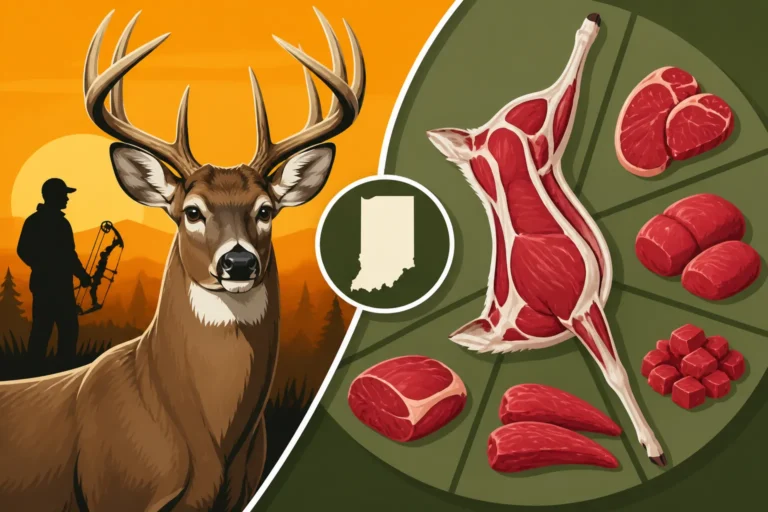
If you plan to hunt in a CWD positive area, you need to have a strategy for processing your deer in situ or at a facility within the CWD zone. This might mean field-dressing differently, quartering the animal, or using a local processor. For many of us, the tradition of bringing a whole deer home is strong, but CWD forces us to adapt. Always review Indiana Carcass Movement Restrictions thoroughly before your hunt, so you're not caught off guard after a successful harvest. Planning is key here, and it might even influence where you decide to hunt if you typically travel long distances.
Legal Game Parts for Movement
While whole carcasses cannot generally leave a CWD positive area, certain parts are considered low-risk and are allowed to be transported. These typically include:
- Deboned meat: This is the most common and safest way to transport venison. All meat that has been removed from the bone.
- Cleaned skull plates or antlers: If they have no visible brain or spinal cord tissue attached.
- Hides: With no visible brain or spinal cord tissue attached.
- Canine teeth: Also known as ivories, if removed from the animal.
- Finished taxidermy products: Once fully processed.
The key here is the removal of high-risk tissues. If you're going to process your deer yourself, you'll need to be meticulous in removing all bone, nervous tissue, and lymphatic tissue before transporting meat out of the zone. This is where understanding anatomy and being prepared with the right tools, like a good field dressing kit, becomes incredibly important. Many hunters have learned to embrace the "gutless method" for field processing, which involves quartering the deer and deboning in the field, leaving the guts and spine untouched. This method not only lightens your load but helps comply with CWD regulations.
Proper Carcass Disposal Methods
Once you've removed the permissible parts of your deer, what do you do with the rest? Proper disposal of high-risk carcass parts (bones, head, spinal column, internal organs) is crucial to prevent the further spread of CWD prions. The goal is to keep these prions contained within the CWD positive area. The Indiana DNR advises that these parts should either be:
- Buried on the property where the animal was harvested: This is often the most practical solution for private landowners. Burying them deeply helps prevent scavengers from distributing the prions.
- Deposited in a designated CWD carcass disposal site: Some counties within the CWD positive area may establish specific dumpsters or collection points for high-risk parts. Always check with the DNR for available locations.
- Taken to a licensed landfill: Most municipal landfills are equipped to handle animal waste and are a safe option for disposal. However, confirm with your local landfill if they accept deer carcasses, especially from a CWD zone.
Under no circumstances should you just dump high-risk parts in random locations outside the CWD positive area or along roadsides. This irresponsible behavior directly contributes to the potential spread of CWD and undermines the collective efforts of hunters and wildlife managers. It's a fundamental part of our responsibility to the land and the animals we hunt.
| Area Type | Mandatory Testing | Carcass Transport Out of Zone | Recommended Disposal for High-Risk Parts |
|---|---|---|---|
| CWD Positive Area (e.g., LaGrange, Noble, Steuben) | Yes (certain seasons/ages) | Deboned meat, cleaned skull/antlers, hides only | Buried on site, designated collection, licensed landfill |
| CWD Surveillance Zone (Adjacent Counties) | Voluntary | Whole carcass generally permitted | Household trash, licensed landfill |
| CWD-Free Area (Rest of Indiana) | Voluntary | Whole carcass generally permitted | Household trash, licensed landfill |
Note: Always check the latest Indiana DNR regulations as these rules can change.
Long-Term Impact and Indiana's Management Strategy
CWD is not a problem that will disappear overnight. It's a long-term challenge that requires ongoing commitment and adaptation from both wildlife managers and hunters. While the initial news of an expanding CWD zone can feel overwhelming, understanding the DNR's strategy and our collective role can empower us to face this challenge head-on.
DNR's Ongoing Efforts to Monitor and Mitigate CWD
The Indiana DNR is actively engaged in a multi-faceted approach to manage CWD. Their strategy involves rigorous surveillance, rapid response protocols, and public education. Surveillance is continuous, with thousands of deer tested annually statewide, particularly in areas identified as high-risk or adjacent to CWD-positive states. This proactive testing regimen helps identify new cases quickly and allows the DNR to adapt its management areas and strategies accordingly. This is a tireless effort that often goes unseen by the public, but it's crucial for the future of Indiana Deer Population Estimate.
When a CWD positive deer is detected, the DNR initiates a swift response. This often includes intensified sampling in the immediate vicinity to determine the extent of the infection, targeted removals if deemed necessary to reduce local deer densities, and enhanced communication with hunters and landowners in the affected areas. They also use tools like deer reduction zones, where hunters are encouraged to harvest more antlerless deer, to help manage populations and potentially slow disease transmission. This data-driven approach is vital for understanding Indiana's Chronic Wasting Disease Positive Area and how it evolves.
The Hunter's Critical Partnership in CWD Control
Without hunters, the battle against CWD would be significantly harder, if not impossible. We are the DNR's most important partners in monitoring and controlling this disease. Our participation in mandatory and voluntary testing provides essential data that no other group can gather. By submitting samples, we contribute directly to the scientific understanding of CWD's prevalence and spread, informing critical management decisions.
Beyond testing, adherence to carcass movement restrictions is paramount. Every hunter who responsibly disposes of high-risk parts or processes their deer correctly helps prevent the disease from spreading to new, uninfected areas. Additionally, reporting sick or unusually acting deer to the DNR is a crucial responsibility. You might be the first to spot a deer exhibiting CWD symptoms, and your quick report could lead to early detection in a new area. Embracing these responsibilities, even when they add extra steps to our hunt, is how we protect the deer herd for future generations of hunters. It’s about being good stewards of our natural resources, ensuring that traditions like Bowhunting Indiana's Long Archery Season can continue.
What the Future Holds for Indiana Deer Hunting
The presence of CWD in Indiana is undoubtedly a game-changer, but it's not the end of deer hunting as we know it. The future will likely involve continued adaptation and vigilance. We can expect CWD management to remain a permanent fixture of Indiana's hunting landscape. This might mean ongoing mandatory testing in certain zones, evolving carcass movement regulations, and possibly even changes in hunting seasons or bag limits in affected areas to manage deer populations.
It's natural to feel a sense of loss or frustration, but the hunting community has always been resilient and adaptable. By educating ourselves, complying with regulations, and actively participating in monitoring efforts, we can help mitigate the impact of CWD and ensure that Indiana's deer herd remains healthy and huntable. The key is to stay informed, engaged, and proactive. Use resources like the DNR's official channels or even mapping apps like GoHunt to keep up with the latest information and regulations specific to your hunting grounds. Our collective efforts truly make a difference in safeguarding our hunting traditions for the long haul.
Disclaimer
The information provided in this guide is for general informational purposes only and is subject to change. Hunters should always consult the official Indiana Department of Natural Resources (DNR) regulations and guidelines for the most current and accurate information regarding Chronic Wasting Disease (CWD) and hunting laws in Indiana.