Bowhunting Indiana’s Long Archery Season
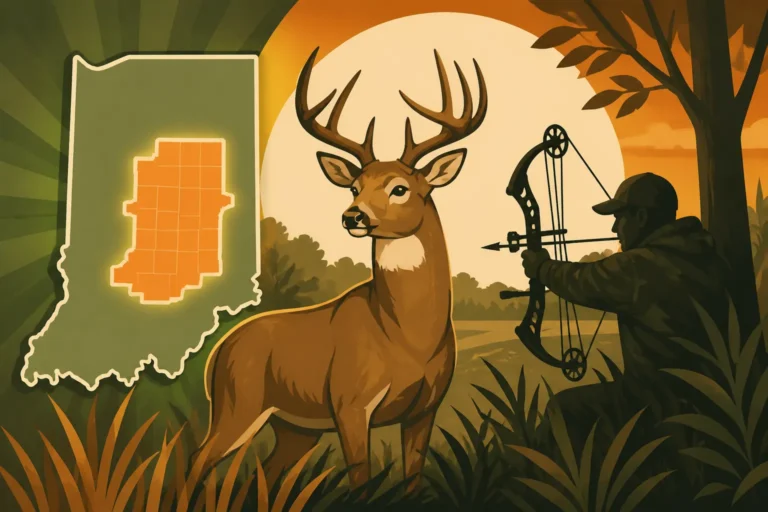
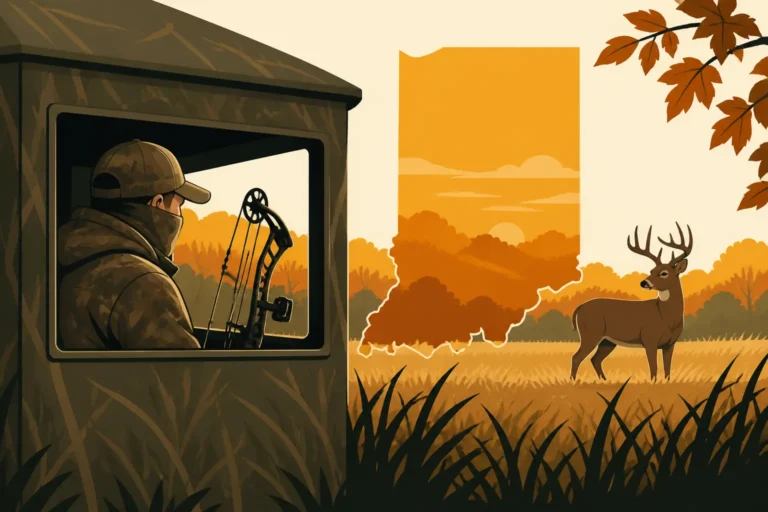
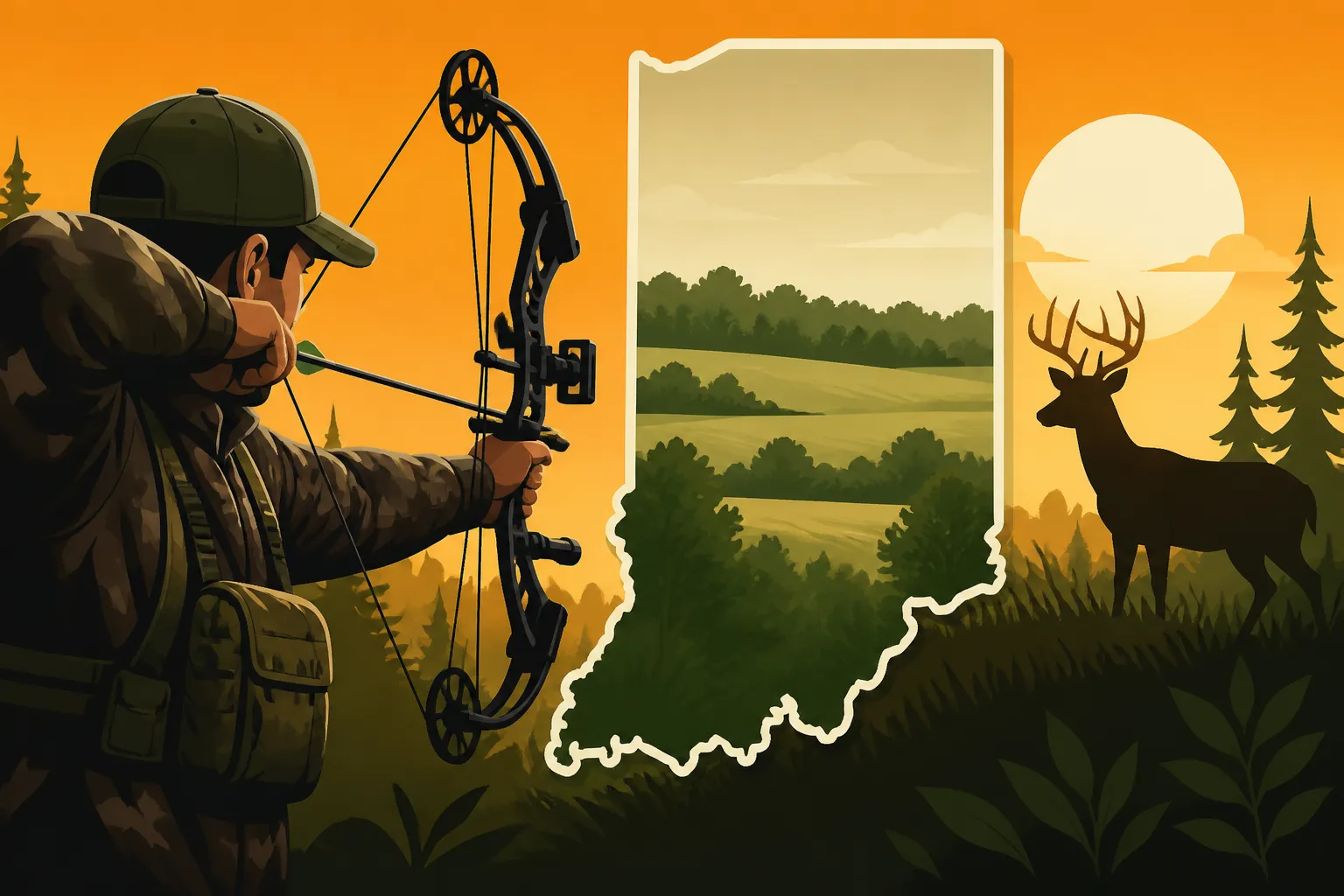
There’s nothing quite like the anticipation of a new deer season, but for those of us who bowhunt in Indiana, that excitement stretches out for months. While other states have short, intense archery seasons, Hoosier hunters get a marathon. This incredible length can be both a blessing and a curse, offering ample opportunities but also presenting a unique set of challenges as deer patterns shift dramatically from the sweltering days of early September to the bitter cold of January. This guide will take a deep dive into mastering Indiana's expansive archery season, from understanding the ever-changing deer behavior to optimizing your gear and strategies for success through all its diverse phases.
Understanding Indiana's Extended Archery Season
Indiana's archery season is truly a gift, spanning from October 1st all the way through the first Sunday in January. That's over three months of bowhunting opportunities, a timeframe that encompasses nearly every major deer behavior pattern imaginable. This extended window means that a one-size-fits-all approach simply won't cut it. You've got to be adaptable, understanding that the deer you hunt in early October are completely different animals than those you pursue after the new year.
Key Dates and Regulations
The sheer length of Indiana's archery season, often starting in early October and running into January, gives bowhunters an incredible advantage. This isn't a quick sprint; it's a long, strategic game that demands patience and adaptability. When the season kicks off, typically on October 1st, deer are still largely on summer patterns, often seen grazing in agricultural fields or around consistent water sources. As the weeks turn into months, these patterns will drastically change.
Knowing the specific dates is paramount. While the opening day is fairly consistent, the closing day often aligns with the first Sunday in January. This means you could be chasing bucks in the rut one month and enduring frigid temperatures while looking for late-season food sources the next. Throughout the entire archery period, legal hunting hours are generally from one-half hour before sunrise to one-half hour after sunset. It's crucial to consult the current Indiana DNR hunting regulations pamphlet or visit the official Go Outdoors Indiana website for the most up-to-date information on exact dates and times. For a complete overview of the timing, you’ll want to check out the details on Indiana Archery Season Dates.
Beyond the calendar, understanding the tag structure is vital. Indiana offers various deer licenses, including archery-specific tags. Typically, hunters can harvest one antlered deer per license year across all seasons, but there are ample opportunities for antlerless deer. These antlerless tags are crucial for filling your freezer and managing the deer population, especially in certain counties or special reduction zones. Always know which tag you're filling before you release an arrow, and ensure you're hunting within the legal limits for your chosen county. Understanding the broader framework laid out in Indiana Deer Season Structure Explained can help you plan your entire season.
Equipment Considerations for Archery Season
When it comes to equipment, Indiana has specific rules that every bowhunter must adhere to. For traditional bows and compound bows, there's a minimum draw weight of 35 pounds. While many hunters choose significantly higher draw weights for increased kinetic energy and flatter trajectories, 35 pounds is the legal floor. Broadheads are also specified, requiring a minimum cutting width of 7/8 inch. Both fixed-blade and mechanical (expandable) broadheads are legal, and the choice often comes down to personal preference, shot distance, and the type of cover you're hunting. Many seasoned Hoosier hunters opt for fixed blades in thick timber for reliability, while mechanicals can offer slightly better flight characteristics in open areas.
Crossbows are another excellent option, and thankfully, Indiana permits their use throughout the entire archery season. This wasn't always the case, and many hunters appreciate the added flexibility and longer effective range crossbows can offer, especially for those with physical limitations or those who simply prefer them. If you’re considering a crossbow or just need a refresher on the rules, our guide on Crossbow Rules During Indiana Archery Season has all the essential details. Regardless of whether you choose a vertical bow or a crossbow, practicing regularly to maintain accuracy is non-negotiable. Ethical shots require precision, and that comes only with consistent practice at various distances and from different shooting positions, mimicking real hunting scenarios.
One often-overlooked but incredibly important aspect of Indiana archery season is the blaze orange requirement – or lack thereof for most of it. During the exclusive archery period, you are generally not required to wear blaze orange. This allows you to blend into the environment more effectively, which is a significant advantage when bowhunting at close ranges. However, it's absolutely critical to remember that if you hunt during any period that overlaps with the youth firearms season, the firearms season, or muzzleloader season, blaze orange requirements do apply to all hunters in the field, regardless of their chosen weapon. Always know which seasons overlap and adjust your attire accordingly to stay safe and legal.
Early Season Strategies: September Heat and Patterns
The start of Indiana's archery season often coincides with some of the hottest weather of the year. Deer are still largely in their summer patterns, accustomed to predictable routines around abundant food and water sources. This early phase requires a different approach than the later, colder months.
Targeting Summer Food Sources
When that early October opener rolls around, Indiana deer are still primarily focused on filling their bellies from consistent, high-energy food sources. Forget about acorns and rubs for a moment; we're talking about lush, green agricultural fields that have provided sustenance all summer long. Soybeans, alfalfa, and even late-season cornfields are absolute magnets for deer, especially the mature bucks that are still holding tight to their summer bachelor groups. Your early season success hinges on identifying these primary food plots and understanding the deer’s precise entry and exit points.
The key here is diligent scouting. Before the season even begins, you should be out there, either glassing fields from a distance at dawn and dusk or meticulously checking trail cameras on field edges. Tools like GoHunt can be invaluable here, allowing you to pour over aerial maps to identify potential bedding areas, connecting corridors, and preferred travel routes leading to these prime feeding locations. Look for patterns: where are they entering the field? Is it always the same corner, or do they utilize multiple access points? Is there a subtle dip or a fencerow that provides them cover as they approach? Thinking about these small details can make all the difference when you're hanging a stand. If you're hunting in a more agricultural area, understanding how deer move onto these fields is critical, and our guide on Setting Up on a Northern Indiana Field Edge offers some excellent advice.
Once you’ve identified those key food sources and travel corridors, your stand placement becomes paramount. The goal is to intercept deer as they move from their daytime bedding areas to their evening feeding grounds, or vice versa. This often means setting up just inside the timber line, along a transition zone, or near a bottleneck they use. Crucially, your entry and exit routes to and from your stand must be impeccable. Any disturbance, whether it's your scent wafting into a bedding area or you spooking deer as you walk in, can blow out an early season spot faster than you can say "whitetail." Deer are less pressured at this time of year, but they are still highly aware of their surroundings.
Adapting to Warm Weather Challenges
The warmth of early October in Indiana brings with it a unique set of challenges that can make bowhunting particularly tricky. One of the biggest hurdles is scent control. In higher temperatures, your body produces more sweat, releasing more human odor into the air. This makes meticulous scent control protocols absolutely essential. Showering with scent-free soap, using scent-absorbing clothing, and storing your hunting gear in airtight containers are all non-negotiable. Pay close attention to the wind direction and thermals, which are often more unpredictable in warmer weather. In the mornings, thermals tend to fall into low-lying areas, while in the evenings, they rise. Setting up on the downwind side of travel corridors and adjusting your stand height can help mitigate your scent footprint.
Beyond scent, water sources and shade become prime attractants for deer during warm spells. While they might hit a soybean field in the evening, they're likely spending their daytime hours close to cool, shaded bedding areas near creeks, ponds, or dense swamps. Scouting these specific locations can reveal hidden opportunities. Sometimes, a well-placed stand near a small, secluding water hole or a creek crossing can be more effective than sitting over a vast food plot, especially during the middle of the day. Deer need water, and in hot weather, they need it frequently, making these spots high-traffic zones.
Due to the heat, deer movement is often concentrated during the coolest parts of the day: the first hour or two after sunrise and the last hour or two before sunset. This means your hunting efforts need to be focused during these specific windows. While an all-day sit might be productive during the rut, in early season heat, it can be counterproductive, increasing your scent signature and your chances of spooking deer. Instead, opt for shorter, more strategic hunts, getting into your stand well before daylight and staying until full dark, but focusing your most intense attention on those peak movement times. The challenge of warm weather also extends to game care. If you're fortunate enough to arrow a deer, getting it field dressed and cooled down quickly is paramount to preserving the meat. Having a plan in place, which might include ice and a cooler, is crucial. For tips on how to handle your harvest in less-than-ideal conditions, take a look at our article on Coolers and Game Bags for Early Archery.
October Tactics: Shifting Food and Pre-Rut Movement
As October progresses, the Indiana landscape begins to transform. The vibrant greens of summer slowly give way to the golden hues of autumn, and with this change comes a significant shift in deer behavior. Their focus moves away from summer agricultural crops and towards more traditional fall forage.
Transitioning to Hard Mast and Fall Forage
The big game-changer in mid-to-late October in Indiana is the acorn drop. White oaks, red oaks, and pin oaks start shedding their bounty, and deer will abandon almost everything else to gorge on these high-energy, protein-rich morsels. If you've been relying on soybean fields up until this point, you might find your honey hole suddenly deserted. The most successful bowhunters in October are those who have scouted hard for the first sign of falling acorns. A good way to find these hot spots is by looking for fresh deer droppings with acorn caps in them, or simply observing deer in oak bottoms during daylight hours. A reliable tool like GoHunt can help you identify oak stands on aerial maps, but nothing beats boots on the ground to confirm which trees are producing.
While acorns are king, they aren't the only game in town. Other critical fall food sources include standing corn, particularly if it's left unharvested into late fall, and brassicas or other dedicated food plots planted specifically for deer. These can become vital energy reserves as natural forage dwindles. Deer will also browse on succulent green shoots in logging clearings and browse lines. The key is understanding that deer will often move between these different food sources throughout the day and week, depending on availability and hunting pressure. If you're hunting farmland, knowing how to approach a field edge where deer might be feeding is crucial, as covered in Hunting a Standing Soybean Field or a standing cornfield.
This shift in food sources naturally leads to a change in where deer spend their time. They'll transition from open fields and their immediate edges deeper into the timber, often concentrating in areas with heavy oak stands or dense cover. This means your stand locations will likely need to move from agricultural field edges to more timbered settings, perhaps along ridges, in creek bottoms, or near saddle features that connect these new feeding grounds to bedding areas. It's a constant puzzle to solve, and the deer will always tell you where the food is. Scouting new sign like fresh tracks, trails, and droppings in these transition zones is critical to staying ahead of their movements.
Early Scrapes and Rub Lines
As October progresses, there's another exciting development in the deer woods: bucks start to become more active, and their hormones begin to surge. This manifests in the appearance of fresh scrapes and rub lines. These aren't just random acts; they're essentially deer communication hubs, indicators that bucks are establishing dominance and testing the waters for the upcoming rut. Rubs, where bucks strip bark from saplings and small trees, are territorial markers, letting other deer know who's in the area. They're often found along primary travel corridors or leading to bedding areas.
Scrapes, on the other hand, are spots where a buck paws away leaf litter, urinates into the bare earth, and deposits scent from the licking branch above. These are essentially "community bulletin boards" where deer share information, and they can be absolute hotspots of activity, especially just before and during the early phases of the rut. Identifying and understanding how to hunt these signposts can be incredibly effective. Look for clusters of rubs or a line of scrapes along a well-used logging road or a natural travel corridor. Our detailed guide on Scrape Lines Along a Logging Road provides excellent insights into finding and exploiting these locations.
Many hunters will strategically set up stands overlooking active scrape lines, especially those with a prominent licking branch. Some even create mock scrapes, using deer urine or gland lures to pique a buck's curiosity and draw him into bow range. While natural scrapes are always preferable, a well-placed mock scrape can sometimes work wonders, especially if you set it up in a funnel or a pinch point. However, be cautious with scent lures, as overuse or improper application can sometimes do more harm than good. The key is to be subtle and natural in your approach.
Ultimately, hunting funnel points near these signposts can be a deadly tactic. As bucks cruise, checking their rubs and scrapes, they're often moving between bedding areas and feeding grounds. Setting up your stand where natural topography or vegetation bottlenecks their movement, forcing them past your position, can provide high-percentage shot opportunities. This early rub and scrape activity is a clear signal that the rut is just around the corner, and the deer are starting to get serious.
The November Rut: Peak Activity and Aggressive Calling
For many bowhunters, November is the month. It's when the Indiana deer woods come alive with increased activity, as bucks throw caution to the wind in their pursuit of does. This is the payoff for all the early season scouting and patience.
Hunting the Peak of the Rut
November in Indiana is synonymous with the rut, that magical period when whitetail bucks are at their most vulnerable. This is why countless hunters schedule their vacation time for this precise window, because the opportunities can be simply incredible. During the rut, bucks' primary focus shifts entirely from food to reproduction, meaning they are actively seeking and chasing does, often covering vast distances and moving at all hours of the day. This increased daytime movement is exactly what bowhunters dream of, especially the mature bucks that might have been completely nocturnal just weeks prior. Understanding the timing of this peak activity is vital, and our guide on Hunting the Rut in Early November can help you pinpoint it in your area.
During the peak of the rut, bucks are often seen cruising open timber, checking scrapes, dogging does, and even fighting with rival bucks. This is the time to be in your stand from dawn until dusk. While morning and evening will still see heightened activity, don't be surprised to see a mature buck chasing a doe at high noon. All-day sits become incredibly important now, as you never know when a hot doe will lead a buck right past your stand. Be prepared for long hours in the stand, with plenty of snacks, water, and appropriate clothing to stay comfortable.
Identifying natural funnels, pinch points, and saddles becomes even more critical during the rut. These are areas where deer movement is naturally concentrated due to topography or habitat features. A saddle on a ridge line, a narrow strip of timber between two open fields, or a thicket bordering a creek bottom can funnel deer directly into bow range. Bucks will often use these corridors as they travel from one bedding area to another, searching for does. If you're hunting in the more rugged terrain of Southern Indiana, knowing how to identify and hunt these features, as detailed in Hunting a Ridge-Top Saddle for Rutting Bucks, can significantly increase your odds. These strategic locations are where you're most likely to intercept a cruising buck.
Effective Calling and Decoy Strategies
With bucks actively seeking does during the November rut, aggressive calling can be incredibly effective in Indiana. Forget the subtle bleats of early season; now is the time to get loud and command attention. Rattling antlers, or a rattling bag, can simulate a buck fight and often draws in curious or aggressive bucks looking to challenge rivals or steal a doe. Combine rattling sequences with grunts to make it sound even more realistic. Short, sharp grunts can pique a buck's interest, while a long, drawn-out "challenge grunt" can enrage a dominant buck. For more insights on how to make the most of these sounds, refer to Rattling and Grunting in Indiana and Grunt Calls in Mature Indiana Timber.
Fawn bleats or doe estrus bleats can also be potent, particularly if you spot a buck that isn't responding to grunts or rattles. These calls can appeal to a buck's primal instinct to find a receptive doe. The key to successful calling is listening and watching for a deer's reaction. If a buck stops and looks, he’s interested. If he walks away, try a different call or adjust your intensity. Vary your calling sequences, using a mix of grunts, bleats, and rattles, and then go completely silent for periods to listen for approaching deer.
Decoys can also add a visual element to your calling, making your setup incredibly convincing. A single doe decoy, or even a buck decoy in certain situations, placed strategically in an open area can draw a cruising buck into your shooting lane. When using a decoy, always position it slightly quartering away from your stand, forcing an approaching buck to present a broadside or quartering-away shot. Pay close attention to wind direction when placing decoys; you want the buck to approach from a direction that puts him downwind of the decoy but upwind of your stand, allowing him to smell the decoy but not you.
Ultimately, patience and persistence are the cornerstones of rut hunting. You might sit for hours with no action, only for a monster buck to suddenly appear. The more time you spend in your stand during this peak period, the higher your chances of success. Be ready, be vigilant, and trust your instincts. The rut in Indiana is a short, intense window of opportunity that every bowhunter cherishes.
Late Season Bowhunting: January's Chill and Food Sources
After the intensity of the November rut and the flurry of firearms season, Indiana’s deer woods can feel like a ghost town. But for the dedicated bowhunter, January offers unique opportunities, albeit under far more challenging conditions. This is when the weak perish and the adaptable thrive.
Finding Remaining Food and Thermal Cover
As January settles over Indiana, the landscape takes on a stark, often frigid beauty. Snow might blanket the ground, temperatures plummet, and the abundant food sources of earlier seasons are long gone. This late-season period presents significant challenges for bowhunters, as deer are wary, exhausted from the rut, and solely focused on survival. Their primary drivers are now finding consistent, high-calorie food and secure thermal cover. This is often referred to as Hunting the Late-Season January Lull for good reason; deer activity can be minimal, but when they move, it's usually with purpose.
The key to late-season success lies in pinpointing critical food sources that have somehow persisted or remain palatable. Standing cornfields, if any are left unharvested, become absolute magnets. So do dedicated food plots planted with brassicas, turnips, or winter rye that can withstand the cold. Even hidden pockets of browse or persistent acorns under heavy snow can draw deer in. This is the time to put on your scouting boots and literally walk potential food sources, looking for fresh tracks, droppings, and signs of browsing. These concentrated food areas will dictate almost all deer movement. Our guide on Late-Season Food Sources for Indiana Whitetails delves deeper into these specific types of forage.
Beyond food, deer desperately seek thermal cover during the brutal cold of January. This means thickets of cedar, dense regenerating clear-cuts, thick stands of honeysuckle, or south-facing slopes that receive more sunlight and offer a reprieve from bitter winds. These areas provide warmth and security, allowing deer to conserve energy. Often, you’ll find deer bedding in these thick coverts, only moving short distances to feed during brief windows of warmth or low light. Understanding these bedding-to-feed patterns is crucial. You might find a small, isolated patch of thick cover next to an overlooked food source—that’s your late-season sweet spot. The deer that remain unpressured in these secluded spots are your best bets.
Cold Weather Tactics and Patience
Hunting in January in Indiana demands a completely different mindset and preparation than the early season. Sitting in a treestand when temperatures hover in the teens or single digits requires serious dedication and proper gear. Layering is not just recommended; it's essential. Start with a moisture-wicking base layer, add insulating mid-layers like fleece or down, and top it off with a windproof, waterproof outer shell. Investing in quality insulated boots, hand warmers, and a warm hat and face mask will make those long, frigid sits bearable. Our guide on Cold-Weather Sitting Strategy in Indiana provides an exhaustive look at how to prepare for these conditions.
Stand placement in the late season should prioritize both food and thermal cover, but also consider sun exposure and wind breaks. A stand set on a south-facing slope, catching the afternoon sun, can provide welcome warmth. Positioning your stand on the leeward side of a ridge or thicket can shield you from biting winds, making your sit far more comfortable and allowing you to stay on stand longer. Since deer movement is often limited to short, purposeful trips between bedding and feeding, focusing on tight travel corridors connecting these two critical resources is your best bet.
Patience becomes your most valuable asset in January. Deer are often moving only during the first and last hours of daylight, or even only for an hour in the middle of a particularly cold day. Long stretches of inactivity are common, which can test your resolve. However, if you've done your scouting, found a prime late-season food source, and are nestled into a comfortable, well-placed stand, the payoff can be immense. A mature buck, desperate for calories, might offer a rare, unpressured shot opportunity. The reward of harvesting a late-season deer is a testament to your grit and determination, and it's a memory that will keep you warm long after the chill has passed.
Essential Gear for Indiana Bowhunters
Success in Indiana's archery season, spanning from early fall to deep winter, hinges not just on strategy, but also on having the right gear. From your bow to your boots, every piece of equipment plays a role in your comfort, safety, and ultimately, your success.
Bow and Arrow Setup Optimization
Your bow and arrow setup is the heart of your bowhunting efforts, and optimizing it for Indiana's varied conditions is paramount. First and foremost, ensure your bow is perfectly tuned. This means consistent arrow flight, proper cam timing (for compound bows), and a clean arrow rest. Consistent practice, not just in a backyard range but in varied positions, at different distances, and with your hunting broadheads, will build confidence. The choice of broadhead is crucial: fixed-blade broadheads are often favored for their reliability and penetration on close-range shots in thick Indiana timber, while mechanical broadheads can offer slightly better flight for longer shots in open country. Understanding concepts like Bow Draw Weight for Indiana Whitetails and the nuances of Broadheads for Timber Shots can help you make informed decisions.
Beyond the bow itself, consider your accessories. A reliable sight, whether it’s a single-pin slider or a multi-pin setup, should be sighted in precisely at various yardages. A quality arrow rest that provides consistent launch and minimal fletching contact is essential. Stabilizers can improve balance and reduce post-shot vibration, leading to better accuracy. And don't forget your quiver, which should hold your arrows securely yet allow for quiet, quick access. Maintaining your equipment is also critical; regularly check strings and cables for wear, tighten screws, and inspect your arrows for cracks or damage. A well-maintained setup is a reliable setup.
Clothing and Comfort in Varying Weather
Indiana's long archery season means you'll encounter everything from warm, humid September mornings to frigid, snowy January afternoons. Dressing appropriately is not just about comfort, it's about staying focused and safe. The key is layering. Start with a good base layer that wicks moisture away from your skin to keep you dry. Over this, add insulating mid-layers like fleece or down for warmth. For late-season hunts, you might need multiple heavy layers. Your outer layer should be windproof and waterproof to protect against rain, snow, and biting winds. Many modern hunting clothing lines also incorporate advanced scent control technologies, which are particularly beneficial in early, warmer conditions.
Rain gear is non-negotiable in Indiana. You will get rained on. Having a packable, quiet, and effective rain suit can mean the difference between cutting a hunt short and sticking it out for a shot opportunity. Scent control garments are also a major asset, especially when hunting wary whitetails at close range. Brands like ScentLok and Sitka offer excellent options that neutralize or contain human odor.
Footwear is another critical component. Early season might call for lighter, breathable boots, but as the weather turns, you’ll need insulated, waterproof boots that can handle mud, slush, and deep snow. Rubber boots are excellent for scent control and navigating wet, swampy areas. Finally, and perhaps most importantly, never forget your safety harness and a lifeline when hunting from a treestand. Accidents happen in a blink, and a quality safety system is the single most important piece of gear you own. Regularly inspect it for wear and always, always wear it from the moment your feet leave the ground until they return.
Scouting and Public Land Considerations for Archery Season
Bowhunting Indiana's long season successfully often comes down to one thing: preparation. And for us Hoosier hunters, that means getting out there and learning the land, especially if you're hitting up the public ground.
Pre-Season Scouting and Trail Camera Use
Effective bowhunting in Indiana, particularly on challenging public lands, begins long before opening day. Year-round scouting is not just a suggestion; it's a strategic imperative. The more time you spend in the woods outside of hunting season, the better you'll understand deer movement patterns, bedding areas, and food sources. This can involve shed hunting in late winter, glassing fields in summer, or simply walking trails and creek bottoms, looking for old rubs, scrapes, and funnels. Our comprehensive guide on Scouting Indiana Public Land Before Season offers a detailed roadmap for maximizing your time afield before the first arrow flies.
Modern mapping tools and aerial imagery have revolutionized scouting. Platforms like GoHunt, OnX Hunt, or the Indiana DNR's own mapping tools allow you to pore over satellite photos, topo maps, and land ownership data from the comfort of your home. You can identify potential bedding areas, pinch points, funnels, and water sources before ever setting foot in the woods. These digital tools are invaluable for planning your approach, identifying possible stand locations, and understanding the general flow of the landscape. However, remember that digital scouting is only the first step; nothing replaces boots on the ground for confirming what you see on the screen.
Trail cameras are another indispensable tool for pre-season and in-season intel. Strategically placed cameras can confirm deer activity, identify specific bucks, and help you understand their patterns, especially in relation to food sources, scrapes, and travel corridors. In early season, place them on field edges or near mineral sites. As the season progresses, move them to scrapes, rub lines, or funnels. However, be mindful of where you place them, especially on public land. Rules regarding trail cameras on Indiana public land vary, so always check the specific regulations for the property you're hunting to avoid any issues. And always, always minimize your disturbance when checking cameras; your goal is to gather intel without alerting deer to your presence. Learning to interpret the sign you find – fresh rubs, active scrapes, distinct tracks, and droppings – is a skill that improves with every hour spent in the woods.
Navigating Public Lands and Hunter Pressure
Indiana is blessed with a significant amount of public hunting land, from the expansive Hoosier National Forest to numerous Fish and Wildlife Areas (FWAs) and State Forests. These lands offer incredible opportunities, but they also come with challenges, primarily hunter pressure. Expect to encounter other hunters, especially during peak times like the opening weekend of archery season or the November rut. Understanding the various public land options is essential, and our guide to Public Hunting Land in Indiana is a great place to start your research.
Dealing with hunter pressure requires strategy. One of the most effective tactics is simply to walk farther than other hunters. Most hunters stick close to parking areas and main trails. By pushing deeper into the woods, especially in rugged terrain, you can often find overlooked pockets where deer feel safer. These remote areas might require more effort to access, but they often hold less pressured deer. Our article on Finding Ground Others Walk Past offers some excellent techniques for locating these hidden gems. Look for areas with difficult access – steep terrain, dense thickets, or creek crossings – as these naturally filter out a lot of the competition.
Your entry and exit routes become even more critical on public land. You want to move silently and stealthily, minimizing your impact on the deer herd and avoiding encounters with other hunters. Plan your routes to avoid known bedding areas and to take advantage of terrain features that mask your movement. Using natural cover, walking creek beds, or approaching from directions less traveled can help you slip in and out undetected. Respecting other hunters is also paramount; give them space, avoid walking through their setups, and always prioritize safety. Public land is a shared resource, and a little courtesy goes a long way in fostering a positive hunting experience for everyone.
| Season Phase | Typical Months | Key Deer Behavior | Primary Food Sources | Recommended Archery Tactics |
|---|---|---|---|---|
| Early Season | October 1st – Mid-October | Consistent patterns, less pressure, nocturnal big bucks | Soybeans, alfalfa, early corn, consistent water, lush browse | Stand over primary food sources, focus on entry/exit routes |
| Pre-Rut / Mid-Fall | Mid-October – Early November | Increasing buck activity, establishing dominance, cruising | Acorns (especially white oaks), standing corn, food plots | Hunt scrapes/rubs, funnels between bedding/food, call subtly |
| Peak Rut | Early November – Mid-November | Bucks actively seeking does, increased daytime movement | Less food-focused, following does | All-day sits in funnels, aggressive rattling/grunting, decoys |
| Post-Rut / Late Fall | Late November – Mid-December | Recovering from rut, regrouping, secondary rut activity | Hard mast (if available), remaining crops, brassicas | Hunt travel corridors near cover, subtle calling |
| Late Season | Mid-December – January close | Survival mode, focus on high-calorie food & thermal cover | Standing corn, specific food plots, browse, evergreens | Hunt concentrated food, bedding-to-feed patterns, long sits |
Disclaimer
Hunting is an inherently dangerous activity. This guide is for informational purposes only and does not supersede local, state, or federal hunting regulations. Always consult the current Indiana Department of Natural Resources (DNR) hunting regulations before heading afield. Ensure you have the proper licenses and permits, follow all safety guidelines, and respect private property. The author and publisher are not responsible for any accidents, injuries, or legal infractions incurred while hunting. Hunt safely and ethically.