Crossbow Rules During Indiana Archery Season
Navigating the ever-evolving landscape of hunting regulations in Indiana can sometimes feel like trying to hit a moving target, especially when you're delving into the specifics of different weapons. Many Hoosier hunters, whether seasoned veterans or newcomers, often find themselves scratching their heads when it comes to the legality and nuances of using a crossbow during the state's archery deer season. This guide aims to clear up all that confusion, offering a comprehensive look at Indiana's crossbow rules, practical advice for their use, and the ethical considerations that come with them, ensuring you step into the woods confident and compliant.
Understanding Indiana's Crossbow Regulations for Archery Season
For years, the rules around crossbows in Indiana were a bit murky, often leading to misunderstandings and frustration among the hunting community. Thankfully, the Indiana Department of Natural Resources (DNR) has worked to clarify these regulations, making crossbow use more accessible to all hunters during the archery season. However, it's still crucial to grasp the precise legal framework to avoid any unintentional missteps.
The Legal Framework: When Crossbows Became Fair Game
It wasn't always a straightforward "yes" for crossbows in Indiana's general archery season. Historically, crossbows were often restricted to specific user groups, like those with disability permits, or limited to shorter windows within the season. This created a lasting impression for many that crossbows weren't truly considered "archery" in the traditional sense or were somehow a second-class option.
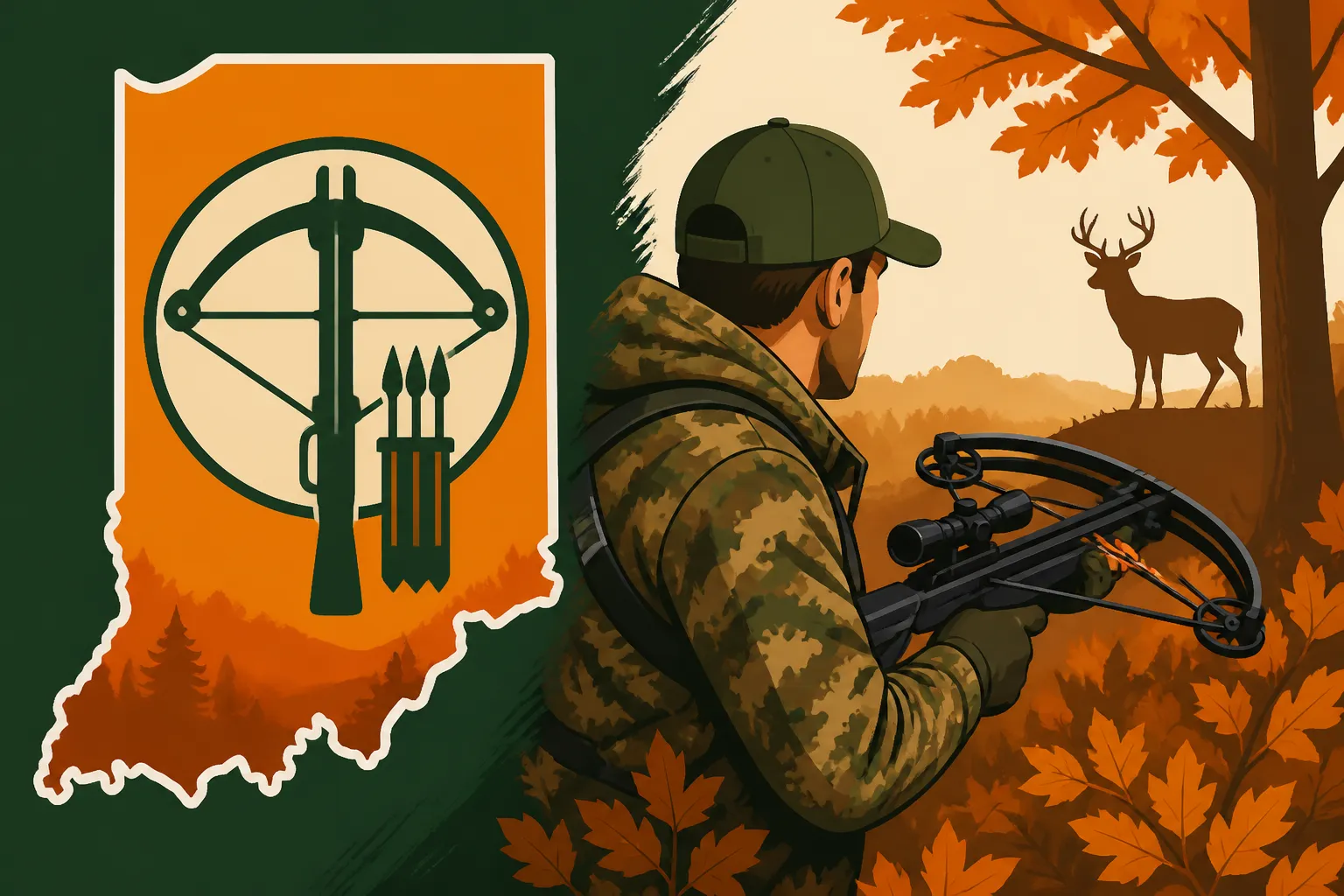
However, times have changed. As of 2012, Indiana officially opened the entire deer archery season to crossbows for all hunters, regardless of age or physical ability. This was a significant shift, recognizing the crossbow as a legitimate and effective archery tool. This means that if you're planning to hunt deer with a crossbow, you are welcome to do so from the opening day of archery season, typically October 1st, all the way through to the late season close in early January. This aligns perfectly with the extended opportunities offered during How Indiana's Archery Season Runs Into January. This legislative update aimed to simplify the rules and welcome a broader range of participants into the sport, acknowledging that a crossbow can provide a safe and effective entry point for new hunters or a comfortable option for those who might struggle with a traditional vertical bow. So, if you've heard old tales about crossbows being illegal or restricted, know that those days are largely behind us for deer hunting in Indiana.
Specific Equipment Requirements and Limitations
While crossbows are now broadly legal for the archery season, that doesn't mean it's a free-for-all. The Indiana DNR still maintains specific requirements for the equipment itself to ensure fair chase and safety. It's not just any crossbow that makes the cut; there are minimum standards to adhere to.
Firstly, a crossbow must have a minimum draw weight of 125 pounds. This isn't just an arbitrary number; it's set to ensure sufficient kinetic energy for a clean, ethical harvest of white-tailed deer. While many modern crossbows far exceed this minimum, it’s a good benchmark to keep in mind, especially if you’re looking at older models or less powerful youth options. Secondly, the crossbow must be equipped with a working safety mechanism that prevents accidental discharge. This is a non-negotiable safety feature, crucial for both the hunter and anyone nearby. Beyond these, the rules also specify that the crossbow must have a stock and be designed to be held and fired with two hands. This differentiates it from pistol-grip bows or other handheld devices. While there are generally no specific restrictions on scope magnification or illuminated reticles for crossbows during deer season, it’s always wise to check the latest regulations for any changes, especially concerning electronics that might assist in aiming. Using a reputable mapping and scouting tool like GoHunt can help you visualize your hunting area and plan your shots within ethical ranges, regardless of your equipment.
Distinguishing Archery from Firearms Seasons for Crossbow Users
This is where some of the historical confusion still lingers, and it's vital to understand the distinction. Even though a crossbow might look like a firearm to the untrained eye, for regulatory purposes in Indiana, it is firmly categorized as an archery device during the deer archery season. This means you must adhere to all archery season rules when hunting with a crossbow, including bag limits, antlerless regulations, and licensing.
The critical point of confusion arises during the actual firearms season. During Indiana's primary deer firearms season, which typically runs through mid-November, crossbows are not a legal primary hunting weapon for general use. The firearms season explicitly permits rifles (with the new statewide rules), shotguns, handguns, and muzzleloaders. If you possess a valid disability permit, however, you may be authorized to use a crossbow during the firearms season as well. This is a very specific exception, not a general rule. Therefore, it's imperative to always carry your license and any special permits, and to be absolutely sure which season you are participating in. The Indiana Firearms Season Dates are clearly defined, and operating a crossbow during this period without the necessary disability exemption would be a serious violation. So, in essence, think of your crossbow as a bow, not a gun, when it comes to season classification, unless you have specific, documented exemptions.
Practical Considerations for Hunting with a Crossbow in Indiana
Embracing a crossbow for your Indiana deer hunt brings its own set of advantages and challenges. It’s not simply a matter of picking one up and heading afield; thoughtful preparation and an understanding of its unique characteristics will greatly enhance your success and overall hunting experience.
Advantages and Disadvantages of Crossbow Hunting
Like any hunting tool, crossbows come with their own unique set of pros and cons that can significantly impact your time in the woods. Understanding these can help you decide if a crossbow is the right fit for your hunting style and goals.
On the positive side, crossbows offer a relatively easy entry into archery hunting for many individuals. The learning curve is generally much shorter than with a vertical compound or traditional bow, as they require less physical strength to hold at full draw and offer excellent accuracy from a rested position. This makes them a fantastic option for new hunters, youth, or those with physical limitations who still want to experience the thrill of archery hunting. A crossbow allows for a more stable aiming platform, often leading to tighter groups on the target range and greater confidence in the field. They are also incredibly versatile in a treestand or ground blind, allowing a hunter to remain still for extended periods, waiting for the perfect shot. This stillness is often a huge advantage, especially when a wary Hoosier buck is slowly working its way through the timber.
However, crossbows aren't without their drawbacks. They can be heavier and bulkier than traditional bows, making them less agile for still-hunting or navigating dense thickets. The cocking process, while often assisted by mechanical devices, can be time-consuming and noisy, meaning you typically only get one shot opportunity per encounter. Unlike a vertical bow, which can be quietly drawn back as the animal approaches, a crossbow needs to be pre-cocked, ready for action. The string and limb configurations can also be a bit more fragile in brush than a sturdy rifle or even a compound bow. Furthermore, some traditionalists still view crossbows with a skeptical eye, though this sentiment is gradually fading as more hunters adopt them. Considering these factors is important when planning your hunt, especially if you're exploring Portable Stands for Public Land Mobility where weight and size are critical.
Ethical Shot Placement and Range Limitations
Accuracy is a hallmark of crossbows, but pinpoint accuracy on the target range doesn't automatically translate to ethical shots at extended distances in the field. It’s crucial to understand and respect the true limitations of your equipment and your own abilities when hunting deer in Indiana.
While a modern crossbow can send a bolt downrange with impressive speed and flatness, the effective killing range for deer is still relatively short compared to a rifle. For most hunters, keeping shots within 40-50 yards is a realistic and ethical maximum. Beyond this, factors like bolt trajectory, wind drift, and even a deer's reaction time to the sound of the shot can drastically reduce the chances of a clean, humane kill. Practice is paramount. You should spend considerable time shooting from your typical hunting positions – whether from a treestand, a ground blind, or even while kneeling – to truly understand your effective range. Broadhead selection is also critical. Ensure your broadheads are razor-sharp and matched to your bolt and crossbow for optimal flight and penetration. Aiming for the vital lung/heart area is always the goal, and a crossbow's stability can help achieve this, but only within reason. Don't let the perceived "ease" of a crossbow tempt you into taking shots you wouldn't with a traditional bow. Always prioritize a clean kill over a long shot, especially when hunting the rugged terrain of Southern Indiana Hill Country.
Choosing the Right Crossbow and Accessories
The market for crossbows has exploded in recent years, offering a dizzying array of options. Selecting the right one for your Indiana hunting adventures requires a bit of research and consideration of your personal needs.
Modern crossbows generally fall into a few categories: recurve, compound, and reverse-draw. Recurve crossbows are simpler in design, often more durable, and easier to maintain, but can be wider and slower. Compound crossbows, much like their vertical bow counterparts, use a cam system to generate more speed and power in a narrower package, though they are more complex mechanically. Reverse-draw crossbows push the limbs forward, moving the center of gravity and often resulting in a more compact and balanced feel. When choosing, consider the overall weight and balance. A heavy, front-heavy crossbow can be cumbersome on long walks through the woods or during extended waits in a stand. Speed is often marketed heavily, but consistency, quietness, and ease of cocking are arguably more important for practical hunting. Look for features like anti-dry fire mechanisms and integrated cocking devices that make loading safer and easier. As for accessories, a quality scope designed for crossbow velocities is a must, providing clear optics and reliable aiming points. High-quality carbon bolts, matched to your crossbow's specifications, will offer the best accuracy. Don't skimp on a good broadhead, as this is the only part of your setup that actually touches the deer. Many hunters find resources like GoHunt incredibly useful for comparing different models and reading reviews before making a significant investment. Remember, your gear needs to be reliable for a successful hunt. For a deeper dive, check out our guide on Crossbow Equipment Requirements.
Common Misconceptions and Best Practices for Crossbow Hunting
Despite their widespread legality, some lingering myths and overlooked best practices can hinder a crossbow hunter's success and enjoyment. By debunking common misunderstandings and adopting smart strategies, you can make the most of your time chasing Indiana whitetails.
Dispelling Myths About Crossbow Use
The relatively recent widespread adoption of crossbows for all hunters in Indiana means some outdated information and misconceptions still circulate. Let's tackle a few of these head-on.
One prevalent myth is that crossbows are only for disabled hunters or senior citizens. While crossbows certainly offer an excellent option for individuals with physical limitations, Indiana law explicitly states that they are legal for all licensed hunters during the entire archery season. There's no special permit needed, no age restriction (beyond general hunting license requirements), and no physical disability qualification required to use one. Another common misconception is that crossbows are somehow "cheating" or "too easy" compared to vertical bows. This attitude often stems from a misunderstanding of their practical limitations in the field. While they are easier to master for accuracy, successful crossbow hunting still demands meticulous scouting, scent control, shot placement discipline, and patience – all the same challenges faced by any archery hunter. They don't magically make a deer easier to hunt; they simply offer a different tool to pursue the same challenge. Finally, some believe that crossbows have a shorter season than traditional bows. This is incorrect. As detailed earlier, crossbows are legal for the full duration of the Indiana Archery Season Dates, from October into January, offering ample opportunity.
Scouting and Stand Setup for Crossbow Hunters
Just like with any form of archery, success with a crossbow hinges on meticulous scouting and thoughtful stand placement. The stable platform a crossbow offers might make long shots seem tempting, but the most ethical and successful kills happen up close.
When scouting, focus on finding natural funnels, pinch points, and primary food sources where deer movement is predictable and concentrated. Tools like the GoHunt app or other mapping software are invaluable for identifying these areas, especially on public land where deer might be pressured. Pay close attention to subtle signs like fresh rubs, scrapes, and active trails. Since your ethical shot range is likely within 40 yards, you need to set up your stand or blind where you can intercept deer at close quarters. Consider prevailing wind directions, sun position, and your entry and exit routes to minimize disturbance. Whether you're hanging a portable treestand or brushing in a ground blind, ensure you have clear shooting lanes within your effective range. For those hunting the rugged terrain of the Hoosier National Forest, understanding how to utilize a Treestand Setups in Hoosier National Forest is crucial, as the steep topography often dictates deer movement patterns. If you prefer to stay on the ground, learning to effectively utilize Using a Ground Blind on Indiana Public Land can also be a game-changer, offering concealment and comfort in key ambush locations. Remember, a crossbow's stable aim doesn't negate the need for a well-planned setup.
Maintenance and Safety Tips
Owning a crossbow comes with the responsibility of proper maintenance and strict adherence to safety protocols. A well-maintained crossbow is a safe and reliable hunting tool.
Regular maintenance should include inspecting your crossbow's string and cables for fraying or wear. These components are under immense tension, and damage can lead to catastrophic failure. Waxing your string regularly, as recommended by the manufacturer, will prolong its life. Always check bolts for damage, especially after a shot, as bent or cracked bolts can be dangerous. Inspect your broadheads to ensure they are sharp and properly installed. For safety, always engage the safety mechanism after cocking your crossbow. Never dry-fire a crossbow; this can severely damage the limbs and void your warranty. When loading, ensure your fingers and thumb are clear of the string path. Most importantly, always treat your crossbow as if it were loaded, keep the muzzle pointed in a safe direction, and be absolutely sure of your target and what's beyond it before taking a shot. Transport your crossbow uncocked and uncased (or in a soft case) when traveling in a vehicle, and only cock it once you are in your hunting location. Decocking a crossbow at the end of a hunt or if you don't take a shot is also crucial. Never leave it cocked for extended periods, as this can weaken the limbs and string. Many modern crossbows have decocking mechanisms or allow you to shoot a specialized decocking bolt safely into the ground.
Here's a quick summary of key crossbow rules in Indiana:
| Feature | Indiana Crossbow Rule (Archery Season) |
|---|---|
| Legal Status | Legal for all licensed hunters during the entire archery deer season. |
| Draw Weight | Minimum 125 pounds. |
| Safety | Must be equipped with a working safety mechanism. |
| Design | Must have a stock and be designed to be held and fired with two hands. |
| Scope Limits | No specific magnification or illuminated reticle restrictions for deer hunting. |
| Season Use | Permitted during Archery Season. Not generally permitted during Firearms Season (unless disability permit). |
| Broadheads | Must be at least 7/8 inch wide; no barbed or poisoned broadheads. |
Disclaimer
The information provided in this guide is intended for educational purposes only and is based on general knowledge of Indiana hunting regulations. Hunting laws and regulations are subject to change. It is the responsibility of every hunter to consult the most current Indiana Hunting & Trapping Guide published by the Indiana Department of Natural Resources (DNR) or visit their official website before participating in any hunting activity. Failure to do so may result in legal penalties.