Hunting a Deer Reduction Zone
It’s a unique challenge, isn’t it? You’re out there, trying to enjoy the hunt, but you’re also contending with the very real problem of localized deer overpopulation that impacts gardens, vehicle safety, and even agricultural yields. Regular deer tags often don't cut it when you're focused on managing herd numbers in specific areas, especially in places where urban sprawl meets wild spaces. This guide is dedicated to untangling the complexities of hunting Indiana's deer reduction zones, offering clear insights into their purpose, regulations, and the most effective strategies to make your efforts count.
Understanding Indiana's Deer Reduction Zones
Deer reduction zones in Indiana represent a targeted approach to managing deer populations in specific areas where traditional hunting seasons might not be enough to control numbers effectively. It’s a recognition that not all parts of the state have the same deer density issues, and sometimes, more aggressive, extended hunting opportunities are needed. For many of us, navigating these special zones can feel like a whole new ballgame compared to our usual trips to the deep woods.
What Are Reduction Zones and Why Do They Exist?
The Indiana Department of Natural Resources (DNR) establishes these reduction zones with a clear goal: to mitigate localized overpopulation of white-tailed deer. You see it firsthand, right? Deer browsing on suburban landscaping, increased deer-vehicle collisions on commuter roads, and significant crop damage in agricultural areas bordering towns. These aren't just minor inconveniences; they're genuine problems that impact communities and livelihoods. The DNR creates reduction zones to provide additional opportunities for hunters to harvest antlerless deer, thereby bringing the local herd into a healthier balance with its habitat and human neighbors. It's a pragmatic solution to a very real ecological and social issue, giving hunters a chance to be part of the solution in areas that truly need it.
When you're dealing with deer in urban or suburban settings, the typical pressures of a standard hunting season—which often focuses on larger tracts of rural land—just don't apply in the same way. Deer in these areas often have fewer natural predators, abundant food sources, and less widespread hunting pressure, leading to localized population explosions. That's why the DNR steps in, designating these zones to encourage greater antlerless harvest. It’s about more than just filling your freezer; it's about active wildlife management, directly addressing the impact deer can have when their numbers get out of control in specific pockets of the state. These zones offer a unique opportunity to contribute directly to the health of the deer herd and the well-being of the communities around them.
Key Differences from Regular Deer Seasons
The most immediate difference you'll notice with reduction zones is the extended season length and the emphasis on antlerless harvest. Unlike the statewide archery or firearms seasons, which have set opening and closing dates, reduction zones typically offer a much longer period to hunt, often beginning earlier and extending later into the year. This extended window provides more flexibility for hunters to get out and participate, acknowledging that access and time might be more limited in these often-populated areas. This extended period is crucial for achieving the DNR's population goals, allowing hunters more opportunities to harvest deer.
Another significant distinction is the bag limit and the type of deer you're encouraged to take. While a standard deer license might allow you to take one antlered deer and an antlerless deer, reduction zone tags are almost exclusively for antlerless deer. The goal is to reduce the breeding female population, which is the most effective way to manage overall herd growth. You might be able to purchase multiple bonus antlerless tags specifically for use within these zones, above and beyond your regular statewide tags. It can be confusing trying to keep track of varying dates and tag limits, but understanding this core focus on antlerless harvest is key to navigating the regulations successfully and making the most of your time afield. Remember, the intent here isn't trophy hunting; it's management.
| Feature | Regular Deer Seasons (General) | Deer Reduction Zones (Specific) |
|---|---|---|
| Season Length | Standard, defined statewide archery, firearms, muzzleloader windows. | Extended, often starts earlier and runs later than general seasons. |
| Bag Limit Focus | Typically one antlered deer and specific antlerless limits per license type. | Primarily focused on antlerless deer harvest. Multiple bonus antlerless tags often available. |
| Primary Goal | Recreational hunting, general herd management, buck harvest. | Localized population control, reduction of deer-human conflicts (DVCs, crop damage). |
| Geographic Scope | Statewide, with some regional variations. | Specific counties, townships, or even smaller municipal areas. |
| Pressure | Varies widely from low to high depending on public/private land. | Often higher human presence; deer can be more wary of human activity. |
| Permit Requirements | Standard resident/non-resident licenses, deer tags. | May require specific "reduction zone" permits or allow bonus tags for antlerless deer in these areas. |
Navigating Regulations and Permits
The regulations surrounding deer reduction zones can be a bit of a maze, especially if you're used to the simpler, statewide rules. It’s easy to feel overwhelmed by the extra steps and specific requirements. But understanding how to obtain your tags and what the season dates truly entail is paramount to a successful and legal hunt.
Obtaining Your Reduction Zone Tags
Getting your hands on the right tags for a reduction zone is the first crucial step. You can't just use any old tag; these zones often require specific bonus antlerless tags or have special provisions for using your regular antlerless tags. These tags are typically purchased in addition to your basic hunting license and any statewide deer tags you might acquire. The process usually happens through the Indiana DNR’s online licensing system, or sometimes in person at an authorized vendor. It's really important to double-check which types of tags are valid for the specific reduction zone you plan to hunt, as they can vary. Sometimes, special managed hunts within designated areas, like specific state parks or municipal lands, might have their own application processes and draw periods, which are distinct from the general reduction zone opportunities.
To make things a bit easier, it’s always a good idea to check the Indiana DNR website directly. They'll have the most up-to-date information on what's available and when. Many hunters find tools like GoHunt invaluable for keeping track of these nuances. You can often use their resources to pinpoint not only where reduction zones are located but also to understand the specific permit requirements for each. They can help you visualize the different zones and overlay them with property boundaries, which is incredibly helpful when you're looking for that perfect spot. Remember, these bonus antlerless tags are typically a great value, allowing you to contribute significantly to herd management without breaking the bank on additional permits.
Season Dates and Bag Limits in Reduction Zones
The season dates for reduction zones are generally more generous than the regular statewide seasons, designed to provide ample opportunity for hunters to harvest deer. Often, these zones will open for archery hunting earlier in the fall, sometimes even before the statewide archery season, and extend well past the typical January close for other archery opportunities. For example, some reduction zones allow continuous hunting from mid-September right through the end of January. This extended timeframe is a huge advantage, allowing hunters to capitalize on different phases of deer behavior, from early season patterns to the late-season push for food.
The bag limits are also specifically tailored to promote maximum antlerless harvest. While statewide, you might be limited to just one antlerless deer per specific license type, reduction zones often allow you to harvest multiple antlerless deer using designated bonus tags. This is where you can truly make a difference in managing the local herd. It’s crucial to understand these specifics for the zone you're targeting, as exceeding bag limits can lead to serious legal trouble. Always consult the current Indiana Hunting & Trapping Guide for the exact dates and limits applicable to your chosen county or specific reduction zone. Being well-informed is your best defense against inadvertently violating any regulations and helps ensure your efforts contribute positively to the DNR's goals.
Scouting and Strategy for Reduction Zones
Hunting in a reduction zone presents a unique set of challenges compared to sprawling public lands or large private tracts. You're often dealing with smaller patches of cover, closer proximity to human activity, and deer that are incredibly adept at living alongside us. This means your traditional scouting and hunting strategies might need a serious overhaul.
Adapting Scouting to Urban and Suburban Environments
Scouting in reduction zones isn't about covering miles of timber or finding remote bedding areas. Instead, it's about finding the small, overlooked pockets of cover and understanding how deer move through them in relation to human activity. Deer in these areas often use linear features like creek bottoms, drainage ditches, fencerows, and powerline cuts as travel corridors. They're masters of concealment, often bedding down in surprisingly thick, small patches of woods right next to subdivisions or busy roads. You'll want to focus on these transitional areas, looking for trails leading from dense cover to suburban gardens, agricultural fields, or even golf courses at night.
Using aerial photography and mapping tools is absolutely critical here. Services like GoHunt allow you to virtually scout these areas, identifying potential bedding thickets, subtle funnels, and natural barriers that can concentrate deer movement. You can spend hours poring over maps, looking for those hidden green spaces or unkempt woodlots that might hold deer. Pay close attention to how deer might move between different parcels, often crossing smaller properties or using the edges of housing developments. You can gain significant insight by doing your homework from home first, then walking the ground to confirm. Remember, deer here are pressured, so understanding their escape routes and how they use these smaller, fragmented habitats is paramount. When you’re trying to understand how deer move in these unique landscapes, it really helps to apply principles you might use for something like Hunting Northern Indiana Farmland Deer or even reading more broadly about Reading Aerial Photos for Southern Indiana Deer and adapting them to the closer quarters of reduction zones.
Effective Hunting Tactics for High-Pressure Areas
Given the often high human presence and fragmented habitat in reduction zones, your hunting tactics need to be subtle, low-impact, and incredibly stealthy. Deer in these areas are highly educated and will quickly adapt to perceived threats. This means avoiding traditional stand locations that are easily visible and focusing on quiet entry and exit routes. You want to get in and out without being detected by deer or alarming residents. Hunting during non-peak hours, such as weekdays or during inclement weather, can also give you an advantage, as there will be less human activity overall.
Ground blinds can be incredibly effective in these settings, especially if they are well brushed in and positioned strategically. They allow for discreet movement and can often be placed in areas where a tree stand might be too conspicuous or simply unavailable. For a good read on how to best use these, check out Using a Ground Blind on Indiana Public Land. Small, highly portable tree stands or even saddle hunting setups can also be an excellent choice if you find suitable trees, allowing you to minimize your footprint and adapt to different scenarios. The key is to think like a stealthy predator, focusing on ambush points along known travel corridors between bedding areas and food sources. Don't be afraid to try different setups until you find what works best for the specific spot you're hunting. The deer are there, you just have to outsmart their caution.
Gear and Equipment Considerations
When you're heading into a deer reduction zone, the gear you choose can make a big difference. It's not just about what's legal, but what's practical and considerate of the unique environment you'll be hunting in. Close quarters, potentially wary neighbors, and sometimes shorter shooting distances mean a thoughtful approach to your kit.
Firearm and Archery Choices
For archery season in reduction zones, traditional bows, compound bows, and crossbows are all generally legal, following statewide regulations. However, always double-check local ordinances in specific municipalities, as some may have archery-only rules or other restrictions. Crossbows, in particular, have become incredibly popular due to their ease of use and accuracy, making them a great option for hunters who might be limited by space or physical ability. For a deeper dive into their use, you might find information on Crossbow Rules During Indiana Archery Season helpful. When it comes to firearms, the landscape has changed significantly in Indiana. With the recent statewide legalization of rifles for deer hunting, your options have really opened up. You’re no longer limited to straight-wall cartridges, though many hunters still prefer them for deer. This means calibers like the .30-06, .270, and even the increasingly popular 6.5 Creedmoor are fair game.
While the new statewide rifle rules mean you have more choices, it’s still wise to consider the specific context of a reduction zone. You might be shooting at closer ranges, and over-penetration in more populated areas is always a concern. For this reason, many hunters still opt for traditional straight-wall cartridges or even shotguns with slugs, especially if hunting near residential areas. The key is selecting a firearm and ammunition that provides sufficient power for an ethical kill but minimizes risk to surrounding properties. Understanding Indiana's New Statewide Rifle Rules and exploring guides like Choosing a Rifle Now That Cartridge Limits Are Gone can help you make an informed decision that balances effectiveness with safety and responsibility in these unique hunting environments.
Essential Gear for Urban/Suburban Hunting
Beyond your weapon, several other pieces of gear become particularly important in reduction zones. Stealth and scent control are paramount. Deer in these areas are hyper-aware of human presence, so investing in good quality scent control clothing and sprays can give you an edge. Think layers that allow for quiet movement and blend into the environment effectively. A lightweight, portable treestand or a comfortable ground blind setup is also critical, allowing you to adapt to smaller, fragmented cover. You might not have the luxury of picking a perfect, large tree, so versatility is key.
Furthermore, given the extended season often stretching into warmer early fall days, proper meat care gear is non-negotiable. A reliable cooler and quality game bags are essential to quickly cool and protect your harvest, especially if you're not immediately heading home to process it. For those early season hunts, proper preparation is critical, so insights on Coolers and Game Bags for Early Archery can be incredibly valuable. Don't forget a good headlamp for those early morning walks in or late evening walks out, and a small, well-stocked first-aid kit. You're often still in a wild environment, even if it's close to civilization, and it's always better to be prepared.
Ethical Considerations and Community Relations
Hunting in a deer reduction zone isn't just about the hunt itself; it’s about being a responsible ambassador for hunting. Because these zones are often in or near populated areas, public perception is incredibly important. Your actions directly reflect on the entire hunting community, so practicing impeccable ethics and fostering positive community relations is paramount.
Respecting Property and Local Ordinances
The absolute cornerstone of hunting in a reduction zone is obtaining and honoring permission. You simply cannot hunt on private land without explicit permission from the landowner. In these areas, where land parcels can be small and numerous, this often means knocking on more doors than you might be used to in rural settings. Always carry written permission if possible, and be ready to produce it if asked. Remember, even if you have permission for one parcel, you cannot retrieve a downed animal from an adjacent property without their consent. Indiana’s trespass laws are clear, and ignorance is no excuse.
Beyond property access, you must be acutely aware of local ordinances. Many municipalities have specific rules regarding firearm discharge setbacks from residences, road hunting prohibitions, and even specific times when hunting is permitted. Always verify these rules for your specific hunting location. Blaze orange requirements during firearms seasons still apply, so make sure you're highly visible for safety. Noise discipline is also critical; minimize loud calls or unnecessary commotion. Being a polite, respectful hunter who prioritizes safety and community well-being goes a long way in securing future hunting opportunities in these sensitive areas.
Managing the Harvest and Carcass Disposal
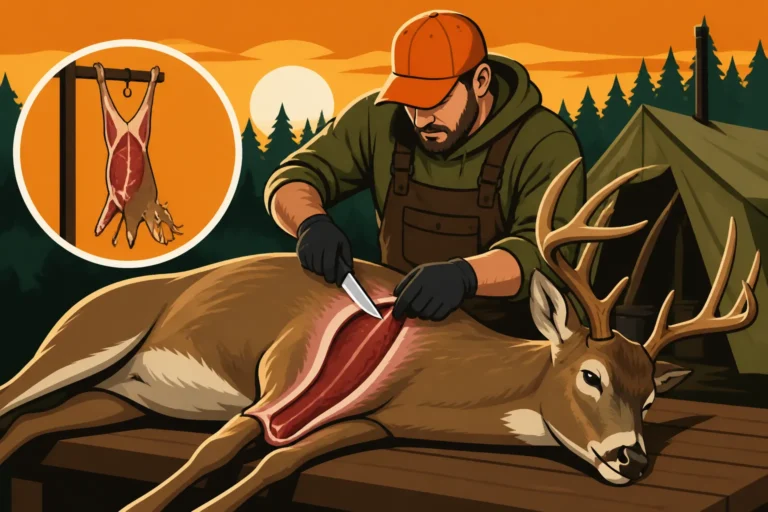
Successfully harvesting a deer in a reduction zone comes with the responsibility of ethical carcass management. After ensuring your deer is properly tagged and reported – easily done through Registering an Indiana Deer Online or via the Indiana DNR app – you need a plan for its removal and disposal. Dragging a field-dressed deer through a suburban neighborhood might not be the most appropriate approach. Consider having a tarp or game cart to discreetly transport the animal, especially if you're crossing any public view. Many hunters opt to quarter the deer in the field to make transport easier and more discreet.
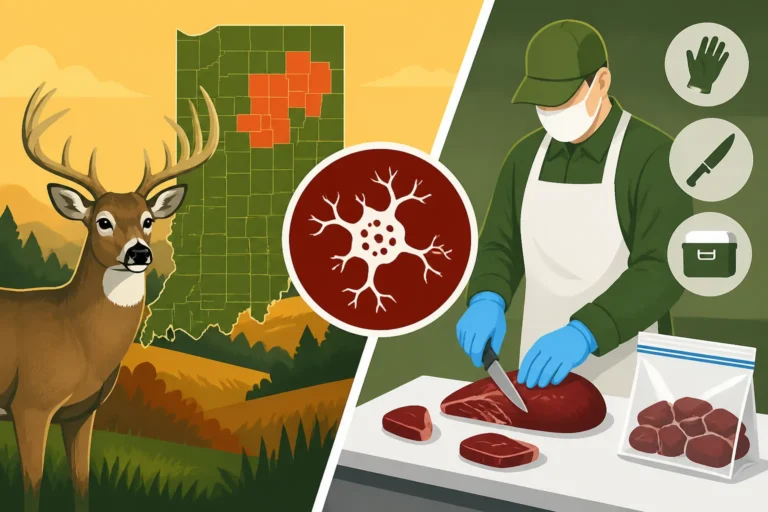
Additionally, be mindful of Chronic Wasting Disease (CWD). Indiana has a Chronic Wasting Disease Positive Area in specific counties, and if you harvest a deer in one of these zones, special carcass movement restrictions and testing requirements may apply. Always check the latest DNR guidelines for CWD. Proper disposal of carcasses is also important. Never leave entrails or other remains in visible or easily accessible areas where they could cause concern or attract scavengers near residences. If you’re processing at home, ensure all unused parts are disposed of properly, often through municipal waste services or by burying them deeply on private land with permission. Being considerate in every step of the process reinforces a positive image of hunters in the community.
Disclaimer
Please note that hunting regulations, season dates, and specific requirements can change. While every effort has been made to provide accurate and up-to-date information, it is the hunter's responsibility to consult the most current Indiana Hunting & Trapping Guide published by the Indiana Department of Natural Resources (DNR) before participating in any hunting activity. Always prioritize safety, ethical hunting practices, and compliance with all state and local laws.