Handling Venison From a CWD Positive Area
Finding out you've harvested a deer in an area affected by Chronic Wasting Disease (CWD) can be a real gut punch. It brings up a lot of questions and a natural sense of worry about the venison you’ve worked so hard for. No one wants to risk anything when it comes to the food they put on their family’s table. This guide aims to clear up the confusion, lay out the specific steps you need to take if you hunt in an Indiana CWD positive area, and help you handle your venison safely and responsibly.
Understanding Chronic Wasting Disease and Its Implications for Hunters
Chronic Wasting Disease (CWD) is a neurological disease that affects cervids, which include deer, elk, and moose. It's caused by abnormal proteins called prions, and it's always fatal for the animals that contract it. For us hunters, the concern isn't just for the health of the herd, but also about the potential for transmission, specifically to humans. While there haven't been any documented cases of CWD transmitting to humans, the scientific community strongly advises against consuming meat from CWD-positive animals. It's better to be safe than sorry, especially when dealing with something that affects the brain and spinal cord.
The insidious nature of CWD is that it can take a long time for an infected animal to show symptoms. A deer can appear perfectly healthy and robust, yet still be carrying the prions. This means that visual inspection alone isn't enough to determine if an animal is infected. This reality puts the onus on hunters to understand the risk areas and follow proper testing and handling protocols, especially as the disease slowly but surely creeps into new regions. It’s a frustrating reality for anyone dedicated to ethical hunting and responsible game management.
Beyond the human health aspect, CWD is devastating for deer populations. It’s a slow killer, but it spreads persistently, leading to declines in herd health and density over time. The prions are incredibly resilient and can persist in the environment for years, making it incredibly difficult to eradicate once it takes hold. This is why strict regulations and hunter cooperation are absolutely critical in slowing its spread and protecting Indiana’s cherished deer resource for future generations.
Navigating Indiana's CWD Positive Area and Regulations
Indiana has had its share of CWD concerns, with confirmed cases leading to the establishment of specific CWD positive areas. Currently, the Indiana Department of Natural Resources (DNR) identifies several counties as CWD positive, where specific regulations apply. These aren't just suggestions; they are mandatory steps designed to monitor and manage the disease. For instance, you should be aware of Indiana's Chronic Wasting Disease Positive Area as a whole, but also understand that specific counties within that area might have additional requirements.
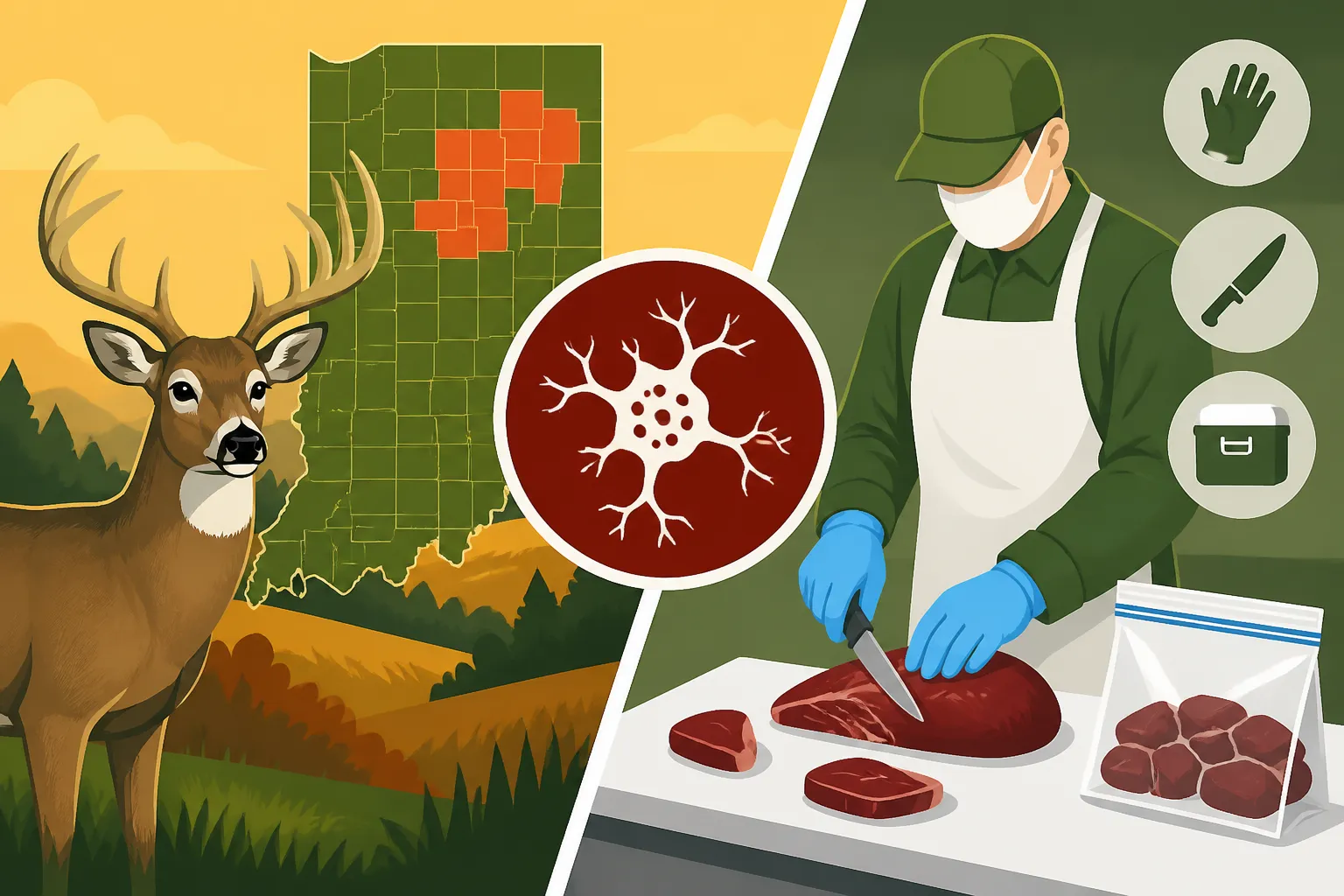
The CWD positive zone is primarily located in northeastern Indiana. Hunters harvesting deer in LaGrange, Steuben, Noble, DeKalb, Franklin, and Rush counties need to pay extra attention to the regulations. If you hunt in this region, it's highly recommended to consult resources like Which Six Counties Sit in Indiana's CWD Positive Area for the most current information, as boundaries and specific protocols can change. Using mapping tools like GoHunt, which can layer DNR data, can be incredibly helpful for confirming whether your hunting location falls within a CWD-positive zone. This foresight can save you a lot of headache and potentially contaminated venison down the line.
The most critical regulation in a CWD positive area is mandatory CWD testing. If you harvest a deer within one of these designated counties, you are required to submit its head for testing. The Indiana DNR has established various sampling locations to make this process as convenient as possible. You can find up-to-date lists of these locations, which might include self-service kiosks, check stations, or authorized processors, by searching for Finding an Indiana CWD Sampling Location. Remember, compliance with these rules is not just about avoiding penalties; it's a vital part of protecting our state's deer herd and ensuring the safety of our venison. Don't skip this step!
Proper Processing of a Deer from a CWD Positive Area
Once you’ve harvested a deer in a CWD positive area, the immediate concern shifts to careful processing to minimize risk and comply with regulations. The first step, even before field dressing, is to mentally prepare for the possibility that your deer might test positive and that you may not be able to consume the meat. This mindset helps ensure you follow every precaution, rather than rushing through.
Field Dressing and Carcass Movement Restrictions
Field dressing a deer harvested in a CWD zone requires extra care. While it’s always good practice to wear gloves, it’s even more critical here to minimize contact with blood and nervous system tissue. Avoid cutting into the brain or spinal cord. If possible, remove only the entrails in the field, and leave the brain, spinal column, eyes, tonsils, and lymph nodes intact for testing. These specific tissues are what DNR personnel will use for analysis. For more general guidance on the process, you might revisit tips on Field Dressing a Deer in Cold Weather.
A major consideration for hunters in CWD positive areas is Indiana Carcass Movement Restrictions. You cannot take an entire deer carcass out of a CWD positive county into a non-CWD county without specific processing. Typically, only deboned meat, antlers (without skull plate if brain matter is attached), capes (without skull), and cleaned skull plates are allowed to cross county lines. This regulation is put in place to prevent the spread of CWD prions via infected carcass parts. It means you either need to process the deer completely within the CWD positive county or take it to a certified processor within that same county.
Getting Your Deer Tested and Waiting for Results
After field dressing, the next, and arguably most important, step is submitting your deer's head for CWD testing. The Indiana DNR offers Free CWD Testing for Your Deer within the positive areas, which removes any financial barrier to doing the right thing. You'll deliver the head, usually with at least 4-6 inches of neck, to one of the designated sampling sites. Make sure to have your deer confirmation number ready, as this is essential for tracking your sample. Many locations have self-service kiosks where you can follow prompts to submit the necessary information and deposit the head. GoHunt might also provide updated locations or regulations directly through their platform, which can be useful when you're out in the field.
Once your sample is submitted, it's a waiting game. The DNR labs process a large volume of samples, and results can take several weeks, especially during peak hunting season. During this waiting period, it's crucial to store your venison properly. Ideally, if you're processing it yourself, deboning the meat and freezing it in smaller portions is best. If you're using a commercial processor, they should be aware of CWD protocols and store the meat securely while awaiting results. Hunters should be prepared for the possibility that if the deer tests positive, the meat will need to be disposed of. This is a tough pill to swallow, but it’s a necessary step for public health and herd protection. Keep track of your deer through the Indiana DNR's online harvest reporting system and be proactive in checking for your results.
Safe Handling, Storage, and Consumption of Venison After Testing
Even if your deer tests negative for CWD, or if you harvest a deer outside of a CWD zone, proper handling, storage, and consumption practices are paramount for ensuring safe and delicious venison. The principles of good food hygiene apply even more stringently when dealing with wild game.
Best Practices for Processing and Butchering
Whether you process your deer yourself or take it to a professional, cleanliness is key. For those who choose to do it themselves, having a clean workspace, sharp knives, and plenty of clean cloths or paper towels is essential. When you're breaking down the carcass, minimize contact with nervous system tissues, such as the brain, spinal cord, eyes, spleen, and lymph nodes, even in a CWD-negative deer. While the risk of CWD transmission to humans is not confirmed, avoiding these tissues is a widely recommended precaution. If you're looking for guidance on home processing, a guide like Butchering a Deer at Camp can provide some excellent practical advice.
Always use separate cutting boards and utensils for venison than you do for other household foods, or ensure thorough sanitization after use. After handling raw venison, wash your hands thoroughly with soap and warm water. For gear, especially anything that came into contact with nervous tissue, clean it meticulously. This includes knives, saws, cutting surfaces, and even your hunting clothes. A good set of Meat Care Gear for Indiana Hunters can make this process much smoother and safer.
Storage and Cooking Recommendations
Once your venison is processed, proper storage is crucial for maintaining quality and safety. Vacuum sealing and freezing are generally the best methods for long-term storage. This minimizes freezer burn and keeps the meat fresh for months. Make sure to label packages with the date and type of cut so you know what you’re pulling out of the freezer. For early archery season hunts, when temperatures can still be warm, having the right Coolers and Game Bags for Early Archery is essential to get your meat cooled down quickly after the harvest.
When it comes to cooking venison, ensure it reaches an internal temperature of at least 160°F (71°C) to kill any potential bacteria or parasites. While CWD prions are not eliminated by cooking, proper temperature ensures general food safety. Venison is lean, so it cooks quickly. Avoid overcooking, which can make it tough and dry. Slow cooking methods, marinades, or adding some fat (like bacon) can help keep it moist and tender. Enjoying the fruits of your labor responsibly is the ultimate goal, and taking these precautions helps ensure peace of mind with every bite.
Responsible Disposal of Carcass Waste
Finally, responsible disposal of carcass waste, particularly from a CWD positive area, is a critical step in preventing the spread of the disease. Do not leave heads, bones, or other carcass parts in the woods or dispose of them in regular household trash where they could end up in a landfill accessible to other wildlife. If your deer tests positive for CWD, the DNR will provide specific instructions for disposal, which typically involves deep burial or incineration. Always follow these directives without exception.
If your deer tests negative, and you've processed it yourself, the best method for disposing of remaining bones and trimmings is to double-bag them and dispose of them in a landfill. Some counties may have specific rendering facilities or designated drop-off points for deer carcasses. Check with your local DNR or waste management facility for the most appropriate method in your area. This diligent approach ensures that even after the hunt and processing are complete, you're doing your part to protect Indiana's deer and hunting heritage. You can always refer to the Reporting a Deer Through Indiana's App for any further questions on post-harvest steps as well.
Disclaimer
The information provided in this guide is for general informational purposes only and does not constitute legal or professional advice. Hunting regulations and CWD management protocols are subject to change. Always consult the most current Indiana Department of Natural Resources (DNR) regulations and guidelines before hunting or processing game.