Jump-Shooting an Indiana Creek
There's a special kind of frustration that comes with waterfowl hunting. You spend hours setting out a massive decoy spread on a big marsh, battling the cold, only to have ducks buzz a neighboring field or land in a hidden slough you never even saw. But what if I told you there’s a whole different, often overlooked world of duck hunting right here in Indiana, one that doesn't require a boatload of decoys or a huge budget? That's what jump-shooting Indiana creeks is all about – a dynamic, stealthy method for getting close to unpressured ducks that are simply trying to find a quiet place to feed and rest. This guide will walk you through everything you need to know to find success jump-shooting our state's winding waterways, from scouting to gear to the actual approach.
Understanding Indiana Creek Systems for Waterfowl
Indiana is crisscrossed with countless creeks, rivers, and drainages, many of which are often ignored by traditional waterfowl hunters focusing on larger lakes and marshes. But these smaller waterways can be absolute magnets for ducks, especially wood ducks, mallards, and sometimes even green-winged teal, seeking refuge from hunting pressure or simply following natural food sources. The key to successful jump-shooting lies in understanding which creeks, and which parts of those creeks, are most likely to hold birds.
Identifying Promising Waterways and Stretches
Not every ditch or creek is a duck haven, of course. You're looking for moving water that offers a few critical features: cover, food, and relative isolation. Creeks that meander through agricultural fields, especially those bordered by mature timber or thick brush, are prime candidates. The timber provides roosting sites, the brush offers concealment, and the nearby fields often mean spilled grain or natural forage. Look for deeper bends, slow-moving stretches, or small oxbows off the main current where ducks can rest out of the main flow. Areas where feeder creeks enter larger rivers, like the Wabash River, can also create excellent little pockets of habitat.
Another critical factor is public access. While many smaller creeks flow entirely through private land, plenty have sections that cut through public hunting areas or have road crossings that allow legal access. Checking the Indiana DNR's online mapping tools or a robust app like GoHunt is invaluable for identifying these access points and determining land ownership. You might be surprised how much huntable water is out there once you start looking. Remember, even a short stretch of public water can hold birds, especially if it connects to larger tracts of private land where ducks feel safe.
Duck Behavior in Smaller Environments
Ducks using creeks behave a bit differently than those on wide-open water. They rely heavily on overhead cover and concealment, often tucking into brushy banks or under overhanging tree limbs. Wood ducks, in particular, are masters of navigating tight, timbered waterways. They'll often be found in pairs or small groups, rather than the large rafts you see on lakes. Mallards, while adaptable to open water, will readily utilize creeks for feeding on acorns or waste grain, especially during the colder months when larger bodies of water might be partially frozen.
Because of the confined nature of creeks, ducks often don't have the same long sightlines they do on open water. This is both a challenge and an opportunity. It means you need to be incredibly stealthy, but it also means you can often get much closer to birds before they detect you, if you approach correctly. Their flight paths will also be more restricted, often flying low along the creek corridor, which can lead to exhilarating, close-range shots. Understanding these behaviors helps you anticipate where they'll be, how they'll react, and how best to approach them. This intimate knowledge is what separates successful jump-shooters from those who just stumble upon birds.
Essential Gear and Setup for Jump-Shooting Creeks
Jump-shooting is a minimalist's game, but that doesn't mean you can skimp on crucial gear. The right equipment is about maximizing stealth, safety, and efficiency when you're wading through cold water and thick cover.
Firearms and Ammunition Choices
For jump-shooting ducks on Indiana creeks, a reliable 12-gauge or 20-gauge shotgun is your best friend. Most shots will be relatively close-range, often within 20-30 yards, due to the tight quarters and quick flushing nature of the birds. A shorter barrel (26-28 inches) can be an advantage when maneuvering through dense brush or wading in tight spots. Choke-wise, improved cylinder or modified is usually perfect for jump-shooting. You want a pattern that opens up quickly enough for those close-range flushes, but still has enough density to be effective.
Ammunition choice is critical. Indiana, like all states, requires non-toxic shot for waterfowl hunting. Steel shot is the most common and affordable option, but bismuth or tungsten-matrix loads offer better performance with increased density, especially if you anticipate slightly longer shots or prefer a denser pattern from a more open choke. For ducks, shot sizes #3, #2, or even #4 steel are excellent all-around choices. Always make sure your shotgun is rated for steel or other non-toxic loads, and pattern your chosen ammunition and choke combination before heading out. You can read more about Waterfowl Loads for Kankakee Divers to understand shell options, which often apply to creek hunting too.
Waders, Clothing, and Stealth Accessories
Good waders are non-negotiable for creek jump-shooting. You'll be spending a lot of time in the water, often moving through varying depths, mud, and uneven terrain. Chest waders, preferably insulated, will keep you dry and comfortable. Look for models with good traction on the boots, as slipping on slick rocks or muddy banks is a real hazard. Breathable waders are great for early season, but come late fall and winter, insulated neoprene or similar materials will be appreciated.
Beyond waders, your clothing layers are vital. Think quiet, warm, and camouflaged. Fleece, wool, or softshell outer layers are preferred over noisy synthetics. Dress in layers so you can shed or add as your activity level and the weather dictate. Waterproof outer layers are a must for precipitation or splashing. Don't forget a warm hat and gloves. For ultimate stealth, consider a facemask or face paint to break up your profile. While not as stringent as big water hunting, a little bit of camouflage goes a long way. And remember, during Indiana's firearms deer season, Indiana Blaze Orange Requirements mandate wearing visible orange, even if you're primarily waterfowl hunting, so be aware of concurrent seasons.
Other critical accessories include:
- Waterproof Backpack: To carry extra shells, water, snacks, a small first-aid kit, and your game processing gear.
- Game Strap/Vest: For carrying harvested birds comfortably.
- Whistle or Radio: For communicating with hunting partners or in case of emergency.
- Knife: For field dressing birds if needed.
- Mapping App: An app like GoHunt with offline capabilities is a lifesaver for navigating public land and ensuring you stay within legal boundaries.
- Headlamp: For walking in or out during low light. You can find excellent advice on Packs for a Hoosier Forest Day Hunt that also applies to carrying gear on a creek hunt.
Tactics and Approach for Success
Jump-shooting isn't just walking aimlessly along a creek. It's a calculated, stealthy approach that combines scouting with precise execution.
Scouting the Right Creek Sections
Scouting is paramount. Before you even set foot in the water with your shotgun, spend time walking the creek banks (or scouting from nearby roads and bridges) during non-hunting hours. Look for fresh sign: duck droppings on banks, feathers, and feeding activity. Identify areas with good cover like overhanging trees, fallen logs, or dense riparian vegetation where ducks might be resting. Pay attention to deeper pools, slow bends, or small oxbows that offer calm water.
Utilize tools like satellite imagery on GoHunt or the Indiana DNR's online maps to get an aerial perspective. This can reveal hidden bends, small islands, or dense timber stretches that might not be visible from the ground. Look for agricultural fields adjacent to the creek, especially cut corn or soybean fields, as these are often major food sources. Timing your scout for Duck Migration Timing Through Indiana will also increase your odds of finding birds. You can learn more about general Scouting Indiana Public Land Before Season for tips that translate well to creek systems.
The Stealthy Approach: Reading the Water and Wind
Once you've identified a promising stretch, the real work begins. The core principle of jump-shooting is stealth. Approach the creek slowly and quietly, using available cover. Walk upstream if possible. Why upstream? Because ducks typically take off into the wind. Approaching against the current generally means you're walking into the wind, which helps muffle your sound and carries your scent away from the birds. It also puts you in a better position for a shot when they flush.
Keep your head on a swivel, constantly scanning ahead. Ducks can be anywhere, sometimes in the most unassuming places. Move slowly, taking deliberate steps to avoid splashing or making undue noise. Use the topography of the bank, any standing timber, or thick brush to conceal your silhouette. Stay low, especially as you round bends or approach potential holding areas. Think like a predator, moving with purpose but without haste.
When you spot birds, freeze. Assess the situation. Are they feeding, resting, or alert? Plan your final approach. Sometimes, it's a matter of closing a few more yards slowly. Other times, you might need to drop to a knee and crawl. The goal is to get within effective shooting range (typically 20-30 yards) before they detect you and flush. Remember, Wood Ducks in Indiana River Bottoms are particularly agile fliers, so be ready for quick action.
The Flush, Shot, and Retrieve
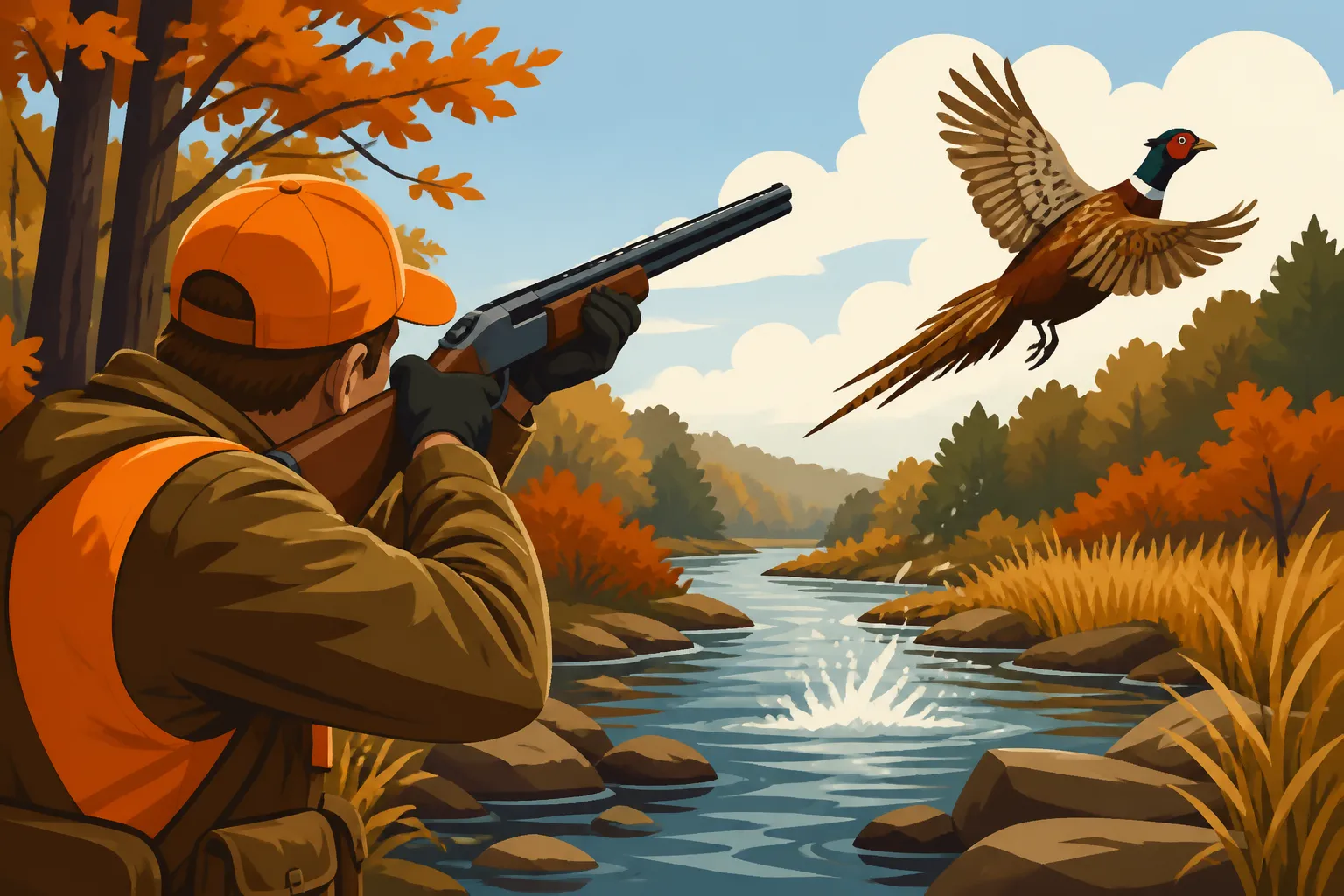
This is where the "jump" in jump-shooting comes in. Once you're in position and the ducks flush, you need to react quickly and decisively. Bring your shotgun to your shoulder smoothly, pick a single bird, swing through it, and make the shot. Don't rush; a controlled, deliberate shot is always better than a frantic spray. Because the birds are often in tight quarters, and potentially flying low along the creek, you might only get one shot or a quick double.
After the shot, mark where the bird falls. In moving water, a downed duck can drift quickly, or get caught in snags. If it's a runner, pursue it immediately. This is where your good waders and knowledge of Waders for Marsh Hunting truly pay off. Be prepared to wade into deeper water or fight through brush to recover your bird. Ethical hunting demands quick and efficient retrieval. If you're hunting with a partner, communicate clearly about who shot what and where birds fell. Always be aware of your surroundings and any potential obstacles or dangers in the water or along the bank during retrieval.
Safety and Regulations for Indiana Creek Hunting
Hunting anywhere in Indiana requires a clear understanding of regulations and a strong commitment to safety. Creek jump-shooting is no different, and in some ways, it demands extra vigilance.
Indiana DNR Rules and Regulations
Before you head out, make sure you have your current Indiana Resident Base License Cost and waterfowl stamp (including HIP validation). Be intimately familiar with the Indiana Duck Daily Bag Limit and possession limits for the specific ducks you're targeting. Wood ducks, mallards, and teal often have specific limits that differ from each other.
Crucially, remember that Where Nontoxic Shot Is Required in Indiana means everywhere you're hunting waterfowl, including creeks and river bottoms. Lead shot is strictly prohibited for ducks and geese. Also, understand Indiana Duck Zone Boundaries as season dates can vary slightly between zones. Pay attention to legal shooting hours, which are typically one half-hour before sunrise to sunset.
Always respect property boundaries. While a creek might flow through public land, adjacent banks are often private. You cannot trespass to retrieve a downed bird without permission. That's why using mapping tools is so important. If you can't get permission, unfortunately, you may have to let the bird go.
Ethical Considerations and Property Access
Ethical hunting is about more than just following the law; it's about respecting the land, the animals, and other users. This includes:
- Shot Selection: Only take shots you're confident in making. Wounding birds and not being able to retrieve them is a waste.
- Retrieval: Always make every effort to recover downed game.
- Leave No Trace: Pack out everything you pack in, including spent shell casings.
- Respect Private Property: If you're on public land adjacent to private property, be absolutely certain of your location. Even if the water is navigable, shooting onto or from private land without permission is illegal. Knocking on doors and asking for permission can open up some incredible opportunities for Getting Private Land Permission in Indiana, especially if you're polite and offer to share some of your harvest.
- Consider Other Users: Creeks are often used by anglers, kayakers, or hikers. Be mindful of their presence and ensure your actions don't endanger or disturb them. A good rule of thumb is to avoid hunting areas that are heavily used by non-hunters, even if legal.
Staying Safe in and Around the Water
Creek hunting inherently involves water, which adds unique safety considerations:
- Water Conditions: Always check creek levels and currents before you go. Heavy rains can turn a calm creek into a raging torrent. Never wade into water that is too deep or has a current too strong for you to handle safely.
- Hypothermia: Even on a mild day, prolonged exposure to cold water can lead to hypothermia. Dress in layers, wear insulated waders, and bring a change of clothes in a dry bag.
- Slipping Hazards: Rocks, mud, and submerged logs can be extremely slick. Move slowly and deliberately. A sturdy wading staff can be a lifesaver for maintaining balance.
- Hunting Partners: Whenever possible, hunt with a partner. If something goes wrong, they can help. Two-way radios are great for staying in touch, especially in areas with poor cell service.
- Awareness of Surroundings: Be aware of low-hanging branches, barbed wire fences, and other obstacles that can snag your waders or trip you up.
- Firearms Safety: Always follow the four cardinal rules of firearms safety: treat every firearm as if it's loaded, never point the muzzle at anything you're not willing to destroy, keep your finger off the trigger until your sights are on the target and you've decided to shoot, and be sure of your target and what's beyond it. In the often-dense cover of a creek, target identification is even more crucial.
Jump-shooting an Indiana creek can be an incredibly rewarding experience, offering fast-paced action and a truly intimate connection with the wild. With careful planning, the right gear, and a commitment to safety and ethics, you'll discover a whole new way to enjoy Indiana's rich waterfowl resources. Don't be afraid to explore those smaller veins on the map – they might just hold your next limits of Wood Ducks in Indiana River Bottoms or plump mallards.
Disclaimer
Hunting is an inherently dangerous activity that carries risks including, but not limited to, serious injury or death. Always follow all applicable local, state, and federal laws and regulations. Ensure you have proper licenses and permits. Prioritize safety, always practice ethical hunting, and respect private property. The information provided in this guide is for informational purposes only and should not be considered a substitute for professional instruction or official DNR regulations. Always refer to the most current Indiana hunting regulations before engaging in any hunting activity.