Indiana Blaze Orange Requirements
The world of hunting regulations can sometimes feel like a maze, especially when it comes to something as seemingly straightforward as blaze orange. Many Hoosier hunters find themselves scratching their heads, wondering if they really need to wear it for every hunt, what the exact square inch requirements are, or if that new blaze pink gear is truly legal. This guide is here to untangle those confusing rules, walk you through Indiana's specific blaze orange and pink requirements, and help you stay safe and legal in the field, no matter what you're pursuing.
The Foundation of Indiana's Blaze Orange Law
Blaze orange, or hunter orange, isn't just a suggestion in Indiana; it's a legal requirement during specific hunting seasons designed to enhance safety for everyone afield. The primary goal is simple: make hunters visible to other hunters, dramatically reducing the risk of accidental shootings. It's about ensuring that even in dense cover or low light, another hunter can clearly identify you as a person, not game.
When Blaze Orange is Absolutely Required
In Indiana, the blaze orange requirement kicks in with a vengeance during any firearms deer season. This is the big one, and it's where most hunters need to pay close attention. Specifically, if you are out in the woods during Indiana's firearms deer season, the youth deer weekend when firearms are permitted, or any special antlerless firearms seasons, you must wear blaze orange. This isn't just for deer hunters; it applies to anyone hunting any species during these periods. So, if you're out squirrel hunting with a .22 during the firearms deer season, you're still required to wear blaze orange. It's a blanket rule for hunter safety across the board when high-powered firearms are in widespread use for deer hunting. Even if you're not actively hunting with a firearm yourself, the presence of others doing so necessitates this safety measure.
This rule also extends to hunting coyotes with a firearm during daylight hours in these specified seasons. The logic is consistent: if firearms are being used for deer, all hunters in the vicinity need to be highly visible. This commitment to safety helps everyone return home safely after a day in the woods. You'll find a clear breakdown of these dates if you look into the official Indiana Firearms Season Dates.
Minimum Surface Area and Visibility Standards
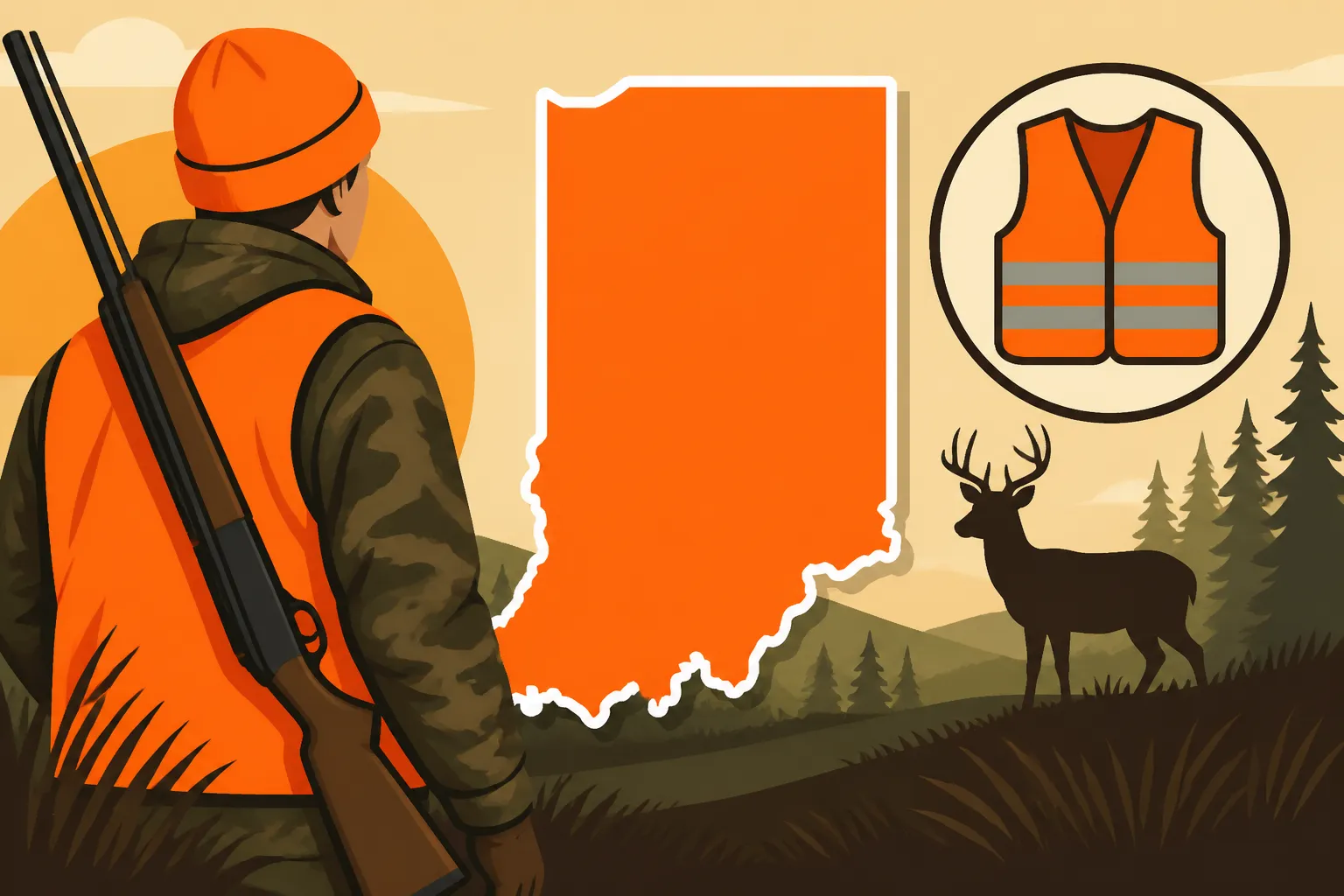
It's not enough to just throw on any old orange hat and call it a day. Indiana has specific minimum requirements for the amount and placement of blaze orange or blaze pink material. The law states that you must wear at least 400 square inches of solid blaze orange or blaze pink material. This material must be visible from all directions.
Typically, this means wearing an outer garment like a vest, jacket, or coat that provides the bulk of the required coverage. On top of that, you also need to wear a blaze orange or blaze pink hat. The hat doesn't count towards the 400 square inches, but it's a mandatory addition to ensure visibility from above and from different angles as you move through the timber. The "visible from all directions" stipulation is critical; it means your orange shouldn't be covered by a backpack or slung game, for example. When you're out there, take a moment to consider if another hunter approaching from any angle would clearly see you. This thoughtful approach, combined with tools like the GoHunt app to understand property lines and terrain, helps ensure you’re always visible and aware of your surroundings.
Specific Seasons and Exceptions
Understanding when to wear blaze orange is just as important as knowing how much to wear. Indiana's hunting seasons are diverse, and the rules change depending on the weapon, target species, and time of year.
Archery and Muzzleloader Seasons
During archery-only deer seasons, like the early part of When Indiana's Archery Season Opens, blaze orange is generally not required for bowhunters. This is because bowhunting involves different tactics, typically closer ranges, and generally carries a lower risk of mistaken identity compared to rifle hunting. The same applies to dedicated muzzleloader-only seasons, unless a concurrent firearms deer season is also open.
This is a critical distinction that often trips people up. If you're out during the standalone muzzleloader season in December, and no firearms deer season is running concurrently, you are not required to wear blaze orange. However, if you are archery hunting or muzzleloader hunting during a period when Indiana's Firearms Deer Season is also open, you are required to wear blaze orange. This overlap means all hunters in the woods must adhere to the most stringent safety rules for the active firearm season. It's always best to check the current year's Indiana DNR regulations carefully, perhaps even using a resource like GoHunt to keep up with any last-minute changes, to avoid any misunderstandings.
Upland Game and Small Game Considerations
For many small game and upland bird hunters, the blaze orange rules can feel a bit murky. Generally, if you're hunting small game like squirrels or rabbits, or upland birds like pheasants and quail, during a period when a firearms deer season is not open, you are not required to wear blaze orange. However, just like with archery and muzzleloader seasons, if you are pursuing these species during a firearms deer season, the blaze orange rule does apply to you.
Think of it this way: the presence of deer hunters with firearms dictates the safety standard for everyone in the woods. Many small game hunters often overlook this, assuming their pursuit is separate. But safety is universal. For those interested in Squirrel and Small Game Hunting in Indiana or even pursuing Pheasant Hunting Indiana Grassland during the appropriate seasons, always double-check the calendar for any overlapping deer firearms seasons. Wearing blaze orange is a small price to pay for increased safety, especially when you consider how easy it is to blend into the natural environment.
Waterfowl and Turkey Hunting Exemptions
There are specific hunting activities where blaze orange is explicitly not required, mainly due to the nature of the hunt itself. Waterfowl hunting is a prime example. Ducks and geese have excellent color vision, and wearing bright orange would completely defeat the purpose of camouflage and blind hunting. Therefore, waterfowl hunters are exempt from blaze orange requirements, whether they are Waterfowl Hunting the Kankakee Marshes or chasing geese in a cornfield.
Similarly, during both spring and fall turkey hunting seasons, blaze orange is generally not required. Turkeys also have very keen eyesight, particularly for color and movement, making blaze orange a significant hindrance to a successful hunt. If you're out during Spring Turkey Hunting in Indiana or the Indiana Fall Turkey Season Structure, you'll typically be dressed in full camouflage. However, a crucial caveat exists for fall turkey hunting: if you are pursuing turkeys during the firearms deer season, and you are not directly within an area specifically designated as an archery-only zone (if such an exemption is stated by the DNR for that area), you would still need to wear blaze orange, even while turkey hunting. Always verify the most current regulations to confirm.
Here's a quick reference table to help clarify the requirements:
| Hunting Activity / Season | Blaze Orange/Pink Required? | Specifics / Notes |
|---|---|---|
| Firearms Deer Season | YES | Required for ALL hunters (deer, small game, predator, etc.) |
| Youth Firearms Deer Season | YES | Required for ALL hunters |
| Special Antlerless Firearms Seasons | YES | Required for ALL hunters |
| Archery-Only Deer Season | NO | Unless concurrent with an open firearms deer season |
| Muzzleloader-Only Deer Season | NO | Unless concurrent with an open firearms deer season |
| Small Game (when no firearms deer season is open) | NO | Required if concurrent with an open firearms deer season |
| Turkey Hunting (Spring & Fall) | NO | Required if concurrent with an open firearms deer season (check specific fall turkey rules carefully for firearms zones) |
| Waterfowl Hunting | NO | Exempt due to species' vision and hunting methods |
| Predator Hunting (Daylight firearms) | YES | Required if concurrent with an open firearms deer season |
Understanding Blaze Pink as an Option
For many years, blaze orange was the only color option for hunter safety. However, modern research and a desire to encourage more participation have led to an exciting new development in Indiana: the legal acceptance of blaze pink.
The Introduction of Blaze Pink
In recent years, several states, including Indiana, have recognized blaze pink as an acceptable alternative to blaze orange. This wasn't a random decision; it was based on scientific studies, particularly those conducted by researchers at the University of Wisconsin. These studies showed that blaze pink is just as, if not more, visible to the human eye as blaze orange, especially in varying light conditions and against natural backgrounds. The goal was to provide an option that might appeal to a broader range of hunters, particularly women and youth, while maintaining the same high standard of safety.
Indiana officially approved blaze pink as a legal option, offering hunters more choice without compromising on visibility. It's a testament to the state's forward-thinking approach to hunter safety and inclusivity. So, if you prefer the look or feel of blaze pink, rest assured that it meets all the legal requirements for visibility in the field.
Blaze Pink's Acceptance and Usage
Since its introduction, blaze pink has gained steady acceptance among Indiana hunters. It adheres to the exact same requirements as blaze orange: you still need at least 400 square inches of solid blaze pink material, and it must be worn as an outer garment and a hat, visible from all directions, during any season when blaze orange is required. There’s no difference in the legal application; it’s simply a color choice.
This change highlights a broader effort to modernize hunting regulations and make the sport more accessible. Whether you choose traditional blaze orange or vibrant blaze pink, the most important thing is that you're visible and safe. When preparing for the season, remember to check gear retailers like Cabela's or Bass Pro Shops, as they typically stock both options. Using your GoHunt app, you can mark specific public land areas you plan to hunt to ensure you remember all the details of local regulations, including visibility requirements. The intent remains the same: to prevent accidents and ensure that every hunter can be clearly seen in the field.
Practical Tips for Staying Safe and Legal
Beyond just knowing the rules, there are practical steps you can take to ensure you're not only legal but genuinely as safe as possible in the field. After all, the regulations are there for a reason, but personal responsibility and smart choices are what truly keep us safe.
Choosing the Right Gear
When it comes to blaze orange or pink gear, don't just grab the cheapest thing you see. Look for quality garments that are durable, comfortable, and most importantly, truly visible. Ensure vests or jackets fit over your other layers without compressing the material too much, which could reduce the effective visible surface area. Your hat should be bright, solid blaze orange or pink, not a camouflage pattern with just a splash of orange.
Consider the fit and functionality. Will your vest ride up when you draw your bow during the Archery Season or carry your rifle during Hunting Indiana Now That Rifles Are Legal Statewide? Does it impede your movement? For those long sits in a treestand, especially during the late season, layering is key. You might wear a thin blaze orange vest over a thick insulated jacket, or choose an outer jacket that is entirely blaze orange. Investing in good gear, like durable vests and hats from reputable brands, can make a real difference in comfort and compliance. Remember, the 400 square inches need to be visible.
Best Practices for Public and Private Land
The blaze orange requirements are the same whether you're hunting on public land like the Hoosier National Forest or a private farm. However, on public land, especially heavily pressured areas, it's even more crucial to be diligent. More hunters in the woods inherently means a higher chance of encounters. Always assume there are other hunters around, even if you don't see or hear them.
On private land, even if you have exclusive access, following the rules is still essential. Not only is it the law, but it sets a good example and maintains a high safety standard. When crossing property lines, which can be easily identified with tools like the GoHunt app, be especially mindful. Make sure your orange is fully displayed before you even step foot into a potentially active hunting area. Always inform family or friends where you're hunting and when you expect to return, regardless of whether you're on public or private ground. Understanding Indiana Property Access Permit Requirement for public lands or respecting specific rules on private land, all contribute to a safer, more enjoyable hunt.
Situational Awareness Beyond the Orange
While blaze orange is a fantastic tool for visibility, it's not a magical shield. True safety in the woods comes from constant situational awareness. Always identify your target positively before you aim. Be absolutely certain of what you're shooting at and what lies beyond it. This means not taking rushed shots, especially in low light or dense cover.
Pay attention to sounds and movements in the woods. Other hunters might be moving through brush, calling game, or simply walking. If you hear something, pause, assess, and identify before reacting. Using binoculars can help you identify movement at a distance without having to shoulder your firearm. Good hunter education, which is mandatory for many in Indiana through programs like Indiana Hunter Education Requirements, emphasizes these principles. Remember, blaze orange helps others see you, but your vigilance helps you see them and, most importantly, helps you identify your target correctly.
Common Misconceptions and Penalties
Despite clear regulations, misunderstandings about blaze orange still persist. These misconceptions can lead to dangerous situations or unnecessary legal trouble. Let's clear up some of the most common ones.
Debunking Blaze Orange Myths
One prevalent myth is that blaze orange is only for deer hunters. As we've discussed, if a firearms deer season is open, all hunters in the field are required to wear it, regardless of what they are pursuing. This includes small game hunters, predator hunters, and even those hunting fall turkeys with archery equipment if the firearms deer season is running concurrently. The critical factor is the presence of firearms deer hunting, not your personal target species.
Another common misconception is that a small patch of orange on a hat or backpack is sufficient. The 400 square inch requirement is quite specific and needs to be met by outerwear. That little orange logo on your cap or the orange stitching on your pack often isn't enough. It must be a solid blaze orange or pink garment that covers a significant portion of your torso and head, visible from all angles. Some hunters also mistakenly believe that if they are in a ground blind, they don't need orange. While a blind might obscure some visibility, you still need to wear the required orange inside the blind, especially if you step out of it. The best practice is to always don your orange when you enter the hunting area during required seasons.
Consequences of Non-Compliance
Ignoring Indiana's blaze orange regulations isn't just a safety risk; it's a violation of state law and can lead to significant penalties. A conservation officer can issue a citation for failing to wear the required blaze orange or pink. These violations typically carry fines and could potentially lead to loss of hunting privileges, especially if combined with other infractions or repeat offenses.
The Indiana Department of Natural Resources (DNR) takes hunter safety very seriously, and these regulations are a cornerstone of their efforts. Beyond the legal ramifications, the most severe consequence is, of course, the increased risk of an accident. No deer, turkey, or rabbit is worth risking a hunting accident. By understanding and adhering to the rules, checking current regulations (perhaps through the DNR's website or an app like GoHunt before each season), and practicing good judgment, you contribute to a safer hunting environment for everyone in Indiana's beautiful outdoors. Always remember to report your deer through Indiana's App and verify details on Indiana Deer Season Structure Explained if you are ever in doubt.
Disclaimer
This guide is intended to provide general information about Indiana's blaze orange and pink requirements and should not be considered legal advice. Hunting regulations can change, and interpretations may vary. It is always the responsibility of the individual hunter to consult the most current Indiana Department of Natural Resources (DNR) hunting regulations and laws before heading afield.