Moving a Deer Carcass Out of the Positive Area
It’s a heart-sinking moment when you’ve successfully harvested a deer in Indiana, only to realize you might be in a Chronic Wasting Disease (CWD) positive area. The confusion, the concern for the herd, and the immediate questions about what you can and can’t do with your venison are completely valid. This guide is here to walk you through the specifics of moving a deer carcass out of an Indiana CWD positive zone, offering clear, actionable steps to ensure you stay compliant and help protect our state’s deer population.
Understanding Indiana's CWD Positive Area and Why It Matters
Let's be honest, CWD is a tough topic to wrap your head around, and it adds another layer of complexity to an already challenging pursuit like deer hunting. Nobody wants to think about their hard-earned venison being an issue, but understanding CWD is the first step in being a responsible hunter. It's a progressive, fatal neurological disease that affects cervids, including our beloved white-tailed deer. It’s caused by abnormal proteins called prions, which can persist in the environment for years and spread through direct contact or contaminated soil and plants.
The Indiana Department of Natural Resources (DNR) has established specific regulations to try and contain the spread of this devastating disease, which unfortunately has made its way into our state. These rules aren’t meant to make your life harder; they’re a critical line of defense for the health of our deer herd and the future of hunting in Indiana.
Identifying the Current CWD Positive Area
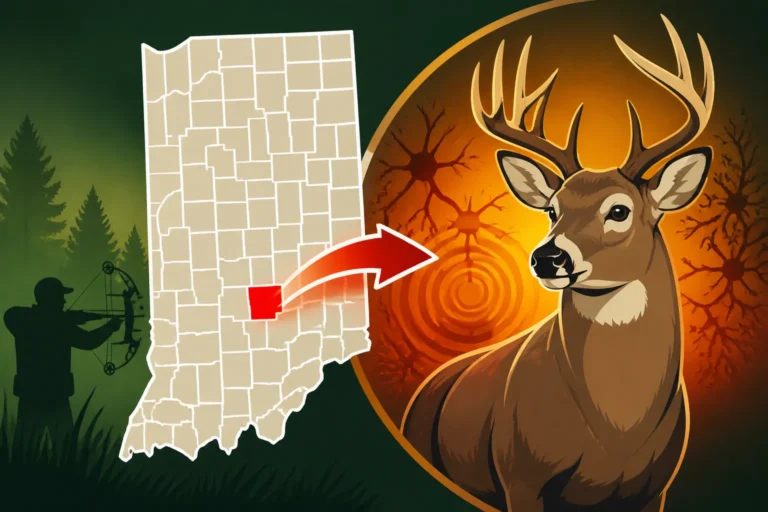
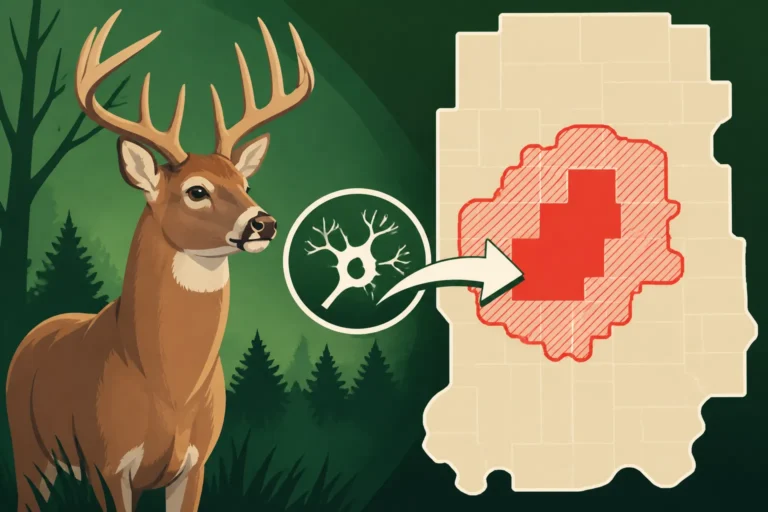
The CWD Positive Area in Indiana isn't some abstract concept; it's a very real geographical boundary that affects how you handle your harvest. Currently, CWD has been detected in a few key areas, notably in portions of LaGrange and Steuben counties in northeast Indiana. More recently, detections have led to enhanced surveillance or positive cases in Noble, DeKalb, Franklin, and Rush counties. These areas are under strict regulations, and hunters need to be hyper-aware of where they are harvesting a deer.
It's crucial to check the most up-to-date maps from the Indiana DNR before you head out, especially if you're hunting near these regions. The boundaries can shift, and staying informed is your responsibility. Think of it like a weather report for deer health – you wouldn't go out without checking the forecast, and you shouldn't hunt without knowing the CWD status of your hunting ground. You can find detailed maps and county-specific information on the DNR website, which is essential for understanding Indiana's Chronic Wasting Disease Positive Area.
The Rationale Behind Carcass Movement Restrictions
You might wonder why it's such a big deal to move a whole deer carcass. The answer lies in how CWD prions behave. These prions are concentrated in the brain, spinal cord, lymph nodes, and spleen of an infected animal. If you transport a whole carcass out of a CWD positive area, you risk depositing those infectious prions in new, healthy areas. This could be through fluids leaking during transport, discarded bones at an unregulated dump site, or even remnants left behind during processing.
The goal of these regulations is simple: prevent the geographical spread of CWD. By limiting the movement of whole carcasses, the DNR is trying to create a barrier to keep the disease from infecting deer populations in other parts of the state. It's a proactive measure, albeit one that requires significant cooperation from every hunter. We all want healthy deer and vibrant hunting seasons, and these rules are a direct effort to ensure that continues.
The Rules for Carcass Movement Out of CWD Zones
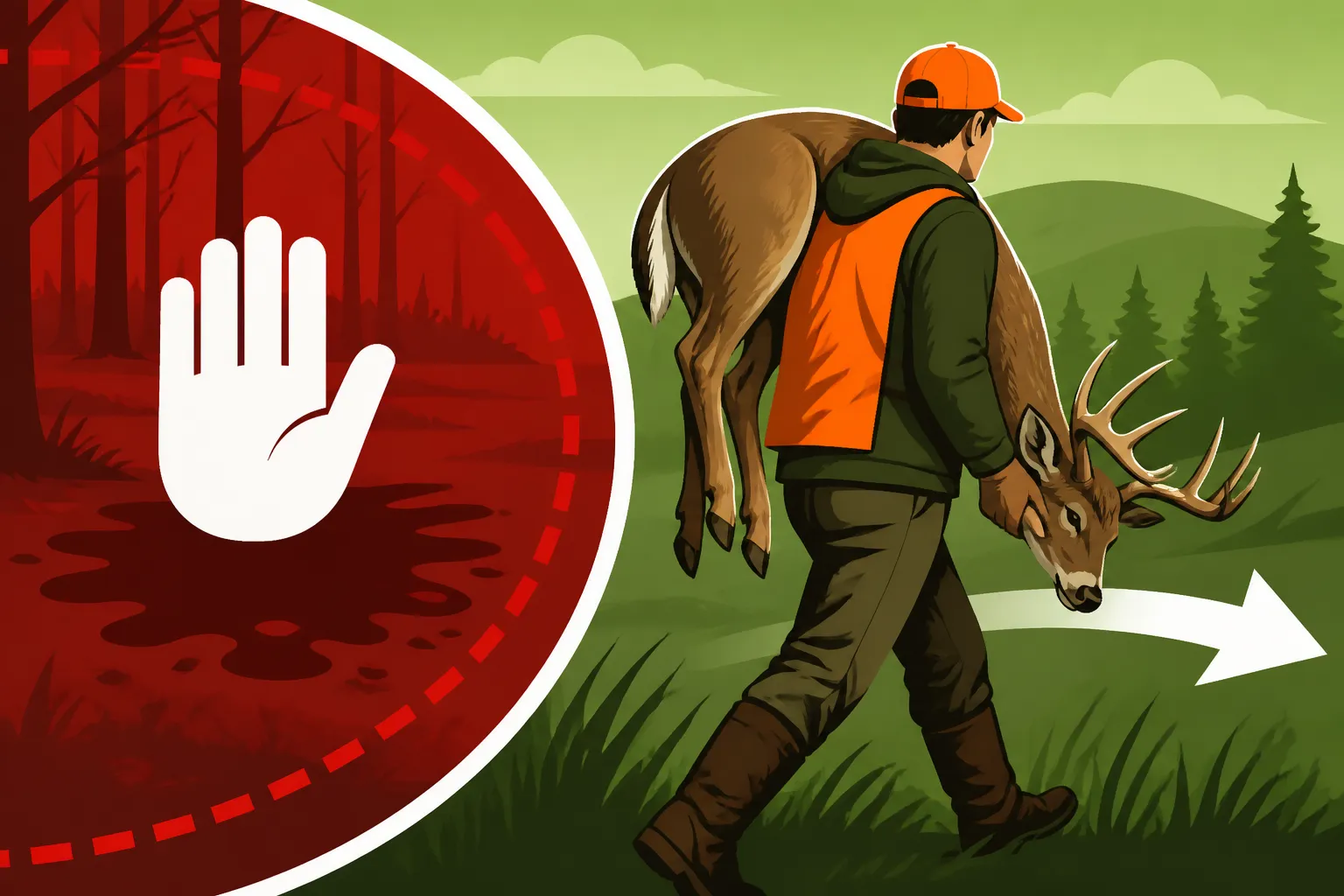
Navigating the rules for carcass movement out of a CWD positive area can feel like trying to solve a puzzle with half the pieces missing. But once you understand the core principles, it becomes much clearer. The fundamental rule is this: you cannot transport a whole deer carcass, or certain high-risk parts, out of a designated CWD positive area. This applies whether you're taking it to another county in Indiana or crossing state lines.
This restriction is in place because those specific parts contain the highest concentration of CWD prions. Moving them acts like a vector, potentially infecting new areas. So, what exactly can you move, and what absolutely needs to stay within the zone?
What Can and Cannot Be Moved
To make it as clear as possible, let's break down which parts of a deer carcass are allowed to leave a CWD positive zone and which are strictly prohibited. This is where your field dressing and initial processing decisions become incredibly important.
Allowed to Move (with proper care):
- Deboned meat: This is the most common and safest way to transport venison. All muscle tissue that has been separated from the bone, spinal cord, and brain can be moved.
- Antlers/Clean skull plates: Antlers, if completely free of brain tissue and other soft tissues, are allowed. Skull plates (the portion of the skull where antlers attach) are also permissible, but they must be cleaned thoroughly, with all brain matter and soft tissue removed. This usually means boiling or pressure washing.
- Hides: A hide can be moved, provided there are no visible pieces of brain, spinal cord, or other lymphatic tissues attached.
- Clean teeth: Teeth, if separated from the skull and completely clean, can be moved.
- Finished taxidermy products: Once a taxidermist has fully processed and mounted the animal, it's considered safe for transport.
Not Allowed to Move:
- Whole carcass: This is the big one. You cannot take a deer with its bones, brain, or spinal column intact out of the CWD positive area.
- Head: Unless it's a completely cleaned skull plate or skull, the head, which contains the brain, cannot leave the zone.
- Spinal column/backbone: This includes the entire spine.
- Lymph nodes, spleen, and other internal organs: These are also considered high-risk tissues.
Here’s a quick reference table to help visualize these rules:
| Carcass Part | Allowed to Move Out of CWD Zone? | Notes |
|---|---|---|
| Whole Carcass | NO | Must be processed within the zone or left whole in the zone. |
| Deboned Meat | YES | Muscle tissue only, no bone, spinal cord, or brain material. |
| Antlers (cleaned) | YES | Must be free of any visible soft tissue. |
| Clean Skull Plate | YES | Brain and all soft tissue must be completely removed. |
| Hide | YES | Free of visible brain, spinal cord, or lymphatic tissue. |
| Clean Teeth | YES | Separated from skull, completely clean. |
| Spinal Column/Backbone | NO | High-risk tissue; must remain within the CWD zone. |
| Brain | NO | High-risk tissue; must remain within the CWD zone. |
| Internal Organs | NO | Spleen and lymph nodes are high-risk; dispose of within the zone. |
| Finished Taxidermy | YES | Once fully processed by a professional. |
Processing Options Within the Zone
Given these restrictions, hunters harvesting deer in a CWD positive area have a couple of main options for handling their harvest. The most straightforward path for many is to utilize a local, licensed meat processor located within the CWD positive area. These processors are familiar with the regulations and equipped to handle the carcass properly, ensuring that all high-risk materials are disposed of in accordance with DNR guidelines. This saves you a lot of headache and ensures compliance.
Another option, especially for seasoned hunters, is to process the deer yourself at a location within the CWD zone. This means doing a full breakdown – deboning the meat, cleaning the skull plate if you want to keep the antlers, and properly disposing of all prohibited parts within the positive area. This requires more effort and expertise, but it gives you complete control over the process.
The Indiana DNR provides excellent resources, and tools like the GoHunt app or the DNR's official mapping tools are invaluable for verifying your location relative to CWD boundaries. You can use these tools to make sure you're processing your deer in the right place or finding a licensed processor that's safely within the allowed zone.
Practical Steps for Hunters in the Positive Area
Harvesting a deer is often a whirlwind of excitement, but when you're in a CWD positive zone, you need to add a few more critical steps to your routine. Don't let this discourage you, though! With a little planning, you can still enjoy your hunt and your venison while doing your part to protect Indiana's deer.
Field Dressing and Initial Considerations
The moment you get a deer down in a CWD positive area, your mind needs to switch to compliance mode. While you'd normally just focus on field dressing, here you need to consider the next steps immediately.
First things first, you'll still field dress the deer as usual to cool the meat and begin the process. However, instead of just discarding the entrails anywhere, be mindful of where you do it. While entrails aren't explicitly prohibited from movement, leaving them in the immediate vicinity of the kill site within the CWD zone is generally recommended, as it minimizes any potential spread. If you're on private land, ensure you have permission from the landowner for this disposal.
After field dressing, the immediate challenge is transport. If you plan to take the deer to a local processor within the CWD zone, you can transport the whole, field-dressed carcass. Just be sure it's secure and any fluids are contained to prevent accidental contamination during transit. If you're planning to debone it yourself, you'll need to transport it to your processing location within the CWD zone. This might mean having a cooler or a dedicated transport bag ready to move the deboned meat once you've finished the breakdown. Check out our guide on Field Dressing a Deer in Cold Weather for tips that can apply here, especially if you're dealing with a later season harvest.
Transporting Within the Zone
If you've harvested a deer within a CWD positive area, you can transport the whole, field-dressed animal to a processor or your home, provided that destination is also within the CWD positive area. This is a key distinction. You can move the entire carcass, head, spine and all, from the woods to your buddy's garage for processing, as long as both locations are inside the CWD boundary.
Make sure your vehicle is prepared for this. Use tarps, heavy-duty plastic sheeting, or a dedicated game bag to line your truck bed or vehicle trunk. This prevents blood and other bodily fluids from leaking out, which not only keeps your vehicle clean but also prevents any potential environmental contamination, even within the CWD zone. You're working to prevent the spread, even locally.
For those using public land, ensure you understand any specific rules about game transport from the property. Some Fish and Wildlife Areas or State Forests might have additional recommendations or requirements. You can often find this information by utilizing your Scouting With the Indiana DNR App or checking their online resources.
Utilizing Local Processors and Taxidermists
This is often the easiest and most recommended route for hunters in CWD positive areas. There are dedicated, licensed processors and taxidermists who operate within these zones, and they are well-versed in the CWD regulations.
For Processors: When you take your deer to a local processor in the CWD zone, they will handle the deboning, cutting, and packaging of your meat. Crucially, they will also ensure the proper disposal of all high-risk carcass parts (head, spinal column, etc.) according to DNR guidelines. This takes the burden of compliance off your shoulders and ensures that the prions stay contained. Always call ahead to confirm their CWD protocols and any specific requirements they might have.
For Taxidermists: If you plan to get a shoulder mount or full mount, you'll need to take the deer to a taxidermist within the CWD positive area. They will carefully remove the skull and ensure all brain and soft tissue is properly handled and disposed of in the zone. Once the mount is complete and the skull is completely clean, then it is safe to transport out of the CWD area. This way, you still get your trophy, but safely.
Deboning and Skull Cleaning: DIY Within the Zone
For the do-it-yourself hunter, processing your deer within the CWD positive area is entirely feasible, but it requires meticulous attention to detail.
Deboning:
The goal here is to remove all muscle meat from the bone, spinal column, and head. This means:
- Skinning and Quartering: Skin the deer and separate it into quarters (front shoulders, hindquarters) and the backstraps and tenderloins.
- Muscle Removal: Carefully trim all the muscle meat from the bones of the quarters, the ribs, and the backbone. You want to leave absolutely no meat on the bones.
- Proper Disposal: All bones, the spinal column, the head (unless cleaned for a trophy), and any other high-risk tissues must be disposed of properly within the CWD positive area. This could mean double-bagging and taking it to a designated landfill if available, or burying it deeply on private land with landowner permission. Never just toss these parts into a ditch or creek bed outside the zone. Our article on Butchering a Deer at Camp can offer some great insights into the practical aspects of breaking down a deer.
Skull Cleaning:
If you want to keep the skull or skull plate for a European mount or to attach antlers, you'll need to clean it thoroughly within the CWD zone.
- Rough Cleaning: Remove as much skin, muscle, and brain tissue as possible. Use gloves and separate tools for this.
- Boiling/Maceration: The most effective way to clean a skull is through boiling or maceration (allowing bacteria to naturally clean the skull in water). This ensures all soft tissue, including brain matter, is removed.
- Drying: Once thoroughly cleaned and dry, the skull plate or skull can be transported out of the CWD zone. The key is "completely clean." Any residual tissue is a no-go.
Remember, the emphasis for DIY processing is on thoroughness and responsible disposal. It’s a lot of work, but it means you can still enjoy the fruits of your labor without compromising the health of the broader deer population.
The Bigger Picture: Why These Rules Matter for Indiana Hunting
Dealing with CWD regulations can feel like an inconvenience, especially after a successful hunt. We all just want to get our deer home, processed, and into the freezer. But it's vital to step back and remember why these rules are in place and the long-term impact they have on our cherished Indiana hunting traditions.
Protecting Indiana's Deer Herd for Future Generations
The reality of CWD is that it's a silent threat with devastating potential. Unlike some diseases, CWD is always fatal, and there is no known cure or vaccine. If it were to spread unchecked throughout Indiana, it could severely diminish our deer herd, leading to fewer deer, potentially smaller deer, and ultimately, a decline in hunting opportunities. Think about what that would mean for your deer season, or for passing on the tradition to your kids or grandkids.
These carcass movement restrictions are a cornerstone of the DNR's strategy to contain CWD. Every time a hunter complies, they are directly contributing to the health and longevity of Indiana's deer population. It's not just about one deer; it's about the entire future of the herd, and by extension, the future of our sport. We have a responsibility as stewards of the land and its wildlife, and adhering to these rules is a critical part of that responsibility.
The Impact of CWD on Hunting Opportunities
Beyond the health of the deer, CWD has a direct impact on hunting itself. As the disease becomes more prevalent in an area, regulations can become even stricter. This could mean increased mandatory testing, longer periods of enhanced surveillance, or even further restrictions on hunting methods or locations. Imagine a scenario where a favorite hunting spot becomes severely impacted by CWD, leading to lower deer densities or specialized hunts that change the experience entirely.
States with higher CWD prevalence have already seen these changes. Our goal in Indiana is to avoid that scenario, or at least mitigate its severity. By taking these precautions now, like understanding Indiana Carcass Movement Restrictions and properly handling deer harvested in the affected zones, we are actively working to preserve the quality and accessibility of hunting for everyone. It's about ensuring that when you head out, whether for Indiana's Firearms Deer Season or Bowhunting Indiana's Long Archery Season, you still have a healthy, robust herd to pursue.
Hunter Responsibility and Compliance
Ultimately, the success of CWD containment efforts rests squarely on the shoulders of individual hunters. The DNR can set rules, but it's up to us to follow them. It's not always easy, especially when you're tired and excited after a successful hunt. But your compliance is critical.
Educating yourself, knowing the boundaries of the CWD positive areas (and using tools like GoHunt to confirm), and having a plan for processing your deer before you even head into the woods are all part of being a responsible hunter today. If you're unsure about any specific regulation, don't guess. Reach out to the Indiana DNR. They are there to help and would much rather answer a question than deal with a violation.
Think of it as another aspect of Indiana Hunter Education Requirements – continuous learning and adaptation to protect our resources. We all share the land and the wildlife, and by working together, we can give Indiana's deer the best possible chance against CWD, preserving our traditions for years to come.
Disclaimer
The information provided in this guide is intended for general informational purposes only and is not a substitute for official Indiana DNR regulations. Hunting rules and CWD positive area boundaries can change. Always consult the most current Indiana hunting regulations and CWD updates directly from the Indiana Department of Natural Resources website or contact them for the most accurate and up-to-date information before engaging in any hunting activities.