When Indiana’s Muzzleloader Season Runs
The end of Indiana's firearms deer season can often leave hunters feeling a mix of success and disappointment, with many thinking their chance at a whitetail is over until the next year. However, for those who appreciate tradition and a unique challenge, the Hoosier State offers a fantastic opportunity to extend their deer season: muzzleloader season. Understanding exactly when this specialized season runs, along with its specific rules and the best tactics, is crucial for anyone looking to punch an extra tag or simply enjoy the woods during a quieter time.
Understanding Indiana's Muzzleloader Season Dates
For many Indiana hunters, the conclusion of the general firearms season feels like the final bell for deer hunting. But hold on a minute! The Indiana Department of Natural Resources (DNR) smartly carves out a dedicated period specifically for muzzleloader enthusiasts, providing a fantastic late-season opportunity. This unique season allows hunters to get back into the field when deer patterns have shifted, and often, when there's a blanket of snow on the ground, making for an entirely different hunting experience.
The Core Muzzleloader Window
Indiana's muzzleloader season typically kicks off shortly after the firearms season wraps up, extending the opportunity to pursue deer into the heart of December. This isn't just a random set of dates; it's strategically placed to offer hunters a chance after much of the early season pressure has subsided and before the final push of the late archery season. While exact dates can shift slightly year to year, the season generally opens on the first Saturday of December and runs for approximately 16 days, usually concluding around the third Sunday of December.
For instance, looking at recent seasons, the pattern holds true. Hunters planning their outings should always double-check the current year's official Indiana Hunting and Trapping Guide, available on the Indiana DNR website or through reliable hunting apps like GoHunt. This ensures you have the most up-to-date information right at your fingertips, preventing any costly misunderstandings. This mid-December window often finds deer starting to settle into their late-season routines, heavily focused on food and cover, which means a different scouting approach is in order compared to the chaos of the rut. It's a time when you might find less competition in the woods, allowing for a more serene and strategic hunt.
Overlapping Seasons and Considerations
The Indiana muzzleloader season doesn't operate in a vacuum; it runs concurrently with certain other hunting opportunities, which can be both a blessing and a challenge for hunters. Most notably, it overlaps with the lengthy statewide archery season, which in Indiana, impressively stretches well into January. This overlap means that if you're carrying a muzzleloader, you'll still likely encounter archers in the woods, especially on public lands or larger private tracts.
This overlap can be beneficial because it means deer are still actively being pursued, potentially keeping them on the move and more predictable as they seek refuge. However, it also demands heightened awareness and safety. Blaze orange requirements, for example, apply to muzzleloader hunters during this period, even if archery hunters nearby are not required to wear it. It's also a time when you might find hunters pursuing small game, such as squirrels or rabbits, particularly in areas with abundant hard mast or dense cover. Always be sure of your target and what's beyond it, and remain highly visible. Understanding the nuances of Hunting Into the Muzzleloader Close in December means being prepared for these diverse conditions and other hunters in the field.
Key Regulations and Equipment for Muzzleloader Hunting
Muzzleloader hunting in Indiana isn't just about using an older style of firearm; it comes with its own set of specific rules and equipment requirements that distinguish it from modern firearms season. These regulations are designed to uphold the traditional spirit of muzzleloader hunting while ensuring safety and fair chase. If you're new to this discipline or coming from another state with different rules, it's vital to familiarize yourself with Indiana's specific mandates to avoid any unexpected legal issues in the field.
Legal Muzzleloader Definition
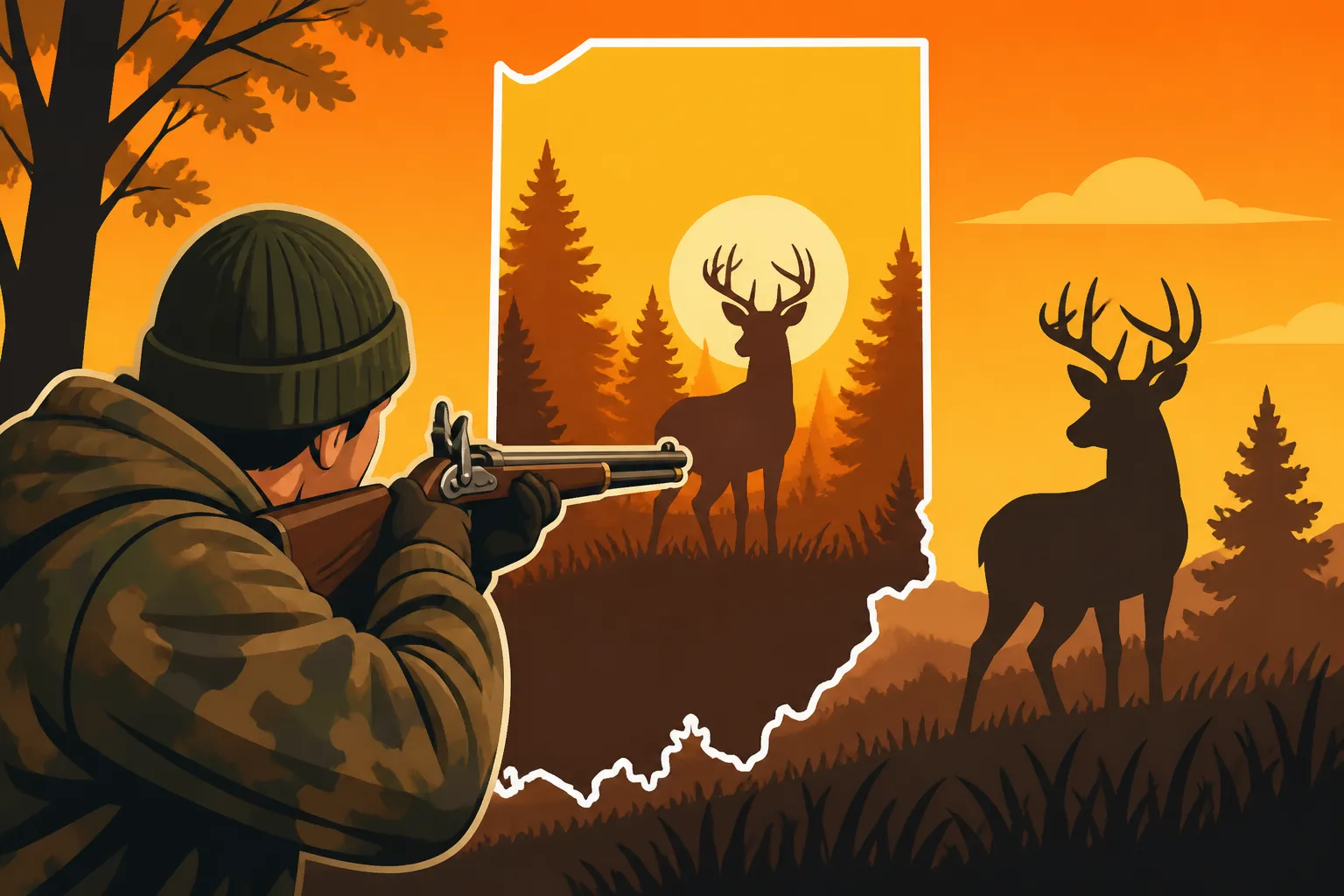
In Indiana, a legal muzzleloader for deer hunting is quite specific. It must be a firearm loaded from the muzzle, meaning the projectile and powder are inserted from the barrel's front end. This might sound obvious, but it immediately rules out many "modern" inline muzzleloaders that can be loaded from the breech or converted to use smokeless powder. The traditional aspect is key here. Your muzzleloader must be single-shot, as multi-shot muzzleloaders, even if loaded from the muzzle, are generally not permitted.
When it comes to ignition, Indiana allows both percussion cap and 209 primer systems. So, whether you prefer the classic feel of a traditional cap-and-ball rifle or the more modern reliability of a 209 primer-fired inline, both are acceptable. However, one common misconception in other states is that optics are restricted. In Indiana, that's not the case. Hunters are permitted to use optical scopes, including modern rifle scopes, fiber optic sights, and even red dot sights on their muzzleloaders. This is a significant advantage for hunters who want to extend their effective range and improve accuracy in varying light conditions, making the transition from a modern rifle less dramatic. As long as the firearm itself adheres to the muzzle-loading, single-shot, black powder/substitute criteria, your choice of sighting system is fairly open, contrasting with the stricter rules some states impose.
Ammunition and Loading Requirements
The type of ammunition and how it's loaded are also strictly defined for Indiana's muzzleloader season. When it comes to propellant, you must use black powder or an approved black powder substitute. Common substitutes include Pyrodex, Triple Seven, or Blackhorn 209. Using smokeless powder in a muzzleloader designed for black powder is incredibly dangerous and strictly prohibited. These propellants are measured by volume, and specific loading recommendations usually come with your muzzleloader or the powder itself. Always adhere to these guidelines for safety and optimal performance.
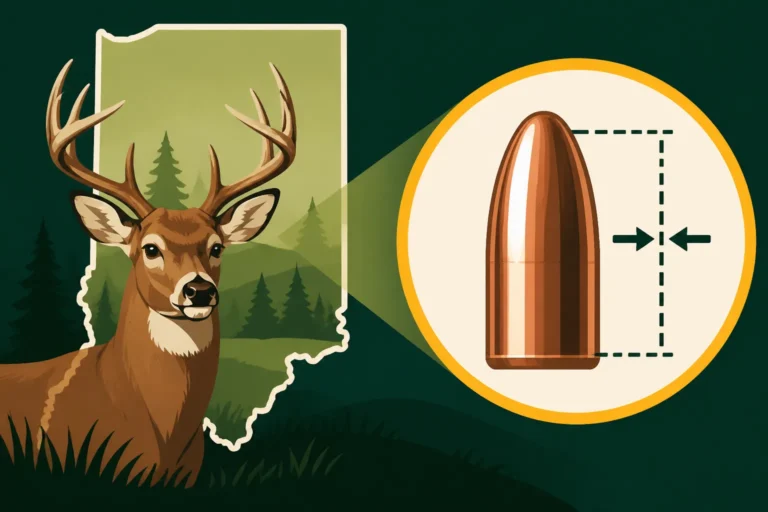
Projectiles must be single, expanding bullets. This includes both traditional patched round balls, conical bullets, and modern sabots that encase a smaller bullet (like a .45 caliber bullet in a .50 caliber sabot). You cannot use shot (like buckshot or birdshot) for deer hunting with a muzzleloader. Furthermore, the act of loading itself is critical: everything, from the powder charge to the projectile, must be seated from the muzzle end of the barrel. This methodical loading process is part of the charm and challenge of muzzleloader hunting, requiring practice and precision to ensure consistent accuracy. Ensuring your Muzzleloaders for an Indiana December are properly equipped and loaded is paramount for a successful hunt.
Tagging and Reporting During Muzzleloader Season
Just like during any other deer season in Indiana, all successful muzzleloader hunters are required to immediately attach a valid deer tag to their harvested animal. This tag, which comes with your hunting license, must be securely affixed to the deer before it's moved from the point of kill. This ensures legal possession and allows wildlife officials to track harvest numbers and manage the deer population effectively. It's a small but critical step that often gets overlooked in the excitement of a successful hunt.
Beyond tagging, all harvested deer must be reported to the Indiana DNR within 48 hours of the kill. This can be done conveniently online through the Indiana DNR's Go Outdoors Indiana website, or via their dedicated mobile app. This reporting system is vital for gathering accurate harvest data, which informs future season structures and deer management strategies. Even if you're out in a remote corner of the Hoosier National Forest, make it a priority to find service or report your deer as soon as you're able. Failing to report a deer is a violation and can result in penalties. Checking the Indiana Deer Reporting Requirements before you head out ensures you're prepared for this crucial administrative step.
Here's a quick overview of Indiana's Muzzleloader Season essentials:
| Aspect | Detail |
|---|---|
| Typical Dates | Early to Mid-December (Approx. 16 days) |
| Firearm Type | Single-shot, muzzleloading firearm |
| Loading Method | Loaded from the muzzle with powder and projectile |
| Ignition Types | Percussion cap or 209 primer |
| Propellant | Black powder or approved black powder substitutes (e.g., Pyrodex, Triple Seven) |
| Projectiles | Single expanding bullet (conical, sabot, round ball) |
| Optics | Allowed (scopes, red dots, fiber optics) |
| Blaze Orange | Required (during deer season) |
| Bag Limit | Standard deer bag limits apply per license type |
| Tagging/Reporting | Immediate tagging, report within 48 hours to Indiana DNR |
| Overlaps With | Late Archery Season, some Small Game seasons |
Strategic Approaches for Late-Season Muzzleloader Success
Hunting in December with a muzzleloader presents a distinct set of challenges and opportunities compared to the warmer, rut-fueled days of early archery or the intensity of firearms season. The woods are typically colder, deer are often in different patterns, and your approach needs to adapt to these shifts. Successfully filling your tag during this window often comes down to careful scouting, understanding deer behavior in colder weather, and persistent effort.
Locating Late-Season Food Sources
By the time Indiana's muzzleloader season rolls around in December, the landscape has usually undergone a dramatic transformation. Hard mast, like acorns, might be mostly gone or covered by snow. Green growth is scarce, and deer are entering the critical phase of winter survival, prioritizing calorie intake. This means their movements become much more predictable and centered around available food sources. They're not chasing does as intensely; they're simply trying to fuel their bodies.
Your scouting efforts should shift dramatically from rut funnels to finding the most attractive late-season groceries. Think about standing crops like corn or soybeans that might still be unharvested, providing both food and crucial thermal cover. Winter wheat fields can be a magnet for deer, offering a highly digestible green forage. Other key browse sources include honeysuckle, green briar, and young regeneration in timber cuts. Deer will often travel significant distances, sometimes right at first and last light, to reach these crucial feeding areas. Pay close attention to trails leading into and out of these spots, especially those that provide cover during travel. An effective strategy for Late-Season Food Sources for Indiana Whitetails is often the key to success.
Cold Weather Hunting Tactics
Hunting during Indiana's muzzleloader season often means battling colder temperatures, and potentially even snow and ice. This isn't just about discomfort; it impacts everything from your equipment's performance to the deer's behavior. Dressing appropriately is paramount. Layering is your best friend, allowing you to adapt to changing conditions throughout the day. Opt for moisture-wicking base layers, insulating mid-layers, and a waterproof/windproof outer shell. Wool and modern synthetics excel in these conditions, retaining warmth even when damp. Consider investing in quality insulated boots and hand warmers; nothing ends a hunt faster than cold feet or fingers.
Beyond staying warm, patience becomes an even greater virtue. Deer often move during specific, shorter windows in cold weather, usually around dawn and dusk, or when a mild cold front pushes through. They may also be more active during midday, moving between bedding and feeding areas to warm up or grab a quick bite. Setting up on thermal hubs—areas that receive more direct sunlight, or thick, sheltered cover that blocks wind—can put you in prime position. Remember, every movement and sound carries further in crisp, cold air, so Cold-Weather Sitting Strategy in Indiana means minimizing movement and maximizing stillness.
Navigating Public Land Pressure
One of the often-overlooked advantages of muzzleloader season, especially on public land, is the reduced hunting pressure compared to the opening weeks of firearms season. Many hunters have already filled their tags or simply hang up their gear after Thanksgiving. This creates a quieter, more peaceful hunting environment, and deer that were previously pushed deep into cover might start to relax and move more freely.
However, "reduced pressure" doesn't mean "no pressure." Smart hunters still seek out remote pockets that require a longer walk or are harder to access. Using mapping tools like the Indiana DNR's online maps or advanced apps such as GoHunt can be invaluable for identifying these overlooked areas. Look for topography that creates natural barriers, like steep ravines, creek bottoms, or dense thickets. Focus on areas away from established trails and parking lots. While other hunters might have been there earlier in the year, deer will often return to their preferred bedding and feeding sites once the initial wave of pressure subsides. Learning Scouting Indiana Public Land Before Season will help you pinpoint these spots and increase your chances of finding undisturbed deer during the muzzleloader window.
Disclaimer
The information provided in this guide is for general informational purposes only and is subject to change. Hunting regulations, season dates, and licensing requirements are determined by the Indiana Department of Natural Resources (DNR) and can be modified annually. Always consult the most current official Indiana Hunting and Trapping Guide or the Indiana DNR website before planning any hunting activities to ensure compliance with all applicable laws and regulations.