Indiana Youth Weekend Dates
It can be incredibly frustrating trying to keep up with all the specific regulations and special dates for hunting seasons, especially when you’re planning to introduce a young person to the joys of the outdoors. Getting the timing right for the Indiana Youth Deer Weekend is crucial, and understanding all the nuances will help ensure a safe, successful, and truly memorable experience. This comprehensive guide will walk you through the precise dates, eligibility requirements, essential preparations, and tips for making the most of this fantastic opportunity for young hunters in the Hoosier State.
What is the Indiana Youth Deer Weekend?
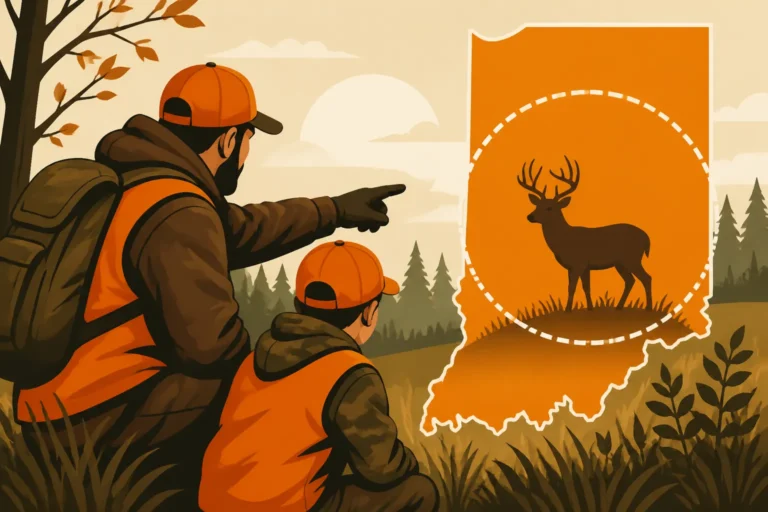
The Indiana Youth Deer Weekend is a special, early opportunity specifically designed to give young hunters a chance to harvest a deer before the main archery and firearms seasons kick off. This exclusive window provides a less crowded, focused environment for mentors to teach crucial hunting skills, safety, and ethics without the added pressure of overlapping seasons. It’s truly about fostering a love for the outdoors in the next generation.
Key Dates and Purpose
Typically, the Indiana Youth Deer Season is held on the last full weekend of September. For instance, in 2024, these dates are September 28-29. It’s always a good idea to double-check the official Indiana DNR hunting regulations each year, as dates can occasionally shift due to calendar alignment or rule changes. The primary purpose of this early season is educational and experiential. It allows young hunters to be out in the woods when conditions are often milder, deer are still in predictable summer patterns, and the pressure from other hunters is significantly lower. This focused environment makes it easier for mentors to provide undivided attention and instruction, which is invaluable for a novice.
Bag Limits and Eligible Game
During the Youth Deer Weekend, eligible young hunters are typically allowed to harvest one deer of either sex. This means they can take an antlered or antlerless deer, providing flexibility and increasing the chances of success. It’s important to remember that this deer counts towards the hunter’s annual bag limit for the deer season. For many young hunters, taking any deer is a monumental achievement, and the either-sex option maximizes that potential. This specific bag limit encourages ethical harvesting and focuses on the experience rather than accumulating multiple tags. This season is explicitly for white-tailed deer, the primary big game animal in Indiana.
Essential Requirements for Young Hunters
Participating in the Indiana Youth Deer Weekend isn't just about showing up with a rifle; there are specific age, licensing, and supervision rules to ensure safety and compliance. Understanding these requirements thoroughly is key to a smooth and legal hunt. This special weekend operates under specific Indiana Mentored Youth Hunting Rules, emphasizing close supervision.
Age and License Requirements
First and foremost, participants must be 17 years of age or younger to hunt during the Youth Deer Weekend. There’s no minimum age to participate in mentored youth hunting in Indiana, which is fantastic for getting kids started early. However, there are crucial licensing steps. Any youth hunter (regardless of age) must possess a valid Indiana hunting license, which is free for residents under 18 years old. Non-resident youth will need to purchase a non-resident youth license. Additionally, a deer license (either a resident or non-resident youth deer license) is required. Getting your young hunter properly licensed is the first step, and understanding Indiana Hunting Licenses and What They Cost is crucial. These licenses are easily obtainable through the Indiana DNR’s online portal or authorized vendors.
Hunter Education and Supervision Rules
While hunter education isn't strictly required for youth participating under a mentor, it is highly encouraged and often a prerequisite for obtaining a regular hunting license once they turn 18 or wish to hunt unsupervised. However, for the Youth Weekend, the law mandates direct supervision by an adult mentor. This mentor must be at least 18 years of age and possess a valid Indiana hunting license. Crucially, the mentor must be unarmed during the hunt and remain in close proximity to the youth hunter to provide direct guidance and ensure safety. This isn't just about being in the same general area; it means actively observing, instructing, and being ready to intervene if necessary. Make sure your young hunter has completed their Indiana Hunter Education Requirements well in advance, even if it's not mandated for this specific hunt, as it provides an invaluable foundation.
Blaze Orange and Other Safety Protocols
Safety is paramount, and Indiana's regulations reflect this. During the Youth Deer Weekend, both the youth hunter and their adult mentor must wear hunter orange (or hunter pink) visible from all directions. This typically means an outer garment like a vest, jacket, or hat that covers a substantial portion of the upper body. The current requirements specify at least 500 square inches of hunter orange or hunter pink worn above the waist and visible from all directions. Understanding Indiana's Blaze Orange and Pink Options is critical for safety during any deer season. Beyond the legal requirements, additional safety protocols should always be in place:
- Firearm Safety: Emphasize the four fundamental rules of firearm safety: treat every firearm as if it’s loaded, never point a firearm at anything you don’t intend to shoot, keep your finger off the trigger until ready to shoot, and be sure of your target and what’s beyond it.
- Treestand Safety: If hunting from a treestand, ensure both the youth and mentor wear a full-body harness and are always attached to the tree. Practice climbing and descending safely. Review specific guidelines like those for Treestand Setups in Hoosier National Forest which offer valuable universal safety advice.
- Communication: Establish clear communication signals or methods, especially if hunting in dense cover.
- First Aid: Always carry a basic first aid kit and know how to use it.
- Environmental Awareness: Teach awareness of weather changes, terrain, and how to navigate if separated.
This table summarizes key rules for the Indiana Youth Deer Weekend:
| Requirement | Details |
|---|---|
| Hunter Age | 17 years old or younger |
| Mentor Age | 18 years old or older |
| Youth License | Resident: Free (under 18); Non-resident: Purchase required |
| Deer Tag | Youth Deer License required (either-sex tag) |
| Hunter Education | Not required for mentored youth, but highly recommended |
| Mentor Weapon | Unarmed during the hunt |
| Mentor Proximity | Must be in "direct supervision" and "close proximity" to the youth |
| Blaze Orange/Pink | Both youth and mentor must wear 500+ sq. inches above waist, visible 360° |
| Bag Limit | One deer of either sex (counts towards annual bag) |
| Season Dates | Typically last full weekend of September (verify annually with DNR) |
Planning Your Youth Hunt for Success
A successful youth hunt isn't just about bagging a deer; it's about the experience, the lessons learned, and the memories created. Thoughtful preparation can significantly enhance these aspects, making the weekend truly special for your young hunter. Whether you're Hunting Northern Indiana Farmland Deer or navigating the timber, good preparation is key.
Pre-Season Scouting and Location Selection
Effective Scouting Indiana Public Land Before Season can make all the difference, helping you pinpoint areas where deer are active. This is where modern tools can really shine. For instance, using a mapping application like GoHunt can help you identify good cover, food sources, and potential stand locations well before the season opens. Look for pinch points, natural funnels, fresh tracks, rub lines, and scat. Spend time walking the property with your young hunter, teaching them how to read the landscape. Discuss what you're seeing and why deer might be using certain areas.
When choosing a location, consider ease of access and terrain. For a first-time hunter, a relatively flat, open area might be less intimidating than steep, rugged hills. Public lands like Indiana State Forests or Fish & Wildlife Areas offer plenty of opportunities, but can also see some pressure. If you have access to private land, this often provides a more controlled and less crowded environment. Consider locations known for good deer density to increase the chances of a sighting.
Gear Considerations and Appropriate Equipment
Choosing the right equipment for a youth hunter is paramount for comfort, confidence, and safety.
- Firearms/Bows: Select a firearm or crossbow that fits the youth hunter physically and is appropriate for deer. A common mistake is giving a young hunter a rifle with too much recoil or a bow with too heavy a draw weight, leading to flinching and a negative experience. Many manufacturers offer youth models specifically designed with shorter stocks and lighter weights. Calibers like a .243 or 6.5 Grendel for rifles, or a compound bow with adjustable draw weight, are often excellent choices. If using a crossbow, ensure it's easy for them to cock and handle safely. Choosing the right equipment, like age-appropriate Bow and Crossbow Setups for Indiana, can significantly impact comfort and confidence.
- Ammunition: Use appropriate ammunition for deer hunting, ensuring it's accurate and has sufficient energy for a clean kill. Practice shooting extensively before the season to build confidence and proficiency.
- Optics: A good pair of binoculars can make scouting and spotting deer much more engaging for a young hunter. Teach them how to use them to scan for movement or identify distant objects.
- Clothing: Comfort is key. Layered clothing is best for changing weather conditions common in late September. Be sure to check the forecast, but always be prepared for rain or a sudden drop in temperature. Layering is key, and understanding Clothing for an Indiana Late Season principles can extend to any cool weather hunt. Good, waterproof boots are essential for staying dry and warm.
- Safety Gear: Beyond blaze orange, ensure you have a comfortable safety harness if using a treestand, and make sure it's properly fitted for the youth. A reliable headlamp or flashlight is also critical for walking to and from the stand in low light.
- Essentials: Don’t forget water, snacks, a small first-aid kit, and perhaps a small backpack for your young hunter to carry their own gear, fostering a sense of responsibility. Remember to double-check license requirements on the Indiana DNR website or through apps like GoHunt before heading out.
Dealing with Weather and Field Conditions
Late September weather in Indiana can be unpredictable. You might experience warm, sunny days or cool, damp mornings. Be prepared for both. If it's warm, dress lightly and stay hydrated. If it's cold or rainy, ensure you have waterproof outer layers and insulation. Rain can dampen spirits quickly, especially for a new hunter, so having good rain gear is vital. Muddy conditions can also make walking difficult, so good boots are a must. Remember, the comfort of your young hunter directly impacts their enjoyment and willingness to continue hunting. If they're cold, wet, or uncomfortable, the experience quickly turns sour.
Creating Lasting Memories Beyond the Harvest
While harvesting a deer is often the goal, the true success of a youth hunt lies in the experience itself. It’s about building character, teaching valuable life skills, and forging an unbreakable bond between mentor and youth. This season provides a fantastic opportunity to teach younger hunters about responsible harvest and how Indiana Deer Season Structure Explained benefits wildlife management.
Focus on the Experience, Not Just the Kill
It’s easy to get caught up in the pressure of "getting one," but for a youth hunt, shifting the focus is vital. Emphasize the beauty of nature, the quiet stillness of the woods, and the thrill of seeing wildlife, whether it's a deer, a squirrel, or a flock of turkeys. Teach them how to move quietly, how to identify different trees, and how to read deer sign. Point out other animals and birds. Share stories of your own hunting adventures, both successful and unsuccessful. The kill is a small part of hunting; the real magic is in the journey.
Teaching Tracking, Field Dressing, and Processing
Even if a deer isn’t harvested, discuss what would happen if one were. If a deer is taken, this is where some of the most profound lessons can be taught. Guide your young hunter through the tracking process, teaching them to look for blood, broken twigs, and scuff marks. Once a deer is down, teaching your child how to properly Field Dressing a Deer in Cold Weather (or any weather) is an invaluable lesson in respect for the animal and understanding where their food comes from. Involve them in every step, from dragging the deer out of the woods to helping with the butchering process. Explain why it’s important to care for the meat properly. Don't forget the final step: Registering an Indiana Deer Online is quick and easy, and a crucial part of the process. Tools like GoHunt often have property line overlays, which are invaluable for staying on the right side of the law, especially if you harvest an animal near a boundary.
Building Outdoor Skills and Fostering a Passion
The Youth Deer Weekend is an incredible classroom. Use this time to teach a wide range of outdoor skills that go beyond just pulling a trigger.
- Navigation: Teach them basic compass skills or how to use a GPS app on a phone.
- Reading Sign: Show them how to identify different tracks, scat, and rubs. Explain what these signs tell you about deer movement.
- Woodsmanship: Teach them how to sit still, be patient, and observe their surroundings. Help them understand wind direction and thermals.
- Patience and Perseverance: Hunting often involves long periods of waiting, followed by intense moments of action. This teaches valuable lessons in patience and perseverance, which are applicable in all areas of life.
- Environmental Stewardship: Talk about conservation, habitat management, and the role hunters play in managing wildlife populations. This instills a deep respect for nature and the animals we pursue.
Encourage questions, no matter how basic they seem. Answer them patiently and thoroughly. Celebrate every small victory, whether it's spotting a squirrel, identifying a bird call, or just sitting quietly without fidgeting for an extended period. These moments build confidence and foster a lifelong passion for hunting and the outdoors. This is what it's all about – passing on a tradition and creating memories that will last a lifetime.
Disclaimer
Please note: Hunting regulations can change. Always consult the official Indiana Department of Natural Resources (DNR) website or their most current hunting guide for the most up-to-date and accurate information regarding season dates, licensing, and specific rules before heading afield. This guide is for informational purposes only and does not supersede official DNR regulations.