Indiana Firearms Season Opening Day
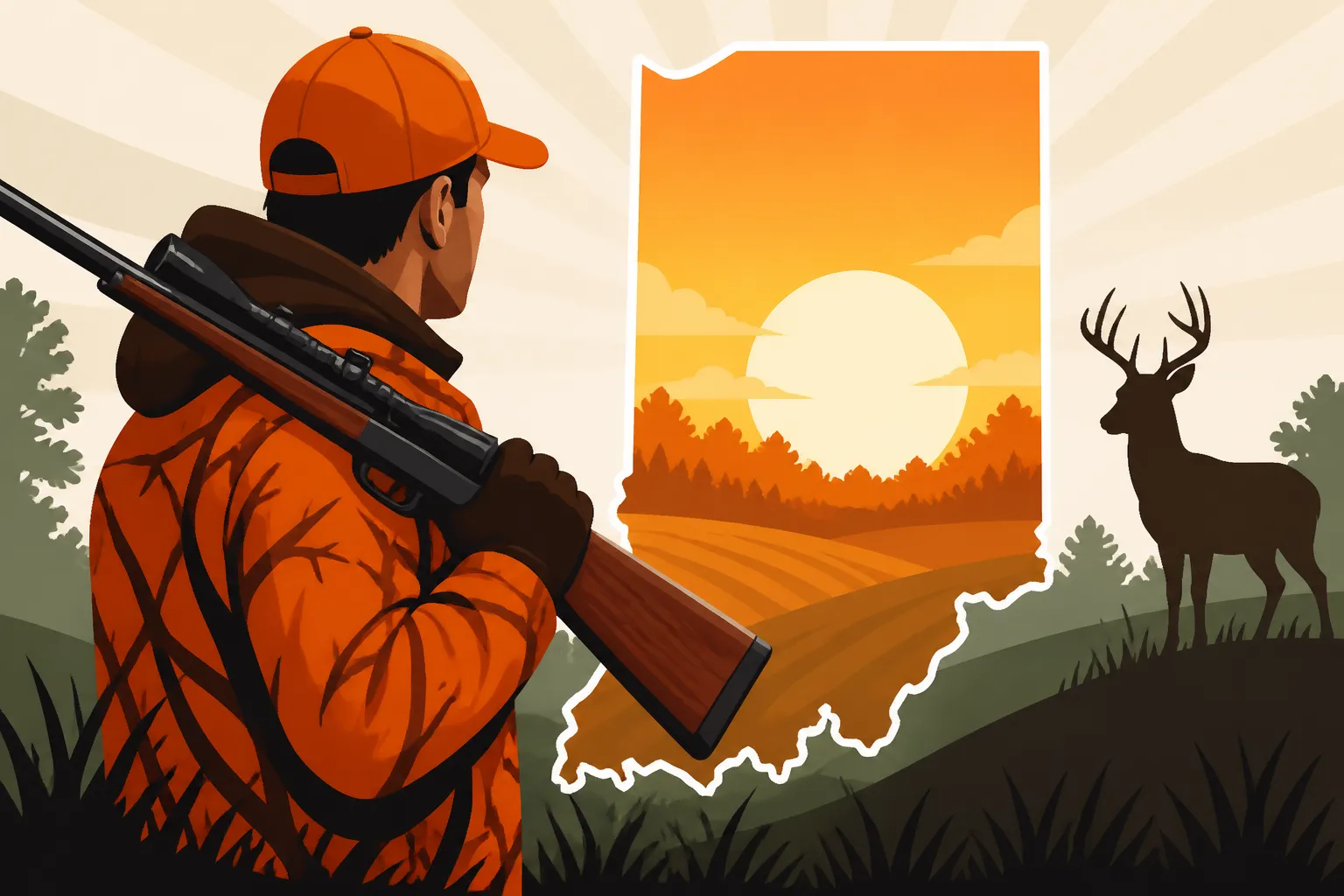
The crisp air of November signals more than just falling leaves; for Hoosier hunters, it ushers in the electrifying, often chaotic, start of Indiana’s firearms deer season. That opening day can feel like a mad dash, a mix of pure excitement and frustrating competition, with deer seemingly vanishing the moment the first shots ring out. Many of us have felt that dread of showing up to our favorite public land spot only to find it already occupied, or watching deer spook from distant pressure before ever getting a shot. This comprehensive guide is designed to cut through the confusion and help you confidently navigate Indiana's firearms season opening day, offering practical advice, regulatory insights, and tactical approaches to make your hunt successful from the get-go.
Understanding Indiana's Firearms Season Opening Day
The opening day of Indiana's firearms season is an event unlike any other on the hunting calendar. It’s when the majority of Hoosier deer hunters take to the woods, bringing with them a palpable energy that can either make or break your hunt. Knowing what to expect, from the sheer volume of other hunters to the immediate changes in deer behavior, is your first step toward success.
The Grand Rush: Crowds and Expectations
Let’s be honest, opening day isn't for the faint of heart, especially if you're hitting public land. The woods that felt serene and empty during archery season can suddenly resemble a busy park. Parking lots overflow, trucks line the roadsides, and the sound of distant gunshots becomes a constant backdrop. This isn't a complaint, it's just the reality of a popular hunting season in a state with a passionate hunting community. Many hunters experience the frustration of putting in hours of scouting, only to find their hard-won spot is now crawling with other orange-clad enthusiasts. It’s enough to make you want to stay home, but with the right mindset and strategy, you can still find success. The key is to anticipate this pressure and plan accordingly, rather than being surprised and disheartened by it.
This influx of hunters isn't just a challenge; it can also be an opportunity. While deer are initially spooked by the increased human presence, that same pressure can push them out of their bedding areas and into new ones, or force them to travel in daylight. Understanding how this movement works and where deer might relocate can give you a significant edge. Think about how deer use thick cover, swamps, or even suburban pockets to escape hunting pressure. Sometimes, the hunter who is willing to walk further, deeper, or into areas that seem less appealing at first glance, is the one who finds unpressured deer.
The Calendar Says Go: Official Opening Dates
Indiana's firearms deer season typically kicks off in mid-November, usually the Friday closest to November 15th, and runs for a little over two weeks. This window is prime time, coinciding often with the tail end of the rut in many areas, meaning bucks are still on the move, chasing does. It’s a short but intense season, and missing the opening days can feel like missing the boat entirely for many hunters. The Indiana Department of Natural Resources (DNR) publishes the exact dates well in advance, and it's always wise to double-check their official calendar. For specific dates, you can always consult resources like the official guide to Indiana Firearms Season Dates. Knowing the precise start and end dates is crucial for planning not only your hunt but also any time off work or other commitments.
This timing is strategic, allowing bowhunters a good run at the early season and often giving them a chance to hunt into the pre-rut and early rut phases. Then, the firearms season arrives, overlapping with what can still be some of the best deer activity of the year. Historically, these mid-November dates have been a tradition for generations of Indiana hunters, marking a significant annual ritual. The anticipation builds for weeks, with hunters sighting in rifles, checking gear, and poring over maps. It's truly a special time to be in the Hoosier woods, even with the added company.
Deer Behavior Under Pressure
Imagine being a deer: one day, the woods are relatively quiet, with only a few archers moving through; the next, it sounds like a war zone. Deer react immediately to this sudden, intense pressure. Their primary instinct is survival, and that means finding secure cover. Often, this leads them to thicker, nastier, or less accessible areas that hunters tend to avoid. This isn't to say deer won't move; they absolutely will, but their patterns will shift drastically. Bucks that were once cruising open timber might now stick to dense briar patches or cedar thickets. Does and fawns might become incredibly skittish, freezing at the slightest sound.
This shift in behavior makes traditional "prime" spots from early archery season less reliable. Deer will often bed down in cover that offers the most visual obstruction and wind advantage, frequently moving to these areas before legal shooting light or after dark. Understanding these behavioral changes is key to adapting your strategy. Rather than hunting where deer were a week ago, focus on where they will be when pressured. This could mean hunting escape routes, dense thermal cover on north-facing slopes, or pockets of unmolested property surrounded by heavily hunted public ground. Deer drives are also a common tactic on opening weekend to push deer out of these thickets, and being aware of this possibility, whether you participate or not, can help you predict deer movement.
Navigating Key Regulations for Firearms Season
Hunting in Indiana comes with a clear set of rules designed to ensure safety, fair chase, and the health of the deer herd. For firearms season, some regulations are particularly critical to understand and follow. Ignorance of the law is never an excuse, and making sure your ducks (or deer) are in a row beforehand will save you a lot of headache and potential trouble.
Blaze Orange: Your Mandatory Safety Layer
This isn't just a suggestion; it's the law. During firearms seasons for deer, all hunters must wear hunter orange, often referred to as blaze orange. This requirement applies to firearms, muzzleloader, and youth deer seasons. The exact regulation states that you must wear an outer garment of solid hunter orange, or vibrant "blaze" pink, visible from 360 degrees. This means a hat and a vest or jacket, often totaling at least 500 square inches of material. The purpose is simple: safety. In a busy woods, especially on opening day, being seen by other hunters is paramount. It prevents tragic accidents and ensures everyone can enjoy their hunt without unnecessary risk. For comprehensive details, check out Indiana Blaze Orange Requirements.
Many hunters complain about how blaze orange affects their camouflage, but the truth is, deer are largely colorblind to the orange spectrum. What looks bright and obnoxious to us appears as a dull gray or brown to them, blending into the natural environment. So, don't worry about spooking deer with your safety gear; worry about not being seen by a fellow hunter. Investing in good quality blaze orange or pink gear that is comfortable, durable, and meets the square-inch requirements is a small price to pay for your safety and the safety of others. It's a non-negotiable part of hunting during Indiana's firearms season.
Legal Firearms and Ammunition in Indiana
Indiana has seen significant changes in its legal firearms for deer hunting over the years, most notably with the recent statewide legalization of centerfire rifles. Gone are the days of being restricted to straight-wall cartridges or shotguns with slugs. Now, hunters have a much wider array of choices, which is fantastic but also means understanding what's actually legal. While you can now use many popular rifle calibers, there are still some general guidelines. For instance, any handgun, shotgun, or rifle used must be .243 caliber or larger, and capable of holding no more than a 10-round magazine (with a 5-round limit in the chamber for semi-autos). This means calibers like the classic .30-06, .308, 6.5 Creedmoor, and even .270 are now perfectly legal statewide. For a deeper dive into these options, check out Legal Firearms for Deer Hunting Indiana or Choosing a Rifle Now That Cartridge Limits Are Gone.
This newfound freedom for rifle hunters doesn't mean you should throw out your trusty slug gun or muzzleloader, though. Many hunters still prefer these options, especially in thick cover where long shots aren't common, or during the specific Muzzleloader Deer Hunting in Indiana season. When selecting your firearm and ammunition, always prioritize accuracy and ethical shot placement. Make sure you've spent plenty of time at the range, sighting in your rifle for Indiana woods conditions, and understand its effective range. Using a reliable app like GoHunt can help you quickly reference current regulations if you have any doubts while planning your gear.
Tagging and Reporting Your Harvest
Once you've successfully harvested a deer, the work isn't over. Indiana has clear requirements for tagging and reporting your animal, and failing to follow them can lead to penalties. Immediately after harvesting, you must notch the temporary transportation tag on your license and attach it to the deer. This tag must remain with the deer until it is processed for consumption. The most critical step is reporting your harvest within 48 hours. This can be done online through the Indiana DNR’s website or via their mobile app, which many hunters find incredibly convenient. The app, also compatible with GoHunt tools, allows for quick and easy reporting right from the field, even if you’re a bit off the grid.
Accurate harvest reporting is vital for the Indiana DNR to manage the deer herd effectively. It provides data on harvest numbers, buck-to-doe ratios, and geographical distribution, which in turn informs future season structures and bag limits. When reporting, you'll need information like the county of harvest, the deer's sex, and whether it was antlered or antlerless. This process is generally straightforward, but it’s something you should be familiar with before you head into the woods. Don’t wait until you have a deer down to figure out how to report it; have the app downloaded and your license info handy.
Strategic Approaches for Opening Day Success
Opening day is a unique beast. Deer that have been relatively unmolested for months suddenly face intense pressure. Your strategy needs to reflect this reality, whether you're hunting public or private land. Adaptability and careful planning are far more valuable than simply hoping deer will walk past your stand.
Public Land Tactics: Finding Your Seclusion
Hunting public land on opening day can feel like a game of musical chairs. You show up early, hoping to be the first one to your scouted spot, only to find other vehicles already there. The key to success on public land is often to go where others won't. This might mean walking further, hiking into tougher terrain, or scouting areas that look less "deer-y" at first glance. Deer quickly learn to avoid easy access points and heavily used trails, so if you're willing to put in the effort, you might find pockets of unpressured deer. This is where detailed maps and scouting tools like those offered by GoHunt, or the Indiana DNR app, truly shine, helping you identify remote access points and potential sanctuary areas. You might also consider areas like the Hoosier National Forest, which offers vast tracts of land for those willing to Scouting Indiana Public Land Before Season.
Consider hunting pressure as a force that pushes deer, not just scatters them. Deer will often funnel into thick, dense cover, often on ridges or in river bottoms, that provide security. Instead of setting up right next to a well-used trail, try to find an escape route or a bottleneck that deer might use to travel between pressured areas and their new sanctuaries. Sometimes, simply putting another mile or two on your boots away from the main parking areas can make all the difference. Also, don't be afraid to Using a Ground Blind on Indiana Public Land in a less-than-ideal tree stand location if it offers better concealment in thick cover.
Private Land Advantages: Maximizing Your Access
If you have access to private land, opening day offers a distinct advantage over public ground. You generally face less competition, allowing deer to behave more naturally, at least initially. However, even on private land, deer will react to pressure from neighboring properties. If the surrounding public or private parcels are heavily hunted, your deer might still be pushed onto your ground, or conversely, flee your property to find quieter havens. This is where understanding your property boundaries and those of your neighbors becomes crucial. A tool like GoHunt can clearly define these boundaries for you.
To maximize your private land advantage, focus on creating and hunting sanctuaries. These are areas of dense cover where deer feel safe and unmolested. By providing these safe zones, you encourage deer to stay on your property, even when surrounding areas are hot with activity. Hunt the edges of these sanctuaries, or their travel corridors, especially during times when deer are likely to be moving due to external pressure. Consider setting up near known bedding areas or feeding zones that provide cover. And remember, while you might not have the same level of hunter density, the deer will still be more alert than during the early archery season.
Pre-Season Scouting: The Unsung Hero
I cannot stress this enough: pre-season scouting is absolutely paramount, especially for opening day. The work you put in before the season starts directly translates into your chances of success. Scouting isn't just about finding deer sign; it's about understanding deer movement patterns, identifying bedding areas, food sources, and travel corridors. Look for rub lines, scrape lines, fresh tracks, and most importantly, natural funnels or pinch points that deer use to move through the landscape. Even more crucially, understand how these areas might change under hunting pressure. Tools like Reading Aerial Photos for Southern Indiana Deer can highlight these features.
During the pre-season, use your observation skills. Watch fields at dawn and dusk from a distance to see where deer enter and exit. Set up trail cameras in key areas, not just to inventory bucks, but to understand timing and travel routes. Pay close attention to wind direction and thermals, especially in hilly terrain. A buck might use a certain ridge to travel with the wind in his face, scent-checking for does, or drop down into a valley to use rising thermals to detect danger. This detailed knowledge, gathered through diligent scouting, gives you the confidence to place your stand or blind in exactly the right spot when opening day arrives.
Essential Preparations Beyond the Shot
Having your rifle sighted in and your license in hand is just the start. A truly successful and enjoyable opening day hunt involves preparation that goes beyond the basics, encompassing everything from your physical gear to your mental fortitude and, most importantly, safety.
Gear Check: From Boots to Binoculars
Before opening day, give all your gear a thorough once-over. This isn't just about making sure your rifle is clean; it's about ensuring every piece of equipment is ready for the field.
- Optics: Clean your binoculars and rifle scope. Make sure your rangefinder has fresh batteries. Binocular Choice for Indiana Whitetails are invaluable for spotting deer in thick cover.
- Clothing: Lay out your blaze orange, base layers, and outer garments. Check for rips, ensure zippers work, and confirm everything is scent-free. Indiana's November weather can be fickle, so having layers that can handle cold mornings and warmer afternoons is key. For those later, colder days, having quality Clothing for an Indiana Late Season is vital.
- Pack: What's in your day pack? Ensure you have water, snacks, a first-aid kit, a sharp knife, a headlamp (for the walk in and out in the dark), and paracord. This is where GoHunt's gear lists can be helpful, offering checklists to ensure you don't forget anything critical.
- Boots: Check your boots for any leaks or damage. Dry feet are happy feet, especially on those long opening day treks.
- Safety Harness: If you're using a treestand, inspect your safety harness thoroughly. Your life depends on it.
This meticulous check prevents frustrating failures in the field and ensures you're comfortable and prepared for whatever opening day throws at you.
Mental Game and Patience
Opening day excitement is a double-edged sword. While it fuels anticipation, it can also lead to impatience and poor decisions. The key is to cultivate a strong mental game. Understand that not every opening day hunt will result in a harvest, and that's okay. Focus on the experience, the beauty of the woods, and the challenge of the hunt. Patience is your most potent weapon. Deer often move sporadically on opening day; there might be long periods of quiet followed by intense bursts of activity. If you're moving around too much, you risk spooking deer that are slowly making their way past you.
Remind yourself of your scouting intel and trust your setup. Stay alert, minimize movement, and scan your surroundings constantly. Drink water slowly, eat quietly, and resist the urge to check your phone every few minutes. Embracing the stillness and the quiet (interrupted by distant gunfire, of course) can make you a more effective hunter. The pressure of opening day demands a calm, focused approach more than any other time in the season.
Safety First, Always
This can't be emphasized enough. Hunting is inherently safe when rules are followed, but complacency leads to accidents. On opening day, with more hunters in the woods, vigilance is paramount.
- Positive Identification: Never, ever shoot at movement, sound, or a "patch of brown." Always positively identify your target and what is beyond it. Be 110% certain it's a deer, and not another hunter or someone's beloved pet.
- Firearm Handling: Treat every firearm as if it's loaded. Keep the muzzle pointed in a safe direction. Keep your finger off the trigger until you are ready to shoot.
- Tree Stand Safety: If hunting from a tree stand, wear your safety harness from the moment your feet leave the ground until they return. A significant number of hunting accidents involve falls from tree stands.
- Communicate: If hunting with a group, communicate your plans and locations clearly. Use two-way radios if necessary, especially if you’re planning Deer Drives With Three or Four Hunters.
Hunting on opening day should be about enjoying the tradition, the challenge, and the opportunity to put venison in the freezer. By prioritizing safety, preparing thoroughly, and approaching the hunt with a calm and strategic mindset, you can maximize your chances of success and ensure a memorable, positive experience in the Indiana woods.
Comparing Opening Day Strategies
Here's a quick look at how strategies might differ between public and private land on opening day.
| Feature / Strategy | Public Land Opening Day | Private Land Opening Day |
|---|---|---|
| Hunter Density | Very High – Expect significant competition and crowds. | Low to Moderate – Depends on surrounding properties and access. |
| Deer Pressure | Extreme – Deer will alter behavior immediately, seeking dense cover. | Moderate to High – Deer may be pushed onto or off property from neighbors. |
| Access & Movement | Focus on remote access points; walk further, deeper. Hunt escape routes, funnels between pressured zones. | Utilize established access. Focus on creating and hunting sanctuary edges; monitor neighbor pressure. |
| Scouting Emphasis | Identify unpressured pockets, thick bedding, escape routes, travel corridors under pressure. | Understand property features, bedding, food, and how surrounding pressure affects movement. |
| Stand Placement | Overlook thick cover, pinch points, routes to deep security. Be mobile if needed. | Target transition areas between bedding/food, sanctuary edges. Less need for extreme stealth upon entry/exit. |
| Patience Level | Crucial. Deer may move in sporadic bursts due to widespread pressure. Sit tight. | Still important. Deer might be more relaxed, but adjacent pressure can still trigger movement. |
| Noise Management | Be extra mindful of noise. Other hunters can impact your hunt. | Still critical for not alarming deer, but less external human noise. |
| Gear Considerations | Sturdy boots for long walks, mapping tools (GoHunt, DNR app) for navigation. | Familiar gear, perhaps less emphasis on ultra-light for long treks, but still important. |
Disclaimer
Hunting carries inherent risks, including but not limited to injury or death. Always prioritize safety, follow all applicable laws and regulations set forth by the Indiana Department of Natural Resources (DNR), and obtain proper licenses and permits. The information provided in this guide is for informational purposes only and should not be considered a substitute for official DNR regulations, hunter education courses, or professional guidance. Always verify current season dates, bag limits, and specific regulations with the Indiana DNR before hunting.