Indiana Captive Cervid Oversight
The world of captive deer and elk in Indiana is far more complex than many realize, often sparking questions and even concerns among the public and the wild hunting community. For those involved in raising these magnificent animals, or for anyone simply curious about how Indiana safeguards its wild deer herd, understanding the stringent regulations around captive cervid facilities is absolutely crucial. This guide aims to shed light on Indiana's comprehensive oversight system, explaining why it exists, what it entails, and how it protects our state's invaluable wildlife resources and agricultural interests.
The Critical Need for Captive Cervid Oversight in Indiana
It's easy to assume that deer and elk raised on farms are completely separate from their wild counterparts, but the reality is that the health of one can significantly impact the other. This interconnectedness is the primary driver behind Indiana's robust system for overseeing captive cervid facilities. The stakes are incredibly high, touching on everything from disease prevention to the economic well-being of both agricultural and hunting sectors.
First and foremost, the biggest concern is disease prevention. Think about a devastating illness like Chronic Wasting Disease (CWD). This isn't just a concern for hunters; it's a nightmare scenario for anyone involved with deer or elk. CWD is a neurological disease that is always fatal to cervids, and it can spread rapidly. If a captive herd were to become infected, the potential for that disease to jump to the wild deer population is a constant, terrifying possibility. Even with the best fences, things can happen—a wild deer could jump in, or contaminated soil or equipment could be moved. That's why strict regulations are in place to minimize such risks. Beyond CWD, there are other diseases like Bovine Tuberculosis (bTB) that could also impact captive cervids and, potentially, even livestock or humans.
Protecting our wild deer populations is a public trust, and it's a responsibility shared by the Indiana Department of Natural Resources (DNR) and the Indiana State Board of Animal Health (BOAH). Hunters spend countless hours in the field, and millions of dollars are invested in wildlife management annually. The health and integrity of our wild deer are paramount. An uncontrolled disease outbreak originating from a captive facility could decimate local wild herds, shatter hunting opportunities, and severely damage the natural ecosystems that rely on healthy deer populations. It's a delicate balance, and strong oversight ensures that agricultural practices don't inadvertently jeopardize these wild resources. For more on the specifics of this threat, you can read about Chronic Wasting Disease in Indiana Deer.
Finally, there’s a significant economic impact at play. The captive cervid industry, though perhaps smaller than some other agricultural sectors, represents a substantial investment for those who raise deer and elk. An outbreak of a serious disease could lead to quarantines, culling of entire herds, and massive financial losses. Simultaneously, a CWD outbreak in our wild deer could cripple Indiana’s multi-million dollar hunting economy, affecting outfitters, local businesses, and tax revenue that supports conservation efforts. Effective oversight acts as a preventative measure, safeguarding these economic interests on both sides of the fence, so to speak.
Navigating Indiana's Regulations for Captive Cervid Facilities
Operating a captive cervid facility in Indiana isn't as simple as just putting up a fence and buying some deer. There's a stringent framework of regulations designed to ensure the health and safety of the animals, prevent disease transmission, and protect the state’s wild deer population. These rules are detailed and, for good reason, quite strict.
At the core, any operation housing captive cervids must adhere to specific licensing and permitting requirements. This isn't just a one-time thing; it involves regular renewals, inspections, and adherence to evolving standards. Prospective operators must apply for a license through the Indiana State Board of Animal Health (BOAH), providing detailed plans for their facility, animal sources, and health protocols. These applications are reviewed rigorously, and licenses are only granted to those who can demonstrate a clear ability to meet the state's demanding standards. Fees are part of the process, helping to fund the oversight and inspection programs that keep everyone safe.
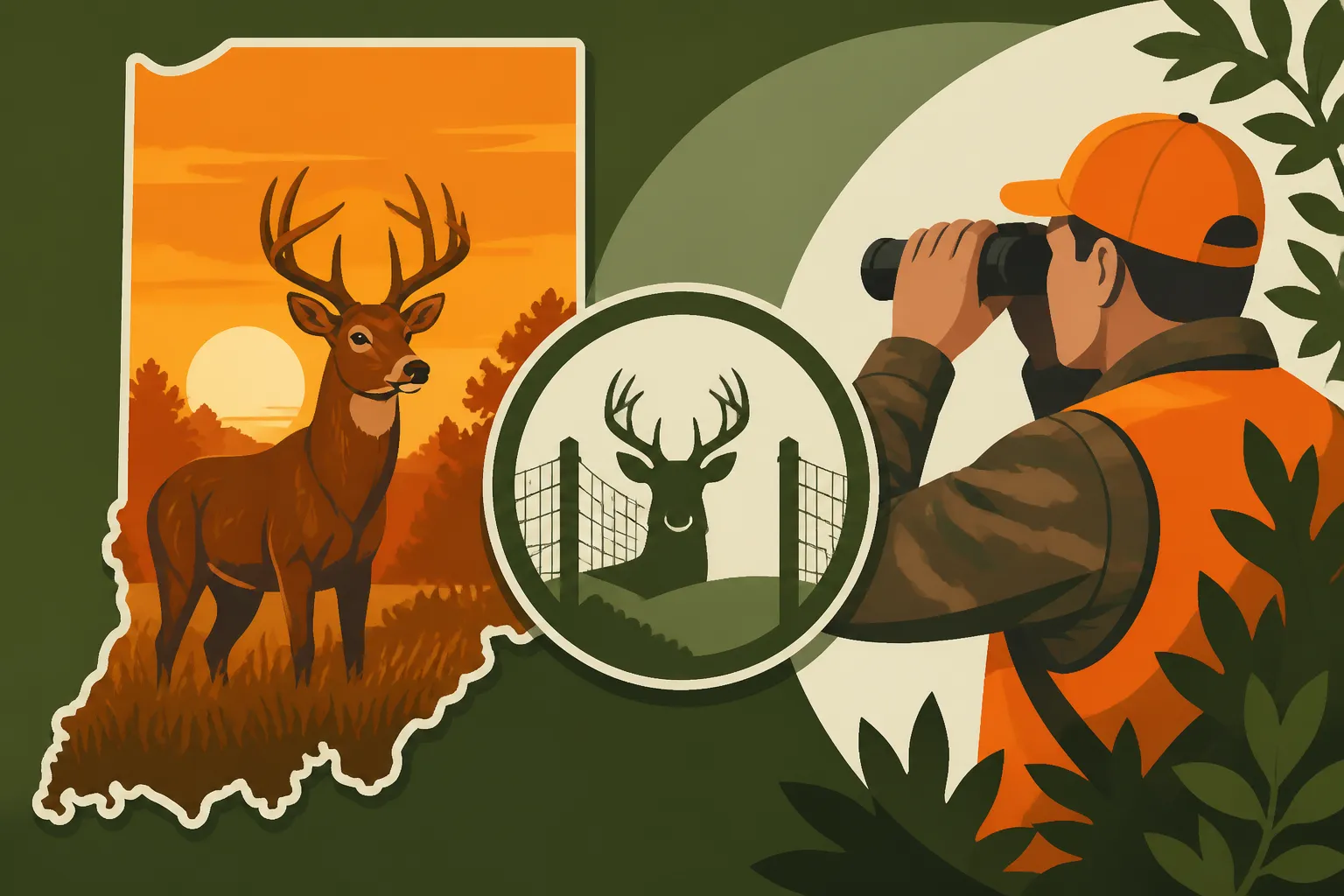
One of the most visible and critical aspects of these regulations revolves around facility standards, particularly fencing. We're not talking about typical farm fencing here. Indiana mandates robust, often double-fencing systems, typically at least eight feet high, constructed with specific materials designed to prevent both escape of captive animals and entry of wild deer. This physical barrier is the first line of defense against disease transmission and genetic mixing. Think about it: a determined wild buck can jump quite high, and these fences are designed to deter even the most acrobatic whitetail. Beyond fencing, facilities must have plans for waste management and animal housing that prevent contamination and ensure animal welfare.
Animal identification and inventory tracking are also non-negotiable. Every captive cervid in Indiana must be individually identified, typically through ear tags or microchips. This allows for meticulous record-keeping of each animal's health history, origin, and destination if moved. Operators are required to maintain detailed inventories, reporting births, deaths, and movements to BOAH. This precise tracking is vital for disease surveillance, allowing authorities to quickly trace an animal’s history if a health concern arises. Imagine trying to track an outbreak without knowing which animals came from where – it would be a nightmare.
Movement of animals, whether importing from out of state, exporting, or simply moving between facilities within Indiana, is heavily regulated through movement restrictions. Each movement requires specific permits and often includes mandatory testing, especially for CWD. For example, any cervid imported into Indiana must originate from a CWD-certified herd and undergo specific CWD testing protocols before entry. Similarly, animals moved within the state must meet certain health criteria. These restrictions are in place to create firebreaks against disease spread, ensuring that a problem in one facility doesn't easily contaminate another or the wild herd. It's about containing risks. If you're wondering how pervasive CWD might be, you can check out How Many Deer Have Tested CWD-Positive in Indiana.
Finally, veterinary care and health protocols are a cornerstone of oversight. Captive cervid operations are required to have a relationship with a licensed veterinarian who helps develop and oversee herd health plans. This includes regular veterinary examinations, vaccination schedules, and mandatory disease testing. For instance, CWD testing is required for all cervids that die at a facility over a certain age. If an animal tests positive for a serious disease, immediate protocols are triggered, which can include quarantine, additional testing, and, in severe cases, depopulation of the affected herd to prevent further spread. The goal is proactive health management, catching potential problems before they escalate.
To put some of these requirements into perspective, here's a brief overview:
| Requirement Category | Key Details | Purpose |
|---|---|---|
| Licensing | Annual permit from Indiana State Board of Animal Health (BOAH). Requires application, facility plans, and inspections. | Ensures legitimate, compliant operations. |
| Fencing | Minimum 8-foot high perimeter fencing, often double-fenced, with specific mesh/material requirements. Designed to prevent escape/entry. | Physical barrier against disease transmission and genetic mixing with wild cervids. |
| Animal ID & Tracking | Individual identification (e.g., ear tags). Detailed records of births, deaths, and movements. Regular inventory reporting to BOAH. | Facilitates disease tracing, accurate herd management, and prevents commingling of unknown animals. |
| Disease Testing | Mandatory CWD testing for all cervids over 12 months that die on premises. Additional testing for other diseases (e.g., TB) as required by BOAH. | Early detection of diseases to prevent widespread outbreaks. |
| Movement Permits | Specific permits required for all imports, exports, and intrastate movements. Animals must meet health certificate requirements and often additional testing. | Controls the spread of disease between facilities and states. |
| Veterinary Oversight | Must have a veterinarian of record to assist with herd health plans, preventative care, and disease response. | Professional guidance for animal welfare and disease prevention. |
| Contingency Plans | Facilities must have plans for handling disease outbreaks, escapes, and other emergencies, reviewed and approved by BOAH. | Ensures rapid, effective response to minimize risks during unforeseen events. |
Operators, and even those interested in the broader regulatory landscape, might find it useful to regularly check the official BOAH website for the most current guidelines. Companies like GoHunt, while primarily focused on hunting licenses and draw odds, are excellent resources for general outdoor enthusiasts looking to stay informed on wildlife-related policies and regulations that often impact or intersect with these broader issues.
The State Board of Animal Health's Central Role in Cervid Health
When we talk about captive cervid oversight in Indiana, one entity stands above the rest: the Indiana State Board of Animal Health (BOAH). They are the primary authority, the tip of the spear in ensuring the health of both captive and, by extension, wild cervid populations within the state. Understanding their multifaceted role is key to appreciating the depth of Indiana's commitment to disease prevention and sound animal agriculture.
BOAH isn't just a regulatory body that issues licenses; they are actively involved in surveillance and monitoring. Their team of veterinarians, inspectors, and animal health specialists works tirelessly to detect potential disease threats early. This involves routine facility inspections to ensure compliance with fencing and sanitation standards, as well as reviewing all required animal movement and health records. Perhaps most critically, they oversee mandatory disease testing protocols. When a captive cervid dies on a licensed premises, BOAH ensures that CWD testing is conducted if the animal is over 12 months of age. This widespread testing acts as an early warning system, hopefully catching any signs of CWD before it can take hold or spread. This ongoing vigilance is a critical part of Indiana's overall Indiana Wildlife Disease Monitoring efforts.
Should a disease outbreak occur, BOAH is at the forefront of the emergency response. They have established protocols for rapid deployment, including quarantine measures, further testing of affected and exposed animals, and coordinating with other state and federal agencies. Their ability to act quickly and decisively in such situations is paramount to containing a disease and preventing it from becoming an unmanageable crisis. For example, if a captive cervid were to test positive for CWD, BOAH would immediately initiate an epidemiological investigation, tracing the animal's origins and destinations, and implementing strict herd-level containment measures.
Beyond their direct regulatory and response duties, BOAH also plays a crucial role in collaboration with other state agencies, most notably the Indiana Department of Natural Resources (DNR). While BOAH focuses on the health of domestic animals, including captive cervids which are legally considered livestock, the DNR is responsible for the health and management of Indiana’s wild deer herd. This means information sharing, coordinated disease surveillance, and joint policy discussions are essential. For instance, if CWD is detected in a captive herd, BOAH and DNR would work together to assess the risk to nearby wild populations and determine appropriate actions, which could include enhanced surveillance or sampling in the surrounding areas, similar to efforts in Indiana's CWD positive area. This kind of cross-agency teamwork ensures a holistic approach to protecting all cervids in the state.
Challenges and the Future of Captive Cervid Management
Despite the robust framework of oversight, the management of captive cervids in Indiana faces ongoing challenges, largely driven by the biological realities of disease and the complex interplay of public perception and economic interests. The future of this industry, and the health of our wild deer, hinges on how effectively these challenges are addressed.
The most formidable and ever-present challenge is undoubtedly Chronic Wasting Disease (CWD). As mentioned, CWD is a highly contagious, fatal neurological disease in cervids, and it's particularly insidious because of its long incubation period and resistance to environmental degradation. It's a game-changer for deer management, both wild and captive. Indiana has already had to contend with the detection of CWD in its wild deer population, establishing an Indiana's Chronic Wasting Disease Positive Area in several northeastern counties. This makes the oversight of captive cervids even more critical, as any lapse could exacerbate the problem and put more pressure on the wild herd. The constant threat of CWD demands continuous research, updated testing protocols, and unwavering vigilance from BOAH and facility operators alike. The financial burden of CWD testing and the devastating impact of potential outbreaks are major stressors on the captive cervid industry.
Another significant hurdle comes from public perception and hunter concerns. Many hunters, understandably passionate about the health and integrity of the wild deer resource, view captive cervid operations with a degree of skepticism or even outright opposition. There's a persistent fear that captive herds could introduce or spread diseases like CWD to wild deer, undermining conservation efforts and the quality of the hunting experience. This creates tension between the agricultural interests of captive cervid farmers and the conservation goals of the DNR and the hunting community. Balancing these different stakeholders' perspectives, while rooted in sound science and effective management, is a delicate and ongoing task for state agencies. After all, the passion that drives a hunter to learn about Indiana Deer Season Structure Explained is the same passion that fuels their concern for the wild herd.
Ensuring genetic integrity is another subtle but important aspect of oversight. While good fencing minimizes the risk, preventing any potential interbreeding between captive animals—which may have specific genetic traits bred for antler size or other characteristics—and the wild population is crucial. The goal is to maintain the natural genetics of Indiana's wild deer, free from the influence of domesticated or selectively bred animals.
Looking ahead, the landscape of captive cervid management will likely see ongoing adaptations to regulations. As scientific understanding of diseases like CWD evolves, or as new disease threats emerge, BOAH will need to review and update its rules to remain effective. This might include changes to fencing standards, testing requirements, or movement protocols. Collaboration between researchers, state agencies, and the captive cervid industry will be vital to navigate these changes effectively. The emphasis will remain on prevention, rapid detection, and containment to protect Indiana's wild deer, which are a cherished natural resource. For any resident who encounters a sick or suspicious-acting animal, reporting it through channels like Reporting a Sick Animal in Indiana remains a key part of this collective vigilance.
Disclaimer
The information provided in this guide is for general informational purposes only and is not intended as legal advice or a substitute for official regulations. Hunting regulations, licensing requirements, and wildlife disease protocols can change frequently. Always consult the most current official publications from the Indiana Department of Natural Resources (DNR) and the Indiana State Board of Animal Health (BOAH) or other relevant state agencies before engaging in any hunting activities or operating a captive cervid facility.