Indiana Deer Farm Regulations
For those involved with or curious about raising deer in Indiana, navigating the specific rules and regulations can feel like slogging through deep mud after a heavy rain. It's a complex area with significant implications for animal health, public safety, and the integrity of our wild deer herd. This guide aims to thoroughly explain Indiana's deer farm regulations, shedding light on the licensing requirements, disease prevention measures, and the ongoing oversight that shapes this industry in the Hoosier State.
The Regulatory Landscape for Deer Farms in Indiana
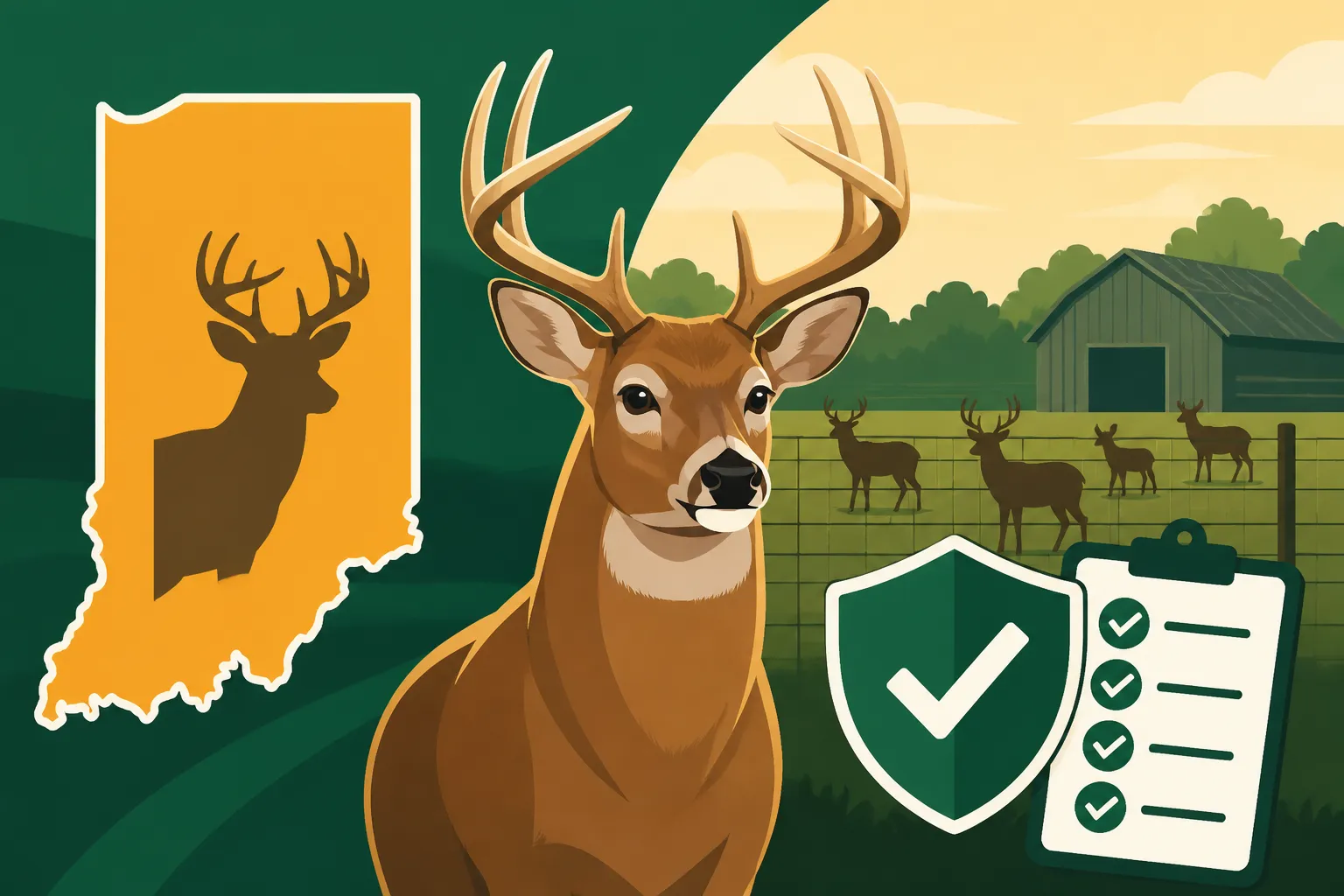
Operating a deer farm, or more broadly, any captive cervid facility in Indiana, isn't as simple as fencing off a pasture and buying some fawns. The state takes the management of captive deer very seriously, primarily due to concerns about disease transmission, especially Chronic Wasting Disease (CWD), to our wild deer population. This isn't just about controlling agriculture; it's about protecting a vital natural resource that countless hunters and wildlife enthusiasts cherish.
Understanding Indiana's Approach to Captive Cervids
Indiana's stance on captive cervids—which includes deer, elk, and similar species—is rooted in a preventative philosophy. The state aims to create a clear separation between wild and captive populations, especially concerning health protocols. This means that captive cervid operations are subject to strict biosecurity measures and continuous monitoring. The regulations are designed to minimize any potential for disease crossover, which could have devastating effects on our free-ranging deer. Think of it like a meticulous gardener keeping invasive species out of their prized flower beds; the state wants to keep the wild herd healthy and free from illnesses that could originate or spread from captive facilities. It's a delicate balance between allowing commercial enterprise and safeguarding the public trust in our wildlife management.
The Indiana Department of Natural Resources (DNR) and the Indiana State Board of Animal Health (BOAH) work together on this front. While the DNR generally manages wild populations, BOAH focuses on the health and welfare of domestic animals, a category that includes captive cervids under state law. This dual oversight creates a comprehensive, albeit sometimes intricate, web of regulations that operators must adhere to. Anyone considering getting into this business, or even just expanding an existing one, needs to be acutely aware of which agency governs what aspect of their operation. It's not a set-it-and-forget-it type of endeavor; ongoing compliance is absolutely critical.
Key State Agencies Involved in Oversight
When it comes to Indiana deer farm regulations, two main state agencies share the responsibility: the Indiana State Board of Animal Health (BOAH) and the Indiana Department of Natural Resources (DNR). Their roles are distinct yet interconnected, forming a layered approach to ensure the health and proper management of captive cervids.
BOAH, as the primary authority for animal health in the state, takes the lead on disease surveillance and prevention in captive cervid herds. This means they are responsible for things like requiring CWD testing, maintaining herd records, and enforcing biosecurity measures. Their focus is on preventing the spread of diseases within captive herds and, crucially, preventing any transmission from captive animals to wild populations. They issue the actual licenses to operate a captive cervid facility and conduct regular inspections to ensure compliance with health protocols. If you have questions about specific health requirements, disease outbreaks, or movement permits, BOAH is your first point of contact. They also handle emergency situations, like a confirmed CWD case, dictating quarantine measures and eradication efforts.
The DNR, while not directly licensing deer farms, plays a vital role in the broader context of wildlife conservation. They are concerned with the overall health and management of Indiana's white-tailed deer population and other wild game. The DNR's input often shapes the policies that BOAH then implements, particularly regarding CWD management and any rules that might impact wild deer. For instance, the DNR's understanding of Chronic Wasting Disease in Indiana Deer influences the testing requirements BOAH imposes on captive herds. Hunters often voice their concerns to the DNR about the potential risks posed by deer farms, and the DNR acts as a steward for those wild resources. They also have enforcement powers if captive cervids are found outside of approved enclosures or if illegal hunting activities are suspected.
Disease Management and CWD Prevention on Deer Farms
Perhaps the most critical aspect of Indiana's deer farm regulations revolves around disease management, particularly the omnipresent threat of Chronic Wasting Disease (CWD). This isn't just a concern for the deer farmer; it's a statewide priority to protect Indiana's wild deer herd. The state takes a very firm stance on this, understanding that a single outbreak could have devastating long-term consequences. It's a constant battle against a stealthy and persistent enemy, and captive cervid operations are on the front lines.
Mandatory Testing and Surveillance Protocols
For any licensed captive cervid facility in Indiana, mandatory CWD testing is not just a suggestion, it's the law. Every cervid in a licensed herd that dies or is harvested must be tested for CWD. This robust surveillance program is the cornerstone of Indiana's strategy to detect the disease early and prevent its spread. Imagine running a business where every product you create has to undergo a specific, rigorous safety check before it leaves the factory; that's essentially the reality for deer farmers. The samples are collected and sent to approved diagnostic laboratories, and the results are meticulously tracked by BOAH. This diligent testing is crucial because CWD can take a long time to manifest visible symptoms, making early detection through testing absolutely essential.
Beyond individual animal testing, facilities must maintain detailed records of all their animals, including their origins, movements, and health histories. This traceability is vital. If a CWD positive animal is identified, health officials need to quickly trace its lineage and all contact points to determine potential exposure risks. This includes animals that may have been moved off the farm or brought onto it. For hunters, understanding Indiana CWD Testing for Hunters is important, but for captive cervid operators, it's a mandatory, ongoing commitment that requires careful documentation and cooperation with state authorities. It’s an involved process, but it’s the best defense we have against CWD becoming widespread.
Movement Restrictions and Interstate Transport Concerns
The movement of captive cervids, whether within Indiana or across state lines, is heavily regulated to prevent the spread of disease. You can't just load up a trailer with deer and drive them wherever you please. Any movement, even between two facilities within Indiana, typically requires a permit from BOAH. These permits ensure that animals being moved come from herds with a clean health history and meet specific testing requirements. This is especially true for Indiana Carcass Movement Restrictions, which apply to harvested wild deer from CWD-positive areas but have parallel principles for captive animals. The goal is to create a secure chain of custody and prevent an infected animal from inadvertently introducing disease to a new location.
Interstate transport introduces another layer of complexity. If a deer farm in Indiana wants to import or export cervids, they must comply not only with Indiana's regulations but also with the regulations of the destination or origin state, as well as federal requirements. Many states have stringent import rules, often requiring CWD-certified herds, extensive testing records, and specific permits. This can be a significant hurdle, as CWD prevalence varies by state, and all states are rightly cautious. For instance, if you were to use a platform like GoHunt to research regulations in other states for a potential import, you'd quickly find a patchwork of diverse and often strict rules. It highlights the importance of thorough research and meticulous planning when moving any captive cervids. The consequences of non-compliance can be severe, ranging from fines and seized animals to full herd depopulation if a CWD outbreak is linked to illegal movement.
Licensing, Permits, and Compliance for Deer Farms
Getting a deer farm up and running, or even just keeping an existing one compliant, involves a bureaucratic journey through various licenses and permits. It's not a "set it and forget it" situation; these are ongoing responsibilities that require attention to detail and a proactive approach. Understanding the requirements from the outset can save a lot of headaches and potential legal troubles down the line. It's a testament to the state's commitment to responsible management of captive cervids, as detailed in its overarching policies on Indiana Captive Cervid Oversight.
Obtaining and Maintaining a Captive Cervid License
The foundational requirement for operating a deer farm in Indiana is obtaining a Captive Cervid License from the Indiana State Board of Animal Health (BOAH). This isn't just a formality; it signifies that your facility meets certain standards for animal welfare, containment, and disease prevention. The application process is thorough, requiring detailed information about your facility's location, fencing, animal acquisition plans, and biosecurity measures. BOAH inspectors will likely visit your property to ensure it meets the physical requirements, such as secure fencing that prevents escape and contact with wild deer.
Once you have the license, maintaining it is an ongoing commitment. This includes annual renewals, adherence to all disease testing protocols, accurate record-keeping of your herd, and allowing BOAH staff access for inspections at any reasonable time. Failing to renew your license or consistently falling short on compliance can lead to penalties, including fines, suspension, or even revocation of your license. It's a serious responsibility, and operators must treat it as such. Some operators even use specialized software or detailed record-keeping systems to ensure they're always ready for an audit or inspection, similar to how hunters might use GoHunt to keep track of their tag quotas and application history for public land draws. The vigilance is key to staying in good standing with the state.
Common Pitfalls and How to Avoid Them
Even well-intentioned deer farmers can stumble over common regulatory pitfalls. One frequent issue is inadequate fencing. Indiana law requires fencing that is robust enough to contain captive cervids and prevent entry by wild deer. This means specific heights, mesh sizes, and construction standards. A fence that's merely "good enough" for domestic livestock might not cut it for cervids. Regular maintenance and prompt repair of any breaches are critical. A lapse in fencing can lead to escaped animals, which poses a disease risk to the wild herd and could result in significant fines and recovery costs.
Another common pitfall is a failure to keep meticulous records. Every acquisition, birth, death, and movement of a cervid must be documented. If an animal is found to be CWD positive, or if there's any health investigation, these records are invaluable for tracing purposes. Inaccurate or incomplete records can lead to serious compliance issues and hinder disease control efforts. Furthermore, not understanding or complying with the mandatory CWD testing schedule for herd mortalities is a major red flag. Proactive communication with BOAH, staying informed about any updates to regulations, and implementing strong biosecurity protocols, such as limiting access to your facility and thoroughly cleaning equipment, are all crucial steps to avoid these common issues and maintain a healthy, compliant operation.
Public Perception and Hunter Concerns Regarding Deer Farms
Deer farms, especially those raising deer for hunting purposes in contained environments, often spark strong opinions among the general public and within the hunting community. It's a topic that touches on ethics, conservation, and the perception of fair chase, creating a nuanced debate that Indiana wildlife managers and hunters grapple with regularly. These discussions often highlight a fundamental tension between agricultural enterprise and traditional wildlife stewardship.
The Ethical Debate Surrounding Captive Deer
The ethical questions surrounding deer farms are multifaceted. Many traditional hunters and conservationists argue that raising deer in captivity, especially for "canned hunts" where animals are pursued within a high-fenced enclosure, undermines the principles of fair chase. They believe that hunting should involve truly wild animals in their natural habitats, where the animal has a genuine chance to escape and the hunter must rely on skill, woodcraft, and luck. This perspective views deer farming as a commodification of wildlife, reducing a revered game animal to a livestock product. The idea of Game You Cannot Hunt in Indiana sometimes gets blurred with species that are raised in captivity, leading to confusion and frustration among the public.
Conversely, proponents of deer farming often emphasize the agricultural aspect, viewing deer as a viable livestock species similar to cattle or sheep. They point to the economic benefits, such as providing venison and genetic stock, and argue that well-managed captive herds contribute to conservation by reducing pressure on wild populations. They also highlight the rigorous health protocols and investments in genetic improvements for healthier, larger deer. From this viewpoint, the ethical concerns are often dismissed as misunderstandings of modern agricultural practices. This debate is deeply ingrained in the hunting culture and is likely to continue as long as deer farms operate.
Impact on Wild Deer Populations and CWD Management
Perhaps the most significant concern for wildlife agencies and the public alike is the potential impact of deer farms on Indiana's wild deer population, particularly concerning disease transmission. The primary fear, as we've discussed, is Chronic Wasting Disease. While captive cervid facilities have strict biosecurity and testing protocols, any breach—an escaped infected animal, a break in fencing, or illegal movement of animals—could introduce CWD into a previously unaffected wild herd. This is especially poignant given that Indiana already has a Indiana's Chronic Wasting Disease Positive Area in its northeastern counties. The thought of expanding this CWD positive area due to a captive facility is a nightmare scenario for conservationists.
Wild deer, constantly interacting with their environment and each other, could rapidly spread CWD once it's introduced. The long-term consequences of a widespread CWD outbreak in wild deer are severe: population declines, changes in herd structure, and potentially reduced hunting opportunities. This concern often leads to public resistance to new deer farm proposals and increased scrutiny of existing operations. Wildlife managers, including those using sophisticated tools like GoHunt for data analysis on wild populations, consistently monitor CWD trends. The health of the wild herd is paramount, and any activity, including deer farming, that poses a risk to that health will always be viewed with intense caution and strict regulation.
Here's a quick overview of the primary responsibilities for captive cervids in Indiana:
| Aspect of Deer Farm Operation | Primary Regulating Agency | Key Responsibilities |
|---|---|---|
| Licensing Facilities | Indiana BOAH | Issuing and renewing captive cervid licenses, facility inspections. |
| Disease Testing (CWD) | Indiana BOAH | Mandating and overseeing CWD testing on all mortalities, record-keeping. |
| Animal Movement | Indiana BOAH | Issuing permits for intrastate and interstate transport of cervids. |
| Biosecurity & Health | Indiana BOAH | Establishing and enforcing health protocols, quarantine measures. |
| Wild Deer Interaction | Indiana DNR | Monitoring interaction, preventing escape, impact on wild deer populations. |
| Hunting Regulations | Indiana DNR | Regulating hunting seasons, bag limits for wild deer. |
| Genetic Oversight | Indiana BOAH | Tracking breeding records, genetic diversity within captive herds. |
| Enforcement (Violations) | Indiana BOAH & DNR | Fines, license suspension/revocation, confiscation of animals. |
Disclaimer
The information provided in this guide is for general informational purposes only and does not constitute legal advice. Hunting regulations, licensing requirements, and disease protocols are subject to change. Always consult the most current regulations published by the Indiana Department of Natural Resources (DNR) and the Indiana State Board of Animal Health (BOAH) or seek professional legal counsel before making decisions related to hunting, deer farming, or wildlife management.