Indiana CWD Testing for Hunters
Hunting in Indiana brings so much joy and tradition, but let's be honest, there's a growing concern that casts a shadow over every deer season: Chronic Wasting Disease, or CWD. It's an issue that can make even the most seasoned hunter feel a bit uncertain about regulations, testing requirements, and what to do if you harvest a deer in an affected area. This guide is here to cut through the confusion and give you a clear, comprehensive understanding of Indiana's CWD testing procedures for hunters, ensuring you're prepared and confident when you head into the woods.
Understanding Chronic Wasting Disease in Indiana
It’s completely normal to feel a bit overwhelmed when you hear about CWD. This isn't just another buzzword; it's a serious neurological disease that affects cervids, including our beloved white-tailed deer. When we talk about Chronic Wasting Disease in Indiana Deer, it's about protecting the health of the herd and preserving our hunting heritage for generations to come.
What is CWD and Why It Matters to Hunters
CWD is a transmissible spongiform encephalopathy (TSE), similar to mad cow disease, that impacts the brain and nervous system of deer, elk, moose, and caribou. It's caused by abnormal proteins called prions that slowly degrade the animal's brain, leading to severe neurological symptoms over time. Think of it like a slow, debilitating illness that ultimately proves fatal for the infected animal. Symptoms can include drastic weight loss, stumbling, listlessness, excessive salivation, and behavioral changes. For hunters, this isn't just a concern for the deer; it raises questions about venison safety and the long-term health of the deer population we cherish. Nobody wants to harvest an unhealthy animal, and understanding CWD is the first step in being a responsible steward of the land and its wildlife.
How CWD Affects Deer and the Herd
When CWD takes hold in a deer population, it doesn't just impact individual animals. It can have significant ripple effects on the entire herd. Infected deer become thinner and weaker, making them more vulnerable to predators, other diseases, and harsh environmental conditions. The disease can spread through direct contact between deer, but also indirectly through contaminated environments, as prions can persist in soil, plants, and even water for years. This persistence makes it incredibly challenging to contain once established. A high prevalence of CWD in a herd can lead to population declines, altered age structures, and a decrease in overall herd health. For those of us who spend countless hours in the woods, Reading an Indiana Harvest Report can provide insights into population trends, and CWD is now a factor that wildlife managers are closely monitoring to ensure sustainable hunting.
Indiana's CWD Positive Area Explained
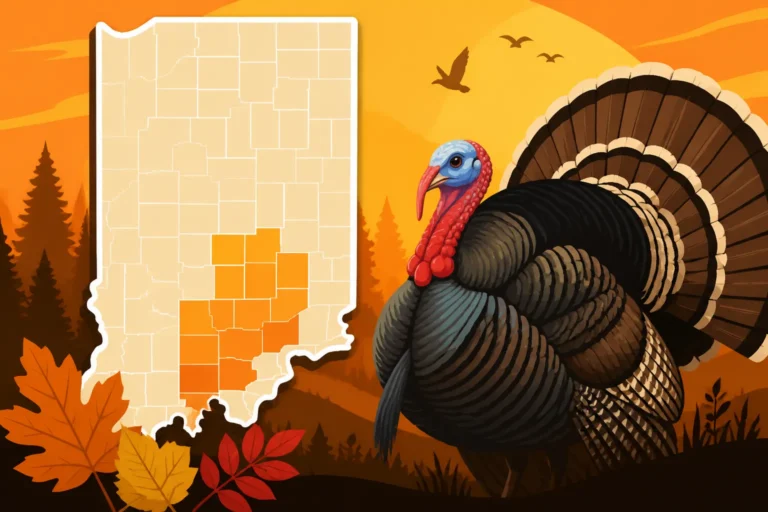
Indiana hasn't been hit as hard by CWD as some neighboring states, but we've certainly had our share of concerns. The Indiana Department of Natural Resources (DNR) maintains specific "CWD positive areas" where the disease has been detected. These areas are not static; they can expand as new cases are confirmed. For example, you might remember when Why Noble County Expanded the CWD Positive Area became a major discussion point among hunters, highlighting how quickly the landscape can change. Currently, Which Six Counties Sit in Indiana's CWD Positive Area are critical to understand, as regulations and testing requirements are often tied directly to these geographical zones. Hunters need to be especially vigilant and informed if they plan to hunt within or near these counties. Staying on top of these boundaries is crucial for compliance and for doing your part to manage the disease. Many hunters use mapping applications, and platforms like GoHunt can sometimes offer insights or links to official DNR resources to help you visualize these zones.
When and Where CWD Testing is Mandatory
Navigating the rules around CWD testing can feel like trying to find your way through a thick briar patch – it's dense and can be confusing. However, knowing when and where testing is mandatory is non-negotiable for Indiana hunters. These regulations are put in place for a good reason: to monitor the spread of the disease and gather crucial data to protect our deer herd.
Mandatory Testing Zones and Dates
The most important thing to remember is that mandatory CWD testing is typically confined to Indiana's CWD positive area. This designated zone, primarily in certain northern Indiana counties, requires hunters who harvest deer within its boundaries to submit their animals for testing during specific periods. These periods often coincide with the firearms deer season and, sometimes, the muzzleloader season, when harvest numbers are highest. It's not a year-round requirement, but rather a focused effort during peak hunting pressure. Always check the current Indiana hunting regulations for the exact dates and counties, as these can change from year to year based on surveillance data and new CWD detections. For instance, the DNR might announce specific check station hours and locations for Mandatory Testing Inside Indiana's Positive Area, so it's essential to plan your hunt accordingly if you're in one of those zones. Missing these deadlines or failing to comply can lead to penalties, so don't get caught off guard!
Specific Requirements for Harvested Deer
If you're lucky enough to harvest a deer in a mandatory CWD testing zone during the specified dates, there are clear steps you need to follow. First and foremost, you'll need to report your deer, which can often be done through the Registering an Indiana Deer Online system or the Indiana DNR's mobile app. Once reported, you'll typically be directed to a CWD sampling station. These stations are often staffed by DNR personnel or trained volunteers who will collect lymph node samples from your deer. They're usually pretty efficient, understanding that hunters want to get their deer processed quickly. Make sure to have your deer information ready, including your harvest confirmation number. The DNR doesn't usually require the entire carcass; they just need specific tissue samples for analysis. This process helps the state track Indiana CWD Prevalence in the Positive Area and determine if the disease is spreading.
When bringing your deer to a sampling station, consider how you've handled it. While you don't need to bring a fully field-dressed deer, certain levels of care, like those outlined in Field Dressing a Deer in Cold Weather, are always good practice. The goal is to get a clean sample for accurate testing, which helps everyone in the long run.
Voluntary CWD Testing for Peace of Mind
Even if you're not hunting in a mandatory CWD zone, the thought of CWD can still linger in the back of your mind. That's perfectly natural. Many hunters choose to get their deer tested voluntarily, simply for their own peace of mind and to contribute valuable data to Indiana's CWD monitoring efforts.
Why You Might Consider Voluntary Testing
Perhaps you hunt close to a designated CWD positive area, or maybe you've heard anecdotal reports of sick-looking deer in your regular hunting spots. Or maybe you're just someone who wants to be extra cautious about the venison you're putting on your table. All of these are perfectly valid reasons to consider voluntary testing. While there's no scientific evidence of CWD transmitting to humans, health organizations still recommend not consuming meat from CWD-positive animals. For many, this added layer of precaution makes the extra effort of testing worthwhile. It's about personal responsibility and ensuring that the meat you worked so hard for is as healthy as possible. Plus, every voluntary test submitted helps the DNR gather more comprehensive data across the state, giving them a better picture of the disease's distribution and informing future management strategies. It’s an easy way to become part of the solution. If you're passionate about White-Tailed Deer Across Indiana, contributing to CWD surveillance is a direct way to help.
How to Get Your Deer Tested Voluntarily
Getting your deer tested voluntarily is simpler than you might think, though it requires a bit of proactive effort on your part. The Indiana DNR often partners with local cooperating veterinarians who are trained to collect CWD samples. You can often find a list of these participating vets on the DNR's website. If you harvest a deer outside a mandatory testing zone and wish to have it tested, you'd typically contact one of these veterinarians, make an appointment, and bring the deer's head (or the specific tissue sample if you're comfortable collecting it yourself, which the DNR provides guidance on) to their clinic. Some DNR properties or designated drop-off locations might also offer voluntary sampling options during certain periods, so always check the latest DNR announcements. There's usually a small fee associated with voluntary testing to cover the lab costs, but many hunters find this a small price to pay for the assurance it provides. Staying informed through resources like GoHunt or the DNR's official channels will help you find the closest and most convenient sampling options.
The CWD Testing Process for Hunters
Once you've made the decision to get your deer tested, whether mandatorily or voluntarily, understanding the actual process helps alleviate any anxiety. It's pretty straightforward, designed to be efficient for hunters while ensuring accurate results for the DNR.
Collecting Samples at Check Stations
When you bring your harvested deer to a mandatory CWD check station, the process is usually quite streamlined. You'll typically be asked for your harvest confirmation number and the location where the deer was harvested. DNR staff or trained volunteers will then explain the procedure. They will collect specific lymph nodes, usually retropharyngeal lymph nodes located in the throat area, or sometimes brainstem tissue. This usually involves a small incision that doesn't compromise the rest of the carcass. The entire process takes only a few minutes. They'll place the samples in a sealed container, assign a unique identification number, and send them off to a specialized lab for analysis. While they're collecting the sample, you might have a chance to ask questions or get some general updates on Indiana's Chronic Wasting Disease Positive Area. It’s a great opportunity to interact with wildlife professionals and learn more.
If you’re doing a Deer Drives on Indiana Public Land and harvest an animal in a mandatory testing zone, make sure you know the nearest check station or collection point ahead of time. Planning is key, especially if you’re hunting remotely.
Submitting Samples Through Veterinarians or DNR
For voluntary testing, or if you're outside a mandatory check station area but still within a CWD management zone, submitting samples through a participating veterinarian is often the path. You'll usually need to bring your deer's head to the vet clinic. They will then perform the same collection procedure as DNR staff, package the sample, and send it to the lab. Make sure to call ahead to schedule an appointment and confirm any fees.
In some cases, the DNR might offer drop-off locations at specific Fish & Wildlife Areas (FWAs) or State Forests, especially during peak season. These are typically self-service stations where you can deposit a pre-prepared sample kit with your deer's head. You would follow instructions provided, ensuring the sample is correctly labeled and secured. The DNR's website is the best place to find current lists of participating veterinarians and drop-off sites, often broken down by county, to make Finding an Indiana CWD Sampling Location as easy as possible. Remember, proper handling, like when Butchering a Deer at Camp, can ensure the carcass remains in good condition for meat processing even after sampling.
Interpreting Your Test Results
After your sample is collected and submitted, it's a waiting game. Lab results typically take a few weeks, though this can vary depending on the volume of samples. You'll usually receive notification of your results via email or a letter, and sometimes you can check the status online through the DNR's harvest reporting system.
- Negative Result: This is what every hunter hopes for. A negative result means no CWD prions were detected in the tissue sample. You can proceed with processing and consuming your venison with confidence.
- Positive Result: If your deer tests positive for CWD, the DNR will contact you directly to explain the results and discuss next steps. They will strongly advise against consuming the venison. While rare, a positive result underscores the importance of the testing program. In such cases, the DNR often offers guidance on Handling Venison From a CWD Positive Area and proper disposal of the carcass. A positive result also triggers further surveillance in the area to assess the extent of the disease.
It's important to understand that no test is 100% perfect, but the CWD tests used by Indiana DNR are highly reliable. Should you receive a positive result, it's a call to action for the DNR and a reminder of the vigilance needed from the hunting community.
Preventing the Spread of CWD and Safe Practices
As hunters, we are often the first line of defense against wildlife diseases. Being informed and practicing responsible habits are crucial steps in preventing the further spread of CWD in Indiana. It’s not just about compliance; it’s about being a conservationist.
Carcass Movement Restrictions and Their Importance
One of the most critical aspects of CWD management is regulating the movement of deer carcasses, especially out of CWD positive areas. Indiana Carcass Movement Restrictions are designed to prevent hunters from inadvertently spreading CWD prions to new areas. These rules typically prohibit moving certain parts of a deer—like the brain, spinal cord, or any bone-in parts—out of the CWD positive zone. The parts that can be moved usually include deboned meat, capes (without the skull plate), antlers (cleaned of all brain tissue), and cleaned skull plates.
Why is this so important? Because the prions that cause CWD are most concentrated in the brain, spinal cord, lymph nodes, and spleen. Moving these parts from an infected area to a clean one risks contaminating new soil and water, establishing new reservoirs for the disease. If you harvest a deer in a CWD-positive county, planning your processing ahead of time, potentially utilizing local processors within the zone, is a wise strategy. This diligent approach helps protect the health of Indiana Deer Population Estimate statewide.
Best Practices for Field Dressing and Processing
Beyond carcass movement, how you handle your deer immediately after harvest can make a difference. When Field Dressing a Deer in Cold Weather or warm, there are a few best practices to keep in mind regarding CWD:
- Wear Gloves: Always wear disposable gloves when field dressing any deer. This is a good general hygiene practice, but especially important with CWD, even though there’s no known human transmission, it's better to be safe.
- Minimize Contact: Try to minimize contact with brain and spinal tissues. If you're removing the head for sampling, be mindful of where those tissues might contact other parts of the carcass or your gear.
- Proper Disposal of Remains: Dispose of carcass waste (entrails, bones, head) from a deer harvested in a CWD positive area properly. This often means burying it deep on the property where the deer was harvested, if permissible, or utilizing designated collection points. Never dispose of it in landfills or areas where other deer might access it, as prions can persist in the environment.
- Cleanliness During Processing: If you're processing the deer yourself, ensure your work surfaces and tools are thoroughly cleaned afterward.
These steps, while perhaps adding a few extra minutes to your routine, are small prices to pay for the long-term health of Indiana's deer and hunting opportunities.
Equipment Sanitation and Personal Safety
Your hunting gear can also be a vector for CWD prions if not properly cleaned. While prions are incredibly tough, basic sanitation goes a long way.
- Knives and Tools: After field dressing or processing a deer, especially one from a CWD zone, thoroughly clean your knives, saws, and other tools. Use hot, soapy water and then consider a diluted bleach solution (e.g., a 50/50 bleach and water mix) to disinfect. Rinse thoroughly.
- Surfaces: Clean any surfaces that came into contact with the deer, whether it's your truck bed, a processing table, or even your boots. Again, hot, soapy water followed by a disinfectant is recommended.
- Clothing: Wash hunting clothes that may have come into contact with deer fluids.
- Personal Hygiene: Always wash your hands thoroughly with soap and water after handling a deer.
While CWD is a serious concern, by following these guidelines and staying informed through resources like the Indiana DNR and platforms such as GoHunt, we can all contribute to managing its spread. Hunter education, like what is taught through Indiana Hunter Education Requirements, instills these values of safety and responsibility, which extend to disease management. Remember, being a responsible hunter means being an informed hunter, and together, we can work to safeguard Indiana's deer herd for future generations.
CWD Testing Comparison Table for Indiana Hunters
Understanding the different scenarios for CWD testing can be complex. This table summarizes the key distinctions between mandatory and voluntary testing for Indiana hunters.
| Feature | Mandatory CWD Testing | Voluntary CWD Testing |
|---|---|---|
| Location | Designated CWD Positive Area counties (e.g., Noble, LaGrange, Steuben, DeKalb, Allen, Whitley, and potentially others) | Anywhere in Indiana, including outside CWD Positive Areas |
| Timing | Specific dates, usually coinciding with firearm deer season (check current regulations) | Any time during deer season after harvest |
| Purpose | Active surveillance, track disease spread, inform management decisions | Hunter peace of mind, contributing to broader surveillance data |
| Cost | Typically free for hunters in mandatory zones | Usually involves a fee (e.g., $20-$30 per sample) |
| Sample Collection | DNR check stations, designated drop-off sites | Participating veterinarians, sometimes specific DNR drop-offs |
| Requirements | Harvested deer from specific zones during specified dates | Any legally harvested deer |
| Carcass Movement | Strict Indiana Carcass Movement Restrictions apply when leaving the CWD positive area | Standard carcass rules apply for the harvest location |
| Notification | DNR directly notifies hunter of positive results; typically, online portal for all results | Veterinarian or lab notifies hunter of results |
Disclaimer
The information provided in this guide is for general informational purposes only and is subject to change. Hunting regulations, CWD positive areas, and testing procedures are determined by the Indiana Department of Natural Resources (DNR) and can be updated annually. Always consult the most current Indiana Hunting & Trapping Guide and the Indiana DNR website for the precise and up-to-date regulations before participating in any hunting activities. Neither the author nor the publisher assumes any liability for the use or interpretation of the information contained herein.