Indiana Fall Turkey Firearms Dates
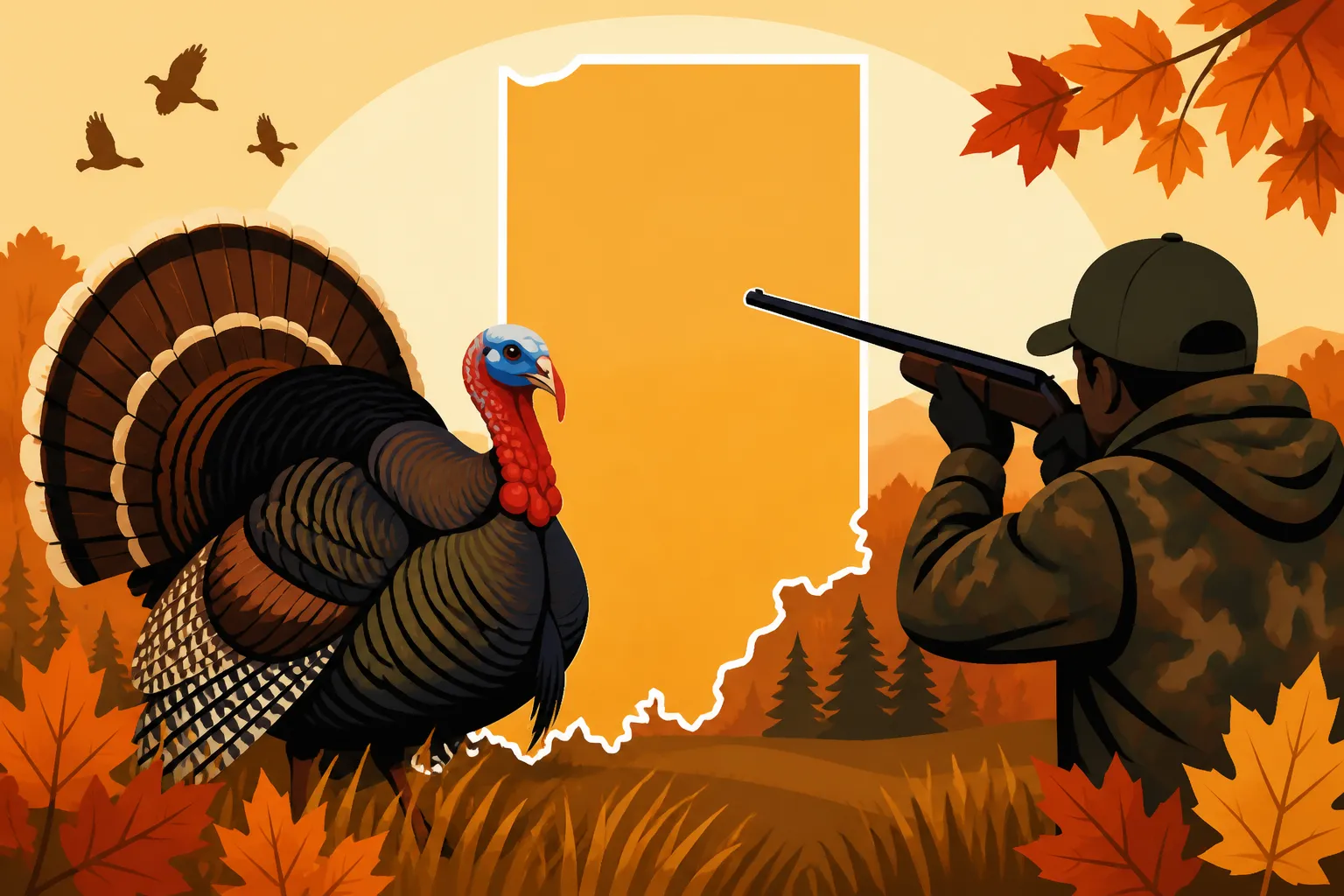
There’s a unique challenge that comes with chasing wild turkeys in the Hoosier State during the fall: figuring out exactly when and where you can even use a firearm. Unlike the straightforward statewide spring season, Indiana’s fall turkey firearms dates are often a puzzle of county-specific rules and shorter windows, leaving many hunters scratching their heads. This comprehensive guide is here to clear up all that confusion, giving you the precise dates, critical regulations, and practical advice you need to confidently pursue fall gobblers and hens with your shotgun or eligible firearm.
Understanding Indiana's Fall Turkey Firearms Season
The fall turkey season in Indiana is a beast entirely different from its spring counterpart. While spring hunting focuses on gobblers responding to breeding calls, the fall centers around breaking up family flocks and calling them back together. The most significant hurdle for many hunters, however, isn't the birds themselves, but the nuanced regulations. Specifically, the firearms portion of the fall season is notoriously restricted, both in its timeframe and the geographic areas where it's allowed. This isn't just a minor detail; it's the difference between a legal hunt and a frustrating mistake.
The Indiana Department of Natural Resources (DNR) designs these seasons with conservation and population management in mind. Fall turkey hunting, particularly with firearms, can be very effective at harvesting birds, so it's carefully managed to ensure healthy populations for years to come. That's why you’ll find that only certain counties are open to firearms during this window, reflecting local turkey densities and harvest data. It's a system designed to balance opportunity with sustainability, but it does mean hunters need to pay close attention.
Official Fall Firearms Dates
The Indiana Fall Turkey Firearms Dates typically run for a relatively short period in late October and early November. For the 2023-2024 season, this window was from October 25 to November 5, 2023. While the dates for the upcoming 2024-2025 season are usually released well in advance, they tend to follow a similar pattern, generally encompassing the last week of October and the first week of November. Always confirm the exact dates on the Indiana DNR website or through reliable hunting apps like GoHunt as they are officially published for the current year. This short, critical window means you need to be prepared and have your plans locked in long before opening day.
County-Specific Restrictions
This is where many hunters get tripped up. The fall firearms season isn't statewide; it's only open in a specific list of counties. If you're not hunting in one of these designated areas, you cannot use a firearm for fall turkey. This restriction is paramount for managing local populations and preventing overharvest in areas where turkey numbers might be lower or more vulnerable.
The list of counties can sometimes shift slightly from year to year, depending on population assessments, so it's vital to check the current regulations. You can find the most up-to-date list by looking up the "Indiana Fall Firearms Turkey County List" directly on the DNR website. It's not enough to simply know the dates; you must confirm that the county you intend to hunt is open to firearms for fall turkey. Misinterpreting this can lead to serious legal issues, which no hunter wants.
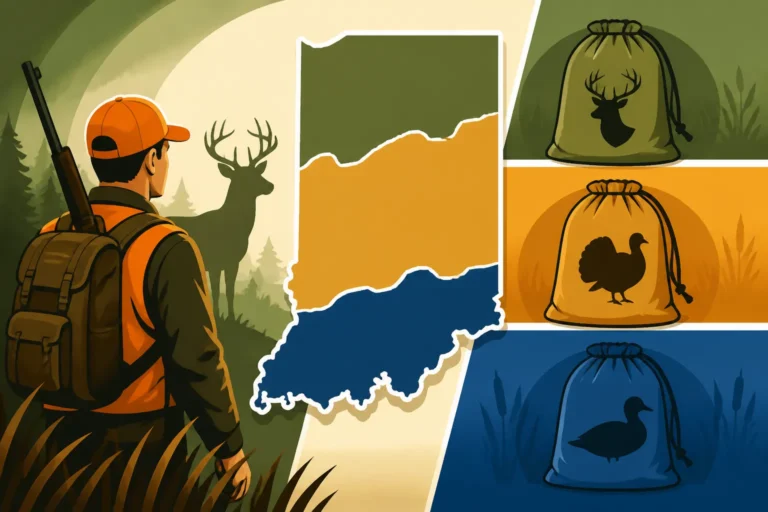
Here’s a look at the counties that were typically open for the Indiana Fall Turkey Firearms Season in recent years. Remember, always double-check the current regulations as these lists can change.
| Region | Example Counties (Typical) | Notes |
|---|---|---|
| Southern Indiana | Brown, Clark, Crawford, Dearborn, Dubois, Floyd, Franklin, Harrison, Jackson, Jefferson, Jennings, Lawrence, Martin, Monroe, Ohio, Orange, Perry, Scott, Spencer, Switzerland, Washington | These counties often have strong turkey populations and suitable habitat. |
| Central Indiana | Bartholomew, Greene, Johnson, Morgan, Owen, Putnam, Rush, Vigo | A mix of agricultural and timbered areas, some with robust turkey numbers. |
| Northern Indiana | LaGrange, Steuben, Noble | Select northern counties with established turkey populations that can sustain a limited firearms harvest. |
This table provides a general idea, but as mentioned, the official source is always the Indiana DNR. When you're planning your hunt, utilize resources like the Indiana DNR app or a mapping tool like GoHunt to verify the specific county you'll be in falls within the permitted zone. Checking the "Indiana Fall Turkey Season Structure" is another excellent way to get a full overview of all fall hunting opportunities, including both archery and firearms.
Permits and Regulations for Fall Firearms Turkey
Beyond knowing when and where you can hunt, understanding the specific permits and regulations is absolutely non-negotiable. Indiana has clear guidelines on what you need to carry, what you can harvest, and what equipment is legal. Skipping over these details can turn an exciting hunt into a citation or, worse, a forfeiture of your game.
It's not just about having a license; it's about having the right license for the right season and understanding the nuances of how you can carry your gear and what you need to wear. The state wants hunters to be successful and safe, and these regulations are put in place to ensure both.
Required Licenses and Stamps
To legally hunt fall turkey with a firearm in Indiana, you’ll need a few key documents:
- Valid Indiana Hunting License: This is your basic entry ticket. Whether you're a resident or non-resident, you'll need the appropriate base hunting license.
- Indiana Game Bird Habitat Stamp (Turkey Stamp): This is a specific stamp required for turkey hunting, both spring and fall. It contributes directly to habitat conservation efforts that benefit wild turkeys and other game birds across the state.
- HIP Certification: If you're hunting any migratory game birds (though turkeys are often treated separately from strict migratory birds, HIP certification is a good habit for all bird hunters and sometimes required for general upland hunting), you'll also need to be Harvest Information Program (HIP) certified. This is usually a free, quick process when you purchase your license.
Make sure all these are current and in your possession while hunting. Carrying them digitally on your phone via the Go Outdoors Indiana app is perfectly acceptable, but having a physical copy as a backup, especially in areas with spotty cell service, is always a smart move.
Bag Limits and Species
The bag limit for the Indiana Fall Turkey Bag Limit is fairly straightforward: one turkey of either sex. This differs significantly from the spring season, where hunters are typically restricted to gobblers or bearded hens. In the fall, you can harvest a hen or a jake, or a mature gobbler, provided it's within the legal season and county restrictions. This flexibility reflects the different hunting strategies and population management goals of the fall season.
This "either sex" rule is crucial to remember. If you've been focused on spring hunting for years, it can be easy to forget that a hen is fair game in the fall. Just ensure you’ve positively identified your target as a turkey and are within the designated hunting area before taking a shot.
Legal Equipment and Blaze Orange
When it comes to firearms, shotguns are the traditional and most common choice for fall turkey.
- Shotguns: You can use a 10, 12, 16, or 20 gauge shotgun, provided it's loaded with shot sizes no larger than #4 heavy shot and no smaller than #7 heavy shot. You're allowed to have up to three shells in the magazine and chamber combined. "Turkey Shotguns and Chokes" are a big topic on their own, but typically, a 12-gauge with a tight turkey choke and specialized heavy shot will give you the best patterns for humane kills.
- Ammunition: Non-toxic shot is not required for hunting wild turkey in Indiana, unlike waterfowl. Lead shot is perfectly legal.
- Rifles/Handguns: While Indiana has expanded rifle regulations for deer, the fall turkey firearms season remains exclusively for shotguns. Straight-wall cartridge rifles, which are now legal for deer statewide, are not permitted for turkey. The only exception would be muzzleloading firearms during the designated muzzleloader season if a specific turkey season overlaps, but for the general fall firearms season, it’s shotguns only.
Blaze Orange Requirements: This is another critical distinction from spring turkey season. During the fall firearms season, hunters are required to wear hunter orange, often referred to as blaze orange. This is for safety, especially with other hunting seasons, like deer firearms season, potentially overlapping. The rule states you must wear at least one article of hunter orange clothing, such as a vest, jacket, coveralls, hat, or headwear. This item must be visible from all directions. Even if you're deep in the timber, wearing your blaze orange is a non-negotiable safety measure. Remember to comply with the "Indiana Blaze Orange Requirements" to stay safe and legal.
Tactics for Fall Firearms Turkey Hunting in Indiana
Fall turkey hunting is an entirely different ballgame than spring. Forget the early morning gobbling on the roost and trying to entice a love-struck tom. Fall turkeys are all about survival, food, and flock dynamics. This means your approach, calling, and scouting need to adapt dramatically. Success often hinges on understanding their seasonal behaviors and exploiting their social structure.
Many hunters find the fall hunt to be more physically demanding, as it often involves a lot of walking and searching for birds that might not make a sound. But the reward of breaking up a flock and calling them back in can be just as thrilling, if not more so, than a spring gobbler hunt.
Locating Flocks and Understanding Their Patterns
In the fall, turkeys primarily focus on finding food to fatten up for winter. Their movements will be dictated by available mast crops, agricultural fields, and other food sources.
- Food Sources: Look for areas with abundant acorns, particularly white oaks, which are less bitter and preferred by turkeys. Beech nuts, wild grapes, and waste grain in cut corn or soybean fields are also prime attractions. Focus your scouting efforts around these areas.
- Roosting Sites: Turkeys will still fly up to roost in tall timber at night. Finding these roosts, especially near feeding areas, can give you a starting point for morning hunts. However, they are often quieter coming off the roost in fall compared to spring.
- Tracks and Droppings: Just like deer, fresh tracks and droppings are excellent indicators of turkey presence. Fall droppings from hens and jakes will be smaller and more scattered than the large, coiled droppings of a mature spring gobbler.
- Scratching: Turkeys spend a lot of time scratching through leaf litter for nuts, seeds, and insects. Look for widespread areas of disturbed leaves in timbered bottoms or on open ridges.
Many hunters will spend considerable time scouting before the season, using optics to glass open fields at dawn and dusk. Technologies like the GoHunt app or other mapping software can be instrumental in identifying potential food plots, timber cuts, and roosting habitat before you ever step foot in the woods. This is especially true if you are "Scouting Indiana Public Land Before Season."
Breaking Up Flocks and Calling Techniques
The classic fall turkey tactic is to locate a flock, intentionally bust it up, and then call the scattered birds back together.
- Locate: This often involves slowly moving through potential habitat, listening for the soft clucks, purrs, and yelps of a feeding flock, or even spotting them from a distance. You might hear the distinct "kee-kee" run of young birds.
- Scatter: Once you locate a flock, rush in, yell, and make as much noise as possible to send them flying or running in every direction. The goal is to separate them completely. Make a note of which way individual birds fly or run.
- Set Up: Immediately after scattering, find a good hide, preferably with some cover for your back and an open shooting lane. Sit absolutely still. Turkeys have excellent eyesight.
- Call Them Back: After about 15-30 minutes of silence, begin calling. The most effective fall calls mimic the sounds of lost birds trying to reassemble their flock.
- Assembly Calls: Long, plaintive yelps designed to gather a dispersed flock.
- Kee-Kee Run: The distinct three-note whistle of a lost young turkey. This is incredibly effective, especially for bringing in jakes and hens. You can try "Turkey Calls Worth Carrying in Indiana" to add this sound to your repertoire.
- Clucks and Purrs: Soft, reassuring calls to draw birds closer once they are in sight or responding to your assembly calls.
Patience is paramount in fall turkey hunting. Birds might take a long time to start calling back, and they often come in silently. Pay close attention to subtle movements and sounds in the distance. When they do start to come in, they're often wary, frequently circling to approach from an unexpected direction.
Public Versus Private Land Considerations
Whether you're "Hunting the Fall Firearms Turkey Counties" on public land or a private tract, your approach will have some commonalities and some distinct differences.
- Public Land: On public lands like State Forests or Fish and Wildlife Areas, you might encounter more hunting pressure. This means you’ll need to put in the effort to find ground that other hunters overlook. Deep woods, thickets, or areas that require a longer walk can often hold unpressured birds. "Finding Ground Others Walk Past" is a critical skill here. Always be mindful of other hunters, especially with the blaze orange requirements.
- Private Land: If you have access to private land, especially around agricultural fields, your chances of encountering large, undisturbed flocks increase significantly. Farmers are often keen to have hunters thin out turkeys that might be feeding on newly planted crops or disturbing livestock. Always ensure you have explicit "Getting Private Land Permission in Indiana" and respect property boundaries.
Regardless of where you hunt, understanding the terrain is key. "Reading Aerial Photos for Southern Indiana Deer" can apply to turkeys as well, helping you identify potential roosting areas, feeding flats, and travel corridors in the varied Hoosier landscape.
Preparing for Your Fall Firearms Hunt
The success of any hunting trip, especially one with as many nuances as Indiana's fall turkey firearms season, hinges on thorough preparation. From pre-season scouting to ensuring your gear is dialed in, taking the time to plan will significantly increase your chances of a safe and successful outing. Don't let a last-minute scramble or forgotten item derail your hunt.
Pre-Season and In-Season Scouting
Scouting for fall turkeys should ideally begin well before the season opens.
- Summer Scouting: During late summer, turkeys are often in large family groups. Drive backroads, glass fields at dawn and dusk, and listen for their calls. Note their general whereabouts and preferred feeding grounds.
- Pre-Season Legwork: As fall approaches and leaves begin to drop, walk the timber. Look for fresh tracks, droppings, and most importantly, extensive scratching in the leaf litter. Pay attention to mast crop production. Are the oaks dropping acorns? Are the beech trees loaded? Turkeys will follow the food.
- In-Season Adjustments: Turkeys are mobile. What was a hotspot one week might be barren the next if a food source runs out or pressure moves them. Be willing to cover ground and adjust your plans. Use a good mapping app on your phone to mark sign and plan your routes.
Essential Gear Checklist
Having the right gear ensures you’re comfortable, safe, and effective.
- Shotgun: A reliable 12-gauge or 20-gauge with a tight turkey choke is ideal. Pattern your gun with your chosen ammunition before the season to know its effective range. You can learn more about "Turkey Shotguns and Chokes" to optimize your setup.
- Ammunition: Carry enough shells for your hunt, typically #4 or #5 heavy shot for dense patterns.
- Blaze Orange: A vest, hat, or jacket that meets Indiana's requirements for visibility.
- Camouflage: Full camo clothing to blend into the woods once you've busted a flock and set up your hide. Make sure it's appropriate for the fall foliage colors.
- Calls: A variety of calls – a mouth diaphragm, slate call, and box call are versatile. A kee-kee call or a specific "Turkey Calls Worth Carrying in Indiana" for lost birds is a must for fall.
- Decoys (Optional): A single hen or jake decoy can sometimes help draw in wary birds, but they're not as critical in fall as in spring. If you use one, place it to draw the turkey into your shooting lane.
- Backpack: To carry calls, water, snacks, license, and any harvested bird.
- Knife: For field dressing.
- First-Aid Kit: Always a good idea for any outdoor excursion.
- Mapping/GPS Device: A dedicated GPS or a reliable smartphone app like GoHunt for navigation, marking sign, and confirming property boundaries.
- Water: Staying hydrated is crucial, especially when covering ground.
- Appropriate Footwear: Comfortable, supportive, and waterproof boots for walking varied terrain.
Safety Considerations
Safety should always be your top priority.
- Firearms Safety: Always follow the four primary rules of firearms safety: treat every firearm as if it's loaded, never point a firearm at anything you don't intend to shoot, keep your finger off the trigger until your sights are on the target, and be sure of your target and what's beyond it.
- Positive Identification: In the fall, with either-sex birds being legal, it can be easy to get excited and shoot at movement. Always clearly identify your target as a turkey before you shoot.
- Hunter Orange: Adhere strictly to Indiana’s "Indiana Blaze Orange Requirements." It is designed to make you visible to other hunters, especially important during overlapping seasons.
- Terrain Awareness: Watch your footing, especially on uneven ground or in areas with thick leaf litter that can conceal hazards.
- Weather: Indiana fall weather can be unpredictable. Dress in layers to adapt to temperature changes and carry rain gear.
- Communication: Let someone know where you're going and when you expect to return, especially if you're hunting alone.
By taking these preparations seriously, you set yourself up for an enjoyable and successful fall turkey hunt in the beautiful Indiana woods.
Disclaimer
Please note: Hunting regulations can change. While this guide provides comprehensive and up-to-date information based on typical Indiana hunting seasons, it is crucial to always consult the official Indiana Department of Natural Resources (DNR) website or their current hunting guide for the most accurate and recent regulations before planning any hunt. This article is for informational purposes only and should not be considered a substitute for official DNR publications.