Indiana Metro Archery Hunt Program
Living in Indiana, especially in our bustling metro areas, often brings a unique challenge: balancing the beauty of nature with the realities of urban development. For many residents, this means encountering deer more frequently than they'd like, leading to damaged landscaping, increased vehicle collisions, and even concerns about disease spread. This guide is here to unravel the complexities of the Indiana Metro Archery Hunt Program, a vital initiative designed to manage these growing deer populations in a safe, controlled, and effective manner within our cities and suburbs.
Understanding Indiana's Metro Archery Hunt Program
The Indiana Metro Archery Hunt Program isn't just about reducing deer numbers; it's a carefully orchestrated effort to address a multifaceted problem unique to urban environments. When deer populations swell in areas with high human density, it creates a whole host of issues that impact both wildlife and people.
Why the Program Exists
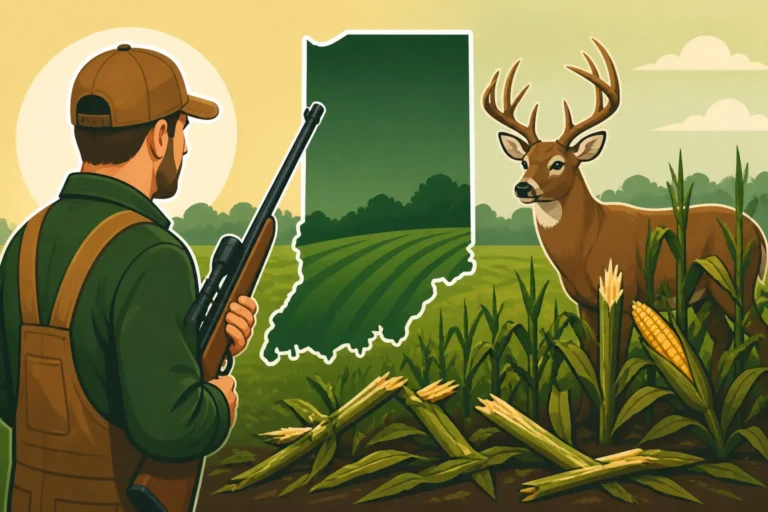
Let's be honest, seeing a beautiful whitetail deer grazing in your backyard can be charming, right? But that charm quickly fades when they've stripped your prize hostas, annihilated your garden, or become a regular fixture on your local roads, increasing the risk of dangerous car accidents. This is precisely the scenario playing out in many of Indiana's metropolitan areas. Deer, being highly adaptable creatures, thrive in suburban settings where food sources are abundant (think lush landscaping and gardens), predators are few, and hunting pressure, at least traditionally, has been minimal.
This imbalance leads to overpopulation, and with it, a cascade of problems. Property damage from browsing deer is a constant headache for homeowners and a significant cost for municipalities maintaining public green spaces. More critically, as deer numbers rise, so does the frequency of deer-vehicle collisions, posing a serious safety risk to drivers and commuters. Beyond the immediate impact, there's also the looming threat of disease, particularly Chronic Wasting Disease (CWD). While Indiana has its own CWD positive area in the northeast, maintaining healthy deer populations across the state is crucial to prevent further spread. The Metro Archery Hunt Program acts as a surgical tool to reduce localized deer densities, mitigating these very real frustrations for urban dwellers.
How the Program Operates
The Metro Archery Hunt Program is a collaborative effort, a partnership between the Indiana Department of Natural Resources (DNR) and various local governmental entities, such as city parks departments or municipal conservation boards. These local agencies identify areas within their jurisdiction where deer management is necessary, often on city-owned parkland, nature preserves, or even private properties whose owners opt into the program. For instance, cities like Indianapolis, Carmel, Fort Wayne, and Bloomington have all explored or implemented similar programs, recognizing the need for localized control.
The DNR provides oversight, guidance, and expertise, ensuring that these programs adhere to statewide hunting regulations while also allowing for specific local adaptations. The idea is to utilize skilled, ethical archers as the primary means of harvest, given the inherent safety advantages of archery equipment in densely populated areas compared to firearms. These hunts are highly controlled, often involving specific sites, designated hunting hours, and strict safety zones to ensure public safety remains paramount. Hunters aren't just allowed to wander; they are assigned specific areas and given clear instructions, often after a thorough briefing.
Eligibility and Participation for Hunters
Becoming a part of an Indiana Metro Archery Hunt Program isn't as simple as just having a hunting license. These programs are designed to be highly selective, ensuring that only the most responsible, proficient, and safety-conscious hunters participate. Typically, you'll need to meet several stringent requirements:
First and foremost, you'll need to possess a valid Indiana hunting license and all necessary deer tags, typically including bonus antlerless tags, as these hunts often focus on reducing doe populations. Beyond that, most programs require proof of hunter education certification. This is non-negotiable, emphasizing the program's commitment to safety and ethical hunting practices. You'll likely also face a proficiency test, demonstrating your ability to consistently place shots accurately with your archery equipment. This might involve shooting at a specific target size at a measured distance under supervision.
Background checks are often part of the application process, ensuring participants have a clean record. Some programs might even require references or a proven history of safe hunting. Hunters should also be prepared for specific permit applications unique to the city or county running the hunt. These applications can be detailed, asking about your experience, your specific equipment, and your understanding of local ordinances. While the general state rules for Crossbow Rules During Indiana Archery Season apply, metro programs might have additional local restrictions on certain gear or hunting styles.
Navigating the Application and Selection Process
Getting into a metro archery hunt can feel a bit like trying to get tickets to a sold-out concert – competitive and requiring careful attention to detail. These programs attract many interested hunters, and for good reason: they offer a unique opportunity to hunt close to home and contribute directly to wildlife management.
Finding Participating Jurisdictions
The first hurdle is knowing which cities or towns are actually running a program. This isn't a statewide blanket offering; rather, it's a localized decision by individual municipalities. Your best bet is to start by checking the Indiana DNR website, specifically the "Deer Management" or "Special Hunts" sections. While the DNR coordinates with local entities, they don't always directly list every single program.
Beyond the DNR, I highly recommend checking the official websites of city parks departments, conservation districts, or municipal government pages for areas where you know deer are a problem. For example, if you live in Marion County and suspect Indianapolis has a program, search their Parks and Recreation department's site. Don't be afraid to make a phone call to these departments, as they can provide the most up-to-date information on current or upcoming hunts. Sometimes, local hunting clubs or conservation groups might also have insider information, and resources like GoHunt can sometimes aggregate special hunt opportunities, though specific metro programs might be less centralized.
Application Requirements and Deadlines
Once you've identified a participating program, prepare for a detailed application process. These aren't your standard DNR license purchases. Typically, you'll need to provide:
- Proof of valid Indiana hunting license and deer tags.
- Hunter Education certification.
- Archery proficiency scores or a commitment to take a mandatory proficiency test.
- Detailed contact information and emergency contacts.
- Consent to a background check.
- Signed waivers acknowledging the risks and responsibilities of hunting in an urban environment.
- A statement of understanding regarding the specific rules and regulations of that particular program, which might be more restrictive than statewide rules.
Pay extremely close attention to deadlines! These programs usually have a very specific application window, and missing it by even a day can mean waiting another year. You'll often find these dates published on the local municipality's website or through DNR announcements. Don't procrastinate; gather all your documents well in advance. Some programs might even ask for a small application fee to cover administrative costs, so be prepared for that as well.
Selection Criteria and Notifications
Given the popularity of these hunts and the limited number of available spots, selection can be competitive. Many programs utilize a lottery system, similar to how some of the more sought-after public land draws work, like those for specific Hunting a Deer Reduction Zone areas. In a lottery, every eligible applicant has an equal chance, which is fair but doesn't guarantee a spot.
Other programs might use a merit-based system, prioritizing hunters with previous experience in urban deer management, those who have participated in hunter education outreach, or individuals who can demonstrate exceptional proficiency and adherence to ethical standards. Some might also factor in residency, giving preference to locals who are directly affected by the deer overpopulation.
Regardless of the selection method, you'll typically be notified via email or postal mail. This notification will include details on orientation meetings, specific hunt dates, assigned areas, and any additional rules. If you're selected, consider yourself fortunate and take the responsibilities of the program very seriously. You're not just hunting; you're representing the entire hunting community in a highly visible setting.
Key Rules and Regulations for Metro Archery Hunting
Participating in a metro archery hunt means adhering to a specialized set of rules designed to ensure safety, efficacy, and public acceptance. These rules often go above and beyond the standard statewide regulations to account for the unique urban environment.
Specific Equipment and Safety Requirements
Safety is the absolute bedrock of these programs. You won't be allowed to just show up with any old gear. Expect strict archery-only rules, meaning firearms are strictly prohibited. While Indiana's Archery Season Runs Into January statewide, these urban programs will maintain that archery-only focus. Crossbows are generally permitted under state law, but always double-check local program rules, as some might have specific stipulations even for crossbows. Broadhead restrictions are common, often requiring fixed-blade or mechanical broadheads that are designed for quick, humane kills.
The use of elevated stands is usually mandatory. Most programs require hunters to be in a treestand at a minimum height (e.g., 10-12 feet) to ensure arrows are sent downwards, reducing the risk of stray arrows traveling horizontally and minimizing risk to non-hunters. Ground blinds might be permitted in very specific, heavily screened locations, but they are far less common than elevated stands. Expect stringent shooting lane requirements, ensuring clear shot opportunities and minimizing deflection risks. All hunters will be required to wear a full-body safety harness while in a treestand, no exceptions. The emphasis here is on precision, control, and minimal impact on the surrounding environment.
Season Dates and Bag Limits
While the general Indiana Archery Season Dates are set by the DNR, metro archery programs often have extended seasons or specific windows tailored to their management goals. It's not uncommon for these hunts to run earlier in the fall or later into the winter than the statewide season, sometimes even into late January or early February, to maximize harvest opportunities when deer are most active and vegetation is sparse.
Bag limits are also typically more liberal. The primary goal of these programs is population reduction, so hunters are often encouraged or required to take multiple antlerless deer. You might be allowed to fill several bonus antlerless tags, contributing significantly to the herd reduction efforts. Sometimes, there are even specific antler restrictions, or the program might be antlerless-only, to protect younger bucks and focus solely on population control. It's crucial to understand these specific local bag limits, which will be clearly outlined by the program organizers. Always reference your program's specific guidelines, as they supersede general state information when participating in one of these managed hunts.
Access and Ethical Considerations
Access within these programs is highly regulated. You won't just be given a map of a city park and told to go hunt. Instead, you'll be assigned specific hunting zones or even individual stand locations. These zones are carefully chosen to be away from high-traffic areas, trails, and residential homes, creating buffer zones for public safety. It is absolutely critical to stay within your designated area, no matter what. Straying could lead to immediate removal from the program and potential legal consequences.
Ethical considerations are paramount. Because you're hunting in a highly visible area, even if your stand is tucked away, public perception matters immensely. This means no baiting (unless explicitly permitted by the program, which is rare), no chasing wounded deer into residential yards without prior coordination with program staff, and always presenting a professional, responsible image. A quick, clean kill is not just ethical hunting; it's essential for the program's public acceptance. You're essentially an ambassador for hunting, and any misstep can have broader implications for the future of such programs. Hunters should be prepared for the possibility of encountering non-hunters (walkers, birdwatchers, etc.) and should always respond courteously and professionally, even if those individuals are unaware of the ongoing hunt.
Maximizing Success in Urban Deer Management
Participating in an Indiana Metro Archery Hunt Program is about more than just harvesting a deer; it's about contributing to effective wildlife management and demonstrating the positive role hunters play in ecosystem health. Success in these unique environments requires a slightly different approach than typical wilderness hunting.
Scouting and Stand Placement in Metro Areas
Scouting in an urban environment presents its own set of challenges and opportunities. Forget vast expanses of timber; here, you're looking at fragmented woodlots, creek bottoms winding through housing developments, greenways, and often dense cover adjacent to human activity. Deer in these areas are often highly nocturnal, using thick cover for bedding during the day and emerging at dusk and dawn to feed on manicured lawns, gardens, and urban green spaces.
When scouting, use tools like GoHunt, along with the Indiana DNR's online mapping resources, to identify potential travel corridors. Look for pinch points where deer are funneled between subdivisions, along fence lines, or through narrow strips of woods. Creeks and drainage ditches can be prime travel routes. Pay close attention to fresh tracks and droppings – deer in urban areas often leave clear signs near their bedding and feeding locations. You'll need to be stealthy; excessive disturbance will only push these already wary deer further into hiding.
Stand placement is critical. Because of the human presence, deer in these areas often tolerate more noise and activity during the day, but they are incredibly sensitive to human scent and movement in their immediate vicinity. Placing your stand in a location that maximizes concealment and offers a clear, ethical shot is key. Often, this means hunting tight to thick cover, or setting up along a transition line between a bedding area and a preferred food source. Consider Portable Treestands Worth Packing In as they offer flexibility in tight, hard-to-access spots common in metro environments. Also, carefully observe wind patterns in relation to nearby homes or trails, even if they aren't directly in your hunting zone.
Managing Harvest and Public Relations
Successfully harvesting a deer in an urban hunt is just the beginning. The program will have specific protocols for what happens after the shot. This often includes mandatory reporting to the program coordinator immediately after a harvest. This isn't just about tagging; it's about accountability and data collection for population management. You'll likely need to report the sex and potentially the age of the deer. Remember the importance of Indiana Deer Reporting Requirements, even for special hunts.
Field dressing might need to be done at a designated site or in a way that minimizes public visibility. You might be asked to quarter the animal to facilitate discreet removal. For many participants, donating venison to local food banks is a rewarding aspect of these programs, as it helps feed those in need while reinforcing the beneficial outcomes of the hunt. Always check the program's specific rules on meat handling.
Beyond the actual harvest, your behavior as a hunter profoundly impacts public relations. This program aims to be a responsible, safe solution to a community problem. When you’re walking in and out, transporting gear, or talking to non-hunters, present yourself as a courteous, professional conservationist. A positive image helps ensure continued community support for these vital management tools. Showing respect for the environment and the public, even when dealing with negative perceptions, is part of the job.
Lessons Learned from Other Programs
Indiana's Metro Archery Hunt Programs draw on lessons learned from successful urban deer management initiatives across the country. States like Ohio and Illinois, which also grapple with significant urban deer populations, have refined their programs over years. Common threads among successful programs include:
- Strong community engagement: Educating the public about the necessity of deer management is crucial.
- Rigorous hunter vetting: Ensuring only highly skilled and ethical hunters participate.
- Flexibility in season dates and bag limits: Allowing managers the tools to effectively control populations.
- Focus on antlerless harvest: Targeting does for maximum population impact.
- Clear communication and safety zones: Minimizing risk to non-hunters.
These insights inform Indiana's approach, helping to create programs that are both effective for wildlife management and acceptable to local communities. The ability to quickly adapt based on annual deer surveys or community feedback is also important. Understanding Indiana Deer Population Estimate trends, even at a local level, helps shape these programs year to year.
Typical Metro Archery Hunt Program Requirements
Here’s a quick overview of what you can generally expect when considering an Indiana Metro Archery Hunt Program:
| Requirement Category | Typical Details | Why It's Important |
|---|---|---|
| Hunter Eligibility | Valid Indiana hunting license, specific deer tags (often antlerless), hunter education certification, background check, archery proficiency test. | Ensures responsible, safe, and skilled participants. |
| Equipment | Archery equipment only (bows, crossbows), specific broadhead types (fixed/mechanical), full-body safety harness for elevated stands. | Maximizes safety in urban settings and promotes ethical harvest. |
| Hunting Location | Designated, pre-assigned zones or specific stand locations within municipal parks, nature preserves, or private land. | Minimizes risk to public, controls impact, and concentrates harvest. |
| Season & Bag Limits | Often extended season dates beyond statewide archery, liberal antlerless bag limits (multiple bonus tags). | Facilitates aggressive population reduction goals. |
| Reporting & Conduct | Immediate harvest reporting, ethical conduct, discreet field dressing/transport, positive public relations. | Ensures data collection, maintains program integrity and public trust. |
| Application Process | Detailed application form, specific deadlines, potential lottery or merit-based selection, possible fee. | Manages demand, ensures qualified participants. |
Disclaimer
Please remember that hunting regulations and program specifics can change. Always consult the official Indiana Department of Natural Resources (DNR) website and the specific municipal authority running the metro archery hunt program for the most current and accurate information before planning any hunt. This guide is for informational purposes only and does not supersede official regulations.