Indiana Small Game Season Rules
It's no secret that Indiana is a fantastic state for whitetail deer and wild turkey, but sometimes, in all the excitement, we forget about the incredible opportunities for small game hunting right in our own backyard. Trying to keep track of all the different species, their individual season dates, bag limits, and specific regulations can feel like trying to herd cats – each one has its own quirks! This comprehensive guide is here to untangle the complexities of Indiana's small game season rules, giving you a clear roadmap to enjoy some of the most accessible and exciting hunting the Hoosier State has to offer.
Navigating Indiana's Small Game Hunting Regulations
Diving into the world of small game hunting in Indiana is like opening a treasure chest for many of us. It brings back memories of simpler times, crisp autumn mornings, and the sheer joy of a day afield without the intense pressure often associated with big game. But before you grab your shotgun or .22, understanding the precise rules laid out by the Indiana Department of Natural Resources (DNR) is absolutely critical. These aren't just suggestions; they're the framework that ensures healthy populations for future generations and keeps everyone safe.
What Qualifies as "Small Game" in the Hoosier State
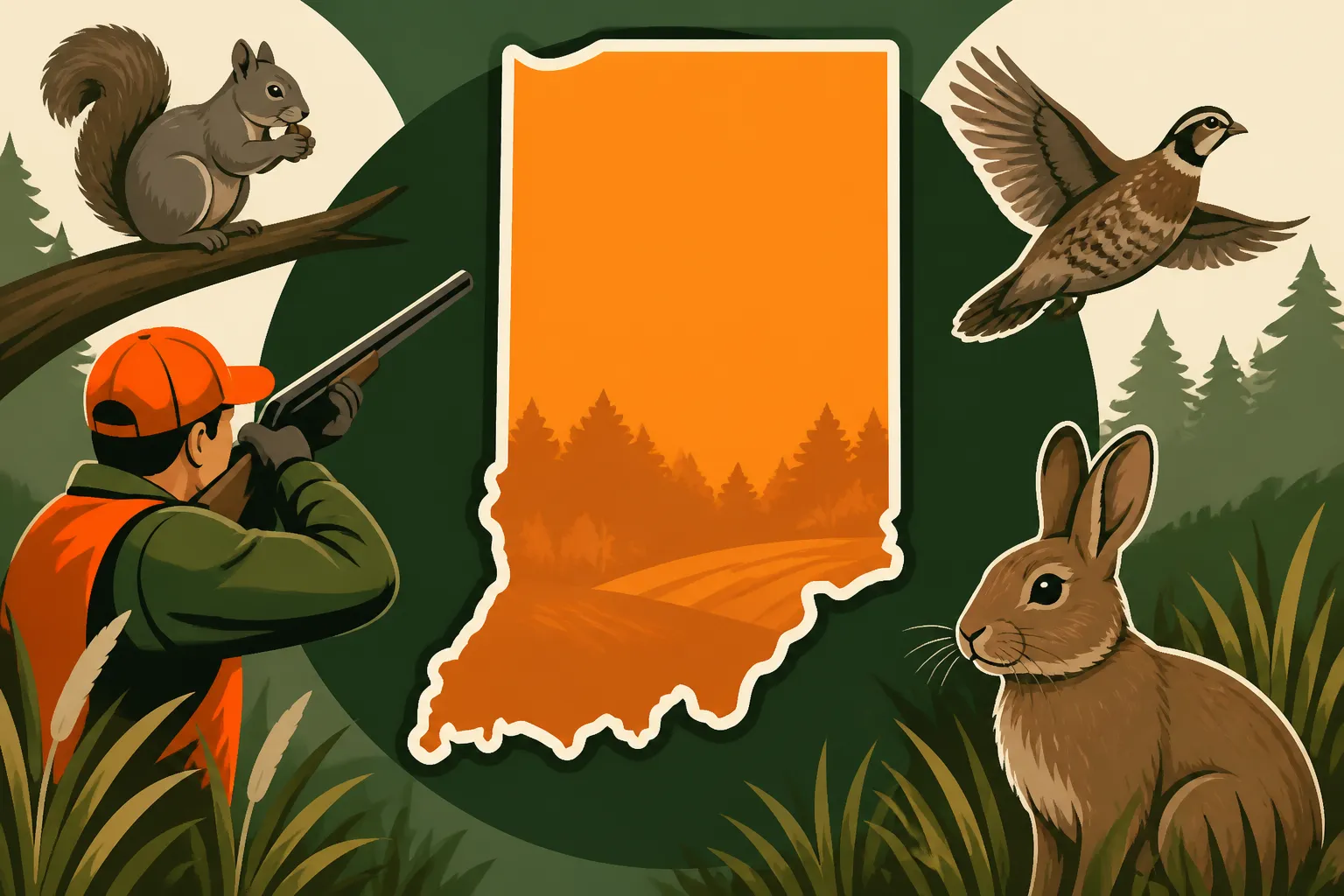
When we talk about "small game" in Indiana, we're generally referring to a collection of species that are typically smaller in stature than deer or turkey and often hunted with different methods, like shotguns, rimfire rifles, or even air guns. The primary players in this category are squirrels (both fox and gray), cottontail rabbits, ring-necked pheasants, and bobwhite quail. Beyond these popular choices, Indiana also has seasons for migratory birds like woodcock and snipe, which often fall under similar small game regulations, though they carry specific federal guidelines as well. You'll also find seasons for what are sometimes lumped in, like raccoons and opossums, which often have longer seasons and different classifications as furbearers but can be hunted in similar ways.
The distinction isn't just academic; it directly impacts your hunting calendar, equipment choices, and daily take. For instance, while a squirrel hunt might involve a quiet stalk through a mature timber stand with a .22, a pheasant hunt often means walking open fields with a flushing dog and a shotgun. Each species demands a unique approach, and the regulations are tailored to reflect these differences and manage their specific populations. Knowing exactly what constitutes "small game" helps you target your preparation and ensures you're ready for the species you intend to pursue.
The Appeal of Small Game Hunting in Indiana
For many Hoosier hunters, small game hunting is where it all began. It's often the first type of hunting a child experiences, perhaps sitting quietly with a grandparent, waiting for a bushytail to show itself, or walking through brush piles with a trusty bird dog. This accessibility and lower barrier to entry make it incredibly appealing. Unlike the often extensive preparation, specialized gear, and physical demands of deer or turkey hunting, small game offers a more relaxed, yet still incredibly engaging, experience. It's fantastic for introducing new hunters to the outdoors, teaching firearm safety, and understanding animal behavior.
Beyond the nostalgic value, small game hunting provides ample opportunity to hone essential hunting skills. Tracking, stalking, reading sign, understanding habitat, and accurate shooting are all put to the test. It's also a great way to stay active during the fall and winter months when other seasons might be closed or less accessible. Plus, the table fare from a successful small game hunt is truly something special. Fried rabbit or squirrel dumplings are cherished traditions in many Indiana households, offering a direct connection to the land and a sustainable food source. This type of hunting fosters a deep appreciation for conservation and the cycles of nature, making it a foundational part of Indiana's rich hunting heritage.
Essential Tools for Understanding the Rules
Navigating the labyrinth of hunting regulations can be daunting, but thankfully, the Indiana DNR provides excellent resources. Your first stop should always be the official Indiana Hunting & Trapping Guide, available online on the DNR's website and often in print wherever licenses are sold. This guide is updated annually and contains all the specific season dates, bag limits, and rules for every game species, including small game. Don't rely on outdated information or hearsay from a buddy; the rules can change year to year.
Beyond the official guide, tools like the Indiana DNR's online mapping application or third-party apps like GoHunt can be invaluable. These resources often overlay public land boundaries, habitat types, and even specific regulations for different areas, making it easier to plan your hunt and stay legal. When you're trying to figure out if you're on public or private land, or if a specific FWA has special rules, having these digital tools right in your pocket is a game-changer. They help you pinpoint Public Hunting Land in Indiana and understand specific restrictions. Always make sure your app's data is current, as property lines and regulations can sometimes be updated. Taking the time to study these resources before heading afield will save you a lot of headaches and ensure a smooth, enjoyable experience.
Chasing Indiana Squirrels: A Time-Honored Tradition
For many Hoosiers, squirrel hunting isn't just a pastime; it's a rite of passage. There's a certain magic to those early fall mornings when the woods are still lush, the air is crisp, and the rustle of leaves signals a bushytail on the move. Indiana is blessed with healthy populations of both fox and gray squirrels, offering abundant opportunities for hunters of all ages and skill levels. These nimble tree-dwellers provide a challenging and rewarding hunt, often serving as the perfect gateway to a lifetime of outdoor pursuits.
Official Indiana Squirrel Season Dates and Daily Bag Limits
Indiana's squirrel season is typically one of the longest small game seasons, often opening in mid-August and running all the way through the end of January. This extended season provides ample opportunity to hunt squirrels in various stages of the year, from the hot, leafy days of early fall to the frigid, barren branches of winter. You can find the precise dates each year in the official Indiana Hunting & Trapping Guide, but generally, the season spans about five months. The daily bag limit for squirrels (fox and gray combined) is usually five animals per day. This means you can harvest a mix of five fox squirrels, five gray squirrels, or any combination thereof, as long as the total doesn't exceed five.
It's important to be aware of the exact Indiana Squirrel Season Dates for the current year, as these can shift slightly. Hunting early season squirrels when the leaves are still thick on the trees presents a different challenge than hunting them after a hard frost has stripped the branches bare. In the early season, you'll rely more on sound and movement, while later in the season, good optics and a keen eye become paramount. The generous season length and bag limit reflect the robust squirrel populations across most of Indiana, making them an excellent target for consistent hunting success throughout the fall and winter.
Effective Hunting Methods and Legal Equipment
Squirrel hunting in Indiana offers a variety of methods, each with its own charm and effectiveness. The most common approaches include still-hunting, stalking, and hunting with dogs. Still-hunting involves finding a comfortable spot, often near a large oak or hickory, and waiting patiently for squirrels to reveal themselves. This requires quiet movement to your chosen location, then remaining motionless and scanning the trees. Stalking, on the other hand, is a more active approach where you slowly move through the woods, pausing frequently to look and listen. This method is particularly effective in areas with good cover, allowing you to sneak up on unsuspecting squirrels. Many hunters swear by squirrel dogs, typically cur breeds or feists, which are specially trained to locate and tree squirrels, making the hunt more dynamic and often more successful.
When it comes to equipment, squirrels can be legally hunted with a variety of firearms. A .22 caliber rimfire rifle is a classic choice, offering accuracy and minimal meat damage. Shotguns, typically 20-gauge or .410, loaded with small shot (like #6 or #7.5), are also popular, especially in thick cover or when squirrels are on the move. Air rifles are becoming increasingly common and are also a legal option, providing a quiet and accurate alternative. For those who enjoy the challenge, archery equipment is also legal. Regardless of your chosen method, good binoculars are invaluable for spotting camouflaged squirrels, especially in taller timber. A reliable mapping app like GoHunt can help you identify prime Squirrel Hunting Indiana Bottomland Hardwoods or oak ridges where squirrels will be feasting on mast.
Finding Prime Squirrel Habitat in Indiana
Indiana offers diverse habitats that are perfect for squirrels, from the dense hardwood forests of the southern hills to the woodlots and creek bottoms of the central and northern farmlands. Fox squirrels tend to prefer more open timber stands, woodlots, and fencerows, often found in agricultural areas, while gray squirrels thrive in more extensive, mature, dense forests. The key to finding a good squirrel spot is locating mature hardwood trees that produce nuts and seeds, which are the primary food sources. Oak, hickory, beech, and walnut trees are squirrel magnets, especially during the fall when their mast crops are abundant.
River bottoms and creek drainages often provide ideal habitat, with a mix of diverse tree species and good cover. When scouting, look for evidence of squirrel activity: chewed nut shells on stumps or logs, nests (dreys) high in the trees, and fresh tracks in soft earth. Public lands like the Hoosier National Forest, various State Forests (such as Yellowwood or Morgan-Monroe), and many Fish & Wildlife Areas (FWAs) offer excellent squirrel hunting opportunities. Don't overlook smaller private woodlots, especially those adjacent to agricultural fields, which can hold surprising numbers of fox squirrels. A bit of preseason scouting, even just a walk through the woods, can dramatically increase your chances of finding a honey hole and enjoying a productive hunt.
Rabbit Hunting in Indiana: Fast-Paced Fun
The sight of a cottontail rabbit bounding through a briar patch, or the sound of beagles in hot pursuit, embodies a quintessential Indiana hunting experience. Rabbit hunting is a dynamic, often social, and always exciting small game pursuit that gets you moving and truly immersed in the landscape. While rabbit populations can fluctuate, Indiana still offers fantastic opportunities to chase these quick little game animals, providing both sport and delicious table fare.
Indiana Cottontail Rabbit Season Dates and Bag Limits
Indiana's cottontail rabbit season usually kicks off in early November, often coinciding with other major hunting seasons, and typically extends well into February. This means you have plenty of time, from the crisp days of late fall to the colder, often snowy conditions of winter, to get out and pursue rabbits. The extended season in the colder months is particularly popular as rabbits are more active during the day, and dense cover has often been flattened by snow or frost, making them easier to spot. The daily bag limit for cottontail rabbits in Indiana is usually five per hunter. This generous limit allows for a productive day afield, especially when hunting with a group or with dogs.
It's crucial to consult the official DNR guide for the precise Indiana Rabbit Season Dates each year. These dates ensure you're hunting legally and sustainably. Rabbit hunting is particularly fun in late season when dense vegetation has died back, and the rabbits are concentrated in the remaining patches of thick cover. This makes them more predictable and provides some exhilarating flushes. The season is designed to align with periods when rabbits are abundant and resilient, offering optimal hunting conditions while safeguarding the population for the future.
Using Dogs and Other Tactics for Rabbits
When it comes to rabbit hunting in Indiana, the classic method involves a pack of well-trained beagles. The joyous baying of a beagle on a hot rabbit trail is music to many a hunter's ears, and it's an incredibly effective way to get rabbits moving out of thick cover. The dogs work to push rabbits in circles, often back past the hunters who are strategically positioned around the cover patch. This communal style of hunting is a fantastic way to enjoy the outdoors with friends and family, sharing stories and laughs as the dogs do their work.
However, hunting with dogs isn't the only way to fill your rabbit vest. Still-hunting or stalking can be very productive, especially in areas with smaller, isolated patches of cover. This involves slowly walking through briar thickets, tall grass, fencerows, and brush piles, keeping a sharp eye out for a rabbit flushing ahead of you. A good pair of polarized sunglasses can help cut glare and spot camouflaged rabbits. Legal equipment for rabbit hunting typically includes shotguns (20-gauge or 12-gauge with #4, #5, or #6 shot are common) and occasionally .22 caliber rimfire rifles, though the fast-flushing nature of rabbits often makes a shotgun the more practical choice. Having a good understanding of the terrain through a mapping application like GoHunt can help you identify prime Rabbit Hunting Indiana Fencerows or brushy creek bottoms before you even step foot in the field.
Identifying Ideal Rabbit Cover and Forage
Rabbits are masters of camouflage and rely heavily on dense cover for protection from predators and the elements. When you're looking for rabbits in Indiana, think thick. Ideal habitats include briar patches, honeysuckle thickets, downed trees, brush piles, tall grassy areas, and fencerows. These areas provide both shelter and escape routes. You'll often find rabbits on the edges of agricultural fields, where they can quickly dart into cover after feeding on alfalfa, clover, or young crops. River bottoms and creek banks with dense undergrowth are also prime rabbit territory.
During colder weather, rabbits will congregate in the densest cover they can find to stay warm and evade predators. Look for areas where different types of cover meet, creating "edge" habitat, which is often favored by many small game species. Fresh droppings, tracks in the snow or mud, and clipped vegetation can all indicate recent rabbit activity. Many of Indiana's Fish & Wildlife Areas (FWAs) are managed with small game in mind and will have suitable habitat. For example, properties like Sugar Ridge FWA or Atterbury FWA are often good bets. Preseason scouting, combined with knowledge gleaned from your Public Hunting Land in Indiana maps, will significantly improve your chances of locating a productive rabbit spot.
Pheasant Hunting in Indiana: Stocked Fields and Wild Opportunities
The pheasant is a truly regal bird, known for its vibrant plumage and explosive flush. While native wild pheasants are a rare sight in much of Indiana today, the DNR's pheasant stocking program on various public properties keeps the tradition alive and well, offering exciting opportunities for hunters. These managed hunts, coupled with the occasional wild bird in specific pockets of the state, make pheasant hunting a unique and rewarding challenge in Indiana.
Indiana Pheasant Season Dates and DNR Stocking Program
Indiana's pheasant hunting season generally runs for a shorter, more concentrated period than squirrel or rabbit season, typically opening in early November and concluding in December. However, the season structure can be complex because of the DNR's put-and-take stocking program. Many of Indiana's Fish & Wildlife Areas (FWAs) participate in this program, where pheasants are released specifically for hunters. These stocked hunts often require a special permit in addition to your regular hunting license, and they may have specific dates or hunting zones. On these stocked properties, the daily bag limit is usually two pheasants. For areas with wild pheasants, if you can find them, the season and bag limits typically align with the general season, but populations are very localized.
It's absolutely essential to consult the official Indiana Pheasant Season and Stocking information each year. The DNR website will detail which FWAs are participating in the stocking program, the exact dates for those hunts, and how to acquire the necessary permits. Some popular areas for stocked pheasants include Willow Slough FWA, Atterbury FWA, and Glendale FWA. These managed hunts provide a fantastic opportunity to experience pheasant hunting, especially for those new to upland bird hunting or without access to private land. Always be aware of the specific rules for the property you're hunting, as they can vary significantly from statewide regulations.
Licensing and Public Land Access for Pheasants
To hunt pheasants in Indiana, you'll need a valid Indiana hunting license (either a Indiana Resident License Options or Indiana Nonresident License Options), and potentially an Indiana Game Bird Habitat Stamp, depending on the current regulations. If you plan to hunt on one of the DNR's put-and-take pheasant properties, you will almost certainly need to purchase an additional pheasant hunt permit for that specific FWA. These permits are typically sold in advance and may be limited, so planning ahead is crucial. Information on how and when to purchase these permits is available on the DNR's website.
Public land access for pheasants primarily revolves around the Fish & Wildlife Areas that participate in the stocking program. These areas are specifically managed to provide habitat and hunting opportunities. For wild pheasants, finding access can be more challenging. Wild populations are largely concentrated in the intensively farmed areas of northern Indiana, particularly in counties like Steuben, LaGrange, Noble, and Whitley, where small pockets of suitable grassland habitat persist. Gaining permission on private land in these regions is often the best approach for wild birds. Tools like GoHunt can help identify potential private land ownership for permission requests, and also delineate public land boundaries within those prime areas, such as sections of Tri-County FWA or Winamac FWA, that might hold wild birds. Always ensure you have permission before hunting private property.
Strategies and Gear for Successful Pheasant Hunts
Pheasant hunting is an active pursuit that often involves a good bit of walking, typically through dense cover. The most effective strategy involves walking in a line with multiple hunters, often with one or more flushing or pointing dogs, to push birds out of cover. Pheasants prefer to run rather than fly, so systematically working through fields of tall grass, corn stubble, or brushy fencerows is key. Having hunters positioned at the end of a field or thicket can also be effective to intercept birds that flush and try to escape. When a pheasant does flush, be ready! Their takeoff is explosive and fast, requiring quick reflexes and accurate shooting.
Essential gear for pheasant hunting includes a reliable shotgun (12-gauge or 20-gauge with modified or improved cylinder choke is common), loaded with #4, #5, or #6 shot. Blaze orange clothing is a must for safety, especially when hunting with a group and dogs. Good briar-resistant brush pants or chaps are invaluable for protecting your legs from thorns and thick cover. Comfortable, sturdy waterproof boots are also essential, as you'll be covering a lot of ground in potentially wet or muddy conditions. A quality hunting vest with plenty of game bag space and shell loops will keep your essentials organized. If you're hunting without a dog, consider bringing a buddy or two; more boots on the ground can help push birds and increase your chances of a successful flush. This active style of hunting in Pheasant Hunting Indiana Grassland is a fantastic workout and incredibly rewarding.
Quail and Other Upland Birds: Rules and Realities
While the pheasant offers managed hunting opportunities, the bobwhite quail presents a different picture in Indiana. Once a widespread and popular game bird, quail populations have unfortunately declined significantly over the decades due to habitat loss. This decline is reflected in the more restrictive seasons and regulations, making quail hunting a much more limited and challenging pursuit for today's Indiana hunter. However, for those dedicated to the pursuit, there are still opportunities, alongside other unique upland migratory birds like woodcock and snipe.
Bobwhite Quail Season and Conservation Challenges
The Indiana bobwhite quail season is generally short, typically running for a few weeks in early November, often with a very conservative daily bag limit, usually four birds. These restrictions are a direct response to the long-term decline in quail numbers, primarily driven by changes in agricultural practices and the loss of suitable early successional habitat – think hedgerows, brushy field edges, and native grasslands. While the DNR and conservation groups are working on habitat restoration efforts, it's a slow process, and wild quail populations remain low and fragmented across the state.
Hunters pursuing Indiana Quail Season Status should understand that success often requires extensive scouting and access to private land that has been specifically managed for quail. Public land opportunities for wild quail are extremely limited. It's not uncommon for dedicated quail hunters to travel out of state to areas with more robust populations. For those who do hunt quail in Indiana, it's often more about the experience of working a pointing dog in beautiful cover than about filling a bag limit. Every flushed covey is a testament to the resilience of these birds and the importance of ongoing conservation.
Hunting Woodcock and Snipe in Indiana
Beyond the more common small game species, Indiana also offers seasons for two interesting migratory upland birds: the American woodcock and the common snipe. These birds offer a different kind of challenge and often inhabit specific, wetter habitats. Woodcock season typically runs from mid-October through mid-November, with a daily bag limit of three birds. Snipe season often aligns with woodcock, running a bit longer, from early September through mid-December, also with a daily bag limit of eight birds. Both species require a federal Migratory Bird Harvest Information Program (HIP) registration in addition to your state hunting license.
Woodcock, often called "timberdoodles," prefer moist, young, regenerating woodlands with dense understory, often near alder thickets or wet creek bottoms. They're camouflaged incredibly well, and their flight is erratic, making them a challenging target. Snipe, on the other hand, are typically found in very wet areas like marshes, flooded fields, and muddy shorelines. They have a distinctive, twisting flight pattern when flushed. Hunting these birds often involves walking slowly through their preferred cover, usually with a flushing dog, or simply walking and hoping to kick them up. The Indiana Woodcock Season Dates are a good time to get out and experience a different type of upland hunt, often in areas that might not hold other game birds.
What to Know About Other Game Birds
While pheasants, quail, woodcock, and snipe are the primary upland game birds in Indiana, hunters might occasionally encounter other birds that fall under specific regulations. Crows, for example, have a distinct hunting season that often runs from early July through early March, with no bag limit. Crow hunting offers a unique challenge, often involving decoys and calling. Doves, particularly mourning doves, are also a popular migratory game bird in Indiana, with a season that typically opens on September 1st. Dove hunting is often done over cut agricultural fields or water sources and is a social event for many.
It's important to remember that general small game rules, such as blaze orange requirements during certain seasons, don't always apply to all bird hunting. For instance, blaze orange is typically not required for dove, woodcock, or snipe hunting. However, when hunting migratory birds, the use of non-toxic shot is usually mandatory, especially on federal lands or around water. Always check the specific regulations for each species you intend to hunt, as they can differ significantly. Understanding these nuances is part of being a responsible and informed hunter in Indiana.
Furbearer Hunting: Rules for Raccoon and Opossum
While raccoons and opossums are technically furbearers, they are often hunted using methods similar to small game, especially at night. For many Indiana hunters, the excitement of a coon hunt under the stars, guided by the barks of trained hounds, is a cherished tradition. These nocturnal animals provide abundant hunting opportunities and play a significant role in the state's outdoor heritage.
Hunting Seasons and Methods for Raccoon and Opossum
Indiana's hunting seasons for raccoons and opossums are notably long, often extending from early November through late January for hunting with firearms or archery equipment, and typically longer for trapping. There are no daily bag limits for either species, which reflects their robust populations and the DNR's management goals for these abundant furbearers. The primary method for hunting raccoons and opossums is at night, using dogs specifically trained to tree these animals. Hunters follow the dogs, and once an animal is treed, they can be harvested. Many hunters consider these animals nuisance species due to their potential to raid crops and spread disease, so their management is often focused on population control.
It's critical to be aware of the specific Indiana Raccoon Season Dates and any associated regulations. For instance, rules regarding the use of lights for night hunting are very important. While you can use a spotlight or headlamp to locate animals once treed by dogs, restrictions may apply to their use for actively "shining" fields for animals. Always check the current regulations carefully. Opossums are often taken incidentally during raccoon hunts, as they share similar habitats and behaviors. Hunting these furbearers provides a thrilling and active experience, often in the company of good friends and spirited hounds.
General Furbearer Hunting Regulations
Beyond season dates, there are other important regulations to consider when hunting raccoons and opossums in Indiana. As these are often night hunts, understanding local ordinances regarding firearm discharge is paramount, even if state law permits night hunting. Generally, you need a valid Indiana hunting license to pursue these furbearers. There are no specific stamps required for raccoon and opossum hunting. However, if you plan to trap these animals, a separate trapping license is required, and different season dates and regulations will apply.
When hunting at night, safety is always the top priority. Good communication among hunters, knowing your shooting lanes, and confirming your target are absolutely essential. It's also vital to be respectful of landowners if you're hunting on private property, ensuring you have clear permission for night hunting, which can sometimes be a point of contention with neighbors if not communicated properly. While blaze orange is not required for night hunting, carrying reliable flashlights or headlamps is a given, both for navigating the terrain and for identifying your quarry. Understanding these broader regulations helps ensure a safe and legal hunt, upholding ethical standards even under the cover of darkness.
Ethical Considerations and Carcass Handling
Ethical considerations are just as important when hunting furbearers as they are with any other game. This includes ensuring a quick, humane harvest and minimizing any unnecessary suffering. When hunting with dogs, it's crucial to manage your hounds responsibly, keeping them under control and preventing them from trespassing or disturbing livestock. After a successful hunt, proper carcass handling is important. While raccoons and opossums are not typically consumed by a wide audience, some hunters do process them for meat, and their pelts can be valuable for trappers and fur buyers.
If you plan to utilize the fur, proper skinning and preparation are necessary to maximize its value. This involves cleaning the animal promptly and, for raccoons, often "stretching" the hide on a proper form to dry. If you do not intend to utilize the carcass for meat or fur, it's still your responsibility to dispose of it respectfully and legally, often by burying it or otherwise ensuring it doesn't become a public nuisance or attract scavengers to populated areas. Always consider the local environment and regulations for carcass disposal. Responsible hunting practices demonstrate respect for the animal and the land, reflecting well on all hunters.
Key Licensing, Safety, and Ethical Considerations for Small Game
Regardless of which small game species you pursue in Indiana, there are fundamental rules and best practices that apply across the board. These cover everything from making sure you have the correct paperwork to wearing the right safety gear and upholding the highest ethical standards. Adhering to these guidelines isn't just about avoiding a citation; it's about ensuring a safe, enjoyable, and sustainable hunting tradition for everyone.
Indiana Hunting License Requirements and Hunter Education
To legally hunt any small game in Indiana, you must possess a valid Indiana hunting license. This can be either a resident or nonresident license, depending on your residency status. For Indiana residents, options include an annual license or a youth license (lifetime licenses were discontinued in 2005). Nonresidents have annual options, as well as shorter-term licenses like the five-day nonresident license, which can be convenient for a quick trip. Specific licenses like the Indiana Resident License Options or Indiana Nonresident License Options cover small game. You can purchase your license online through the Indiana DNR's "Go Outdoors Indiana" portal, at authorized retailers, or through the Go Outdoors Indiana mobile app. Always carry proof of your license while hunting, either physically or digitally on your phone.
In addition to a license, many hunters in Indiana are required to complete a hunter education course. If you were born after December 31, 1986, you must show proof of successfully completing an approved hunter education course before you can purchase a hunting license. There are exceptions, such as hunting under an apprentice license, which allows new hunters to experience hunting while mentored by an experienced, licensed adult. This ensures that new hunters understand firearm safety, wildlife management, and ethical hunting practices. You can find more details on Indiana Hunter Education Requirements on the DNR website.
Blaze Orange and Other Safety Gear
Safety is paramount in any hunting endeavor, and small game hunting is no exception. Indiana law requires hunters (including those hunting small game) and accompanying persons to wear hunter orange during specific seasons. Specifically, during the firearm deer season (including the youth deer season and muzzleloader season), all hunters must wear outer garments of solid hunter orange, consisting of a minimum of 400 square inches, with an orange hat being part of that requirement. This rule applies even if you are hunting small game during these overlapping periods. You can find the specific requirements for Indiana Blaze Orange Requirements in the annual regulations. While not legally required for some small game seasons (like early archery squirrel or dove season), wearing blaze orange or blaze pink is always a smart choice when hunting with others or in areas with high hunter traffic.
Beyond blaze orange, other safety gear is crucial. Eye protection and hearing protection are non-negotiable when shooting firearms. A good first-aid kit, a reliable compass or GPS device (or a mapping app like GoHunt!), and a sharp knife are essential items for any hunting trip, regardless of the game. If hunting near water or in marshy areas, proper waders and an understanding of water safety are critical. Always tell someone where you are going and when you expect to return. Being prepared and visible dramatically reduces the risk of accidents and ensures you can focus on the hunt.
Respecting Property and Practicing Good Stewardship
Hunting in Indiana, whether on public or private land, comes with a fundamental responsibility to respect property and practice good stewardship. When hunting on private land, verbal or written permission from the landowner is always required. Never assume access, even if you've hunted there before. Relationships with landowners are built on trust and respect, and obtaining permission annually is a good practice. On public lands, be mindful of designated access points, parking areas, and specific rules for those properties, which can sometimes vary (e.g., rules about ATVs, camping, or stand placement).
Good stewardship also means leaving no trace. Pack out everything you pack in, including spent shell casings, food wrappers, and any other trash. Respect wildlife by only taking legal game, abiding by bag limits, and ensuring a clean, ethical harvest. Properly dispose of game carcasses away from trails or public view. If you encounter other hunters, give them plenty of space and courtesy. The future of hunting depends on all of us demonstrating responsible and ethical behavior. By doing so, we not only ensure pleasant experiences for ourselves but also secure the public's continued support for our cherished hunting traditions.
Indiana Small Game Season Quick Reference
Here's a quick overview of typical small game seasons and limits in Indiana. Always remember to consult the most current Indiana Hunting & Trapping Guide for exact dates and any changes before you head afield!
| Species | Typical Season Start | Typical Season End | Daily Bag Limit | Notable Regulations |
|---|---|---|---|---|
| Squirrel (Fox & Gray) | Mid-August | End of January | 5 | Can be hunted with .22 rifle, shotgun, air rifle, or bow. |
| Cottontail Rabbit | Early November | Mid-February | 5 | Popular with dogs; shotguns or .22 rifles common. |
| Ring-necked Pheasant | Early November | Mid-December | 2 | Stocked on FWAs (often requires special permit), very limited wild population. |
| Bobwhite Quail | Early November | Mid-December | 4 | Very limited wild population, short season. |
| American Woodcock | Mid-October | Mid-November | 3 | Requires HIP registration; typically found in moist, young woodlands. |
| Common Snipe | Early September | Mid-December | 8 | Requires HIP registration; found in wet, muddy areas. |
| Raccoon | Early November | Late January | None | Night hunting with dogs common; no bag limit. |
| Opossum | Early November | Late January | None | Often taken during raccoon hunts; no bag limit. |
| Crow | Early July | Early March | None | No bag limit; often hunted with calls and decoys. |
| Mourning Dove | September 1st | (Various segments) | 15 | Requires HIP registration; non-toxic shot often required near water. |
Disclaimer: The information provided in this guide is for general informational purposes only and is not a substitute for the official Indiana Hunting & Trapping Guide. Regulations, dates, and limits are subject to change annually. Always consult the current Indiana Department of Natural Resources (DNR) official regulations before participating in any hunting activity.