Indiana Raccoon Season Dates
It can be incredibly frustrating to want to responsibly manage local wildlife populations or simply enjoy a night out in the woods, only to be met with a maze of regulations and ever-changing season dates. Knowing exactly when you can legally hunt or trap raccoons in Indiana is crucial, not just for compliance, but for planning successful outings. This comprehensive guide will break down Indiana's raccoon season dates, clarify nuisance wildlife rules, and provide essential tips for your pursuit of these clever critters.
Understanding Indiana's Raccoon Season Structure
Indiana's raccoon seasons are carefully structured to balance recreational hunting and trapping opportunities with wildlife management goals. Unlike some game species with very short, specific windows, raccoons offer a more extended period for hunters and trappers to pursue them. However, it's not a free-for-all, and understanding the nuances between hunting and trapping seasons is key to staying legal and effective.
General Trapping and Hunting Season Dates
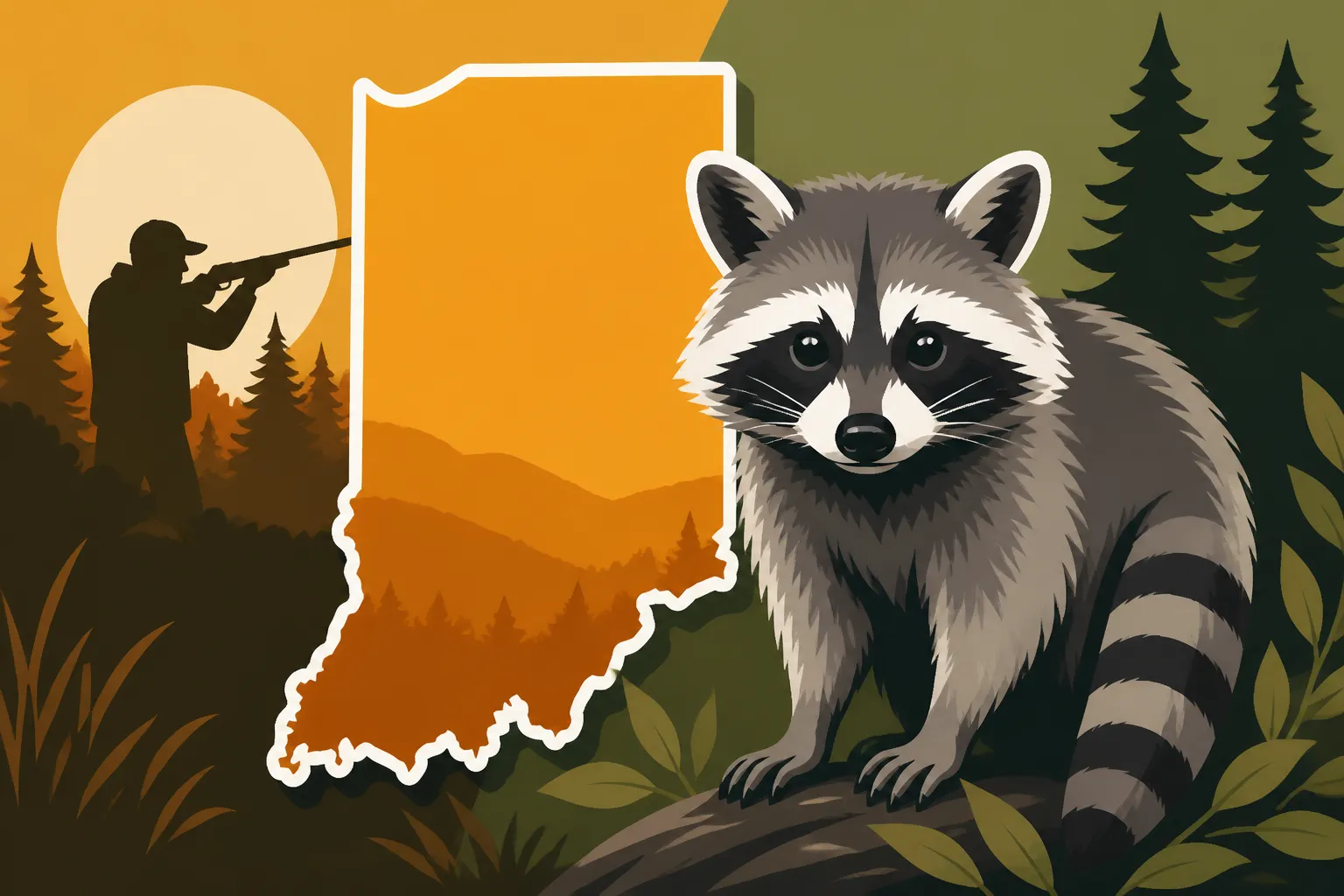
For those looking to harvest raccoons in Indiana, whether for fur, meat, or simply the enjoyment of the chase, the state sets specific opening and closing dates. The general hunting season for raccoons typically opens in early November, often around November 8th, and extends all the way through the end of January of the following year. This means you have a solid window, encompassing late fall and much of the winter, to be out in the fields and timber. During this time, raccoons are often preparing for colder weather or are already in their winter patterns, making them a consistent target.
Trapping season for raccoons usually begins a little later than hunting season, kicking off in mid-November, typically around November 15th, and also runs through January 31st. This slight delay in the trapping season opening is often tied to furbearer prime pelt conditions, ensuring trappers can harvest animals when their fur is at its best quality. There are no daily or seasonal bag limits on raccoons in Indiana, which provides ample opportunity for those serious about population control or fur harvesting. It's always a good idea to double-check the current year's dates directly from the Indiana Department of Natural Resources (DNR) website or their hunting and trapping guides, as dates can shift slightly from year to year. You can also refer to our guide on Indiana Small Game Season Rules for a broader look at other furbearer seasons.
Specific Regulations for Private Versus Public Land
While the season dates for hunting and trapping raccoons remain consistent regardless of land ownership, the regulations concerning access and methods can differ significantly between private and public lands. On your own private property, or with explicit permission from a landowner, you generally have more flexibility within the established season dates. This might include using certain types of lights at night for hunting, setting traps in locations convenient to you, or even driving vehicles to retrieve game. Tools like the GoHunt app can be immensely helpful for landowners to understand their property boundaries and associated regulations.
When venturing onto public hunting land in Indiana, such as Fish and Wildlife Areas (FWAs), State Forests, or the Hoosier National Forest, you need to be acutely aware of additional site-specific rules. These often include requirements for signing in and out, restrictions on vehicle use, designated areas for certain activities, and sometimes even specific rules about how and where you can set traps or hunt. For instance, some public lands might have regulations about leaving stands or blinds overnight, which could impact how you approach raccoon hunting. It's critical to research the specific FWA or State Forest you plan to visit before you go. The Indiana DNR website provides detailed property maps and rules for each area, ensuring you understand, for example, the Treestand Rules on Indiana Public Land. Failing to do so could result in fines or loss of hunting privileges, putting a real damper on your outdoor experience.
Navigating Nuisance Wildlife Rules for Raccoons
Raccoons are incredibly adaptable creatures, and sometimes, their adaptability brings them into conflict with human interests. When these masked bandits start raiding your trash cans, tearing up your yard, or, even worse, taking up residence in your attic or crawl space, they transition from a fascinating wild animal to a genuine nuisance. Thankfully, Indiana has provisions for dealing with these situations outside of the regular hunting and trapping seasons.
When Raccoons Become a Problem
A raccoon becomes a nuisance when its actions cause damage or pose a threat to property, agriculture, or public health and safety. This could manifest in various ways: a raccoon habitually knocking over your garbage bins, causing structural damage by chewing through wires or insulation, predating on poultry or small pets, or simply creating an unsanitary environment near your home. Beyond the mere inconvenience, raccoons can carry diseases like rabies, distemper, and raccoon roundworm, posing a legitimate health risk to humans and domestic animals.
It's important to recognize the difference between a nuisance raccoon and a simply present one. Seeing a raccoon occasionally in your backyard at night isn't necessarily a nuisance. However, if that animal starts exhibiting aggressive behavior, appears sick, or repeatedly causes damage, that's when you might consider taking action. Remember, prevention is often the first step; securing trash, blocking entry points to your home, and removing pet food can often deter raccoons before they become a full-blown problem. For more information on general small game, you can check out Indiana Small Game Season Rules.
Permitted Methods for Nuisance Raccoon Removal
When a raccoon truly becomes a nuisance in Indiana, you generally have a few more options available to you, even outside the regular hunting and trapping seasons. If the raccoon is causing damage to your property, a landowner or tenant can typically remove or kill the animal year-round without a special permit. This is a critical distinction from recreational hunting. However, there are still important guidelines to follow:
- Trapping: Live traps are a common method for nuisance raccoons. Once caught, you generally have two options: release the animal or humanely euthanize it. The Indiana DNR strongly discourages relocating trapped wildlife, particularly furbearers like raccoons, as it can spread disease, displace other animals, and often just transfers the problem to a new location. If you choose to release, it must be on the property where it was captured. For detailed advice on live traps, our guide on Live Traps for Nuisance Furbearers can be a valuable resource.
- Shooting: If you are on your own property and it is safe to do so, shooting a nuisance raccoon is generally permitted. You must still adhere to all local ordinances regarding firearm discharge, distance from dwellings, and public safety. This is where understanding your local area's specific rules, even on your own land, is paramount.
- Professional Help: For those uncomfortable or unable to deal with nuisance raccoons themselves, contacting a licensed Nuisance Wildlife Control Operator (NWCO) is a good option. These professionals are trained, permitted by the state, and equipped to handle wildlife conflicts safely and legally.
Regardless of the method, the overriding principle is humane treatment and ensuring public safety. Never attempt to handle a raccoon by hand, especially if it appears sick or aggressive. If you encounter a raccoon exhibiting strange behavior, it's wise to report a potentially Sick Animal in Indiana to the DNR.
Important Considerations for Raccoon Hunters and Trappers
Raccoon hunting and trapping are deep-rooted traditions in Indiana, offering unique challenges and rewards. However, like all forms of wildlife pursuit, they come with a set of responsibilities and legal requirements. Understanding these aspects ensures a safe, ethical, and legal experience afield.
Licensing and Legal Requirements
Before you even think about stepping into the woods or setting a trap for raccoons, you need to make sure you're properly licensed. In Indiana, to hunt or trap raccoons, you'll need a valid hunting license. If you're primarily trapping, a trapping license is mandatory. Often, residents opt for a comprehensive bundle that covers various activities. For example, our detailed guide on Indiana Resident License Options explains the different choices available. Non-residents also have options, usually with different fee structures, which you can learn about in Indiana Nonresident License Options.
Beyond the basic license, there are specific legal details to be aware of:
- Night Hunting: Raccoons are largely nocturnal, and night hunting is a popular and effective method. Indiana law permits night hunting for raccoons (and opossums) but with specific regulations regarding artificial lights. Generally, you can use a white or amber light, carried by hand or mounted on your head, to locate and take raccoons. However, spotlighting from a vehicle on public roads or properties without permission is illegal and considered a serious offense.
- Weapon Restrictions: While rifles are now generally legal statewide for deer hunting in Indiana, for raccoons, traditional methods like .22 caliber rimfire rifles, shotguns with small game loads, or archery equipment are common. Always double-check current regulations for any specific weapon restrictions, especially if hunting on public lands.
- Property Access: Whether hunting or trapping, you must have permission from the landowner to be on private property. Trespassing is a serious offense. On public land, follow all posted rules and any required sign-in procedures. The GoHunt app can assist in identifying public vs. private boundaries and often shows landowner names for permission requests.
- Reporting: While there's no mandatory check-in or reporting for raccoons, it's always good practice to keep track of your harvest. This data can be valuable for personal records and contribute to your understanding of local populations, just as you might Read an Indiana Harvest Report for other game.
Best Practices and Ethical Considerations
Ethical hunting and trapping are paramount. These practices ensure respect for the animal, the environment, and the broader hunting community.
- Humane Methods: When trapping, use methods designed to hold animals humanely and check your traps frequently (Indiana law typically requires traps to be checked at least once every 24 hours). If an animal is captured, dispatch it quickly and humanely. For hunting, strive for clean, quick kills to minimize suffering.
- Respect for Landowners: If you have permission to hunt or trap on private land, be an exemplary guest. Close gates, don't litter, avoid damaging crops or property, and always leave the area better than you found it. A small gift of game meat or helping with a chore can go a long way in maintaining good relationships and future access.
- Disease Awareness: Raccoons are known carriers of various diseases. Always wear gloves when handling raccoons, especially if you plan to process them for fur or meat. Be aware of signs of illness in animals, and if you suspect a diseased animal, avoid direct contact and report it to the DNR.
- Conservation Mindset: While raccoons are plentiful, ethical hunters and trappers contribute to sound wildlife management. Understanding local populations and not over-harvesting from a specific area helps maintain healthy numbers for future generations. For those interested in trapping, developing these skills through a course on Running a Trapline in Rural Indiana can be incredibly beneficial.
Planning Your Raccoon Hunting or Trapping Excursion
A successful raccoon hunt or trap line doesn't just happen by chance; it requires careful planning, scouting, and the right gear. These animals are smart and nocturnal, so understanding their habits and having the proper equipment will significantly increase your chances of success.
Scouting and Habitat Insights
Raccoons are incredibly adaptable and can be found in a wide variety of habitats across Indiana, from deep woods to suburban fringes. However, they consistently gravitate towards certain features that provide food, water, and shelter. When you're scouting, keep an eye out for these tell-tale signs:
- Water Sources: Raccoons are often found near water – creeks, rivers, ponds, and even drainage ditches. They use water for drinking, foraging for aquatic food, and sometimes as a travel corridor. Look for tracks along muddy banks. Our guide on Hunting Indiana River Bottom Funnels offers insight into areas often frequented by raccoons.
- Den Trees and Structures: Raccoons den in hollow trees, rock crevices, old barns, culverts, and even abandoned buildings. Look for trees with large cavities or areas with dense brush that could provide daytime bedding.
- Food Sources: Raccoons are omnivores, meaning they eat just about anything. In agricultural areas, they'll frequent cornfields (especially after harvest), soybean fields, and orchards. In timber, they'll forage for nuts, berries, insects, and small vertebrates. Overturned rocks or disturbed soil can indicate recent foraging activity.
- Travel Corridors: Raccoons will often follow natural lines of travel, such as creek bottoms, fencerows, logging roads, and the edges of fields. These are prime locations for setting traps or ambushing them while hunting. Using an app like GoHunt can help you visualize these features from aerial maps.
Scouting isn't just a pre-season activity; it's an ongoing process. Fresh tracks, scat, and recent foraging signs can tell you where raccoons are currently active. If you're a night hunter, consider scouting during the day to identify good travel routes and potential ambush points.
Gear Essentials for Raccoon Pursuit
Having the right gear makes a huge difference in your comfort, safety, and success when pursuing raccoons. Since raccoons are primarily nocturnal, some specific items are critical.
For Hunters:
- Firearm/Archery Equipment: A .22 caliber rimfire rifle is a classic choice for raccoon hunting due to its low recoil and quiet report. Shotguns with small game loads (like 4, 5, or 6 shot) are also effective, especially in dense cover. For archers, a standard bow setup works well.
- Lights: A powerful headlamp or a handheld spotlight with a white or amber light is absolutely essential for night hunting. Look for models with adjustable brightness and a long-distance beam. Check out our recommendations for Handlamps for Walking Out After Dark for good options.
- Warm Clothing: Indiana nights, especially during the late fall and winter raccoon season, can get very cold. Layered, warm, and quiet clothing is a must.
- Dog Box/Leash: If you're hunting with coonhounds, a reliable dog box for transport and sturdy leashes are indispensable.
- Game Bag/Pack: To carry your harvested raccoons, a sturdy game bag or backpack will be necessary.
- GPS/Navigation: Even with dogs, it's easy to get disoriented at night. A reliable GPS unit or a mapping app like GoHunt on your phone (with downloaded offline maps) is crucial.
For Trappers:
- Traps: Depending on your preferred method, you'll need various traps. Duke and Coon Dagger are brands that produce effective dog-proof traps (DP traps) which are popular for raccoons, as well as foothold traps (like #1.5 or #2 coil springs) for water sets or blind sets. Be sure your traps are clean, functional, and properly maintained.
- Setting Tools: Trowels, trap setters, and a sifter are essential for efficient trap placement.
- Lures and Baits: Raccoons are attracted to a wide range of scents and foods. Sweet-smelling lures, fishy baits, and even common items like marshmallows or dog food can be effective.
- Gloves: Heavy-duty gloves protect your hands from sharp teeth and claws, and also help prevent transferring human scent to your traps.
- Waders/Rubber Boots: If you're making water sets, a good pair of waders or tall rubber boots will keep you dry and comfortable.
- Basket/Pack: A sturdy basket or large pack to carry traps, bait, and harvested animals.
Whether you're hunting or trapping, always prioritize safety. Let someone know where you're going and when you expect to return. Be mindful of property lines and other hunters, especially when operating at night.
Disclaimer
The information provided in this guide is for general informational purposes only and does not constitute legal advice. Hunting and trapping regulations can change frequently. Always consult the official Indiana Department of Natural Resources (DNR) hunting and trapping guides, available on their website or at license vendors, for the most current and accurate regulations before engaging in any hunting or trapping activities. Local ordinances may also apply.