Live Traps for Nuisance Furbearers
There's nothing quite as frustrating as finding your carefully manicured garden torn up, your trashcans ransacked, or worse, unwelcome wildlife making a home under your porch or in your attic. When these wild neighbors become genuine nuisances, live trapping can be a humane and effective solution to reclaim your space in Indiana. This guide will walk you through the process, from understanding the culprits to choosing the right trap and handling captured animals responsibly and legally.
Understanding Nuisance Furbearers in Indiana
Before you even think about setting a trap, it's crucial to understand who you're dealing with and the rules governing their removal. Indiana's diverse landscapes, from dense southern forests to sprawling northern farmlands, mean a variety of furbearers can become problematic.
Common Culprits and Their Damage
When you hear scratching in the attic or discover your bird feeder has been emptied overnight, chances are you've got a furbearer on your hands. Each species tends to cause its own brand of trouble, so identifying them is the first step.
Raccoons are probably the most infamous nuisance animals in Indiana. Their nimble paws and surprising strength allow them to easily open trash cans, raid compost bins, and even break into pet food storage. They’ll also readily take up residence in attics, chimneys, and under decks, where their droppings and urine can cause significant damage and create foul odors. Raccoons can also carry diseases, making their presence around homes a health concern.
Skunks are another common offender, particularly known for their potent defensive spray. They often dig under foundations, sheds, and porches, seeking den sites. Beyond the potential for a pungent encounter, skunks can also damage lawns by digging for grubs and insects, and, like raccoons, they are carriers of various diseases. Discovering a skunk living too close for comfort means a very delicate approach is needed.
Opossums are North America's only marsupial, and while generally less destructive than raccoons, they're opportunists. They’ll scavenge trash, pet food, and fallen fruit, and can also take up residence in basements, attics, or under sheds. While often perceived as slow and harmless, their presence can still be unsettling, and they can also carry diseases like any other wild animal.
Beyond these, you might also contend with smaller furbearers like squirrels or even larger predators if you live in a more rural area. Squirrels can chew through electrical wires, build nests in attics, and raid bird feeders with impressive persistence. Foxes or coyotes, particularly in rural or semi-urban fringe areas, might pose a threat to small livestock or pets. Understanding the specific habits of your nuisance animal will greatly inform your trapping strategy.
Legalities of Live Trapping in Indiana
Indiana has specific regulations concerning the trapping and handling of furbearers, and it's absolutely vital to be aware of them to avoid breaking the law. These rules are in place for the welfare of the animals, public safety, and to manage wildlife populations responsibly. Before setting any trap, always consult the current Indiana DNR hunting and trapping regulations, which you can usually find on the GoHunt website or directly through the Indiana Department of Natural Resources.
For many common nuisance furbearers like raccoons, opossums, and skunks, you generally can live trap them on your own property without a specific permit if they are causing damage or a nuisance. However, the critical part comes with what you do after the animal is caught. Indiana law generally prohibits the relocation of trapped animals to another property without landowner permission, and often limits relocation distances even with permission. Releasing animals on public land is typically not allowed. This is largely to prevent the spread of disease and to avoid simply moving a problem from one area to another, potentially introducing competition to existing populations. If you relocate an animal illegally, you could face Indiana Wildlife Violation Penalties.
Certain species may require a nuisance wild animal control permit or professional intervention. For instance, if you're dealing with a species that isn't typically considered a furbearer, or if you plan to deal with the animal in a way other than release on your own property, you'll need to check specific guidelines. It's always best practice to contact your local Indiana DNR district office if you have any doubts or questions about a particular situation. They can provide clarification and ensure you are operating within the bounds of the law, protecting both yourself and the wildlife. If you're on public ground, you'll need to understand Indiana Property Access Permit Requirement before setting any traps.
Choosing the Right Live Trap for Your Situation
Selecting the correct live trap is paramount for both effectiveness and humane capture. A trap that's too small might injure the animal or allow it to escape, while one that's unnecessarily large can be cumbersome and less effective for smaller targets.
Trap Types and Sizes
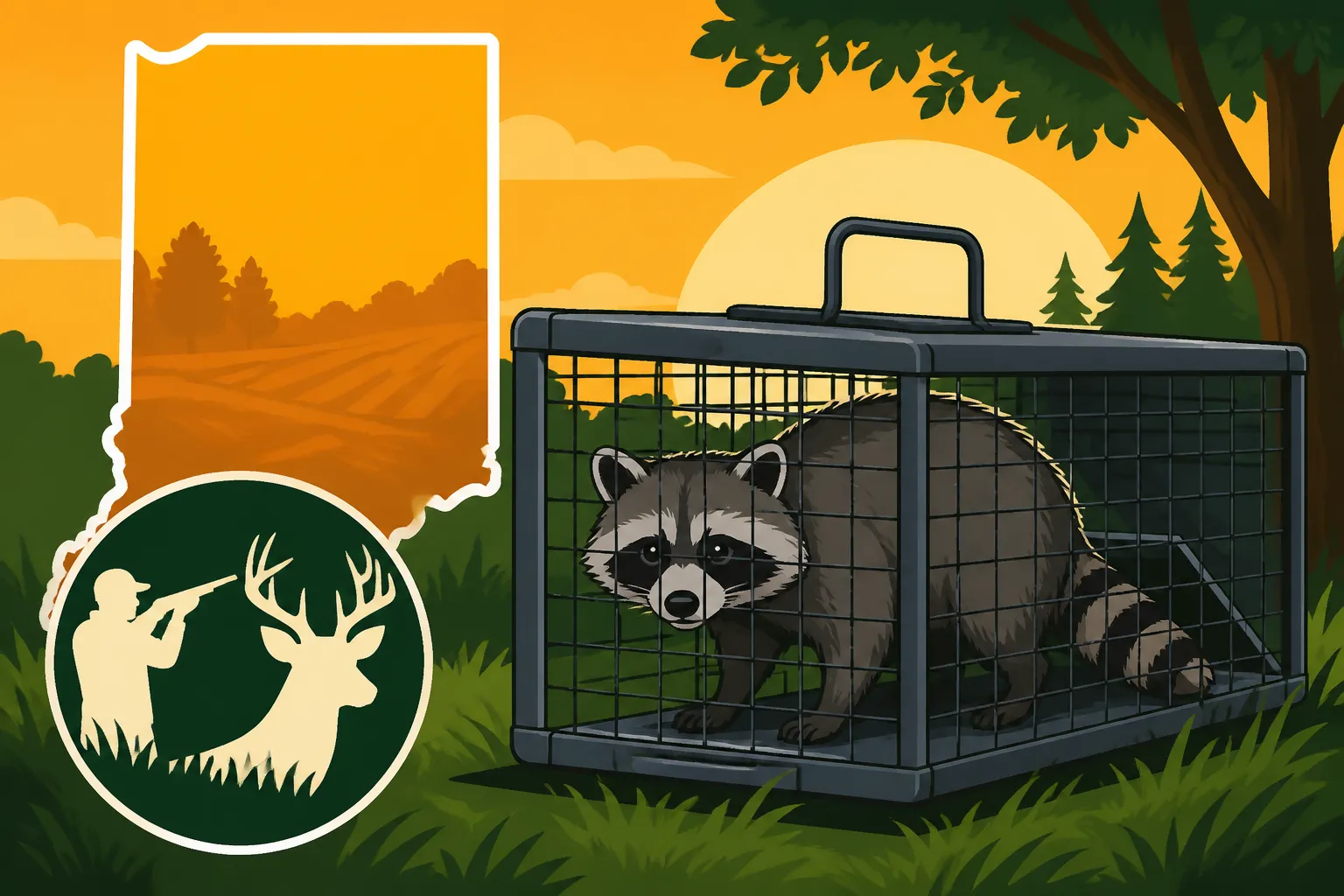
Live traps, often called "cage traps," are designed to capture an animal without harming it, using a bait-activated trigger that closes a door (or doors) once the animal enters. They are typically constructed from heavy-gauge wire mesh.
When selecting a trap, you'll primarily consider the target animal's size. For squirrels, rabbits, or even rats, a small trap (around 18-24 inches long) is usually sufficient. These traps are lightweight and easy to conceal. For larger animals like raccoons, opossums, or skunks, you'll need a medium to large trap (30-42 inches long). These traps are more robust, with stronger door mechanisms and thicker wire to withstand the animal's attempts to escape. For something like a fox or a coyote, which can also be nuisance animals in more rural settings, you'd need an even larger, heavy-duty trap, often 48 inches or more, built to contain a powerful animal.
Most live traps come in either a single-door or double-door configuration. Single-door traps have a door on one end and the bait is placed at the back, luring the animal in. Double-door traps, with doors on both ends, often create a more natural "tunnel" feel, making the animal less hesitant to enter, as they can see a perceived exit. The trigger plate is usually in the center. Both types are effective, but double-door models can sometimes be advantageous for wary animals. Consider the build quality as well; a sturdy trap will last longer and be more secure. Companies like Havahart or Tomahawk are popular choices, known for their durable designs and various sizes available for different Indiana furbearers.
Baiting Strategies for Success
The right bait is key to a successful live trapping operation. Animals are driven by hunger and curiosity, so appealing to their senses with an irresistible treat will draw them into your trap. What works for one species might not work for another, so tailor your bait selection to your target.
For raccoons, which are omnivores with a sweet tooth and a love for greasy foods, items like marshmallows, sweet pastries, canned tuna or cat food, and even corn on the cob are excellent choices. A dab of peanut butter on the trigger plate can also be incredibly enticing. Skunks are also omnivores but tend to prefer insects, grubs, and fruits. Canned cat food, overripe fruit, or even bacon can work. Be cautious with skunks; if using a trap where they might spray, a sheet draped over the trap can make them feel more secure and less likely to spray.
Opossums are opportunistic scavengers, so almost anything edible will attract them: fruits, vegetables, pet food, or even kitchen scraps. For smaller nuisances like squirrels, nuts (especially peanuts or walnuts), seeds, and fruit are usually effective. If you're targeting a specific furbearer, a quick search on GoHunt or an outdoor forum will often provide tried-and-true bait recommendations for your region and species.
When baiting, don't just put it on the trigger plate. Place a small trail of bait leading into the trap, and then position the main, most desirable portion of the bait behind the trigger plate. This encourages the animal to fully enter the trap and step on the plate. Also, ensure the bait is placed in a way that the animal cannot reach it from outside the trap without tripping the mechanism. Scent lures can also be used in conjunction with food baits, particularly for coyotes or foxes, mimicking prey or territorial markers.
Setting Up and Monitoring Your Live Trap Ethically
Once you have the right trap and bait, the next steps involve careful placement and diligent monitoring to ensure a humane and effective capture. It’s not just about catching the animal; it’s about doing it responsibly.
Placement and Security
Strategic trap placement is crucial. Think like the animal you're trying to catch. Where do they travel? Where do they eat? Where do they enter and exit your property? Look for signs of activity such as tracks, scat, disturbed vegetation, or entry points into buildings.
Common placement areas include near trash cans, along fence lines, at the entrance to a den under a porch or shed, or near areas where damage has occurred, like a raided chicken coop or garden. If you suspect an animal is living under a structure, you might even consider placing the trap directly in front of their known exit point. When setting the trap, make sure it's on a flat, stable surface so it doesn't wobble, which could deter a cautious animal. Camouflage the trap somewhat with natural materials like branches or leaves to make it seem less foreign, but ensure the door mechanism isn't obstructed.
Securing the trap is also very important. A captured animal, especially a raccoon or fox, can be surprisingly strong and determined to escape. They can also attract other animals or become a target for theft. Use stakes driven into the ground through the mesh or heavy objects placed on top of the trap to prevent it from being tipped over or dragged away. If trapping in an area where domestic animals might roam, consider fencing off the trap or only setting it at night and removing it during the day. This helps prevent accidental capture of pets. For understanding various areas and land boundaries, mapping tools like Using the Indiana OnX and DNR Map Tools can be incredibly helpful.
Regular Checks and Humane Handling
The ethical responsibility of live trapping falls squarely on the trapper. This means frequent checks of your traps. You should check a live trap at least once every 12-24 hours, ideally more often, especially in extreme weather conditions. Leaving an animal trapped for extended periods can cause undue stress, dehydration, heatstroke, or hypothermia, and can also make them more susceptible to predation.
When you approach a live trap, do so calmly and cautiously. A captured animal will be scared, stressed, and potentially aggressive. Wear thick gloves and, if possible, have a blanket or tarp ready. Gently drape the blanket over the trap to cover the animal. This often calms them down by creating a dark, enclosed space. Never reach into a trap, even if the animal appears docile. Wild animals can be unpredictable, and bites or scratches can transmit diseases. If you're dealing with a skunk, covering the trap calmly and quietly can often prevent it from spraying.
Once the animal is secured and calm, it's time to prepare for release or transport. If the animal appears sick or injured, you may need to contact Indiana DNR or a local wildlife rehabilitator. Information on Reporting a Sick Animal in Indiana can guide you in these situations. Remember, the goal is to resolve a nuisance issue humanely, not to cause further harm.
Releasing or Relocating Trapped Animals
The moment of truth arrives after a successful capture: what to do with the animal. This is where Indiana's regulations become especially critical, as improper release can lead to legal issues or simply shift the problem elsewhere.
Indiana's Relocation Rules
Indiana's regulations on relocating trapped animals are quite strict, primarily to prevent the spread of diseases, protect existing wildlife populations from introduced competition, and ensure that nuisance problems aren't merely displaced. In most cases, you are not permitted to relocate a trapped wild animal from your property to public land, or even to another person's private property without their explicit permission. The general rule for many common nuisance furbearers like raccoons, skunks, and opossums is that if you live trap them, they should be released on the same property where they were caught.
If releasing on the same property isn't feasible (for example, if you've trapped a persistent raccoon that keeps returning to your attic), your options become more limited. You might be able to release it on a very large, undeveloped portion of your own property, far away from your home, if such an area exists. However, releasing it just down the road or in a nearby woodlot is typically illegal and highly discouraged. For those who live in urban or suburban areas without extensive private land, this can be a real dilemma. In such cases, contacting a professional wildlife control operator or the Indiana DNR for guidance is usually the best course of action. They can advise on legal options, which may include euthanasia if relocation is not viable. Understanding the nuances of Indiana Feral Hog Regulations or Trapping Indiana Furbearers in a broader sense highlights that different species have different rules, so always verify for your specific target.
Dealing with Unwanted Catches
It's inevitable that sometimes, despite your best efforts, you might catch something other than your intended target. This could be a neighbor's curious cat, a protected species, or a non-nuisance animal. When this happens, handling the situation carefully and safely is paramount.
If you trap a domestic animal, like a cat or dog, approach the trap gently and calmly. Confirm it's a pet (look for collars, tags). If possible and safe, open the trap door to allow the animal to leave on its own. If it seems disoriented or scared, you might need to contact local animal control or a shelter. If you recognize the pet, contacting its owner is the kindest and most direct solution.
For non-target wild animals that are not causing a nuisance or are protected, the process is similar. Approach with caution, cover the trap with a blanket to calm the animal, and then carefully open the door to allow it to escape. Stand back and give it plenty of space to leave on its own terms. Never try to shoo or force an animal out of a trap aggressively, as this can lead to injury for both you and the animal. Always confirm that the animal has fully vacated the trap before attempting to reset it or move it. This commitment to humane handling extends to all living creatures, not just the ones causing you trouble.
Avoiding Future Nuisance Issues
The best trap, as they say, is the one you don't have to set. Once you've dealt with a nuisance furbearer, taking preventative measures is key to ensuring you don't face the same problem again. Exclusion and habitat modification are your strongest tools.
Habitat Modification and Exclusion
Making your property less attractive and accessible to wildlife is the most effective long-term strategy. This often involves a combination of removing food sources and sealing off potential entry points.
Start with food sources: Secure your trash cans with tight-fitting, animal-proof lids or bungee cords. Bring pet food bowls inside, especially overnight. If you have bird feeders, consider squirrel-proof designs or place them in areas difficult for other furbearers to access. Clean up fallen fruit from trees and gardens promptly. Compost piles should be enclosed and turned regularly to discourage scavengers. Even a spilled bag of fertilizer or a leaky outdoor faucet can attract unwanted attention, so keeping your yard tidy and free of accessible food or water is crucial.
Next, focus on exclusion. Inspect your home and outbuildings for any openings that could serve as entry points. Raccoons, for example, can squeeze through surprisingly small gaps. Check foundations for cracks, ensure attic vents and chimneys are properly screened, and repair any loose siding or damaged screens. If you have a deck or shed, consider installing a sturdy wire mesh skirt around the base, burying it several inches deep, to prevent animals from digging underneath. Even a small hole can be an invitation for a skunk or opossum to set up a den.
For ongoing issues, motion-activated lights or sprinklers can sometimes deter nocturnal visitors without direct intervention. Combining these deterrents with vigilance and prompt action when signs of nuisance animals reappear will help keep your Indiana property wildlife-friendly without making it a wildlife free-for-all. By understanding where a problem species might look for shelter or food, you can effectively cut off their resources, leaving them no choice but to move on to a less hospitable area.
| Nuisance Furbearer | Recommended Trap Size (Length) | Effective Baits | Damage Often Caused |
|---|---|---|---|
| Raccoon | 30-42 inches | Marshmallows, cat food, corn, sweet pastries | Raiding trash, attic/chimney dens, disease transmission |
| Skunk | 30-42 inches | Canned cat food, overripe fruit, bacon | Digging under foundations, strong odor, disease transmission |
| Opossum | 30-42 inches | Fruit, vegetables, pet food, kitchen scraps | Scavenging, denning in basements/attics |
| Squirrel | 18-24 inches | Nuts, seeds, fruit | Chewing wires, attic nests, bird feeder raids |
| Fox | 42-48 inches | Meat scraps, fish, commercial lures | Predation on small livestock, property digging |
| Coyote | 48+ inches | Meat scraps, commercial lures, carrion | Predation on livestock/pets, property digging |
Disclaimer
This article is for general informational purposes only and does not constitute professional advice. Laws, prices and regulations vary by location and change over time. Consult a qualified professional for guidance on your specific situation.