Bird Dog Boots and Cut Pads
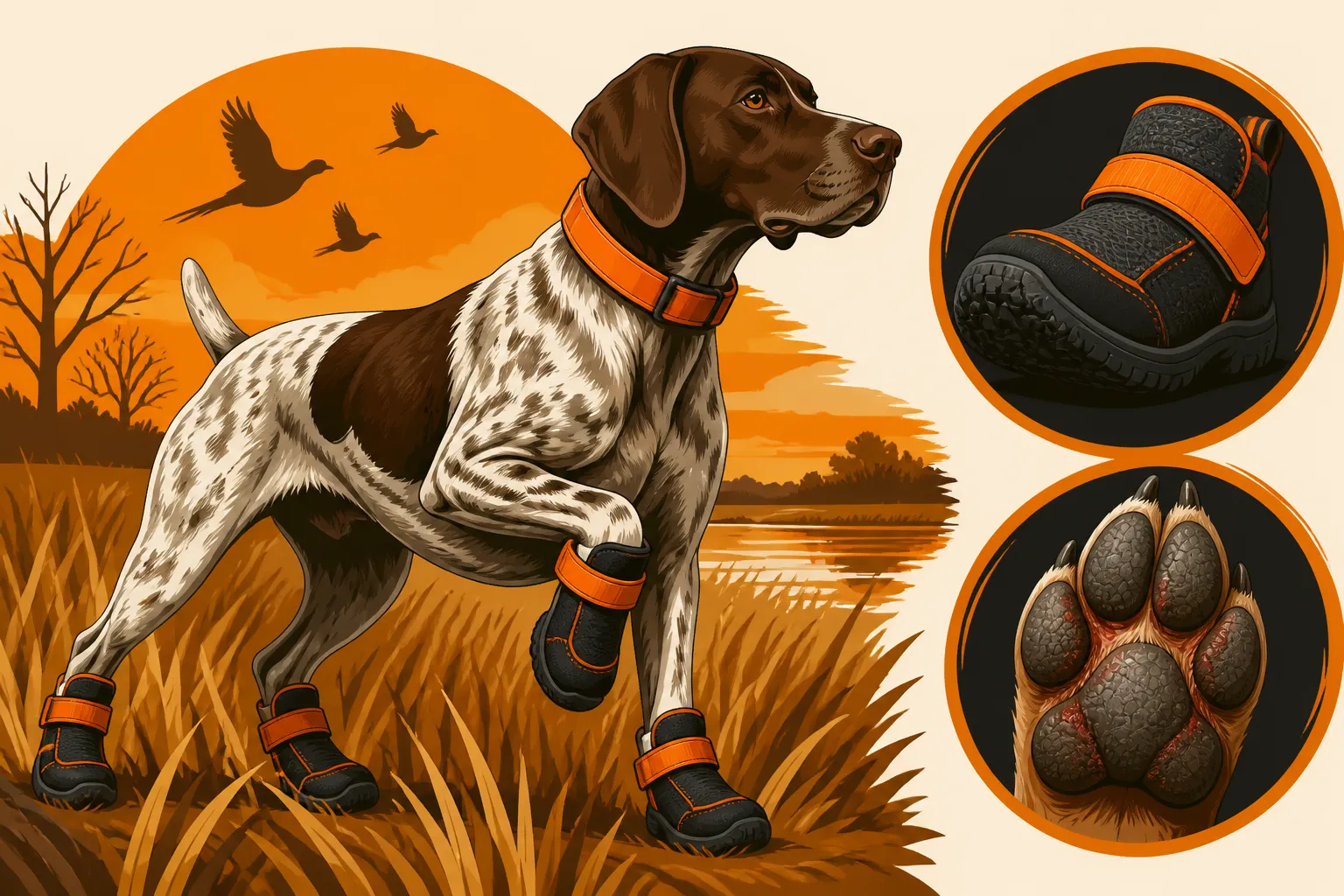
There’s nothing worse than watching your loyal bird dog limp back to you, holding up a paw, after a great retrieve or a long day working thick cover. You immediately know that the hunt is over, and your heart sinks a little seeing them in pain, knowing a paw pad cut or abrasion is likely. Navigating Indiana’s diverse terrain, from the gnarly corn stubble of northern farmlands to the rocky creek beds and briar patches of southern hardwood forests, can be incredibly tough on a dog's feet. This guide is here to walk you through everything you need to know about protecting your bird dog's precious paws with boots and how to handle those inevitable cuts and scrapes when they happen.
Why Your Bird Dog Needs Paw Protection in Indiana
Indiana, for all its beauty, isn't always kind to a dog's feet. We ask our bird dogs to cover miles, often through unforgiving landscapes, in all sorts of weather. Their paw pads, while naturally tough, are not invincible. Understanding the specific threats they face can help you appreciate why protection isn't just a luxury, but often a necessity for their comfort and continued performance.
The Unseen Hazards of Indiana Terrain
Think about where you hunt pheasants, quail, or rabbits. Are you picturing a perfectly manicured lawn? Not likely. We're talking about fields harvested months ago, leaving behind sharp, dried corn stubble that can slice a pad like a razor. There are fencerows choked with multiflora rose and honeysuckle, both notorious for their thorns. In the southern part of the state, especially on public land like the Hoosier National Forest, you're dealing with rocky creek beds, gravel trails, and downed timber that can splinter or abrade pads. A casual walk in the woods might seem fine, but a full day of busting through Rabbit Hunting Indiana Fencerows or pushing dense CRP fields for Pheasant Hunting Indiana Grassland is an entirely different beast for those pads.
Beyond the physical sharpness, consider the ground itself. Dry, hard-packed earth can lead to cracks and abrasions over time. Frozen ground, common during late-season hunts, becomes as hard as concrete and just as abrasive, turning small impacts into significant stressors. In contrast, boggy areas or wetlands, particularly those found around our Kankakee River marshes, can soften pads, making them more susceptible to tears when they transition to drier, rougher ground. It’s a constant battle against the elements and the landscape, and those paw pads are always on the front line.
Common Paw Injuries and Their Impact
The most frequent culprits we see are cuts and abrasions. A cut from a sharp stick or piece of stubble can range from a minor inconvenience to a deep wound that sidelines your dog for weeks. Imagine trying to finish a hunt with your best retrieving buddy limping beside you, blood staining the snow or grass. It's heartbreaking. Beyond cuts, you've got punctures from thorns, burrs that embed themselves deep between toes, and even chemical burns from agricultural runoff or road salts in some areas.
Then there are the less obvious but equally debilitating issues: cracked pads from excessive dryness or cold, blisters from friction, or even foreign objects like tiny stones getting lodged in sensitive areas. Any one of these can lead to pain, infection, and a complete halt to your hunting season. A dog with sore feet simply cannot perform, nor should they be asked to. Their well-being comes first, and a simple preventative measure like quality paw protection can save a lot of heartache and vet bills in the long run.
Choosing the Right Bird Dog Boots for Indiana Conditions
So, you're convinced: paw protection is a must. But walking into a pet store or browsing online reveals a bewildering array of options. How do you choose the right boots for your Indiana hunting adventures? It's not just about slapping something on their feet; it's about fit, material, and suitability for the specific challenges you and your dog will encounter.
Understanding Boot Materials and Construction
Dog boots are typically made from a combination of materials, each serving a specific purpose. The sole is critical, as it takes the brunt of the abuse. Look for durable, non-slip rubber soles that can stand up to sharp stubble, rocks, and icy patches. Some higher-end boots feature Vibram soles, similar to those found on hiking boots, which offer excellent traction and longevity. These are particularly good if you find yourself covering diverse terrain or Still-Hunting Southern Indiana Ridges where jagged rocks are common.
The upper portion of the boot needs to be tough enough to resist tearing from briars and snags but also flexible enough to allow for natural paw movement. Cordura nylon is a popular choice due to its abrasion resistance and durability. Breathable mesh panels can be beneficial for warmer weather to prevent overheating, though they may sacrifice a bit of water resistance. For colder, wetter conditions, a more water-resistant or even waterproof material might be preferred. When researching, I often check out gear sites like GoHunt to see what other hunters are saying about specific materials and how they hold up in real-world scenarios.
The closure system is equally important. Velcro straps are common, but they need to be robust and secure to prevent the boot from slipping off in thick mud or during fast runs. Multiple straps, or straps that wrap around the ankle, tend to offer a more secure fit. Some boots also feature elastic gaiters or cinches to help seal the top, preventing debris from entering.
The Critical Importance of Proper Fit
This is where many hunters go wrong, and it’s arguably the most important factor in boot success. A boot that is too loose will twist, rub, and eventually fall off, causing more problems than it solves. A boot that is too tight will pinch, restrict blood flow, and cause discomfort or even injury.
To get the right fit, you need to measure your dog's paws accurately. This usually involves placing their paw on a piece of paper, having them put weight on it, and marking the widest point. Compare this measurement to the manufacturer's sizing chart. Remember that front paws are often slightly wider than back paws, so you might need two different sizes or a set that accommodates this variation. Many companies, knowing this, offer boots individually or in sets of two.
Once you have the boots, introduce them slowly. Don't just put them on right before a hunt. Let your dog wear them around the house for short periods, gradually increasing the time. Observe their gait – a properly fitting boot should allow a natural stride, not a stiff, awkward shuffle. Check for any rubbing or pressure points, especially around the dewclaws. A good fit means the boot stays on, protects, and goes unnoticed by the dog as much as possible. It's a key part of your Bird Dog Gear for Indiana Cover setup.
| Feature / Material | Best Use Case (Indiana) | Pros | Cons |
|---|---|---|---|
| Rubber Soles | Rocky terrain, stubble, ice | Excellent grip, high abrasion resistance, waterproof | Can be stiff, heavier, less breathable |
| Cordura Uppers | Briars, fencerows, general field use | Very durable, tear-resistant, good protection | Can retain heat, not fully waterproof |
| Breathable Mesh | Warm weather, light cover | Good ventilation, prevents overheating | Less durable, easily snagged, no water resistance |
| Velcro Straps | General purpose | Easy to put on/take off, adjustable | Can collect debris, may loosen if not high quality |
| Gaiter Top | Deep snow, mud, burr-prone areas | Keeps debris out, adds security | Can be harder to put on, potentially tight |
Addressing and Preventing Paw Pad Cuts
Even with the best boots, accidents can happen, or you might find yourself in a situation where boots aren't practical. Knowing how to quickly address a paw injury in the field and taking steps to prevent them is crucial for any responsible bird dog owner in Indiana.
Field First Aid for Paw Injuries
So, your dog comes up lame. First things first: get them to a safe, comfortable spot. Inspect the paw thoroughly. Look for cuts, punctures, embedded thorns, or excessive redness. If there's active bleeding, apply direct pressure with a clean cloth or gauze. I always carry a small first-aid kit for myself and my dog, which includes antiseptic wipes, gauze, vet wrap, and some saline solution. GoHunt often has great checklists for field first-aid essentials, and I’ve adapted mine over the years based on their suggestions and my own experiences.
For minor cuts and abrasions, clean the wound thoroughly with saline solution or an antiseptic wipe. Once clean, you can apply a thin layer of antibiotic ointment and then cover it with a sterile gauze pad. Secure the gauze with vet wrap, making sure it’s snug but not too tight. You should be able to slide a finger under the wrap. The goal is to protect the wound from dirt and further trauma until you can get back home or to a vet. Remember, a deep puncture or a profusely bleeding wound warrants immediate veterinary attention. Don’t try to be a hero; get professional help.
Conditioning and Toughening Paw Pads
While boots offer excellent protection, you can also help your dog's pads become more resilient over time. Regular exercise on varied terrain is key. Gradually exposing their pads to different surfaces – gravel, asphalt, grass, dirt – helps to thicken and toughen the skin naturally. Don't start a long, rocky hike if your dog has only ever walked on grass. Build up their tolerance slowly.
Maintaining proper paw health throughout the year is also important. Some hunters use paw balms or waxes, particularly in dry or very cold conditions, to keep pads moisturized and prevent cracking. These products create a protective barrier that can help against salt, ice, and minor abrasions. Trim the hair between their paw pads regularly to prevent matting and to reduce the chances of burrs or mud getting stuck and causing discomfort. This also allows you to inspect their pads more easily after a hunt. Consider this part of your overall Scouting Indiana Public Land Before Season routine – preparing your dog is just as important as preparing your gear.
Tips for Success with Dog Boots in the Field
Getting your dog to accept and effectively use boots in the field can be a process, but it’s one that pays dividends in terms of their safety and your peace of mind. A little preparation and ongoing vigilance can make all the difference.
Acclimating Your Dog to Wearing Boots
Don't wait until opening day to introduce boots. Start early and make it a positive experience. Put the boots on for just a few minutes at a time, perhaps indoors first, and distract your dog with treats, toys, or a short play session. Most dogs will do the "high-step" dance initially – that's normal! Laugh it off, but don't take the boots off until they've settled down, even for a moment. This teaches them that the boots aren't coming off just because they act goofy.
Gradually increase the duration and move to familiar outdoor areas. Take them for short walks around the yard or a local park while wearing the boots. This helps them get used to the feel and develop a natural gait. During this training phase, keep an eye out for any signs of discomfort or rubbing. You might need to adjust the straps or even try a different size or brand if problems persist. The goal is for them to wear the boots without really noticing them, allowing them to focus on the task at hand – finding birds!
Maintenance and Field Best Practices
Once you're in the field, periodic checks are vital. Every hour or so, or whenever you stop for a water break, take a moment to inspect your dog's paws and boots. Look for signs of rubbing, shifting, or if any debris has worked its way inside. Dirt, sand, or small pebbles inside a boot can cause serious chafing or cuts, negating the boot's purpose entirely. Adjust straps as needed, and ensure the boots are still securely in place. I always carry a few spare boots in my Packs Built for a Hoosier Forest Day Hunt or upland vest because a lost or damaged boot can quickly end a hunt.
After each hunt, clean the boots thoroughly. Mud, burrs, and other grime can accumulate, affecting the material's integrity and potentially carrying bacteria. A simple rinse with water and air drying is usually sufficient. Store them in a cool, dry place. Regularly inspect the boots for wear and tear – worn soles, frayed stitching, or damaged straps indicate it's time for a replacement. Just like your own Boots for Walking Indiana Farm Country, your dog's boots need to be in good working order to perform when it counts. Keeping an eye on these details ensures your loyal companion can continue to work hard and stay safe, ready for the next adventure, whether it's Hunting Northern Indiana Farmland Deer or chasing birds across a fallow field.
Disclaimer
This article is for general informational purposes only and does not constitute professional advice. Laws, prices and regulations vary by location and change over time. Consult a qualified professional for guidance on your specific situation.