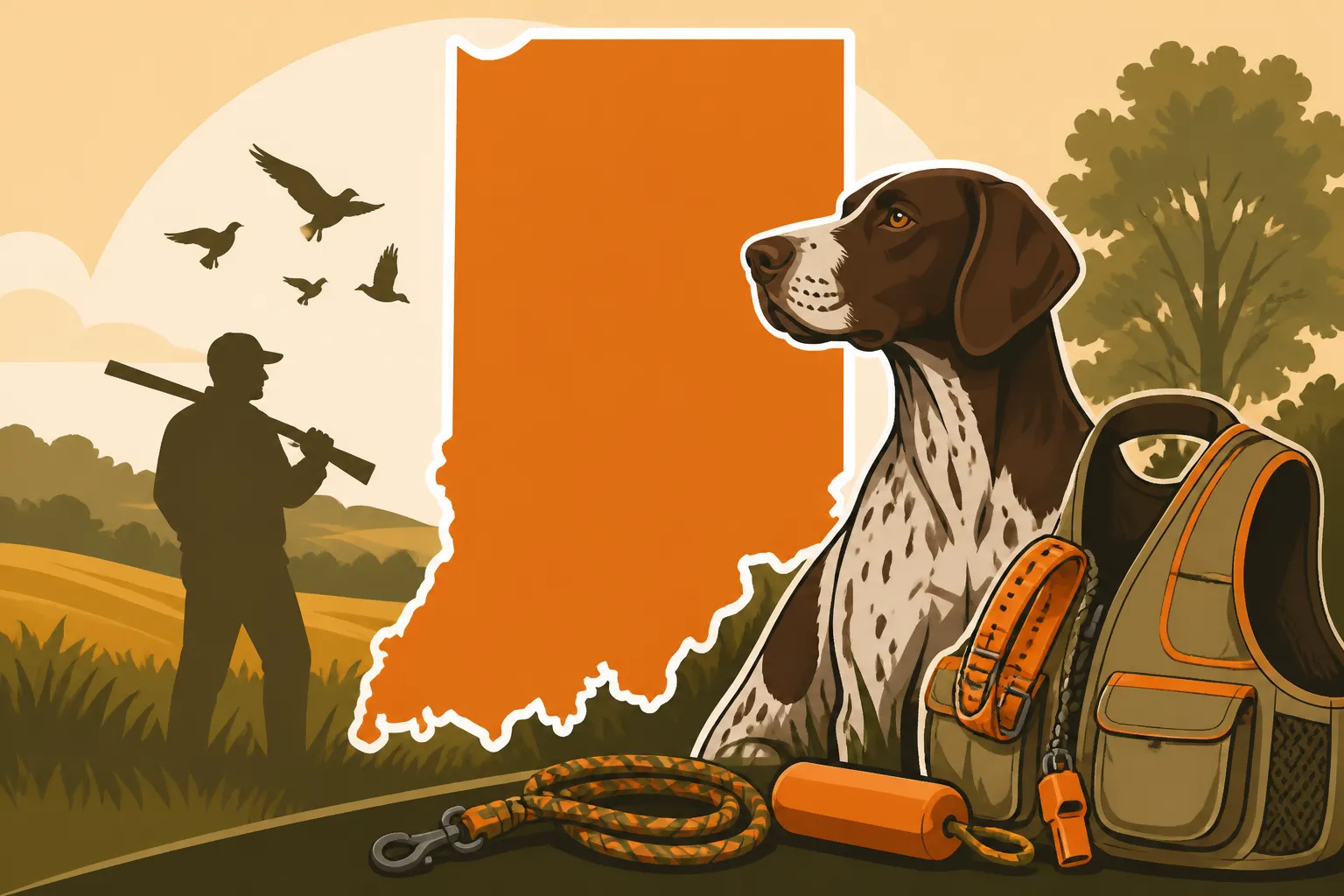
Bird Dog Gear for Indiana Cover
There's nothing quite like sharing the field with a well-trained bird dog, watching them work through the brush, scenting out pheasants or flushing a covey of quail. But let's be honest, those Indiana fencerows, thick cattail marshes, and briar patches aren't always kind to our canine companions. From cut paws to lost dogs, there are real worries that can take the joy out of a hunt. This guide is all about equipping your bird dog—and you—with the right gear to tackle Indiana's diverse cover, ensuring their safety, maximizing their effectiveness, and making every outing a rewarding one.
Protecting Paws and Bodies in the Field
When you're pushing through a thick stand of switchgrass or navigating a thorny locust grove in search of upland birds, your dog is right there with you, often doing a lot more heavy lifting through the toughest stuff. Their paws and bodies are on the front lines, so making sure they're protected is paramount. It’s a common frustration to have a hunt cut short because your best buddy stepped on something nasty.
Boots for Indiana's Diverse Terrain
Indiana's hunting grounds offer a pretty varied landscape. You might start the day in a dewy, open grassland, move into a briar-choked fencerow, and finish up slogging through some muddy river bottomland or even frozen stubble. Each of these environments presents a unique challenge to your dog's paws. Thin skin on pads can easily get torn or abraded by sharp corn stalks, frozen clods of earth, or those notoriously aggressive multiflora rose thorns.
Dog boots aren't just for fancy city pups; they're a practical piece of equipment for serious bird hunters. When selecting boots, you'll find options ranging from simple, flexible rubber booties that offer basic protection against moisture and light abrasion, to more robust fabric-and-rubber constructions designed for extreme durability. Look for boots with good traction for slippery surfaces, and materials that resist punctures from thorns. Fit is absolutely critical—too loose, and they'll spin or fall off, leading to frustration and lost gear. Too tight, and they can cause chafing and discomfort. Many hunters find that trying a few different brands and styles at home, getting your dog used to wearing them around the house, and checking for rubbing spots is the best approach. Don't forget the break-in period; just like your own hunting boots, dog boots need to be worn a bit before a long day in the field to conform to their paws and prevent blisters. Always carry a few spares, because even the best boots can get lost in thick cover.
Vests and Chest Protectors for Thick Cover
Beyond their paws, a bird dog's chest and flanks are constantly exposed to scraping, poking, and snagging as they blast through heavy cover. Think about a pheasant bursting from a tangled briar patch, and your dog diving headlong after it—without protection, they're bound to pick up some nasty scratches or even deeper wounds. This isn't just about discomfort; serious cuts can lead to infections or require stitches, sidelining your hunting partner for weeks.
A good protective vest or chest protector acts like armor. These garments are typically made from tough, abrasion-resistant fabrics like Cordura or canvas, often reinforced with extra layers over the chest, belly, and sides. The best ones will also feature bright colors, like blaze orange or blaze pink, to enhance your dog's visibility in dense cover, making them easier to spot and reducing the risk of accidental injury from other hunters. Indiana Blaze Orange Requirements generally focus on human hunters, but extending that visibility to your dog is just plain smart. When choosing a vest, consider breathability, especially for early season hunts or warmer fall days; you don't want your dog overheating. A snug but not restrictive fit is key to prevent chafing and ensure the vest stays in place through all the running and jumping. Some vests also offer flotation capabilities, which can be a huge bonus if you're hunting near water or sending your retriever into ponds or sloughs.
Essential Communication and Control Tools
A well-trained bird dog is a joy to hunt with, but even the best-behaved canine can get a little overzealous or lost in the heat of the moment, especially when that scent cone hits just right. Having reliable ways to communicate and keep track of your dog is non-negotiable for safety and successful hunting.
E-Collars for Effective Training and In-Field Control
Let's face it, trying to yell commands over the wind, rustling leaves, or the excitement of a flush can be an exercise in futility. An electronic collar, or e-collar, provides a silent, consistent way to communicate with your dog at a distance. When used properly and humanely, it's an invaluable tool for reinforcing commands, curbing undesirable behaviors like chasing deer, or recalling your dog from a dangerous situation. The frustration of watching your dog bust a covey because they didn't hear your "whoa" command is real, and an e-collar can help prevent those moments.
Modern e-collars come with a range of features, including different levels of static stimulation, vibration, and tone-only options. For Indiana bird hunting, look for a collar with a good range—at least a half-mile or more—because thick woods and rolling terrain can quickly eat into signal strength. Waterproofing is essential, given Indiana's often wet conditions, especially during fall and winter hunts. Pay attention to battery life; a dead collar is useless. Proper e-collar training involves introducing the stimulation as a "tap on the shoulder" to reinforce known commands, never as punishment. It should always be paired with verbal commands. While E-Collar Use on Public Ground is generally permitted for hunting dogs in Indiana, always double-check specific property rules, especially on managed hunt areas. A good e-collar allows you to guide your dog subtly, ensuring they stay in range and respond to commands even when the excitement is high, leading to more birds in the bag and a safer hunt for your dog.
Bells, Beepers, and GPS Trackers
Sometimes, even with the best e-collar, your dog can disappear into the thick stuff, especially if they're a wide-ranging pointer or setter. The silence can be unnerving. That's where audible devices and GPS trackers come into play, offering different layers of security and location awareness.
- Bells: A simple bell attached to your dog's collar is a classic solution. The constant jingle lets you know where your dog is and, crucially, when they've stopped. When the bell goes silent, you know they're likely on point, locked up in a tangle of multiflora or standing corn. This is a low-tech, reliable option that requires no batteries and is perfect for close-working dogs in relatively open cover.
- Beeper Collars: For dogs that range further or work in denser cover, a beeper collar is often preferred. These collars emit an audible "beep" at regular intervals (you can often set the frequency), allowing you to track their movement. Many models also have a "point-only" mode, where the collar goes silent until the dog is stationary, then emits a continuous, rapid beep to help you pinpoint their exact location in the thickest cover. This can be a lifesaver when you're trying to find a dog that's locked up tight in a dense brush pile, especially if you're Hunting Northern Indiana Farmland with its scattered woodlots and heavy fencerows.
- GPS Trackers: For the ultimate in dog tracking and safety, GPS systems are invaluable. These systems typically consist of a collar unit with a GPS receiver and a handheld device or a smartphone app that displays your dog's location on a map. Some even offer real-time tracking, showing you their exact path and speed. This is incredibly reassuring when you're hunting expansive public land like the Hoosier National Forest or sprawling private properties, where a dog can get out of sight quickly. Many GPS systems also integrate e-collar functions, offering an all-in-one solution for tracking and control. Companies like GoHunt offer robust mapping tools that, when paired with a good GPS collar, can show you your dog's position relative to property lines, roads, and other features, preventing accidental trespass and helping you retrieve a lost dog efficiently. Features like geofencing can even alert you if your dog leaves a pre-defined hunting area. While a bigger investment, the peace of mind a GPS tracker provides is often worth every penny, especially if your dog is prone to ranging out or if you're worried about them getting lost during a deer drive or other potentially confusing situations on public land.
Hydration, Nutrition, and First Aid for Hunting Dogs
Our hunting dogs are athletes, and just like any athlete, they need proper fuel and care to perform at their best and stay healthy. A long day pushing through heavy cover, especially during the warmer early fall or later in the season when the effort is magnified by snow, demands attention to their physical needs. Nothing spoils a hunt faster than a dog that's limping, overheated, or just plain worn out.
Portable Water Solutions and High-Energy Snacks
Dogs don't sweat like humans do; they primarily cool themselves through panting. This process requires a lot of water, and dehydration can quickly lead to overheating, especially when they're working hard in the field. Ignoring hydration is not an option.
Always carry plenty of fresh water for your dog, even on what you think might be a short hunt. Portable dog bowls that fold flat or collapse are incredibly convenient and take up minimal space in your pack. There are also water bottles designed with integrated flip-out trays that serve as a drinking fountain. On really warm days, consider bringing a hydration pack with extra capacity for your dog's water, or even some ice to keep it cool. A general rule of thumb is to offer water every 15-20 minutes during active hunting, or whenever you take a break. Besides water, high-energy snacks can help maintain your dog's stamina throughout the day. Look for dog-specific treats that are high in protein and fat, providing sustained energy rather than a quick sugar rush. Small pieces of jerky, training treats, or even purpose-made hunting dog fuel bars can make a difference, especially during a full day of Rabbit Hunting Indiana Fencerows or chasing birds in wide-open fields. Just like with yourself, don't try new snacks on a hunt day; test them at home first to avoid upset stomachs.
First Aid Kits Tailored for K9 Companions
Accidents happen in the field, no matter how careful you are. Thorns, barbed wire, sharp rocks, and even encounters with other animals can cause injuries. Having a dedicated first aid kit for your dog is just as important as having one for yourself. While it's great to have a general First Aid Kits for Remote Forest Ground, your dog's needs are specific.
Your dog's first aid kit should include items to address common hunting injuries:
- Wound Care: Antiseptic wipes or spray (like Vetericyn), sterile gauze pads, self-adhesive vet wrap (Co-Flex or similar, which doesn't stick to fur), medical tape, and blunt-tip scissors. These are crucial for cleaning and bandaging cuts and scrapes.
- Paw Protection: Paw balm or wax (like Musher's Secret) to protect pads before a hunt and soothe them afterward. Super glue can sometimes seal small, clean cuts on pads in a pinch, but always follow up with vet care.
- Tick Removal: Tweezers or a tick removal tool. Ticks are a persistent nuisance in Indiana's woods and fields.
- Minor Illnesses: Dog-specific anti-diarrhea medication (ask your vet for recommendations), Benadryl for allergic reactions (again, consult your vet for dosage).
- Other Essentials: A small flashlight, a muzzle (even the sweetest dog might bite when in pain), and a small bottle of saline solution for flushing eyes.
- Contact Info: Always have your vet's number and the number for the nearest emergency vet clinic programmed into your phone. Knowing basic canine first aid, such as how to check for heatstroke, stop bleeding, or immobilize a limb, can literally save your dog's life.
Visibility and Safety Gear
Hunting inherently involves risks, and a major one for bird dogs is visibility. Whether you're hunting alone or with a group, making sure your dog is seen by everyone, including other hunters or even passing landowners, is a critical safety measure.
Blaze Orange and Reflective Collars/Vests
In Indiana, as in many states, blaze orange is a staple for hunters to ensure visibility to others. This same principle applies, perhaps even more so, to our dogs. A dog darting through brush can be hard to spot, especially in low light or dense cover. A blaze orange collar or vest can be the difference between a close call and a tragedy.
Many dog vests, as mentioned earlier, incorporate blaze orange, but even if your dog wears a protective vest, a bright collar is a great backup. These aren't just for looking good; they're essential safety equipment. Consider a collar with a wide band of high-visibility orange or even blaze pink, which some studies suggest stands out better against natural backgrounds. Orange Requirements for Archery Hunters don't typically apply to dogs, but it's always better to err on the side of caution. For hunts that might extend into dusk or for dogs that are prone to ranging out and potentially spending a night out, reflective elements are a smart addition. Collars and vests with reflective strips catch light from flashlights or vehicle headlights, making your dog much easier to spot in low-light conditions. Ensure the materials are durable enough to withstand snags and tears from briars and branches, because a torn vest or lost collar defeats the purpose.
Lights and Whistles for Low-Light and Long Distance
Beyond daytime visibility, having tools for communication and location in diminished light or over long distances is crucial for dog safety and handler control.
- Lights: For early morning starts, late evening finishes, or if a hunt extends unexpectedly into darkness, a small, waterproof LED light attached to your dog's collar can be incredibly useful. These come in various colors and can often be set to a steady glow or a flashing pattern. They make it much easier to keep track of your dog's position in low light, whether they're working a scent trail or returning to you. Some hunters even attach a small headlamp or chest light to the dog's vest, pointing forward, to help them see where the dog is looking or what they're investigating.
- Whistles: A whistle is arguably one of the most underrated pieces of dog training and hunting gear. Unlike your voice, a whistle carries consistently over long distances and through thick cover, and its tone never changes due, to your mood or fatigue. This consistency is vital for clear communication, especially when your dog is far out. Pea-less whistles are generally preferred for hunting, as they won't freeze up in cold weather or get clogged with debris. Different whistle patterns can be used for different commands—a single blast for "come," a series of short blasts for "stop," etc. Training your dog to respond to a whistle takes time and patience, but it pays off immensely in the field. It allows you to direct your dog, recall them from distractions, or signal for a point without scaring off game with shouted commands.
Post-Hunt Care and Comfort
The hunt isn't over when the last bird is bagged. The work your dog puts in demands proper care and comfort afterward, which is just as important as the gear they wear in the field. Neglecting post-hunt care can lead to injuries, fatigue, and a dog that's not ready for the next adventure.
Dog Beds and Crates for Recovery
After a long day of pounding the cover, wading through sloughs, and busting through briars, your bird dog needs a comfortable, dry, and safe place to rest and recover. Think about how you feel after a day of Squirrel and Small Game Hunting in Indiana – your dog is probably even more tired!
- Crates: A sturdy, well-ventilated crate is essential for safe travel to and from the hunting grounds and provides a secure den for your dog at camp or at home. It prevents them from getting into trouble, keeps them safe during transport (especially if you're pulling a trailer or have gear in the truck bed), and offers a familiar, comforting space to decompress. Ensure the crate is appropriately sized, allowing your dog to stand, turn around, and lie down comfortably.
- Dog Beds: Once out of the crate, a comfortable dog bed provides much-needed relief for tired muscles and joints. For older dogs, an orthopedic bed can make a huge difference in their recovery. Make sure the bed is dry and clean, away from drafts, and in a quiet area where they won't be disturbed. Consider a waterproof or washable cover, as hunting dogs often come home a little damp and dirty. A good rest is crucial for muscle repair and preparing them for the next day's hunt.
Cleaning and Grooming Supplies
Indiana's varied cover means your dog is likely to come home with burs, mud, twigs, and who knows what else tangled in their coat and stuck to their paws. A thorough post-hunt cleaning and inspection are vital for their health and comfort.
- Burr Removers and Brushes: Long-haired breeds, especially setters and some pointers, are magnets for burrs. Carrying a specialized burr comb or even a pair of pliers can make quick work of these sticky nuisances. A good stiff brush will help remove loose dirt and debris from their coat.
- Towel Drying: Always thoroughly towel dry your dog, especially if they've been wet. Cold, damp fur can lead to skin irritation or even hypothermia in extreme cold.
- Paw Inspection: This is perhaps the most critical part of post-hunt care. Carefully inspect each paw pad for cuts, punctures, thorns, cracks, or any signs of injury. Check between their toes for embedded debris or irritation. If you find anything concerning, clean it thoroughly with antiseptic and apply a paw balm or even a light bandage if needed.
- Tick Check: Pay close attention to warm, hidden areas like armpits, ears, groin, and under the collar for ticks. Remove any ticks promptly and correctly.
- General Health Check: Take a moment to feel over your dog's body for any new lumps, bumps, or tender spots that might indicate a deeper bruise or injury. Look for any new hotspots or skin irritations. This routine check allows you to catch minor issues before they become major problems, ensuring your hunting partner stays healthy and ready for many more seasons.
| Gear Category | Specific Item | Indiana Cover Benefit | Considerations |
|---|---|---|---|
| Paw Protection | Flexible Rubber Boots | Basic protection against wetness, light abrasion | Good for mud, light stubble. Can be less durable. |
| Durable Fabric/Rubber Boots | Thorn, sharp stubble, frozen ground resistance | Better for heavy cover. Need proper fit to avoid chafing. | |
| Paw Balm/Wax | Prevents cracking, offers minor barrier against irritation | Best as a preventative or for soothing minor issues. | |
| Body Protection | Blaze Orange Protective Vest | Prevents cuts/scrapes from briars; high visibility | Ensure breathability, snug fit. Flotation is a bonus. |
| Location/Control | E-Collar (Remote Trainer) | Silent, consistent long-distance commands, recall | Range, waterproofing, battery life are key. Ethical use. |
| Beeper Collar | Locates silent dogs on point in thick cover | Different beep modes, volume. Needs batteries. | |
| GPS Tracker (e.g., GoHunt compatible) | Real-time location on map, safety, property lines | Battery life, signal in dense cover. Investment. | |
| Visibility | Reflective Collar/Vest | Aids visibility in low light or darkness | Durable material, bright color, strong reflectivity. |
This article is for general informational purposes only and does not constitute professional advice. Laws, prices and regulations vary by location and change over time. Consult a qualified professional for guidance on your specific situation.