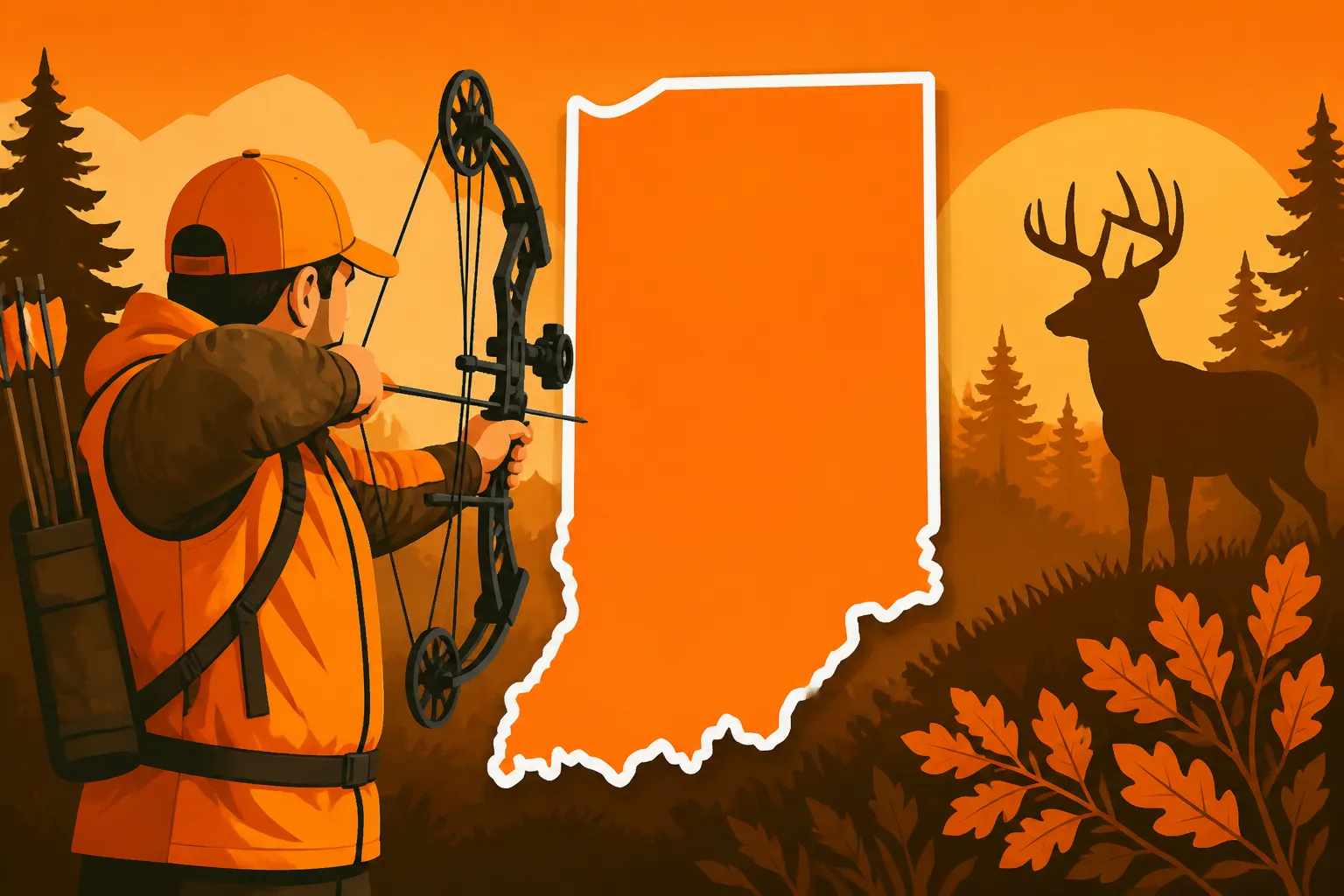
Orange Requirements for Archery Hunters
Navigating Indiana's hunting regulations can sometimes feel like trying to solve a puzzle, especially when it comes to safety gear like blaze orange during archery season. Many archers wonder if they need to wear bright orange when they're tucked away in a treestand, focused on a quiet hunt, only to be confused by differing rules depending on the calendar. This guide will cut through the uncertainty, clearly explaining Indiana's blaze orange requirements specifically for archery hunters, highlighting when it's optional, when it's absolutely mandatory, and how to ensure you're always safe and compliant in the woods.
Understanding Indiana's General Blaze Orange Requirements
Before we dive into the specifics of archery season, it's really helpful to understand the foundational principles behind Indiana's blaze orange requirements. These aren't just arbitrary rules; they're designed with hunter safety in mind, especially in situations where different types of hunting might converge.
The Rationale Behind Blaze Orange
Think about it: when you're out in the woods, especially during the colder months when leaves are off the trees, the human form can blend in surprisingly well. A deer hunter in camouflage, moving quietly through the timber, could easily be mistaken for game by another hunter, particularly in low light or dense cover. Blaze orange, or hunter orange as some call it, is specifically chosen because it's a color not found in nature, making a human silhouette instantly recognizable. It dramatically reduces the risk of accidental shootings, which, let's be honest, is every hunter's worst nightmare. It's not about being seen by deer—deer don't perceive color in the same way we do, so blaze orange doesn't stand out to them as it does to us. It's purely for human safety. The DNR's goal is to make sure every hunter can easily identify another hunter, preventing tragic mistakes in the field.
When It's Absolutely Mandatory for All Hunters
Generally speaking, in Indiana, blaze orange is mandatory for all hunters—except for waterfowl and wild turkey hunters—during specific seasons when firearms are in use for deer hunting. This primarily includes the entire Indiana Firearms Season Dates and Indiana Muzzleloader Season Dates, as well as any special antlerless-only firearms hunts. During these periods, the woods are a much busier place, and the risk of a misidentification is significantly higher. It’s also often required during special youth hunts, as protecting our newest generation of hunters is paramount. Even if you're not personally carrying a firearm during these seasons, if you're out hunting anything else (like small game), you still need to wear that orange. The law doesn't differentiate by your chosen weapon; it's about the presence of other hunters using firearms in the same area. This broad requirement ensures a consistent safety standard across the board when projectile weapons are in widespread use.
Legal Specifications: How Much Orange Do You Actually Need?
Indiana law specifies exactly how much blaze orange you need to wear when it's mandatory. It's not just a tiny patch; it needs to be substantial and visible from all directions. The requirement states you must wear at least one article of outer clothing that is solid hunter orange. This could be a hat, vest, jacket, or coveralls. The key is that it must be exposed and visible from 360 degrees. So, if you're wearing a blaze orange vest, make sure your backpack straps or your gun sling aren't completely obscuring it. The intent is maximum visibility.
There are also regulations regarding the color itself: it must be "hunter orange" or "blaze orange." While Blaze Pink Options Under Indiana Law have been introduced in some states as an alternative, always double-check Indiana's current regulations if you're considering anything other than traditional blaze orange. The emphasis is on that distinct, unmistakable color that immediately screams "human hunter!" to anyone else in the woods. This is why you'll see a lot of hunters opting for full vests or even jackets that incorporate a large amount of the color, ensuring they meet not just the letter of the law, but its spirit of promoting maximum safety.
Blaze Orange and Indiana's Archery Season Specifics
This is where the nuances really come into play for bowhunters. Indiana's archery season is one of the longest, stretching from early fall well into winter. Over this extensive period, the requirements for blaze orange shift, creating confusion for many.
The Archery-Only Window: No Orange Required
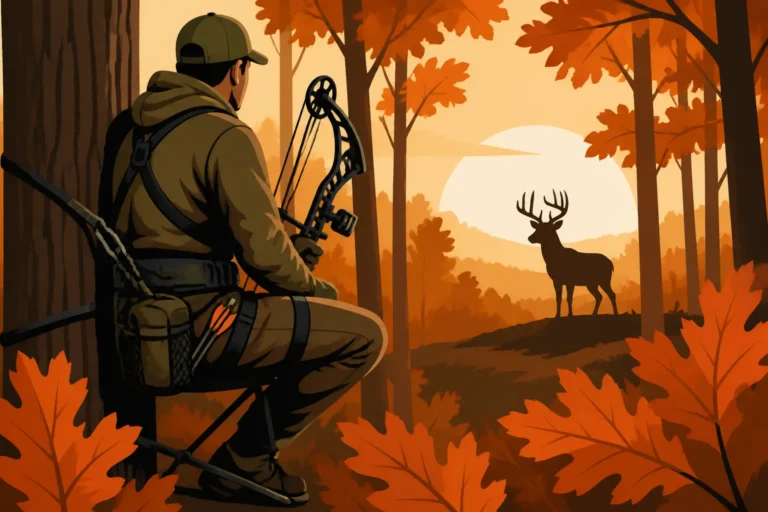
During the initial phase of Bowhunting Indiana's Long Archery Season, specifically when it's archery-only for deer, you are generally not required to wear blaze orange. This is typically from Indiana Archery Season Opening Day until the firearms deer season opens. During this window, the vast majority of hunters in the deer woods will be using archery equipment, which carries a much lower risk of accidental shooting compared to firearms. The expectation is that archers are primarily stationary in treestands or ground blinds, or moving very slowly and deliberately, relying on stealth and camouflage to get close to game.
This "no orange required" period allows bowhunters to wear full camouflage, which is absolutely essential for effective close-range archery hunting. Imagine trying to draw on a wary whitetail at 20 yards with a bright orange vest on! It would be nearly impossible. The regulations acknowledge this practical reality for bowhunters, providing them with the necessary conditions to pursue their sport effectively. However, it’s still crucial to be aware of other hunters, as small game seasons might be open concurrently, and those hunters might be required to wear orange depending on the specifics of their hunt.
Overlapping Seasons: When Archery Hunters Do Need Orange
Here's the critical part that often trips up bowhunters: once the statewide firearms deer season opens, or during the muzzleloader season, all deer hunters, regardless of their chosen weapon, must wear blaze orange. This means that if you're still bowhunting during Indiana's Firearms Deer Season or Muzzleloader Deer Hunting in Indiana, you must don that blaze orange. It doesn't matter if you're using a compound bow, a recurve, or a crossbow; if you're in the deer woods during a gun season, you need to be visible.
This overlap is a major point of confusion for many. You might be out with your bow, quietly still-hunting an oak ridge during early November, enjoying the peak of Hunting the Indiana Rut in Early November, when suddenly the firearms season kicks off. From that moment forward, you're expected to be wearing blaze orange. It's a sudden shift, and it catches many unprepared. Always consult the official Indiana DNR hunting guide or use a reliable hunting app like GoHunt to keep track of these overlapping dates. Missing this detail can lead to fines, but more importantly, it puts you at a much higher risk.
Why the Overlap Matters for Safety
The rationale behind requiring blaze orange during overlap periods is pure, unadulterated safety. When firearms season is open, the landscape of the hunt changes dramatically. Hunters are often moving more, drives might be organized on public or private land, and the sheer number of hunters in the woods increases. Furthermore, firearms can propel projectiles much farther than an arrow, and the sound of a shot carries, indicating active hunting. In such an environment, an archer in full camouflage, even if they're trying to be careful, is at a much greater risk of being mistaken for game.
The DNR prioritizes the safety of all hunters over the stealth requirements of a specific method during these high-traffic, high-impact periods. It's a compromise designed to protect lives. While it might feel counter-intuitive to wear bright orange when you're trying to be stealthy with a bow, understanding that it's for the benefit of everyone's safety, including your own, makes it easier to accept. You might think, "I'm just sitting in my stand," but others might be tracking game, still-hunting, or participating in a deer drive, and their visibility of you is critical.
Navigating the Rules and Staying Safe
Understanding the rules is one thing, but consistently applying them in the field requires a bit of planning and mindfulness. It's about being proactive, not reactive, when it comes to safety.
Practical Tips for Archery Hunters in Overlap Periods
So, you're a dedicated bowhunter, but you want to extend your season into those gun-hunting overlap periods. How do you do it safely and legally?
First, always have a blaze orange vest and hat with you from the moment the firearms season is set to open. Even if you start your morning hunt in camo, you'll need to transition. Many hunters will simply layer a lightweight blaze orange vest over their camo jacket when the rules dictate. It's a small inconvenience for a huge safety benefit. Some even go a step further and have a full blaze orange outer layer that's easy to pack and deploy. Remember, the visibility needs to be 360 degrees, so a hat is a great addition to ensure your head and upper body are clearly marked.
Second, be extra mindful of your movements. Even though you're wearing orange, sudden movements might still catch another hunter off guard. Take your time, announce your presence if you see another hunter, and consider avoiding areas of extremely high pressure, especially on public lands where Hunting Pressure on Indiana Public Land can be intense during gun seasons. You can find detailed information about various hunting seasons in Indiana Deer Season Structure Explained, which is an invaluable resource for planning.
Finally, communicate with any hunting partners. Make sure everyone in your party knows the rules and is adhering to them. A quick reminder before heading into the woods can prevent mistakes and ensures everyone stays safe.
Utilizing Resources like GoHunt for Current Information
In this day and age, there's no excuse for not knowing the current regulations. The Indiana Department of Natural Resources (DNR) website is your primary source for official information. They publish a comprehensive hunting and trapping guide every year that details all seasons, bag limits, and specific requirements like blaze orange.
Beyond the official DNR resources, many hunters find specialized apps and platforms incredibly useful. Tools like GoHunt can provide real-time updates and interactive maps that show public land boundaries, property lines, and sometimes even specific regulations for different zones. While always cross-reference with official DNR guides, GoHunt can be a fantastic way to quickly check dates and requirements, especially when you're out in the field and need a quick refresher. It's like having a digital copy of the rulebook and a detailed map all in one place. Using such tools for Scouting Indiana Public Land Before Season can also help you identify less pressured areas or plan your approach to avoid areas with a high density of firearm hunters if you're bowhunting.
Beyond the Law: When More Orange is Simply Better
While the law dictates the minimum amount of blaze orange required, sometimes, more is just better. If you're walking in or out of your hunting spot in the dark, especially during a firearms season, consider wearing more orange than the minimum. A full blaze orange jacket or vest, coupled with a hat, makes you incredibly visible. It's about personal responsibility for your safety.
Think about conditions: if it's foggy, raining, or snowing, visibility naturally decreases. In these situations, adding extra orange, perhaps a blaze orange backpack cover or even an extra vest, can significantly increase your profile and reduce risk. Remember, the deer don't care, but other hunters absolutely do. Especially with Hunting Indiana Now That Rifles Are Legal Statewide, the increased range of some hunting firearms means visibility is more crucial than ever across larger areas. Even during the archery-only period when orange isn't mandatory, if you're hunting in an area known to have a lot of small game hunters using shotguns, or if you simply feel safer, there's no harm in wearing a blaze orange hat. It's a personal choice that always errs on the side of safety.
Here's a quick summary of when you'll need blaze orange:
| Season Phase | Weapon Type | Blaze Orange Required? | Notes |
|---|---|---|---|
| Archery-Only Deer Season (Early Fall) | Bow | No | Camouflage is ideal for stealth, but still be aware of other hunters |
| Archery Season (Overlapping Firearms) | Bow | Yes | Mandatory for ALL deer hunters during gun seasons |
| Archery Season (Overlapping Muzzleloader) | Bow | Yes | Mandatory for ALL deer hunters during muzzleloader seasons |
| Firearms Deer Season | Firearm | Yes | Mandatory for ALL hunters (except waterfowl/turkey) |
| Muzzleloader Deer Season | Muzzleloader | Yes | Mandatory for ALL hunters (except waterfowl/turkey) |
| Youth Deer Weekend | Any | Yes | Mandatory for youth hunters and their adult mentors |
| Small Game (during gun deer seasons) | Any | Yes | If any gun deer season is open, all small game hunters need orange |
Staying safe in Indiana's woods is a shared responsibility, and understanding blaze orange requirements is a big part of that. By knowing when to wear it and why, you're not just following the law; you're actively contributing to a safer hunting environment for everyone. Always double-check the current Indiana DNR regulations before heading afield, and consider using helpful tools like GoHunt to stay informed about season dates and specific area rules.
Disclaimer
This article is for general informational purposes only and does not constitute professional advice. Laws, prices and regulations vary by location and change over time. Consult a qualified professional for guidance on your specific situation.