Hunting the Indiana Rut in Early November
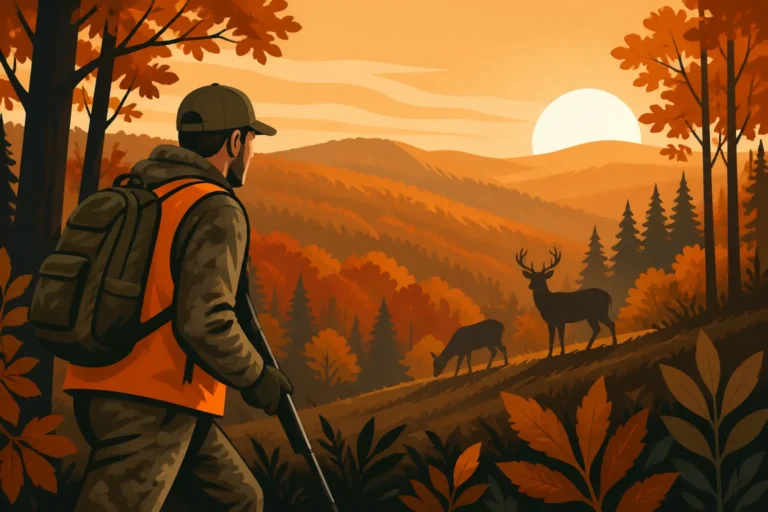
The crisp air of early November in Indiana brings a palpable shift in the deer woods. For many hunters, this is the time we eagerly anticipate, but it can also be incredibly frustrating when bucks seem to vanish or appear completely unpredictable. This comprehensive guide is designed to help you decode the complexities of the early November rut, focusing on how Indiana bucks behave and giving you the strategies to be in the right place at the right time.
Understanding the Rut's Timing and Behavior
The whitetail rut isn't a single event but a dynamic period of increasing deer activity driven by breeding. Early November is often considered the sweet spot for many Indiana hunters, a magical window where bucks are actively seeking does, making them more vulnerable and visible during daylight hours.
The Annual Predictability of Peak Breeding
While the exact "peak" of breeding can vary by a few days each year due to factors like doe cycling and moon phases, the core window for intense buck activity in Indiana consistently lands in early to mid-November. This isn't random; it's largely dictated by photoperiod – the amount of daylight – which cues the deer's hormones. You might hear old-timers talk about the "second rut" or late-season surges, but that prime seeking and chasing phase, where bucks throw caution to the wind, is almost always happening right now. It means you need to be in your stand as much as possible, because any day could be the day.
Trying to pinpoint the precise moment can drive you crazy, but understanding the general timeframe is crucial. Bucks that were nocturnal just a week or two ago suddenly become daylight wanderers, covering vast amounts of ground. They're not just moving to food or bedding; they're on a mission, constantly checking scrapes, rubbing trees, and following doe trails hoping to find a receptive female. This heightened activity is what makes early November so exciting and, frankly, exhausting, as you try to keep up with their relentless pursuit.
Phases Leading Up to Early November
Before we dive deep into early November, it’s important to remember the lead-up. The pre-rut in late October is characterized by bucks making and checking rubs and scrapes, establishing dominance, and testing the waters. Does aren't quite ready yet, so bucks are still somewhat structured around food sources and bedding, though with increasing daylight movement. Then comes that critical shift. As does begin to enter estrus, even for short periods, the energy in the woods changes dramatically. The switch flips, and suddenly those timid bucks you've been watching on camera transform into driven, single-minded machines.
By the time early November arrives, the earliest does are coming into heat, igniting the primary breeding chase. You’ll see more sparring, more pushing, and definitely more chasing. This isn't just about big mature bucks; even young bucks get caught up in the frenzy, making them equally susceptible to making a mistake. It’s a time when you might see a shooter buck you’ve never seen before, simply passing through on his quest. This transition from territorial marking to active breeding search is what makes these first few weeks of November so dynamic and full of opportunity.
Deer Behavior Shifts in the Pre-Peak Rut
In the pre-peak rut, especially in that first week or so of November, you'll observe significant behavioral shifts. Bucks, particularly the older, more experienced ones, start to abandon their traditional routines. They are no longer tethered to specific food plots or bedding thickets in the same way. Instead, their movements become more random, covering larger areas as they expand their search for does. You might see a buck trot through an area he hasn't visited all season, simply because a hot doe passed through an hour earlier. This "seeking" phase is critical, as bucks will scent-check every available doe.
Does, too, change their patterns. They might move less predictably as they try to avoid constant harassment from eager bucks, or they might actively seek out bucks once they're ready to breed. This creates a chaotic, but exciting, situation for hunters. Rather than relying on a buck's predictable entry and exit from a food source, you're now hunting a buck that could literally appear from anywhere, at any time, often with his nose to the ground, trailing. Understanding this shift from "feed and bed" to "seek and chase" is paramount for adjusting your hunting strategy successfully during this vital time.
Scouting for Peak Rut Activity
Effective scouting during the rut isn't just about finding old sign; it's about interpreting fresh activity to understand current deer movement. This period is less about where deer were and more about where they are and where they will be looking for does.
Reading Sign: Rubs, Scrapes, and Trails
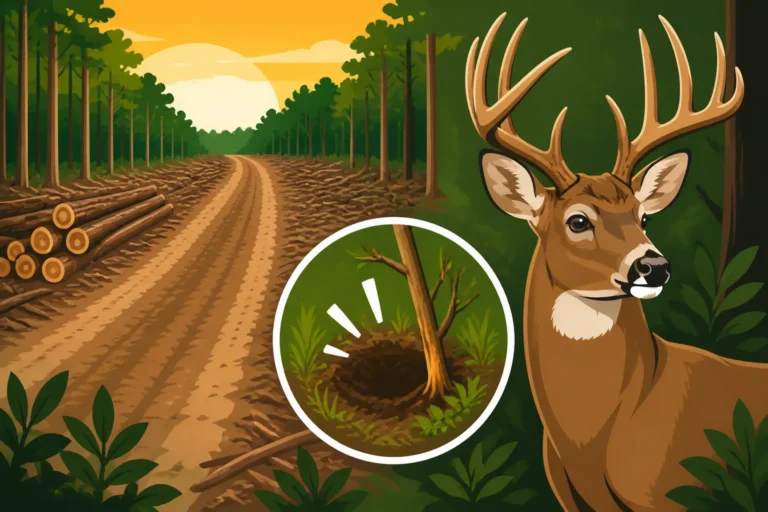
In early November, the sign you're looking for tells a story of immediate, urgent activity. While you might have found rubs and scrapes weeks ago, focus on fresh sign. New rubs, especially larger ones on saplings or small trees, indicate a buck is actively marking his territory and expressing aggression. A fresh scrape, with the dirt pawed out and an overhead licking branch chewed or broken, is a hot advertisement for does. If you see tracks leading into and out of the scrape, and the ground is still moist from where it was pawed, you know a buck has been there recently.
Pay attention to how these signs connect. Are there multiple scrapes along a field edge, or a series of rubs leading into a thick bedding area? These "scrape lines" and "rub lines" are like buck highways, indicating a travel corridor where a buck is patrolling for does. Don't just find one; try to find the whole network. If you're Scouting Indiana Public Land Before Season, you might already have a good idea of general travel patterns, but now it's about confirming which routes are hot right now. This fresh sign gives you confidence that you’re in a prime area where a buck is actively searching.
Using Trail Cameras for Real-Time Intel
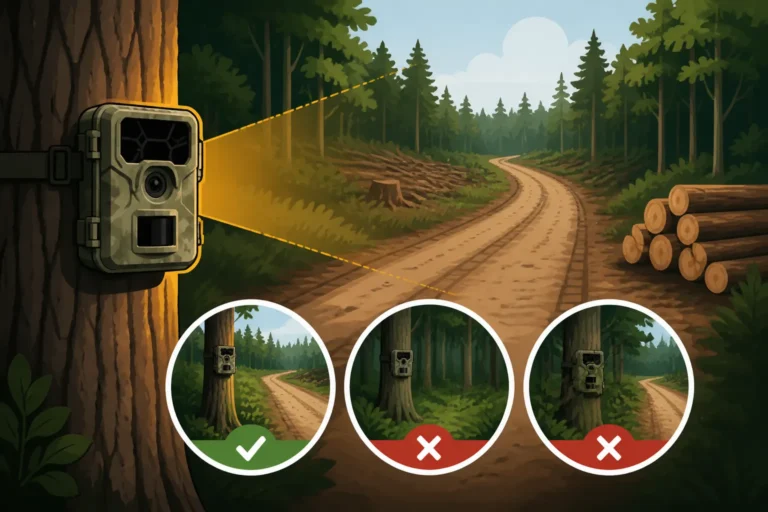
Trail cameras become invaluable intelligence tools during the rut. While they're useful all season, in early November, they offer real-time confirmation of buck movement patterns. Set your cameras on scrapes, rub lines, or natural funnels between bedding and feeding areas. Don’t be afraid to put them on trails you've observed high activity on, even if it's just a heavily used doe trail. A buck is going to be where the does are, plain and simple.
Focus on getting time-stamped images. Are bucks moving through this area at dawn and dusk, or are they roaming at midday? Midday photos of bucks are a golden ticket during the rut, indicating a higher chance of seeing them on the move during hunting hours. You might get images of new bucks you’ve never seen before, confirming that deer are actively cruising. While GoHunt's mapping features can show you property lines and topographical changes, a good trail camera gives you the living, breathing data of what's happening right now. It's the best way to keep your finger on the pulse of the deer woods without actually being in your stand 24/7.
Identifying Key Funnels and Travel Corridors
During the rut, deer movements are often less about direct lines to food and more about intersecting pathways where does might be. This is where identifying funnels and travel corridors becomes paramount. Look for natural pinch points in the landscape: saddles between ridges, narrow strips of timber connecting larger woodlots, fence lines that create natural barriers, or river bottoms that force deer into predictable crossings. These are areas where you can intercept a buck that is cruising for does.
Consider where does are likely to bed and feed, and then identify the narrowest, easiest paths between those areas. A buck isn't going to spend unnecessary energy, so he'll take the path of least resistance if it still gives him a good chance to encounter does. Think about terrain features like creek beds, drainage ditches, or elevation changes. Even subtle changes can create a funnel. For instance, a small dip in a ridge might concentrate deer movement, making it an ideal spot for a stand. Understanding these choke points is key to putting yourself in a high-odds location for an encounter with a rutting buck.
Effective Hunting Strategies During Early November
With bucks on the move and less predictable, traditional sit-and-wait tactics often need a rut-specific adjustment. It’s about being patient in the right spots and sometimes being more aggressive with your approach.
Stand Placement for Cruising Bucks
Forget setting up exclusively on food sources or bedding edges like you might in early season. During early November, your stand placement should focus on intercepting cruising bucks. This means setting up on those funnels, saddle tops, points, and travel corridors you’ve identified through scouting. Think about areas with good visibility but also enough cover for a buck to feel secure moving through during daylight. Often, this means moving deeper into the timber or along the edges of thicker cover.
Consider prevailing wind directions when setting your stand. A rutting buck will often travel with his nose to the wind, scent-checking for does, so you want to position yourself downwind of where you expect him to appear. If you’re hunting Brown County Ridgelines, a stand positioned on a leeward ridge with an understanding of how thermals shift throughout the day can be deadly. Remember, these bucks are often moving at a steady pace, covering ground, so you need a spot where you can get a shot off relatively quickly before they pass through. Portable stands and climbing sticks are excellent for quickly adapting to where the action is, allowing you to reposition as needed.
Aggressive Calling and Decoy Tactics
The rut is one of the few times you can truly be aggressive with calling. Bucks are actively seeking, and their hormones are raging, making them more susceptible to responding to calls. Grunt calls can be highly effective, mimicking a buck trailing a doe or a buck challenging another. Start with soft grunts, then increase volume if there's no response. If you're Rattling Volume in Thick Cover, you might want to start with lighter tickles, then build up to a more aggressive fight if you don't see any response, but be mindful of how sound carries. Clashing antlers can draw in curious or territorial bucks, especially during the peak seeking phase.
Decoys, particularly a buck or an estrus doe, can also be a game-changer. Position a buck decoy facing away from your stand, as if it’s scent-checking or challenging, and a doe decoy broadside. Just be sure to set them up so any approaching buck has to circle to get downwind of the decoy, putting him in front of your stand. However, always exercise caution with decoys, especially on public land, and ensure you have a safe backdrop. The goal is to visually and audibly grab a buck’s attention and draw him into shooting range, and during early November, deer are often more willing to investigate.
Still-Hunting and Ground-Level Approaches
While sitting in a stand is often productive, the early November rut can also be an excellent time for still-hunting, especially if you know a particular area is holding deer but they're not moving predictably past a fixed stand. Still-hunting involves moving very slowly, taking a few steps, then pausing for several minutes to scan, listen, and glass. You’re essentially hunting like a predator, using the terrain and cover to your advantage. This works well in diverse terrain like southern Indiana's hill country or in large blocks of timber.
When still-hunting, focus on thickets, creek bottoms, and ridge lines where deer are likely to be moving or holding up. Pay close attention to wind direction and thermals, always moving into the wind or with a crosswind. The key is patience and observation. Use your binoculars to pick apart every shadow, every downed log, and every cluster of brush. You’re looking for horizontal lines in a vertical world – the back of a deer, an ear flick, or a leg. This method requires a lot of stealth and discipline, but it can be incredibly rewarding when you stalk into range of a rutting buck that's preoccupied with searching for does.
Gear and Tactics for the Indiana Rut
Having the right gear and knowing how to use it can significantly impact your success during the intensity of the early November rut. Every little advantage counts when bucks are on the move.
Clothing and Scent Control Essentials
Early November in Indiana can bring wildly fluctuating temperatures, from crisp, cold mornings to surprisingly warm afternoons. Layering is absolutely essential. Start with a good base layer that wicks moisture away, add insulating layers like fleece or wool, and top it with a quiet, waterproof outer shell. Wool is a fantastic material for its warmth-to-weight ratio and ability to retain warmth even when damp. Consider something like a good pair of bibs and a jacket. Remember, you might be sitting for long hours, so staying comfortable and warm is critical. You might even want to check out articles like Blaze Orange Jackets Versus Vests for guidance on visibility requirements and options.
Scent control is more important than ever. While a rutting buck might have his guard down a bit, he still relies on his nose more than anything else. Use scent-eliminating sprays on your clothes, boots, and gear. Store your hunting clothes in scent-free bags or containers. Shower with scent-free soap before heading out. Pay particular attention to your boots, as you’ll be walking through deer territory to your stand. Even though bucks are distracted, any human odor can quickly send a wise old whitetail heading for the hills.
Optics for Low-Light Rut Hunting
The early morning and late evening hours are prime time during the rut, meaning you’ll often be hunting in low light conditions. High-quality optics are not a luxury; they are a necessity. A good pair of 10×42 binoculars with excellent low-light performance will allow you to pick out deer long before they enter shooting range, especially when they're moving through thick timber or at the edges of fields. Don't skimp here; the ability to identify a buck in the dim light can make all the difference. For more insights, you might want to read up on Binocular Power for Timber Hunting and Low-Light Performance in a Scope.
Your rifle scope or crossbow scope also needs to perform in these conditions. A scope with a larger objective lens (e.g., 40mm or 50mm) will gather more light. An illuminated reticle can be incredibly helpful in low light, allowing you to place your shot precisely without losing your aiming point against a dark background. Ensure your scope is sighted in perfectly, as opportunities can be fleeting. Being able to confidently identify your target and place your shot in those critical dawn and dusk windows is what separates successful rut hunters from those who miss out.
Weapon Choice for Close-Quarters Action
While Indiana no longer has straight-wall cartridge restrictions statewide for rifle season, and you can now use centerfire rifles, the reality of hunting during the rut often involves closer-range shots in thick cover. Most rutting bucks are intercepted as they cruise through timber, along fencerows, or in brushy creek bottoms. This means you need a weapon you can maneuver quickly and confidently in tight quarters. A compact rifle, a reliable shotgun with slugs, or your archery setup (bow or crossbow) are all excellent choices.
For rifle hunters, a caliber that delivers sufficient energy for whitetails at typical woods ranges is key. While you can use larger calibers, something like a .30-30 or a .308 is often more than enough. For archery hunters, ensure your bow is tuned and your broadheads are sharp, as those quick, close-range shots are common. The most important factor is proficiency with your chosen weapon. Practice shooting from various positions – sitting, kneeling, or even standing – to be ready for whatever opportunity the rut presents.
Public Land Considerations for Rut Hunting
Hunting public land during the rut in Indiana presents its own unique set of challenges and rewards. With increased hunter pressure, you need to be smart and willing to work a bit harder to find success.
Navigating Hunting Pressure
The early November rut is prime time for many hunters, which means public lands like those in the Hoosier National Forest Hunting or various Fish and Wildlife Areas will see significant pressure. Don't be discouraged by crowded parking lots; simply be prepared to walk further and smarter. Most hunters don't venture more than a quarter to half-mile from access points. This means if you're willing to put in the effort, you can often find unpressured pockets of timber.
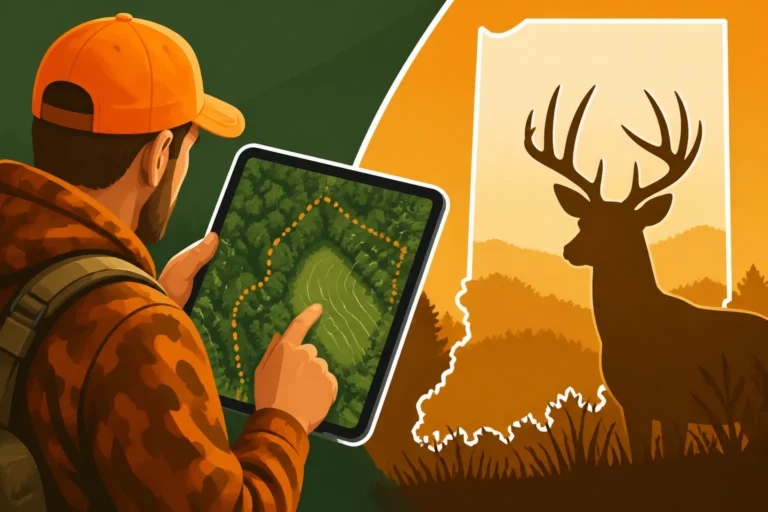
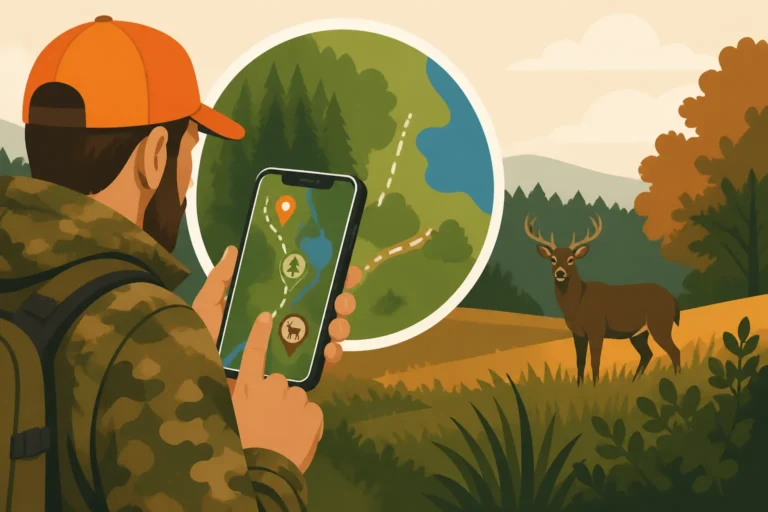
Use mapping tools like GoHunt or the Indiana DNR app to identify access points, property boundaries, and topography. Look for features that deter other hunters, such as steep terrain, dense thickets, or areas that require crossing water. These "hard-to-reach" spots often hold deer that have learned to avoid human contact. Being able to analyze a map and predict where other hunters will go – and where they won't – is a critical skill for public land success during the rut. Patience and persistence are your greatest allies when dealing with pressure.
Finding Overlooked Pockets and Sanctuaries
Even on heavily hunted public land, deer, especially mature bucks, will find sanctuaries where they feel safe. During the rut, these sanctuaries become even more critical for bucks seeking respite from hunting pressure and other bucks, or holding a hot doe. Look for small, isolated thickets within larger timber blocks, dense bedding areas on steep slopes, or areas surrounded by water or swamps that are difficult for humans to access. These are often the places where bucks will lay up during the day.
Scouting these areas before the season, or even during the rut, can reveal hidden gems. Don't be afraid to put boots on the ground in these less-traveled spots. Look for tracks, old rubs, and droppings that indicate deer are using these areas. While most hunters stick to obvious trails and food sources, finding a small, dense pocket of cover that provides security can be the key to encountering a mature buck that has slipped past others. This approach ties directly into understanding Finding Ground Others Walk Past.
Adapting to Variable Terrain and Cover
Indiana's public lands offer a wide variety of terrain, from the rugged hills of the south to the flat farmlands and marshy areas of the north. Each presents unique challenges and opportunities during the rut. In Southern Indiana, steep ridges and deep hollows create natural funnels and bedding areas. Understanding Wind and Thermals on a Southern Indiana Ridge is crucial, as air currents will constantly shift, especially in varied topography. Bucks will use these terrain features to their advantage, traveling just below ridge lines or along benches.
In Northern Indiana farmland, you might be Hunting Northern Indiana Farmland Deer that utilize smaller woodlots, fencerows, and standing corn for cover. Here, identifying the narrow strips of cover that connect larger blocks of timber becomes vital. River bottoms and marshy areas, like those found along the Wabash River, can also be excellent rut hunting spots, as they provide both cover and natural travel corridors. Being adaptable in your approach and understanding how deer use the specific terrain and cover you’re hunting is essential for consistent success during the early November rut in Indiana.
| Rut Hunting Strategy | Key Focus | Best Conditions | Gear Considerations |
|---|---|---|---|
| Stand Hunting | Intercepting cruising bucks in funnels/corridors | High deer movement, predictable travel | Portable stand, climbing sticks, good optics |
| Aggressive Calling | Attracting curious/territorial bucks | Peak seeking phase, good visibility | Grunt tube, rattling antlers, estrus doe scent |
| Decoy Use | Visual attraction for approaching bucks | Open areas, field edges, stable wind | Buck/doe decoy, scent, good cover for hunter |
| Still-Hunting | Slowly covering ground in thick cover | High deer density, less predictable movement | Quiet clothing, binoculars, scent control |
| Public Land Deep Dive | Finding unpressured areas away from access | High hunter pressure, varied terrain | GPS/mapping app (e.g., GoHunt), durable boots, small pack |
Disclaimer
Hunting is an inherently dangerous activity. Always follow all local, state, and federal hunting regulations. Practice ethical hunting principles, prioritize safety, and ensure you have proper training and equipment. The information provided here is for educational purposes and general guidance only.