Indiana Rabbit Season Dates
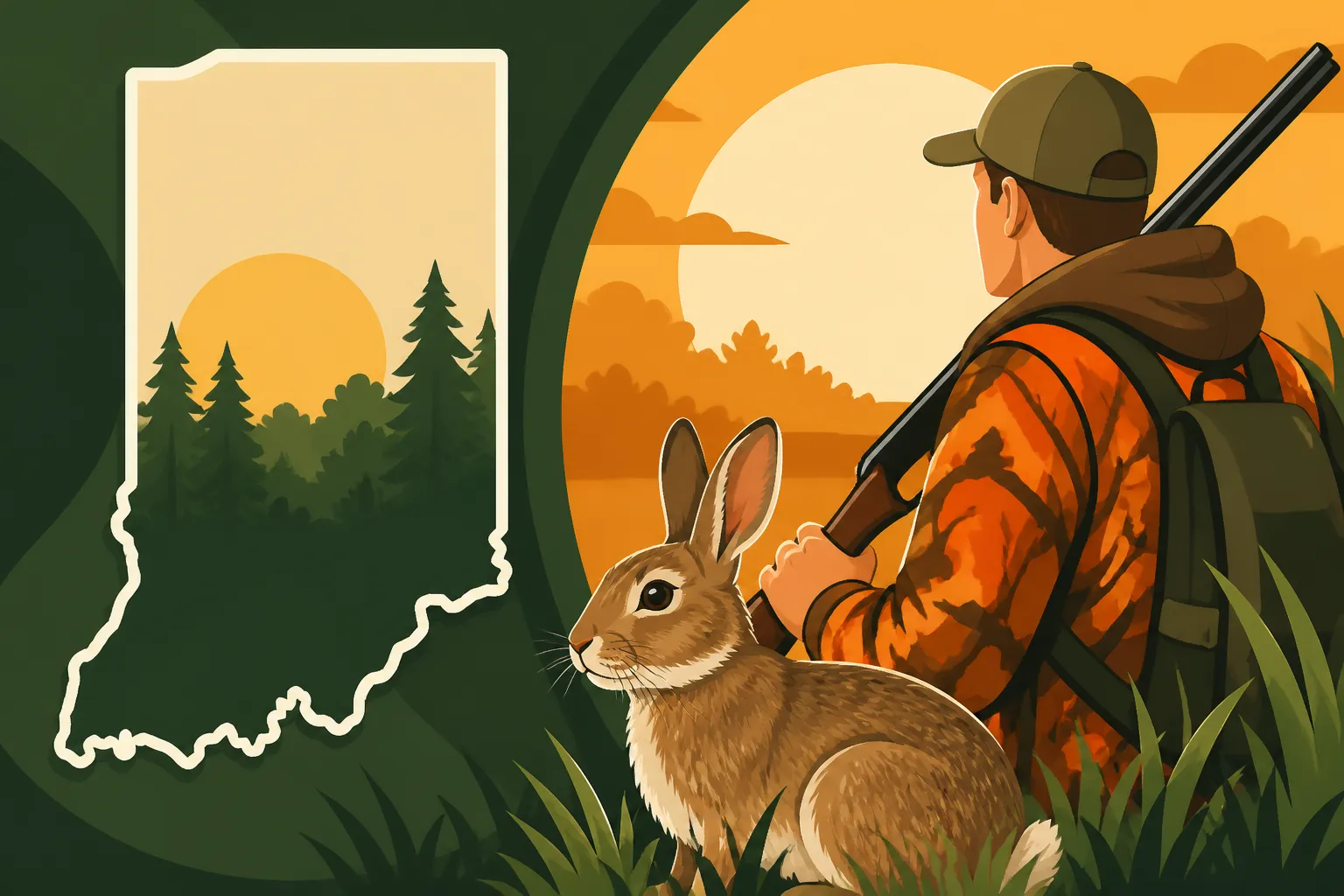
Trying to keep up with Indiana's hunting seasons can feel like a game of whack-a-mole, especially when it comes to small game like rabbits. It's not always a straightforward "open on this date, close on that date" scenario, and missing those crucial details can mean a missed opportunity to fill your freezer or, worse, running afoul of regulations. This guide is here to untangle the specifics of Indiana's rabbit season dates, ensuring you're ready to hit the brush rows with confidence and a clear understanding of the rules.
Understanding Indiana's Rabbit Season Framework
For many Hoosier hunters, chasing cottontails is a cherished tradition, a perfect way to introduce new hunters to the field, or simply enjoy a day afield when deer or turkey seasons are closed. However, like all regulated hunting, there's a specific window when it's legal to pursue these wily creatures. Knowing these dates inside and out is your first step to a successful season.
Key Dates for Rabbit Hunting
Indiana’s rabbit season typically kicks off in early November and runs through late January or early February. This timing is fantastic because it means the season overlaps with a significant portion of the deer firearms season and extends well into the colder winter months, when many other hunting opportunities have wrapped up. For instance, you’ll often find rabbit season opening right around November 1st, giving you a chance to warm up for deer season or keep the hunting spirit alive after the initial firearms rush. It's a generous season, usually spanning three full months, offering ample time to get out and enjoy the chase.
The season's structure is designed to coincide with cooler weather, which is not only more comfortable for hunters and their dogs but also aligns with biological factors for the rabbit population. By the time November rolls around, young rabbits are mature, and the breeding season is generally winding down, ensuring a sustainable harvest. As the season progresses into December and January, the foliage really drops, making it easier to spot rabbits in heavy cover, especially after a fresh snow. Always double-check the official Indiana Department of Natural Resources (DNR) hunting and trapping guide each year, as exact dates can shift slightly. A handy tool like the GoHunt app can also provide real-time updates and notifications for season changes, which is a lifesaver when you're trying to keep track of multiple species.
Regional Variations and Exceptions
While Indiana generally operates under a statewide rabbit season, there are always nuances to consider, especially when hunting public lands or during special events. You won't typically find different "zones" for rabbit hunting like you might for waterfowl, but certain areas or specific types of hunts might have their own unique parameters.
For example, state-managed properties like Fish and Wildlife Areas (FWAs) or State Forests might have specific regulations regarding hunting hours, access, or even designated days for small game hunting. It's not uncommon for some areas to close temporarily for managed deer hunts or other conservation activities. Before heading out to your favorite public spot, always check the specific property’s rules, which are usually available on the DNR website or posted at kiosks on the property. Another important exception to be aware of is the Indiana Youth Weekend Dates. These special weekends, usually held earlier in the fall, allow mentored youth hunters to pursue various small game species, sometimes including rabbits, before the general season opens. This provides a fantastic opportunity to get kids hooked on hunting without the pressure of a full-blown open season.
Understanding these variations means you won't show up ready to hunt only to find the gates closed or that you're in violation of a local rule. It's all about being prepared and respecting the land and its management.
Licenses, Equipment, and Regulations for Rabbit Hunting
Hunting rabbits in Indiana isn't just about knowing the dates; it's also about having the right paperwork, the correct gear, and a firm grasp of the legalities. Nobody wants a fun day afield ruined by a preventable mistake.
Necessary Licenses and Permits
To legally hunt rabbits in Indiana, you’ll need a valid hunting license. For residents, this typically means purchasing an Indiana Resident License Options like the annual hunting license. Non-residents will need to secure a non-resident hunting license. While rabbits are considered small game, and often lumped in with furbearers in conversations, they are distinctly regulated. You usually won't need an additional game bird stamp specifically for rabbits, as they are mammals, but it's always good practice to review the current regulations to ensure you're fully covered.
The easiest way to make sure you're properly licensed is to visit the official Indiana DNR licensing page or use the Go Outdoors Indiana website. Many local bait shops, sporting goods stores, and county clerk offices also sell licenses. If you're using a digital platform like GoHunt, it often integrates with state licensing systems, making it straightforward to confirm what you need and even purchase directly. Just remember, having your license on your person, whether a physical copy or an electronic version on your phone, is crucial when you're in the field. Don't forget, if you're introducing someone new to hunting, Indiana has apprentice hunting licenses that allow individuals to try hunting before completing hunter education, provided they are accompanied by a licensed mentor. This is a fantastic way to pass on the tradition!
Legal Equipment and Methods
When it comes to equipment for rabbit hunting, you have a few options in Indiana, primarily shotguns, small-caliber rifles, and even archery equipment, though bows are less common for rabbit hunting. The key is understanding the restrictions to ensure your chosen method is legal and safe.
Shotguns are probably the most popular choice for rabbit hunting, especially when hunting with dogs or in thick cover where quick, close-range shots are the norm. Most hunters opt for a 12-gauge or 20-gauge shotgun, using small shot sizes like 6 or 7 ½. These patterns are dense enough for rabbits without being overkill. You can find excellent options for Shotguns for Indiana Pheasant and Small Game that will also serve you well for rabbits.
Small-caliber rifles like a .22LR are also legal and effective, particularly in more open areas or when still-hunting. The quiet nature of a .22 can be an advantage if you’re trying to move stealthily. However, always be mindful of your backdrop and potential ricochets when using a rifle, especially on public land.
For those looking for a different challenge, archery equipment is also permitted for small game. While not the most common method for rabbits, a bow can certainly be used, offering an extremely close-range, ethical harvest when conditions are right.
No matter your chosen equipment, always adhere to basic firearm safety rules. Ensure your gun is unloaded when traversing obstacles, always know your target and what’s beyond it, and treat every firearm as if it’s loaded.
Bag Limits and Possession Rules
Indiana has specific bag limits to ensure sustainable rabbit populations. Typically, the daily bag limit for rabbits is five, meaning you can harvest up to five cottontails in a single day. The possession limit is usually 15, which is three times the daily bag limit. This allows hunters to accumulate a few days' worth of harvest before needing to process all their game, which is particularly helpful if you're on an extended hunting trip or live a distance from your hunting spot.
It’s important to understand the difference: the daily bag limit is what you can harvest per day, while the possession limit is the total number you can have in your possession at any given time, including those already at home in your freezer. These rules apply to all hunters, whether you're hunting on private land or public hunting areas managed for Small Game and Furbearers. Always confirm these numbers in the current year’s hunting guide, as they can occasionally be adjusted by the DNR. Proper transport of your harvested rabbits is also important. Ensure they are clearly visible or easily presented for inspection if asked by a conservation officer.
| Category | Detail |
|---|---|
| Typical Season Open | Early November |
| Typical Season Close | Late January / Early February |
| Daily Bag Limit | 5 rabbits |
| Possession Limit | 15 rabbits |
| Legal Firearms | Shotguns (e.g., 12/20 gauge, small shot), .22LR rifles |
| Other Legal Methods | Archery equipment |
| Required Licenses | Annual Hunting License (Resident/Non-Resident) |
Tactics and Scouting for Indiana Rabbits
Successfully hunting rabbits in Indiana goes beyond just showing up during the season. It involves understanding their preferred habitats and employing effective strategies to get them moving.
Prime Habitat for Cottontails
Indiana's landscape offers a variety of fantastic habitats for cottontail rabbits. They are creatures of the edge, preferring areas where thick cover meets open feeding grounds. Think fencerows, brush piles, briar patches, honeysuckle thickets, and the edges of standing corn or soybean fields. These spots provide both protection from predators and easy access to food.
In southern Indiana, you'll often find them in the dense undergrowth along creek bottoms, logging roads, and old clear-cuts. Up north, particularly in the agricultural belt, those overgrown fencerows and small woodlots are rabbit magnets. Specifically, understanding Rabbit Hunting Indiana Fencerows is key, as these linear strips of cover provide excellent travel corridors and bedding areas for rabbits. If you find an old, dilapidated shed row or a section of field edge that’s been allowed to grow wild with multiflora rose and sumac, you’ve likely found a honey hole.
Scouting these areas before the season, or even during, can significantly increase your success. Look for rabbit droppings (small, round pellets), clipped vegetation, and well-worn trails leading into and out of thick cover. Modern mapping tools, like the GoHunt app or the Indiana DNR App, can be invaluable for identifying these prime habitat features from home. You can zoom in on satellite imagery to spot thickets, fencerows, and brushy draws that might hold rabbits. Don't overlook old farmsteads or abandoned orchards; these can be rabbit havens.
Effective Hunting Strategies
Once you’ve identified potential rabbit habitat, it’s time to employ the right hunting strategy. The two most common and effective methods in Indiana are walking them up and hunting with dogs.
Walking them up is a straightforward and often highly productive method, especially for solo hunters or small groups. It involves slowly and deliberately walking through thick cover, essentially "kicking" the rabbits out. Focus on zig-zagging through briar patches, honeysuckle, and brush piles. Rabbits often won't flush until you're right on top of them, so be prepared for sudden movements and quick shots. It’s a physical hunt, but incredibly rewarding. Early mornings or late afternoons, especially on overcast or slightly drizzly days, can be particularly productive. A fresh snow can also make walking them up easier, as rabbits will often sit tight, and their tracks are highly visible.
Hunting with dogs, particularly Beagles, is a classic and incredibly effective way to pursue rabbits. A good Beagle has an amazing nose and an innate drive to root out rabbits from the densest cover. The dog will pick up a scent, chase the rabbit in circles (often back towards the hunter), and vocalize the entire time, creating an exciting and unforgettable experience. If you’ve ever considered Running Beagles on Indiana Cottontails, this is the perfect game to train them on. The key to hunting with dogs is to position yourself where you expect the rabbit to circle back, usually along a field edge or a natural opening in the cover. This method is not only highly efficient but also incredibly social and enjoyable.
Remember, patience is a virtue in rabbit hunting. Sometimes, you'll walk miles before seeing a single cottontail, but a good patch of cover can yield multiple opportunities.
Staying Updated and Ethical Hunting Practices
Hunting regulations, land access, and ethical considerations are dynamic and crucial components of responsible hunting. Staying informed and practicing good stewardship ensures a positive experience for everyone and helps maintain healthy game populations.
Verifying Current Regulations
The Indiana DNR does a commendable job of providing clear, accessible information, but regulations can, and do, change. What was true last season might have a slight tweak this year. This is why it's absolutely paramount to always verify the current year’s hunting regulations before you head afield. Don't rely solely on memory or what your buddy told you.
The most reliable sources are the official Indiana DNR website (in.gov/dnr), the annual Indiana Hunting and Trapping Guide (available online and at license vendors), or the official Indiana DNR App. These resources will have the most up-to-date information on rabbit season dates, bag limits, licensing requirements, and any special restrictions for specific public lands. If you use a third-party app like GoHunt, make sure it pulls its regulatory information directly from state agencies to ensure accuracy. It's a small step that can save a lot of headaches and ensure you're hunting legally and responsibly.
Respecting Land and Wildlife
Hunting is a privilege, and with that privilege comes a responsibility to respect the land, wildlife, and other outdoor enthusiasts. This is especially true when it comes to rabbit hunting, which often takes place on the edges of agricultural fields or smaller private tracts.
Always obtain permission before hunting on private land. This cannot be stressed enough. Even if a field looks unkempt or abandoned, it still belongs to someone. Knocking on a farmer’s door and politely asking for access shows respect and can often open doors (literally!) to some fantastic hunting opportunities. Having written permission, or at least a clear verbal agreement, is ideal. For more guidance, check out our guide on Getting Private Land Permission in Indiana. It’s good practice to offer to share some of your harvest or help with a chore as a thank you.
When hunting, practice ethical shot placement to ensure a clean, humane kill. This minimizes suffering for the animal and reduces the chances of having to track a wounded rabbit through thick cover. After the hunt, always ensure you leave no trace behind. Pack out all your trash, including spent shotgun shells. If you’re hunting on public land, be mindful of other users – hikers, birdwatchers, or other hunters. Courtesy goes a long way in fostering a positive image for hunters.
By staying informed and practicing ethical hunting, we ensure that the tradition of rabbit hunting continues to be a vibrant part of Indiana's outdoors for generations to come.
Disclaimer
The information provided in this guide is for general informational purposes only and is subject to change. Hunting regulations, season dates, and licensing requirements are determined by the Indiana Department of Natural Resources (DNR) and can be modified annually. Hunters are solely responsible for verifying and complying with all current federal, state, and local hunting laws and regulations before engaging in any hunting activities. Always consult the official Indiana DNR website or the current year's Indiana Hunting and Trapping Guide for the most accurate and up-to-date information.