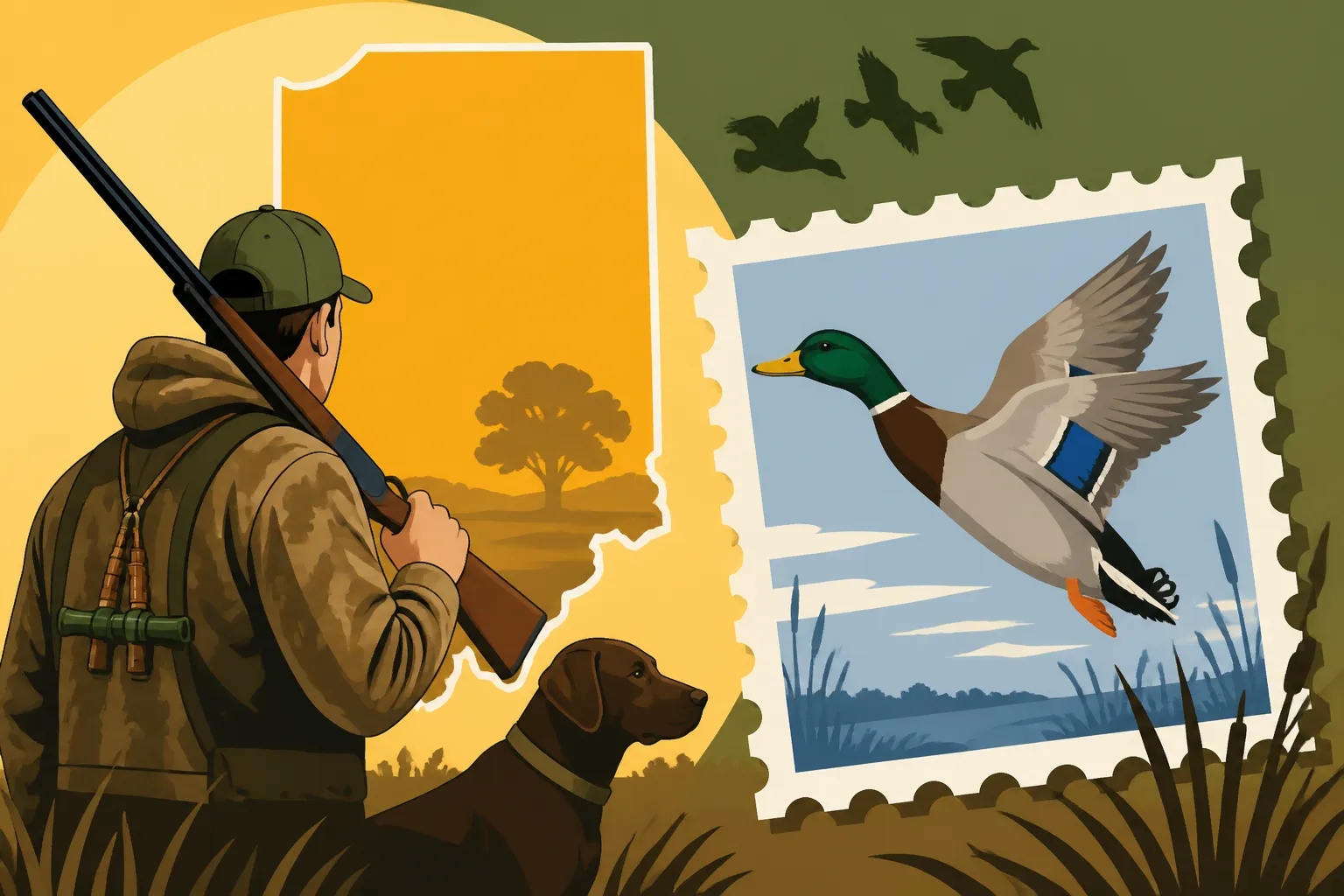
Indiana Migratory Bird Stamp Cost
Navigating the world of hunting licenses and stamps in Indiana can feel like trying to find a needle in a haystack, especially when it comes to specific requirements for different game. Many hunters, even experienced ones, get tripped up by the myriad of state and federal regulations, often wondering exactly what they need for a successful and legal migratory bird season. This guide is here to untangle the specifics of the Indiana Migratory Bird Stamp, explaining who needs it, how much it costs, and why it's a crucial part of your waterfowl and migratory game bird hunting experience in the Hoosier State.
Understanding the Indiana Migratory Bird Stamp Requirement
Hunting migratory birds in Indiana isn't as simple as just grabbing your shotgun and heading to the marsh. There's a specific state stamp, separate from your general hunting license and even the federal duck stamp, that you absolutely need. This requirement is in place for a good reason, contributing directly to the conservation efforts that ensure we have healthy populations of these incredible birds for years to come.
Who Needs This Stamp?
If you're planning to hunt any migratory game birds in Indiana, including ducks, geese, coots, doves, woodcock, snipe, or gallinules, you need this stamp. It's not just for waterfowl; those fast-flying doves in a cut cornfield or the elusive woodcock in the timber also fall under this umbrella.
This applies to both Indiana residents and non-residents. There are some specific age considerations, however. If you are a resident hunter under the age of 18, or if you are 65 years of age or older, you are actually exempt from needing to purchase the Indiana Migratory Bird Stamp. This is a nice little break for our younger and more seasoned hunters, but it's vital that everyone else makes sure they're covered. It's a common mistake for someone to forget this distinction, especially if they're used to only buying a federal stamp. Always double-check your specific situation and the current regulations each season on the Indiana Department of Natural Resources (DNR) website or through resources like GoHunt. Remember, ignorance of the law is never a valid excuse when a conservation officer checks your license.
What the Stamp Funds and Why It Matters
The Indiana Migratory Bird Stamp isn't just a revenue generator; it's a direct investment in the future of migratory bird hunting. The funds collected from the sale of these stamps go into a dedicated account managed by the Indiana DNR. This money is specifically earmarked for projects that benefit migratory bird conservation.
Think about the habitat restoration work happening in places like the Kankakee River marshes or along the Wabash River bottoms. These critical wetlands and waterways provide nesting, breeding, and migratory stopover habitat for countless species of ducks, geese, and other birds. The stamp funds directly support activities such as acquiring and managing wetlands, enhancing existing habitats, planting vital food sources, and conducting research to better understand bird populations and their needs. Without these funds, many of these crucial conservation projects simply wouldn't be possible. So, when you purchase that stamp, you're not just buying a legal right to hunt; you're actively participating in the legacy of conservation, ensuring that the next generation of hunters has vibrant wetlands and skies full of birds. It's a powerful and tangible way for hunters to contribute to the very resources they cherish.
Breaking Down the Actual Cost of the Indiana Migratory Bird Stamp
Understanding the "why" behind the stamp is important, but let's be honest, most hunters want to know the "how much" and "where to get it." The cost of the Indiana Migratory Bird Stamp is quite modest, especially when you consider the immense conservation benefits it provides. However, it’s rarely the only cost you’ll incur to legally hunt migratory birds.
The Current Price Tag
As of my last check, the Indiana Migratory Bird Stamp typically costs $11.00 for both residents and non-residents. This price has been fairly consistent, but regulations and fees can change, so it's always wise to verify the most up-to-date information directly through the Indiana DNR's official Go Outdoors Indiana website. While $11 might not seem like much, it's a critical component of your overall hunting permit package. It's easy to overlook this specific state stamp when you're focused on the bigger purchases like your base hunting license or that federal duck stamp. Missing this small piece, however, can lead to big headaches if you're checked by a conservation officer in the field.
Additional Licenses You'll Need
Here's where it often gets a little confusing, because the Indiana Migratory Bird Stamp is just one piece of a larger puzzle. To legally hunt migratory birds in Indiana, you’ll typically need several other items:
- A Valid Indiana Hunting License: This is your foundational license. Whether you're a resident or non-resident, you need a basic hunting license to hunt any game in the state. For many resident hunters, the Indiana Resident Deer Bundle is a popular choice as it combines several permits.
- A Federal Migratory Bird Hunting and Conservation Stamp (Federal Duck Stamp): This is a federal requirement, separate from the state stamp. It's usually purchased at post offices, certain sporting goods stores like those that carry Winchester or Federal Ammunition products, or online. The federal stamp's cost is generally around $25.00, and 98 cents of every dollar goes directly to acquire and protect wetland habitats.
- Harvest Information Program (HIP) Certification: This isn't a stamp or a license you purchase, but a free, mandatory certification. If you plan to hunt migratory game birds, you must register with the HIP program each year. It’s a quick survey about your hunting activity from the previous year, and the data helps wildlife managers make informed decisions about bird populations and harvest limits. You can complete this when you buy your licenses online, often with a quick click, but it's often overlooked. Check out our guide on Indiana HIP Certification for Bird Hunters for more details.
Failing to have any one of these components – the Indiana hunting license, the Federal Duck Stamp, the Indiana Migratory Bird Stamp, and your HIP certification – means you are not legally equipped to hunt migratory birds. It's a chain, and every link needs to be present and accounted for.
Where and How to Purchase
The most straightforward way to purchase your Indiana Migratory Bird Stamp, along with your other required state licenses like the Indiana hunting license, is through the Indiana DNR's Go Outdoors Indiana portal. This online system is efficient and allows you to print your licenses at home or store them digitally on your smartphone, which is incredibly convenient when you're out in the field.
You can also purchase these licenses in person at various authorized license vendors across the state. These often include bait shops, sporting goods stores, and county clerk offices. It's always a good idea to call ahead to ensure they are equipped to issue the specific stamp you need, as some smaller vendors might have limited services.
For those who rely on digital tools, platforms like GoHunt can be invaluable resources. While GoHunt itself primarily offers mapping and scouting features, it often integrates with official DNR platforms or provides direct links to where you can purchase your licenses, helping streamline the process. It's a good hub to manage all your hunting information. Just be sure that any purchase you make is ultimately through the official Indiana DNR system to ensure validity.
Here's a quick summary of the typical costs and requirements:
| Requirement | Description | Typical Cost (Approx.) | Where to Purchase / Get |
|---|---|---|---|
| Indiana Hunting License | General license required for all hunting in IN (e.g., resident annual) | $10 – $30+ | Go Outdoors Indiana, Authorized Vendors |
| Indiana Migratory Bird Stamp | State stamp required for hunting migratory game birds in Indiana | $11.00 | Go Outdoors Indiana, Authorized Vendors |
| Federal Duck Stamp | Federal stamp required for hunting ducks, geese, and brant | $25.00 | USPS, Sporting Goods Stores, Go Outdoors Indiana (online) |
| HIP Certification | Free annual registration for migratory bird hunters | Free | Go Outdoors Indiana (during license purchase) |
Note: Costs are subject to change by the Indiana DNR and federal agencies. Always verify current prices before purchasing.
Common Pitfalls and How to Avoid Them
Even seasoned hunters can get confused with the layering of state and federal requirements for migratory birds. It's not uncommon to hear stories of hunters getting a friendly reminder (or worse, a citation) from a conservation officer because they missed one small, yet crucial, detail.
Forgetting Your HIP Certification
This is perhaps the most frequently overlooked requirement for migratory bird hunters. The Harvest Information Program (HIP) certification is mandatory, yet many hunters forget about it because it doesn't cost anything. It's essentially a federal program to gather harvest data on migratory birds, and you opt-in when you purchase your state hunting license.
The problem often arises because it's a separate step, a brief survey you fill out when buying your license. If you're rushing through the online purchase, or if a busy vendor forgets to ask you, you might inadvertently skip it. Without a current HIP certification, even if you have all your stamps and licenses, you're not legal to hunt migratory game birds. It’s important to remember that your Indiana Federal Duck Stamp Requirement isn't enough; you still need that HIP endorsement. Before you head out for the early goose season or for a morning dove hunt, take a moment to specifically check your license printout or digital record to ensure "HIP Certified" is clearly indicated. Many online platforms like GoHunt remind you of these necessities, so pay attention to prompts!
Confusing State and Federal Requirements
This is the big one that causes headaches: mistaking the Indiana Migratory Bird Stamp for the Federal Duck Stamp, or vice-versa. They are two entirely separate requirements, issued by different governmental bodies (state vs. federal), and both are necessary if you're hunting ducks, geese, or brant. If you're only hunting other migratory game birds like doves, woodcock, or snipe, you still need your state hunting license, the Indiana Migratory Bird Stamp, and HIP certification, but you are not required to purchase the Federal Duck Stamp.
It’s easy to think "a duck stamp is a duck stamp," but it's not. The federal stamp, with its iconic artwork, is well-known. The state stamp, while equally important for Indiana's conservation efforts, might not be as visually distinct or as widely advertised. Make sure you purchase both if you're targeting waterfowl. A good rule of thumb is that if you're hunting anything that flies and has an open season other than turkey, assume you need to check the migratory bird requirements, which almost always includes the state stamp and HIP, and often the federal stamp too. This confusion often leads to problems during Waterfowl Hunting the Kankakee Marshes where conservation officers are frequently checking licenses.
Planning Your Indiana Migratory Bird Hunt Beyond the Stamp
Having your licenses and stamps sorted is a critical first step, but it's just the beginning of a successful migratory bird hunt in Indiana. From specific gear to understanding local regulations, there's a lot more to consider to ensure you have an enjoyable and ethical experience in the field.
Essential Gear and Preparation
Migratory bird hunting, especially waterfowl, often requires specialized gear. You're typically dealing with cold, wet, and often muddy conditions, whether you're setting up for ducks in a flooded timber hole or hunting geese from a layout blind in a cut cornfield.
Start with appropriate clothing. Layering is key for staying warm and dry. Waterproof outer shells are non-negotiable, and a good set of Waders for Marsh Hunting will save you from a miserable day. Camouflage patterns appropriate for your environment are also important, whether it's marsh grass or dark timber. Beyond clothing, you'll need the right firearm. A 12-gauge shotgun is the most common choice, patterned effectively with non-toxic shot, which is legally required for all waterfowl hunting throughout Indiana. Don't forget your blind, whether it's a portable pop-up, a permanent pit, or a comfortable Layout Blind Hunting Indiana Farm Fields for geese. Decoys are another essential element, with spreads varying greatly depending on the species and location you're targeting. And of course, a good call can make all the difference, practiced and ready to entice birds into range. It also helps to have a reliable GPS or mapping app like those offered by GoHunt to navigate public land and locate your setup, especially in low light conditions.
Scouting and Regulations
Even with all your licenses in order and the right gear, success hinges on scouting and understanding the nuances of local regulations. Migratory birds are, by definition, constantly on the move, and what was a hot spot last week might be barren today.
Before opening day, spend time scouting public hunting areas like state Fish & Wildlife Areas (FWAs) or private fields where you have permission. Look for bird activity, feeding patterns, and potential roosting areas. Pay close attention to current water levels in marshes and river systems. For areas like the Wabash River Bottoms, changes in river flow can drastically alter where birds are feeding and resting.
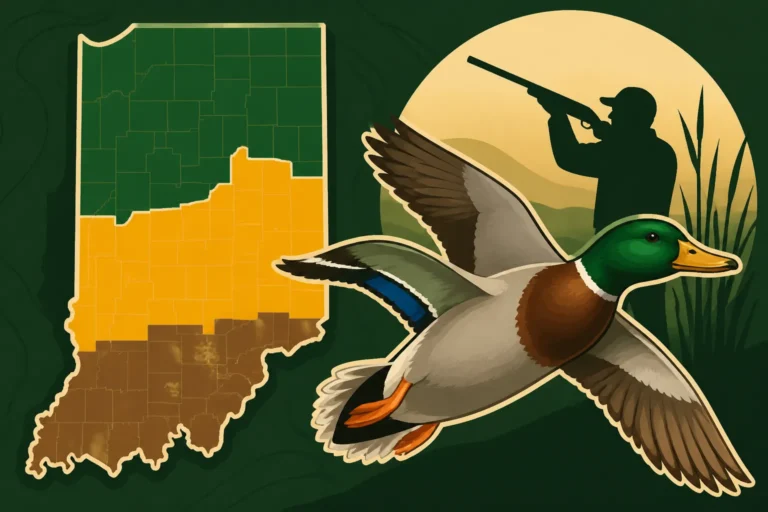
Beyond scouting, thoroughly review the current year's migratory bird hunting regulations. These include specific season dates, legal shooting hours, and daily bag and possession limits for each species. These regulations can change annually, so never assume they are the same as last year. Special restrictions might apply in certain areas or for specific species, such as limited entry draws for popular public lands or unique zones like the "North Zone" or "South Zone" for ducks. Knowing these details is just as important as having your stamps, ensuring a responsible and fruitful hunting season.
Disclaimer
Please remember that hunting regulations, license costs, and season dates are subject to change. Always consult the official Indiana Department of Natural Resources (DNR) website and current hunting guides for the most accurate and up-to-date information before planning any hunt. This article is intended for informational purposes only and should not be considered a substitute for official legal guidance from the Indiana DNR.