Indiana Federal Duck Stamp Requirement
Hunting waterfowl in Indiana is an incredibly rewarding experience, but the myriad of licenses, stamps, and certifications can often feel like navigating a swamp blindfolded. It's frustrating to gear up, scout perfect spots, only to second-guess if you've got all your legal ducks in a row. This guide is here to untangle the specifics of one crucial requirement often overlooked by new hunters and sometimes confusing for seasoned veterans: the Indiana Federal Duck Stamp.
What Exactly is the Federal Duck Stamp and Why Do We Need It?
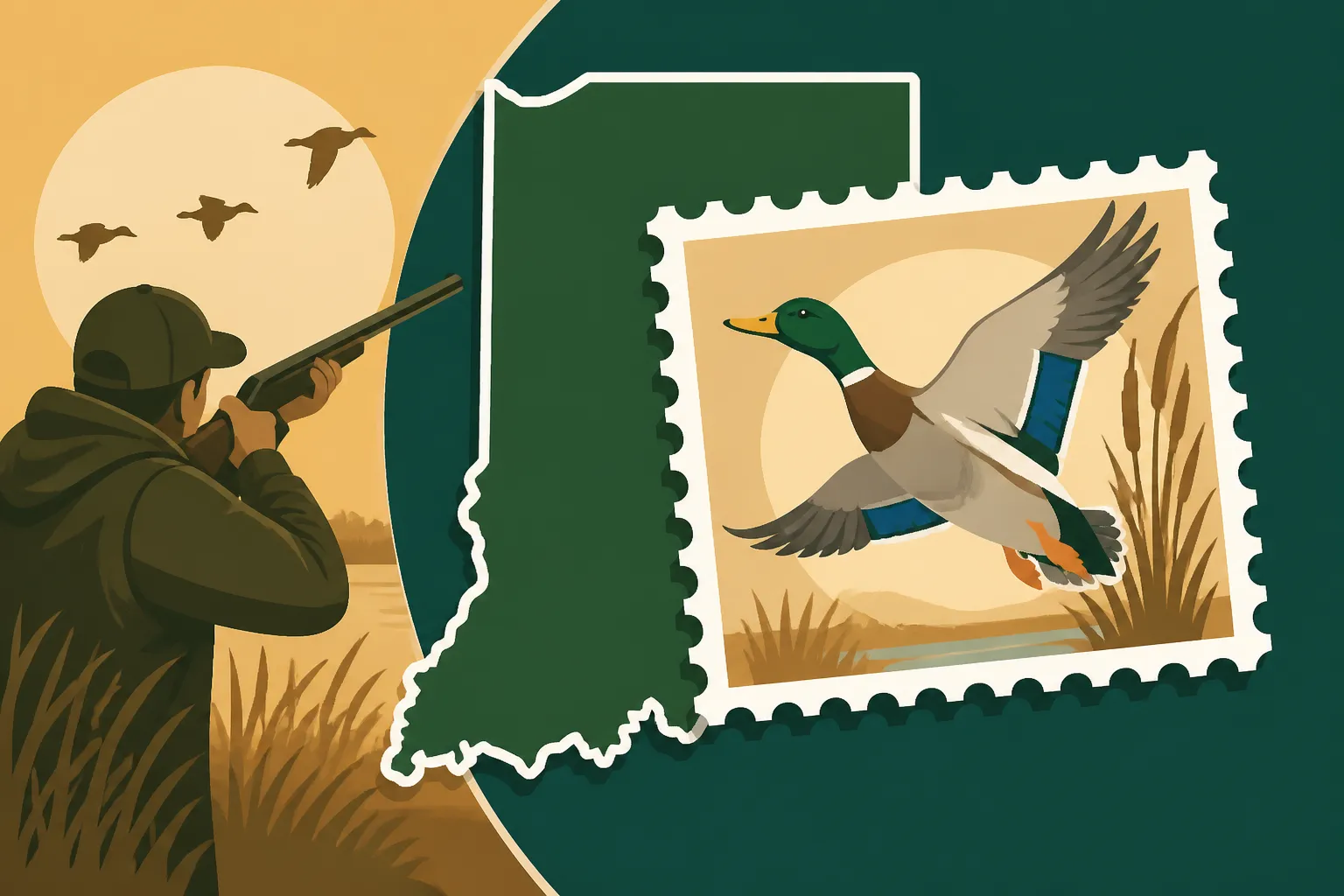
When you’re preparing for duck season, grabbing your decoys and tuning up your calls, there’s one small, yet mighty, piece of paper that holds immense power for conservation: the Federal Migratory Bird Hunting and Conservation Stamp, more commonly known as the Federal Duck Stamp. Many hunters just see it as another fee, another hoops to jump through, but it's much more than that. This isn't just an Indiana thing; it's a nationwide mandate that fuels the preservation of the very habitats our waterfowl rely on.
The Conservation Powerhouse You Might Not Know
Imagine the vast wetlands, marshes, and crucial nesting grounds across the country – from the Kankakee Marshes here in Indiana all the way to Alaska – that provide refuge for countless species of migratory birds. The Federal Duck Stamp is the financial backbone for protecting and acquiring these critical habitats. For every dollar spent on a Federal Duck Stamp, 98 cents goes directly into the Migratory Bird Conservation Fund. This fund is then used by the U.S. Fish and Wildlife Service to purchase or lease wetlands and wildlife habitat for the National Wildlife Refuge System. This means that when you buy that stamp, you're not just buying permission to hunt; you're actively investing in the future of the birds you love to pursue, ensuring they have places to live, breed, and migrate for generations to come. It’s a direct, tangible way that hunters contribute to conservation, often without even realizing the full scope of their impact. Without this funding, many of the very places we hunt, or the places ducks stop along their migration path, might simply cease to exist.
Who Needs to Carry One and When
The rule is pretty straightforward: if you are 16 years of age or older and plan to hunt migratory waterfowl (ducks, geese, swans, mergansers, etc.) anywhere in the United States, you must possess a current Federal Duck Stamp. This applies to Indiana hunters just as it does to hunters in any other state. It doesn't matter if you're hunting private land or public land, whether you're chasing puddle ducks in a flooded timber hole or setting up a layout blind for honkers in a cut cornfield. If it flies and it's a regulated migratory waterfowl species, you need the stamp. There's no exception for residents versus non-residents, or for different seasons (like early teal versus late-season mallards).
However, there's a common misconception that applies to many new hunters or those taking out a youth. Hunters under 16 years old are exempt from the Federal Duck Stamp requirement. This is great news for families introducing their kids to the tradition, allowing them to experience the thrill of a morning flight without an additional cost burden. Also, while the stamp allows you to hunt migratory birds, it's not a general small game license. If you're out hunting squirrels or rabbits, you don't need a Federal Duck Stamp. But as soon as you target a duck or goose, even if it's just for a minute, that stamp needs to be in your possession. Always remember to also check the specific Indiana Duck and Goose Bag Limits before heading out.
How to Get Your Federal Duck Stamp in Indiana
Getting your Federal Duck Stamp is generally a simple process, but understanding the options and what to do immediately after purchase is key to staying legal and ensuring your hunt goes off without a hitch. Nobody wants to be caught off guard by a conservation officer because of a technicality.
Navigating the Purchase Process
For Indiana hunters, there are a few convenient ways to acquire your Federal Duck Stamp. The most common method for many is through the Indiana Department of Natural Resources (DNR) Go Outdoors Indiana system. You can purchase an electronic stamp (e-stamp) directly online, which is incredibly convenient, especially if you suddenly realize it's the night before opening day and you're missing it. Many licensed vendors, such as sporting goods stores like Cabela's, Bass Pro Shops, or even some local bait and tackle shops, also sell physical stamps. These locations are often listed on the U.S. Fish and Wildlife Service website or by checking with your local DNR office. Some hunters, myself included, enjoy the tradition of buying the physical stamp and affixing it to their state license. It's a small ritual that marks the start of another waterfowl season. When using platforms like GoHunt for scouting, you might find features that integrate license purchasing or remind you of necessary stamps, making it a good way to stay organized with all your permits.
Physical Stamp vs. E-Stamp: What's the Deal?
The biggest question most hunters have is whether to get a physical stamp or an e-stamp. Both are perfectly legal, but they come with different procedures.
E-Stamp: When you buy an e-stamp through the Go Outdoors Indiana system or another authorized online retailer, you'll receive a confirmation number or a temporary permit via email. This electronic proof of purchase is immediately valid for up to 45 days. This 45-day window is crucial. It gives the U.S. Fish and Wildlife Service time to mail you the actual physical stamp. During this 45-day period, you must carry your temporary permit (either printed or displayed on your phone) as proof of purchase. After 45 days, the e-stamp confirmation is no longer valid, and you must have the physical stamp in your possession. For those who lose things easily, or just like the convenience of digital, having your license and e-stamp accessible on an app like the GoHunt app can be a lifesaver when you're deep in the marsh.
Physical Stamp: If you buy a physical stamp from a post office or an authorized vendor, you'll receive the actual stamp right there. You then need to sign across the face of the stamp in ink to validate it. This physical stamp, once signed, is immediately valid for the entire season. You must carry it with you when hunting waterfowl. Many hunters choose to affix it to their state hunting license, which also must be carried while hunting.
Here's a quick comparison to help you decide:
| Feature | E-Stamp (Electronic) | Physical Stamp (Traditional) |
|---|---|---|
| Availability | Online via Go Outdoors Indiana, authorized retailers | Post offices, sporting goods stores, bait shops |
| Immediate Use | Yes, with confirmation number/temporary permit | Yes, upon purchase and signing |
| Validity | Temporary permit valid for 45 days; physical stamp mailed | Valid for entire season once purchased and signed |
| Proof Needed | Temporary permit (print or phone) for 45 days, then physical stamp | Signed physical stamp |
| Convenience | Purchase anytime, anywhere; instant temporary proof | Tangible item; no waiting for mail |
| Collection | Physical stamp arrives by mail for collection | Immediate possession for collectors |
Whichever method you choose, always make sure you have the correct documentation on you. A conservation officer will want to see it, and it's your responsibility to comply.
Beyond the Stamp: Other Key Indiana Waterfowl Requirements
While the Federal Duck Stamp is a non-negotiable for waterfowl hunters, it's just one piece of the larger regulatory puzzle in Indiana. To truly be prepared for a successful and legal hunt, you need to understand the full spectrum of requirements. It's not enough to just have the stamp; you need to cover all your bases to avoid any unexpected citations.
Pairing it with Your Indiana State License
First and foremost, the Federal Duck Stamp is not a substitute for your Indiana hunting license. You will need a valid Indiana hunting license to hunt any game in the state, including migratory waterfowl. For residents, this means an annual hunting license (lifetime licenses were discontinued in 2005). Non-residents will need to purchase an Indiana non-resident hunting license. Beyond the general hunting license, you'll also need an Indiana Migratory Waterfowl Stamp. Yes, that's right – there’s a state duck stamp in addition to the federal one. This state stamp, like its federal counterpart, contributes to Indiana's wetland conservation and management programs. You can purchase both your general Indiana Resident License Options and state waterfowl stamp through the Go Outdoors Indiana portal or at authorized license vendors. Always carry both your state hunting license and your Indiana Migratory Waterfowl Stamp, in addition to your signed Federal Duck Stamp, when afield.
HIP Certification and Other Important Details
Another critical requirement often overlooked, especially by hunters new to migratory birds, is the Harvest Information Program (HIP) certification. HIP is a nationwide survey conducted by the U.S. Fish and Wildlife Service to gather data on migratory bird harvests. Every waterfowl hunter, regardless of age, must be HIP-certified annually in each state they hunt migratory birds. It's free and takes only a minute or two to complete when you purchase your Indiana license, or you can do it separately online. Essentially, you answer a few questions about your previous year's hunting activities for certain migratory species. This data is vital for wildlife managers to make informed decisions about season lengths and bag limits. Make sure you complete your Indiana HIP Certification for Bird Hunters before you head out.
Beyond licenses and stamps, there are other crucial details:
- Nontoxic Shot: For all waterfowl hunting in Indiana, and across the nation, you are required to use nontoxic shot. Lead shot is strictly prohibited. This is critical for protecting waterfowl populations from lead poisoning. Make sure your shotgun shells are clearly marked as "nontoxic" or "steel shot." You can learn more about Where Nontoxic Shot Is Required in Indiana.
- Plugged Shotguns: Your shotgun must be plugged so it cannot hold more than three shells in the magazine and chamber combined. This is a standard waterfowl hunting regulation designed to prevent excessive harvest.
- Hunting Hours: Migratory bird hunting hours typically run from one-half hour before sunrise until sunset. Always double-check the current regulations, as these can sometimes vary slightly.
- Baiting: Hunting waterfowl over bait is illegal. Be absolutely certain that the area you are hunting has not been baited, which includes corn, wheat, or any other grain, or any other feed placed for the purpose of attracting birds.
- Indiana Hunter Education Requirements: If you were born after December 31, 1986, you generally need to have completed a hunter education course to purchase a hunting license in Indiana.
Understanding all these components is key to a responsible and successful waterfowl season. It might seem like a lot to remember, but each requirement plays a part in the sustainable management of our cherished migratory bird resources. Platforms like GoHunt can help you manage your digital licenses and keep track of season dates, making sure you don't miss any critical details.
Understanding Indiana Duck Zone Boundaries
Indiana is part of the Mississippi Flyway, a major migratory route for millions of waterfowl. However, for regulatory purposes, Indiana is divided into specific duck zones. These zones can sometimes have different season dates or bag limits depending on the year and the species. Historically, Indiana has often had a North Zone and a South Zone for duck hunting, but these can be subject to change.
It's absolutely vital to know which zone you are hunting in, as misinterpreting these boundaries could lead to hunting out of season or exceeding bag limits. The Indiana DNR website provides detailed maps and descriptions of these zones annually. For example, the season dates for ducks and geese might open a week or two earlier in the North Zone compared to the South Zone, or vice-versa, to better align with migration patterns. This distinction becomes especially important when you're planning a trip to, say, Hunting the Kankakee River Marshes, which typically falls within Indiana's North Zone, versus hunting the Wabash River Bottoms further south. Always consult the official Indiana hunting regulations guide published by the DNR each year, which you can usually find online or pick up at license vendors. This guide will contain the most current and accurate information regarding all Indiana Duck Zone Boundaries, season dates, bag limits, and any special regulations that apply to specific areas or species within these zones. Don't rely on outdated information or hearsay; your legal standing depends on having the most up-to-date details.
Disclaimer
Please remember that hunting regulations are subject to change. While every effort has been made to provide accurate and up-to-date information, it is the hunter's responsibility to consult the most current Indiana Department of Natural Resources (DNR) hunting regulations guide before participating in any hunting activity.