Indiana Turkey Tag Transport Rules
You've just called in that strutting tom, the shot rang true, and now you're standing over a beautiful Indiana gobbler. It's a moment of immense satisfaction, but let's be honest, the excitement can quickly be overshadowed by the nagging worry: "Did I do everything right? How do I legally get this bird home?" The truth is, navigating Indiana's turkey tag transport rules can feel like a minefield of small details, and missing one can ruin your hard-earned success. This comprehensive guide is here to walk you through every critical step, from the moment your bird hits the ground to the final reporting, ensuring your hunt stays on the right side of the law.
Understanding Indiana's Basic Tagging Requirements
Before you even step foot in the woods, it's absolutely crucial to understand the foundational rules that govern your hunt. Indiana takes its game management seriously, and proper tagging is the bedrock of their system. Don't let the adrenaline of a successful hunt make you forget these basics.
Before the Shot: What You Need
First things first, you can't even attempt to harvest a turkey in Indiana without the proper documentation. This means a valid hunting license and the correct turkey tag for the season you're hunting. For most hunters, this will be an Indiana resident or nonresident hunting license, paired with a spring turkey tag. If you're hunting in the fall, you'll need the appropriate fall archery or firearms tag, depending on your method. Always double-check the current year's hunting regulations booklet, which you can usually find online through the Indiana DNR website.
Think of your license and tag as your hunting passport and visa. Without them, you're not legally allowed to participate. Many veteran hunters I know keep their license and tags, usually printed on durable paper or stored digitally on an app, in a waterproof pouch in their hunting vest. It's too easy for a paper copy to get soaked in a spring shower or lost if you're crawling through thick brush on your way to a gobbler. Always have it readily accessible, because the moment that bird hits the ground, the clock starts ticking on your responsibilities.
It's also worth noting that anyone requiring hunter education must have completed it, or be hunting under an Indiana Apprentice Hunter License Rules setup. This ensures everyone understands the rules before they even start. Familiarity with the rules, especially those pertaining to Indiana Spring Turkey Season Rules or Indiana Fall Turkey Season Structure, is paramount.
Immediate Field Tagging: The First Crucial Step
This is where many hunters, in their excitement, can make a costly mistake. The rule in Indiana is clear: you must immediately attach a tag to your harvested turkey at the point of kill, and before you move it from that location. "Immediately" means without delay. You can't drag it back to the truck, take a few selfies, or even walk it a hundred yards before tagging. The tag must be securely attached to the bird, typically through a slit in the wing or leg, or attached to a prominent part of the carcass that won't easily detach during transport.
The tag, whether paper or digital, needs to have certain information clearly marked on it. This usually includes the date of harvest, your name, address, and your customer ID number. If you're using a paper tag, make sure to use a permanent marker that won't run or fade, even if it gets wet. I've seen tags become unreadable after a rainy walk out of the woods, which can lead to unnecessary headaches with a conservation officer. This immediate tagging process is non-negotiable and is designed to prevent unlawful possession or multiple harvests on a single tag.
This initial tagging phase is critical for the integrity of your hunt. It’s the first piece of evidence that your bird was legally taken. Think of it as leaving a timestamp and signature right there in the field. Ignoring this step can lead to serious fines and penalties, overshadowing the success of your Hunting the Indiana Spring Turkey Opener.
Digital vs. Paper Tags: Knowing Your Options
Indiana offers flexibility in how you carry and use your tags. You can choose a traditional paper tag that you physically print out and carry, or you can opt for a digital tag accessible through the Indiana DNR's online system or their Go Outdoors Indiana mobile app. Both are equally valid, but each comes with its own considerations.
If you go the paper route, make sure you print it on sturdy paper and, as mentioned, keep it protected. Some hunters even laminate their paper tags for extra durability, knowing that spring turkey hunting often involves dew-soaked fields and unexpected rain. For those who prefer digital, the Go Outdoors Indiana app is a fantastic tool. It allows you to access your licenses and tags directly on your smartphone. However, remember that cell service can be spotty in many prime hunting areas in Indiana. Always ensure your phone is fully charged, and consider taking a screenshot of your digital tag as a backup in case you lose signal at the moment of truth.
Regardless of whether you choose paper or digital, the core requirement remains: the tag must be filled out accurately and attached to the bird at the point of kill. This flexibility is meant to make things easier, but it still requires diligence on your part. Apps like GoHunt can be incredibly helpful for checking regulations or reviewing public land boundaries, but always refer to the official Go Outdoors Indiana app or physical regulations for tagging specifics.
Physical Transport of Your Harvested Turkey
Once your turkey is tagged and secured, the next challenge is getting it from the field back to your vehicle and, ultimately, to your home. Indiana has specific rules about how the bird must be transported, particularly concerning the tag and its condition.
Keeping the Tag Attached: Why It Matters
The tag you affixed in the field must remain attached to the turkey during transport. This isn't just a suggestion; it's a legal requirement. The tag serves as undeniable proof that the bird was legally harvested by you and that you have met the immediate tagging obligation. Removing it prematurely, even accidentally, can lead to complications if you encounter a conservation officer.
Imagine this scenario: you've successfully harvested a beautiful gobbler in a remote part of the Hoosier National Forest. You tag it, start the long walk out, and somewhere along the way, the tag snags on a briar and rips off. Now you're walking out with an untagged bird. Even though you legally harvested it, you could face questions or even a citation. This is why using a durable tag and attaching it securely, perhaps with a zip tie through the leg bone or a strong string, is so important. Make sure the tag is visible and won't get obscured or damaged easily during your trek. The purpose is unambiguous identification: this bird belongs to this tag.
Understanding the Indiana Spring Turkey Bag Limit Rules is also part of this, as the tag helps verify you are within your legal limit. If you're on a multi-day hunt, the tag provides clear documentation for any game you've already taken.
Transporting Whole vs. Field Dressed
A common question among turkey hunters is whether they can field dress their bird before transport. The good news is, in Indiana, you can field dress a turkey before transporting it. This means you can remove the entrails to lighten the load and begin the cooling process, which is especially beneficial on warmer spring days. However, there's a critical caveat: enough of the turkey must remain intact to allow for species and sex identification, if required.
Generally, leaving the head, beard (for gobblers), and spurs attached is sufficient for identification purposes. Most hunters will simply eviscerate the bird, perhaps removing the crop, and then carry it out whole. This ensures there's no question about the legality of the bird if you encounter a DNR officer. You want to avoid a situation where an officer can't tell if it's a legal male turkey or a hen, especially if you're hunting during a time when only gobblers are permitted. The goal is to retain enough distinguishing characteristics for identification.
When you're trying to figure out the best way to carry your bird, especially if you've got a lot of Turkey Gear for an Indiana Spring, considering the weight of a whole bird versus a field-dressed one can be a big factor. Even with the guts removed, a big tom can be a hefty carry, particularly when you're navigating steep terrain or dense cover.
Interstate Travel Considerations
While this guide primarily focuses on transport within Indiana, it's worth a brief mention about crossing state lines, especially for our non-resident hunters or those who hunt near Indiana's borders. If you plan to take your harvested turkey out of Indiana and into another state, you need to be aware of the regulations of both Indiana and the destination state. Each state has its own rules regarding the transportation of game, including what parts must remain attached and any specific tagging or documentation requirements.
Always check the regulations of the state you are entering before you cross the border. Some states might require a separate tag from their state for transport or might have different rules about keeping certain parts of the bird (like the beard or wings) attached. The last thing you want is to legally harvest a bird in Indiana, only to run into trouble with game wardens in Ohio, Kentucky, or Michigan. When in doubt, it's always best to err on the side of caution and leave the bird as intact as possible, with the Indiana tag securely fastened, until you reach your final destination for processing.
Reporting Your Turkey: The Critical Final Step
You’ve successfully harvested your turkey, tagged it in the field, and safely transported it home. You might think your responsibilities are over, but there's one final, absolutely crucial step: reporting your harvest to the Indiana DNR. This isn't just a bureaucratic formality; it's a vital component of game management that helps the state monitor Indiana Turkey Population Trends and ensure sustainable hunting opportunities for years to come.
The Indiana DNR Reporting System
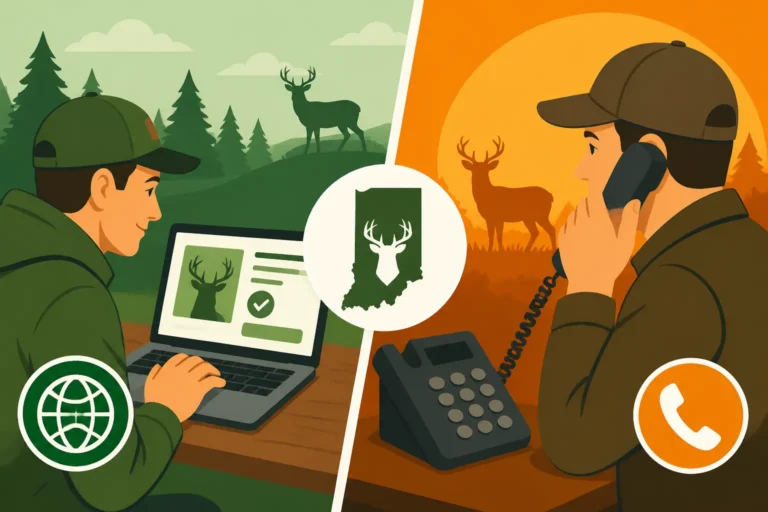
Indiana offers several convenient ways to report your turkey harvest, making it accessible to hunters regardless of their location or technological proficiency. The primary methods are through the official Go Outdoors Indiana website, the Go Outdoors Indiana mobile app, or by calling a dedicated toll-free phone number. Each method is designed to be straightforward, but it's important to understand how they work.
Using the website or the app is often the most popular choice for modern hunters. You'll need to log in with your customer ID and then follow the prompts to enter details about your harvest, such as the date, county of kill, and the type of turkey (e.g., adult tom, jake). The app is particularly useful because it can often pre-fill some of your personal information, streamlining the process. Even if you're out in the field and have limited signal, sometimes you can get enough connectivity to report, or at least save the information to report once you're back in range. For those who prefer not to use technology, the toll-free phone number is always an option, where a representative will guide you through the reporting process. This reporting system is very similar to the process for Indiana Deer Reporting Requirements, so if you're familiar with one, the other should feel natural.
It's highly recommended to have your license and tag information handy when you report, as you'll need details like your license number and the specific tag number used for that bird. Accurate data helps the DNR make informed decisions about future seasons and bag limits, directly impacting the quality of hunting for everyone.
Deadlines and Methods for Reporting
The most critical aspect of reporting is the deadline. In Indiana, all harvested turkeys must be reported within 48 hours of the kill. This 48-hour window is firm, and missing it can lead to penalties. It's a common mistake, especially after a long, tiring hunt, to put off reporting. Don't do it! Set a reminder on your phone, or better yet, make it a habit to report as soon as you get home and have a moment of peace.
While you can report via the website, app, or phone, remember that the method you choose doesn't change the deadline. If you're hunting in a remote area and won't have cell service or internet access for a couple of days, plan accordingly. You might need to drive to a location with service specifically to report, or make arrangements to call in your harvest from a landline. Proactive planning is key to avoiding an inadvertent violation.
For hunters who travel for their hunts, remember that the 48-hour clock starts at the moment of harvest, not when you return home from your trip. If you harvest a bird on a Friday morning, you need to have it reported by Sunday morning, even if you don't plan to leave your hunting camp until Sunday afternoon. Stay on top of this, and your Indiana Turkey Harvest Numbers will be accurately reflected.
Confirmation Numbers and What to Do Next
After successfully reporting your turkey harvest, whether online, via the app, or by phone, you will receive a confirmation number. This number is your proof that you have fulfilled your reporting obligation. Do not discard this number! It's incredibly important to record it, either by writing it down in your hunting journal, taking a screenshot on your phone, or ensuring the app saves it.
This confirmation number acts as a receipt for your harvest. In the unlikely event of an inquiry from the DNR, having this number readily available demonstrates that you followed the rules. Some hunters even like to write the confirmation number directly on their physical tag after reporting, though this isn't a legal requirement. It's just an extra layer of peace of mind. Without a valid confirmation number, you cannot definitively prove that you reported your harvest within the legal timeframe.
Once you have your confirmation number, and the tag is securely on the bird, you are then free to fully process your turkey for consumption, whether that means taking it to a professional processor or butchering it yourself at home. This is when the hard work of the hunt truly pays off, transforming your wild game into delicious meals.
Common Missteps and How to Avoid Them
Even the most experienced hunters can, at times, overlook small details. When it comes to turkey tag transport rules in Indiana, those small details can lead to big headaches. Let's look at some of the most common mistakes and how you can proactively avoid them.
Forgetting Your Tag or License
It sounds almost comically simple, but it happens more often than you'd think: a hunter gets to their favorite public land spot, the birds are gobbling their heads off, and in their haste to get set up, they realize their license or tag is still sitting on the kitchen counter or in another jacket. This is a frustrating situation because, legally, you cannot hunt without a valid license and tag physically or digitally in your possession.
How to avoid it: Make a checklist! Before every hunt, especially for specific seasons like turkey, run through a quick mental or physical list. License? Check. Tag? Check. Pen/marker? Check. You could even use an app like GoHunt to store reminders or copies of your digital license. Many hunters have a dedicated hunting bag or vest where they always keep their essential documents, never removing them. This way, everything is in one place, ready to go. Consider also having a backup digital copy on your phone, though remember cell service limitations.
This simple oversight can mean a wasted hunting trip, or worse, if you decide to "risk it" and are caught without proper documentation. Always prepare as if you're going to harvest a bird, even if it's just a scouting trip for Where Indiana Gobblers Roost.
Improper Tagging in the Field
Another common issue arises not from forgetting the tag, but from improper attachment or incomplete information. Hastily attaching a paper tag with a weak string, or scribbling information that becomes illegible, can render your field tag ineffective. This can be particularly problematic if the tag falls off during transport, leaving you with an untagged bird.
How to avoid it: Take your time with the tagging process. It's an exciting moment, but slow down for these critical steps. Use a durable method of attachment, such as a sturdy zip tie or strong twine, securely through a part of the bird that won't easily tear, like the leg bone or a thick portion of a wing. Ensure all required information (date, name, customer ID) is clearly and permanently marked on the tag. If using a paper tag, a fine-point permanent marker is your best friend. Make sure it's waterproof! If you're doing a lot of Run-and-Gun Turkey Tactics on Public Land, you might be moving through some dense areas, and a flimsy tag simply won't survive the journey.
Remember, the tag is proof of your legal harvest until you've completed the reporting process and are home to fully process the bird. Don't compromise its integrity.
Missing the Reporting Deadline
This is perhaps the easiest mistake to make after a successful hunt, simply due to exhaustion, busy schedules, or forgetting amidst the excitement. The 48-hour deadline is firm, and even if you had every intention of reporting, a missed deadline is still a violation. This is especially challenging if you're out camping or in an area with no signal for an extended period.
How to avoid it: Prioritize reporting. As soon as you have reliable cell service or internet access, make it your immediate priority. Don't wait until the last minute. If you're deep in the woods for a multi-day trip, plan ahead. Perhaps designate a "reporting run" to the nearest town with service, or ensure you have a satellite communication device if that's an option. For most hunters, simply making a habit of reporting within a few hours of getting home is the safest bet. Set a reminder on your phone as soon as the bird is down, or even before you leave for your trip.
The table below summarizes these common missteps and provides a quick reference for staying compliant:
| Misstep | How to Avoid It | Indiana Rule to Remember |
|---|---|---|
| Forgetting Tag/License | Create a pre-hunt checklist; keep essentials in a dedicated bag; use digital backups. | Must possess valid license and tag while hunting. |
| Improper Field Tagging | Take time; use durable attachment (zip tie); permanent marker for clear info. | Tag must be securely attached at point of kill, before movement. |
| Removing Tag Too Early | Leave tag attached until processing after reporting. | Tag must remain on bird during transport. |
| Missing Reporting Deadline | Report immediately upon returning home/getting service; set phone reminders. | Harvest must be reported within 48 hours of kill. |
| Incomplete Reporting Info | Have license/tag number ready; confirm all fields filled out. | Accurate and complete reporting is required for game management. |
By being mindful of these common pitfalls and implementing these simple strategies, you can ensure that your Indiana turkey hunt is not only successful but also entirely legal from start to finish. Following these rules protects you, and it helps the Indiana DNR continue to manage our incredible wild turkey resource for future generations.
Disclaimer
Please note: While this guide provides comprehensive information based on current Indiana hunting regulations and common practices, hunting laws can change. It is always the hunter's responsibility to consult the most current Indiana Department of Natural Resources (DNR) hunting regulations guide before heading afield to ensure full compliance.