Indiana Public Dove Field Draw Rules
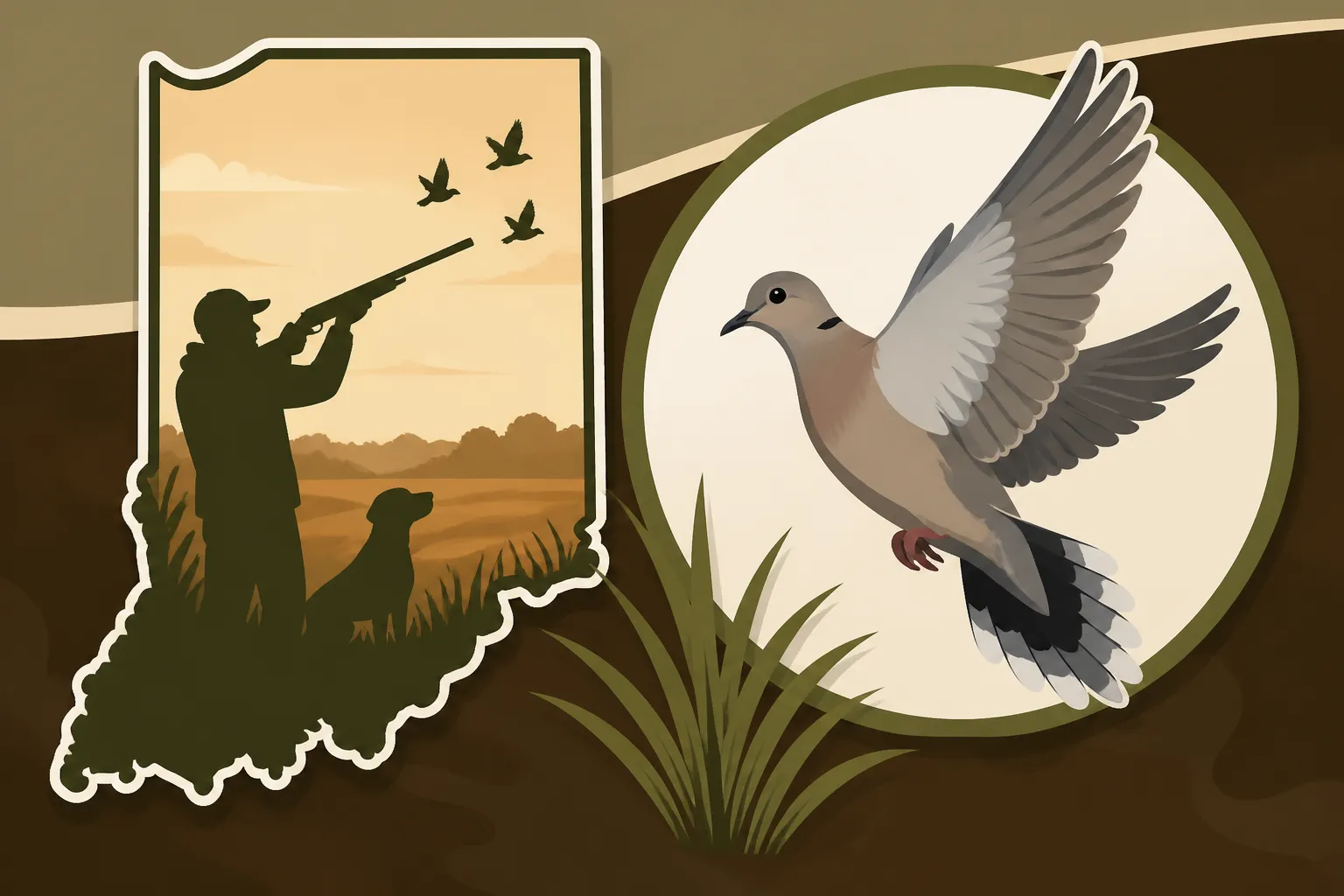
There's nothing quite like the anticipation of opening day for dove season in Indiana, but for many hunters, the excitement quickly turns to frustration when trying to find a prime public spot. You arrive, hoping to find a freshly cut field brimming with mourning doves, only to discover it's either overrun with other hunters or you simply can't figure out the access rules. This guide is here to cut through that confusion, walking you step-by-step through Indiana's public dove field draw rules and helping you understand exactly how to secure a spot for a successful hunt.
Understanding Indiana's Public Dove Field Program
Indiana's public dove fields are a fantastic resource, but they come with their own set of rules, particularly for the highly sought-after opening days. These aren't just random patches of land; they are carefully managed habitats designed to attract and hold doves, making them incredibly popular.
Why Public Dove Fields Are So Popular
Imagine a perfectly manicured sunflower field, or a vast expanse of wheat stubble, strategically planted and managed by the Indiana Department of Natural Resources (DNR) specifically to draw in migrating doves. That's precisely what these public fields offer. They provide consistent food sources and cover that doves absolutely love, creating hot spots that can be difficult to replicate on private ground without extensive agricultural effort. Hunters are drawn to these areas because of their proven track record for producing good shooting, especially during the early season when doves are abundant and patterns are predictable. The sheer number of birds that can congregate in these managed fields makes them a magnet for wingshooters.
The DNR's Role in Habitat Management and Hunter Access
The Indiana DNR plays a critical role in developing and maintaining these public dove fields. Their wildlife biologists and property managers work tirelessly to cultivate the right crops, time harvests, and implement other land management practices that enhance dove habitat. This includes rotating crops like sunflowers, corn, millet, and wheat, which are all high-energy food sources that doves seek out. Beyond habitat, the DNR also manages hunter access to these popular areas, often employing a draw system to distribute hunting pressure and ensure a quality experience for participants. This system prevents overcrowding on opening day and allows for a more controlled and safer hunting environment. Without this careful management, these fields would quickly become chaotic and less productive due to excessive pressure.
What Exactly is a Public Dove Field Draw?
A public dove field draw is essentially a lottery system used by the Indiana DNR to allocate prime hunting opportunities on specific managed properties, especially during the first few days of the dove season. Because certain fields are incredibly productive and popular, the DNR implements this draw to give everyone a fair chance at securing a spot. Instead of a first-come, first-served free-for-all, hunters apply for a chance to hunt a particular field on a specific date. If selected, they are assigned a designated hunting area within that field, ensuring proper spacing between hunting parties. These draws are typically held at various Fish and Wildlife Areas (FWAs) across the state, such as Atterbury FWA, Willow Slough FWA, and Glendale FWA. These are premier spots that often see high success rates due to the habitat work put in by the DNR.
Navigating the Public Dove Field Draw Process
Understanding the application timeline and requirements is crucial for anyone hoping to participate in Indiana's public dove field draws. Missing a deadline or overlooking a specific detail can mean missing out on a prime hunting opportunity.
Key Dates and How to Apply
The application window for public dove field draws typically opens in late July or early August, with deadlines usually falling in mid-August, well before the statewide dove season opener on September 1st. It's imperative to mark these dates on your calendar because there's generally no flexibility once the application period closes. The application process is predominantly handled online through the Indiana DNR's Go Outdoors Indiana licensing system. You'll need to create an account if you don't already have one, then navigate to the "Apply for a Reserved Hunt" section. Here, you'll find listings for the available dove fields, dates, and application instructions. While some properties might offer standby draws on the day of the hunt for unselected spots, your best bet is always to apply in advance. Many savvy hunters, perhaps using a platform like GoHunt, keep a close eye on these announcements to ensure they never miss an application window.
Necessary Licenses and Certifications
Before you even think about applying for a draw, you need to ensure all your basic hunting credentials are in order. First and foremost, you'll need a valid Indiana hunting license. For residents, this could be a basic resident hunting license, or often, the more comprehensive Indiana Resident Deer Bundle Cost that covers multiple species. Non-residents will need to purchase a Indiana Nonresident Hunting License Options. Beyond the general hunting license, dove hunters are required to obtain an Indiana Migratory Bird Harvest Information Program (HIP) certification. This HIP certification is a federal requirement for anyone hunting migratory birds and helps wildlife agencies track harvest data. It's typically a free endorsement you can add when you purchase your hunting license through Go Outdoors Indiana. Failing to have both your hunting license and HIP certification valid and on your person during the hunt will result in a violation, so double-check everything well in advance.
Understanding Draw Results and Notifications
Once the application period closes, the DNR conducts the random drawing. This process usually takes a few days, and applicants are typically notified of their success or unsuccess via email. It's a good practice to check your junk or spam folder, just in case the notification lands there. If you are drawn, your email will contain specific instructions regarding your assigned field, check-in times, and any other pertinent details for your hunt. This information is critical, as it often includes maps or directions to the designated check station on the FWA. If you aren't drawn, don't despair! Many properties offer additional opportunities through daily drawings or open access after the initial draw period. Information on these alternative options is usually published on the DNR's website or at the FWA office itself.
Pre-Hunt Scouting on Public Land
For those lucky enough to get drawn, pre-hunt scouting can significantly improve your chances of success. However, it's crucial to understand the rules for scouting on these managed dove fields. Most FWAs allow scouting during daylight hours prior to the season, but always verify specific property regulations. Using resources like the DNR's website or even third-party apps and platforms such as GoHunt, you can often find maps that outline specific field boundaries. When scouting, look for high-traffic areas where doves are feeding, watering, or roosting. Pay attention to power lines, dead trees, and field edges where doves often perch. Identify potential flight paths as they enter and exit the field. Understanding the terrain and dove behavior before the hunt allows you to pick the best possible setup within your assigned hunting area. For more general advice on Scouting Indiana Public Land Before Season, many of these principles apply directly to dove fields as well.
Maximizing Your Chances and What to Expect Afield
Getting a spot in a public dove field draw is just the first step. To have a truly successful hunt, you need a strategy for the draw itself and a good understanding of what to expect once you're out in the field.
Picking the Right Field for Your Application
Not all dove fields are created equal, and knowing the differences can help you make a smart choice when applying for the draw. Most managed fields will consist of sunflowers, wheat stubble, or millet, all excellent dove attractants. Sunflower fields are often highly prized because doves absolutely flock to them, especially as the seeds mature. Wheat stubble fields, particularly those with scattered weed seeds, can also be fantastic. Consider the size of the field and the typical hunting pressure it receives. Larger fields might offer more space, but incredibly popular ones might have more applicants, making them harder to draw. Research past success rates if data is available, and consider applying for fields that might be a bit further from major population centers, as these sometimes have slightly lower application numbers. A quick search using a tool like GoHunt might also give you insights into less pressured options or alternative strategies for picking fields.
Group Applications and Standby Opportunities
Many public dove field draws allow for group applications. This means one person can apply for a group of hunters, increasing the odds that at least one member of your party gets drawn. If the group is successful, all members listed on the application will receive a permit to hunt together. This is a great way to ensure you can hunt with friends or family. Check the specific rules for each property, as group size limits can vary. If you don't get drawn, don't lose hope. Many FWAs offer standby drawings on the morning of the hunt. These are typically held an hour or so before legal shooting time, and any unallocated or no-show spots are then offered to standby hunters present. It's a gamble, but showing up early with your licenses and gear ready can sometimes pay off with an unexpected hunting opportunity.
Day-of-Hunt Procedures and Field Assignments
If you're drawn, or if you're participating in a standby draw, the day-of-hunt procedures are critical to follow. You'll usually need to check in at a designated FWA office or check station at a specific time, often well before legal shooting light. At check-in, DNR staff will verify your license and HIP certification, provide a map of the field, and assign you a specific hunting spot or area. It's important to stick to your assigned area to ensure hunter safety and fair distribution of hunting pressure. Respect other hunters, and always maintain a safe distance. Parking will also be designated, so follow all signs and instructions. Once you're assigned your spot, set up your decoys (if using them), find some cover, and be ready for the morning flight.
Ethical Hunting, Safety, and Blaze Orange
Dove hunting, like all hunting, requires strict adherence to ethical practices and safety protocols. Always know your zone of fire and be absolutely certain of your target and what lies beyond it. When a dove falls, retrieve it promptly to prevent waste. This also ensures you can properly count your birds towards your bag limit. Safety is paramount; wear appropriate eye and ear protection. While blaze orange isn't typically required while actively dove hunting from a stationary position in a field (unlike during deer firearms season, for instance), it is often recommended or even required when walking to and from your hunting spot, especially on busy public lands where other hunting seasons might overlap. Always check the specific property regulations and the Indiana Blaze Orange Requirements to be certain. Practicing good sportsmanship and being courteous to fellow hunters will make for a more enjoyable experience for everyone. If you're Dove Hunting a Cut Indiana Field, remember that a good setup makes all the difference.
Important Considerations and Regulations for Dove Hunters
Beyond the draw process, general hunting regulations, bag limits, and ethical considerations are crucial for a responsible and successful dove season.
Bag Limits and Possession Limits
Understanding bag limits and possession limits is non-negotiable for dove hunters. The daily bag limit for mourning doves in Indiana is typically 15 birds, meaning you cannot harvest more than 15 doves in a single day. The possession limit, which applies to birds already taken and stored (e.g., at your home or camp), is usually three times the daily bag limit, or 45 birds. These limits are in place to ensure the sustainability of the dove population and fair distribution of the harvest among hunters. Always check the current Indiana DNR hunting regulations pamphlet or website for the most up-to-date information, as these numbers can change. Exceeding these limits is a serious violation that can result in fines and loss of hunting privileges.
Shot Shell Restrictions and Transporting Birds
When hunting on public lands, especially Fish and Wildlife Areas, there might be specific restrictions on the type of shot you can use. While lead shot is generally legal for dove hunting on private land, many public properties, particularly those with waterfowl habitat, require the use of non-toxic shot. Always verify the shot requirements for the specific FWA or public field you plan to hunt. Non-toxic options include steel, bismuth, or tungsten shot. Violating shot restrictions is an easy way to get a ticket. Additionally, when transporting doves from the field, you must leave one fully feathered wing attached to each bird. This allows conservation officers to easily identify the species and ensure compliance with bag limits. Once you arrive at your home or final destination for processing, you can remove the wing. This rule is consistent across all migratory bird hunting.
DNR Staff Presence and Compliance
It's common to encounter Indiana DNR conservation officers and property staff on public dove fields, especially during opening weekend. These individuals are there to ensure hunter safety, enforce regulations, and assist hunters. They may check your licenses, HIP certification, daily bag, and shot type. Be cooperative, courteous, and have all your documentation readily accessible. Compliance with all regulations is not just about avoiding a ticket; it's about respecting the resource and contributing to the positive image of hunters. If you have questions about specific rules or need assistance, DNR staff are an excellent resource. Understanding the Indiana Wildlife Violation Penalties can provide perspective on why it's so important to follow all the rules.
Reporting Harvests and Season Information
While mandatory harvest reporting for doves isn't typically required in Indiana in the same way it is for deer or turkey, staying informed about the season and potential changes is important. The DNR collects data through hunter surveys and banding programs, which are vital for managing migratory bird populations. Always consult the official Indiana DNR hunting regulations for the most current information regarding season dates, bag limits, and specific property rules. You can find this information on their website or by picking up a copy of the annual hunting and trapping guide. For a broader look at Indiana Small Game Season Rules, the dove season is just one part of a vibrant hunting landscape in the state.
| Event / Item | Description | Typical Timing / Requirement | Notes |
|---|---|---|---|
| Application Window | Period to apply for reserved dove hunts online. | Late July – Mid-August | Apply via Go Outdoors Indiana. |
| Required Licenses | Valid Indiana Hunting License & HIP Certification. | Must be current for the hunting season. | Purchase online or from authorized vendors. |
| Draw Notification | Email notification of successful or unsuccessful application. | Mid-August | Check spam folder; includes check-in details for successful applicants. |
| Pre-Hunt Scouting | Allowed on most FWAs to identify dove flight patterns and feeding areas. | Prior to season opener (verify property rules). | Respect private property boundaries and FWA specific regulations. |
| Day-of Check-in | Report to FWA office/station for spot assignment. | Early morning on hunt day (specific time in notification). | Bring licenses, HIP, and identification. Be on time! |
| Shot Type Restriction | Non-toxic shot may be required on some public lands. | Check specific FWA rules before hunting. | Steel, bismuth, or tungsten are common non-toxic options. |
| Bag Limit (Doves) | Maximum number of doves harvested per day. | 15 birds per day | Subject to change, always verify current regulations. |
| Possession Limit | Maximum number of doves in possession (e.g., at home). | 45 birds (3x daily bag limit) | Subject to change. |
| Transporting Birds | One fully feathered wing must remain attached for identification. | Until doves reach your home or processing destination. | Helps with species identification and bag limit verification. |
| Ethical Hunting | Safe shooting, prompt bird retrieval, respect for other hunters. | Throughout the entire hunt. | Critical for safety, conservation, and hunter image. |
| Blaze Orange | Recommended or required when walking to/from stand on public land. | Check specific FWA rules and Indiana Blaze Orange Requirements. | Not usually required while stationary and actively dove hunting. |
Disclaimer
Please remember that hunting regulations can change. While this guide provides comprehensive information based on current knowledge, always consult the official Indiana Department of Natural Resources (DNR) website or their annual hunting and trapping guide for the most up-to-date and legally binding regulations before heading afield.