Indiana Fall Turkey Archery Dates
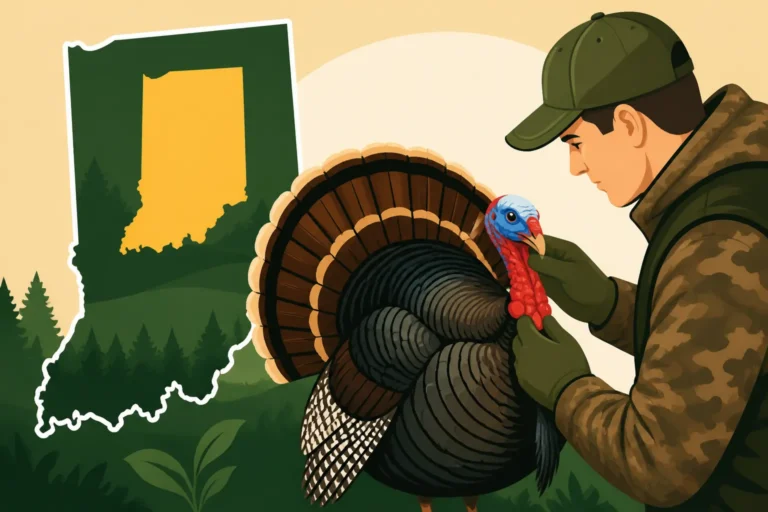
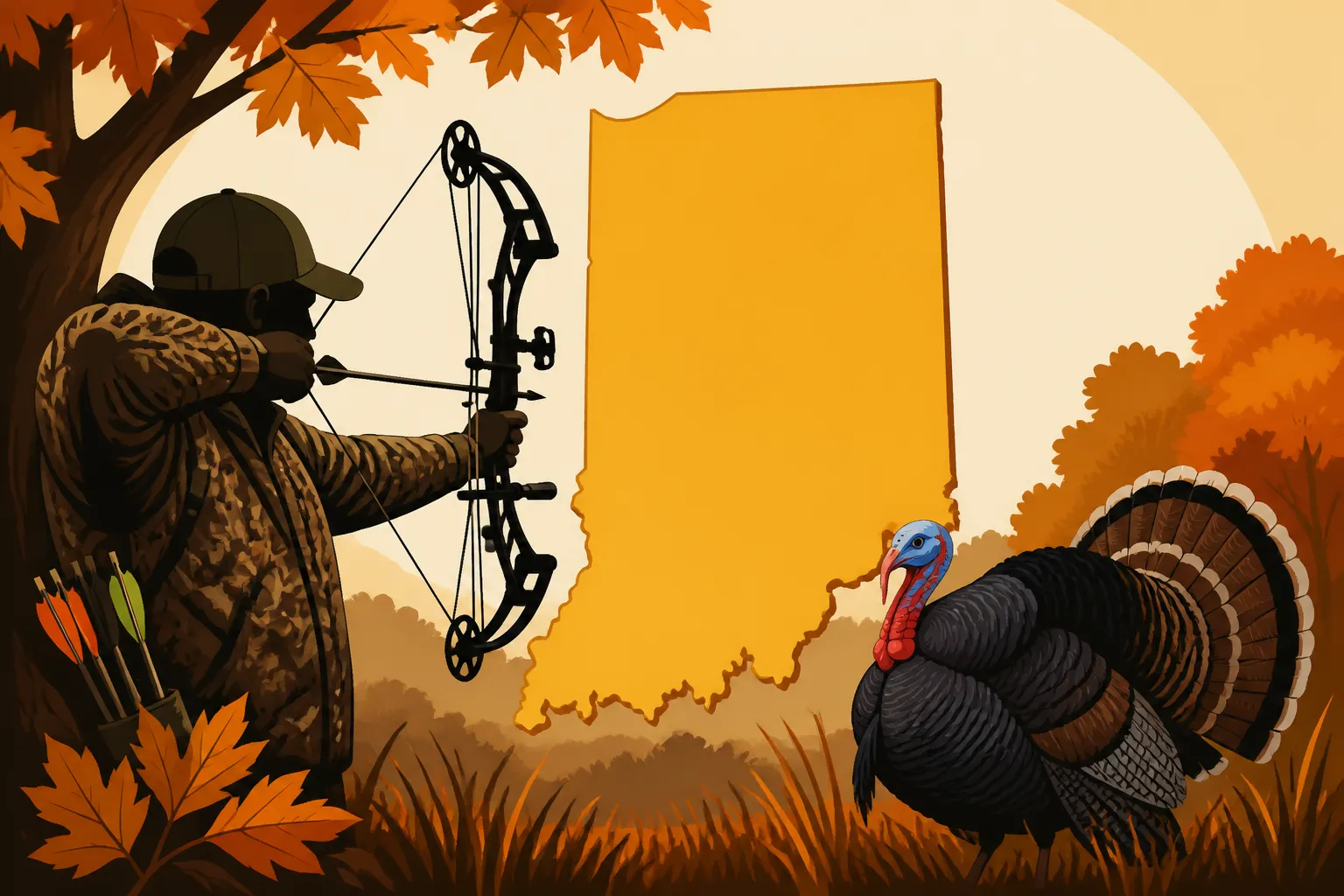
It can be incredibly frustrating trying to keep up with Indiana's hunting seasons, especially when you're passionate about a specific pursuit like chasing fall turkeys with a bow. The rules and dates can feel like they shift year to year, or even blend confusingly with other seasons. This guide is here to untangle the specifics of the Indiana fall turkey archery dates, ensuring you're fully prepared and legal for your next hunt.
Understanding Indiana's Fall Archery Turkey Season
Hunting wild turkeys in the fall with archery equipment offers a unique challenge, distinct from the boisterous spring gobbler season. Many hunters find themselves scratching their heads, wondering if the dates for fall archery turkey are separate from deer, or if they're even allowed to pursue turkeys with a bow after the spring season wraps up. The good news is, Indiana does indeed offer a robust fall archery turkey season, and it's designed to give archers ample opportunity.
The Overlap with Deer Archery Season
One of the most common points of confusion for many Indiana hunters is how the fall archery turkey season interacts with the much longer archery deer season. Here's a helpful tip: Indiana's fall archery turkey season dates align precisely with the statewide archery deer season dates. This means that if you're already geared up for whitetails with your bow, you're likely in the woods during prime fall turkey hunting windows too, provided you have the correct turkey license. This overlap can be a real benefit, allowing you to scout for both species simultaneously or even carry a turkey call while on your deer stand. Understanding this key overlap is critical for anyone planning their fall schedule, whether you're focused solely on turkeys or hoping for a mixed-bag approach. For a deeper dive into the broader archery dates, check out our guide on Bowhunting Indiana's Long Archery Season.
Counties Open to Fall Archery Turkey Hunting
Unlike the spring season which is generally statewide, Indiana's fall turkey seasons, both archery and firearms, can sometimes be county-restricted. This is where it’s absolutely essential to consult the current Indiana DNR hunting regulations booklet or their website. The Indiana DNR frequently adjusts which counties are open based on turkey population data, local harvest success, and overall management goals. For instance, in recent years, certain counties, especially those with lower turkey densities or specific management objectives, might not be open to fall firearms turkey hunting, but may still be open to fall archery. It's not a given that every county is open, so a quick check beforehand can save a lot of heartache and potential legal trouble. You don't want to drive all the way to your favorite hunting spot only to realize it's a closed county for fall turkeys. Always double-check before heading out.
Bag Limits and Species Considerations
When you finally connect with a fall turkey using your bow, what are you allowed to harvest? This is another area where the fall rules differ significantly from spring. During the Indiana spring turkey season, hunters are typically restricted to harvesting bearded turkeys, usually gobblers. However, the fall season is often more liberal. For fall archery turkey season, hunters are generally allowed to harvest one turkey of either sex. This means you can take a hen or a gobbler. This "either sex" rule is designed to give hunters more flexibility and aligns with the DNR's population management strategies, which sometimes aim to balance overall turkey numbers, not just gobbler populations. It's a fantastic opportunity to fill the freezer, regardless of whether you encounter a longbeard or a plump hen. Keep in mind that this bag limit is separate from your deer tags.
Key Dates for the Indiana Fall Archery Turkey Hunter
The specific calendar dates for Indiana's fall archery turkey season are crucial to know. Missing these windows means missing out on the opportunity to pursue these wily birds with a bow. Because these dates often coincide with other seasons, it can be easy to overlook the turkey component if you're primarily focused on deer.
The Early Archery Window
The first opportunity to hit the woods for fall archery turkeys typically kicks off on October 1st. This early season window, which runs concurrent with the beginning of the statewide archery deer season, usually extends through the Sunday immediately preceding Thanksgiving. This timeframe, generally encompassing most of October and a good chunk of November, is a prime period for several reasons. Early in this window, turkeys are often still in larger family groups, which can make them easier to locate by listening for their clucks and yelps or observing them feeding in open areas. As the season progresses into November, food sources become more critical, and scouting for acorns or agricultural fields can be highly productive. This early window also offers relatively milder weather compared to the late season, making for more comfortable sits in your treestand or ground blind.
The Late Archery Opportunity
After a brief pause, the Indiana fall archery turkey season reopens. This second, often colder, segment of the season begins on December 1st and continues all the way through December 31st. This late archery opportunity presents a very different hunting scenario than the early window. Turkeys, by this time, have faced significant hunting pressure, and natural food sources may be dwindling or covered by snow. Hunters need to adjust their tactics to account for these changes. Focus shifts heavily to identifying reliable winter food sources like standing corn, residual grain in harvested fields, or persistent mast crops in sheltered woodlots. The colder temperatures mean turkeys will be seeking thermal cover and food, often leading to predictable patterns once you find them. Dressing warmly and being patient becomes paramount during this late-season push. Our article on Hunting the Late-Season January Lull offers some great insights into cold-weather hunting that can apply here, even though this is still December.
Why These Dates Matter for Hunter Success
Understanding the nuances of these two distinct archery windows can dramatically impact your success. In the early part of the season, turkeys are often still quite vocal and responsive to calls, especially if you can locate flocks that haven't been pressured yet. They're focused on feeding and re-establishing social hierarchies after the spring breeding season. Later in the season, after Thanksgiving and into December, turkeys become much more focused on survival. Their movements are dictated by food availability and protection from the elements. This means you might need to adjust your calling strategy, perhaps using quieter, more subtle sounds, and be prepared to sit longer in prime feeding areas.
For hunters using tools like GoHunt or similar mapping apps, these date specific insights can guide your scouting efforts. You can look at satellite imagery for early season food sources like soft mast or insect-rich clearings, and then shift your focus to hard mast ridges or standing grain fields for the late season. Knowing the calendar allows you to tailor your scouting and hunting strategies, putting you in the right place at the right time.
Here's a quick overview of the Indiana Fall Turkey Season dates:
| Season Type | Start Date | End Date | Legal Weapon | Bag Limit (Per Season) | Counties Open |
|---|---|---|---|---|---|
| Fall Archery Turkey | October 1st | Sunday before Thanksgiving | Bow/Crossbow | One (Either Sex) | Statewide where fall turkey is permitted (check current DNR regs) |
| Fall Archery Turkey | December 1st | December 31st | Bow/Crossbow | One (Either Sex) | Statewide where fall turkey is permitted (check current DNR regs) |
| Fall Firearms Turkey | October 18th | Sunday before Thanksgiving | Shotgun, Muzzleloader | One (Either Sex) | Specific counties only (check current DNR regs) |
Note: The Fall Archery Turkey season bag limit is one turkey total, for both segments combined, for a single hunter per season. Always verify dates and county restrictions with the current Indiana DNR regulations.
Essential Gear and Tactics for Archery Turkeys
Successfully harvesting a fall turkey with a bow requires a specific approach to both your gear and your in-the-field tactics. Unlike deer hunting, where turkeys are often a secondary thought, targeting them specifically means making intentional choices.
Bow and Broadhead Choices for Turkeys
When it comes to your bow, any setup capable of cleanly taking a deer is generally sufficient for a turkey. Most modern compound bows, recurves, or longbows with a legal draw weight for Indiana big game will work. The real consideration often comes down to your broadhead. Turkeys, while not as robust as a deer, are surprisingly tough, and their vitals are a much smaller target, tucked behind wings and dense feathers. A broadhead that delivers maximum cutting diameter and quick energy transfer is key. Many archers prefer large mechanical broadheads for turkeys, as their wide cutting path can increase the chances of hitting vitals or breaking bone, ensuring a quick and ethical kill. Fixed-blade broadheads also work, but consider a larger cutting diameter than you might use for deer. For more information on arrow choices, our guide on Fixed Versus Mechanical Broadheads offers a detailed comparison that applies well to turkey hunting. Remember, shot placement is paramount – aim for the base of the wing where it meets the body, or high on the back where the fan meets the body, to target vital organs and the spine.
Calling Strategies for Fall Birds
Fall turkey calling is a different beast entirely compared to spring. In spring, you're primarily mimicking hens looking for a mate or gobblers establishing dominance. In fall, you're trying to locate and often break up a flock, then call individual birds back. Locator calls like owl hoots or crow caws can help you pinpoint a flock's location. Once you find them, you might try to "bust" the flock by running in and scattering them. After they've scattered, set up quickly and start making "lost hen" yelps, clucks, and kee-kee runs. These are sounds of birds trying to re-group. GoHunt's forums often have great discussions on specific fall calling techniques for pressured birds, providing insights from experienced hunters. The key is patience, as it can take time for scattered birds to feel comfortable enough to come back to your calls. Don't be afraid to experiment with different calls from our Turkey Calls Worth Carrying in Indiana guide.
Scouting for Success with Archery Gear
Scouting is paramount for fall archery turkeys. Since these birds are often in larger flocks and their movements are tied closely to food sources, identifying feeding and roosting patterns is crucial. Begin by Scouting Indiana Public Land Before Season or your private hunting grounds. Look for signs like scratchings in leaf litter, droppings, and dusting bowls. In the early fall, focus on areas with soft mast like berries, and then shift to hard mast such as acorns. As winter approaches, standing crops like corn or soybeans, or even food plots, become magnets for turkeys. Using an app like GoHunt can help you analyze terrain features, identify potential roosting areas along creek bottoms or ridge lines, and pinpoint agricultural fields adjacent to timber. Pay attention to edges where fields meet woods, as these are natural travel corridors for turkeys moving between feeding and roosting sites. Setting up a trail camera can also be invaluable for identifying travel routes and feeding times.
Navigating Regulations and Licenses
Before you even step foot in the woods with your bow for fall turkeys, understanding the legal requirements is non-negotiable. Ignoring these details can lead to fines, confiscated game, and a ruined hunt.
Required Licenses and Permits
To legally hunt fall turkeys with archery equipment in Indiana, you'll need a few things:
- A valid Indiana hunting license: This is your base license that allows you to hunt any legal species.
- A valid Indiana turkey license/stamp: This specifically authorizes you to hunt turkeys. For fall season, you purchase a "fall turkey" license, which covers both archery and firearms seasons, but remember the county restrictions for firearms.
- HIP (Harvest Information Program) registration: If you plan to hunt any migratory game birds (though turkeys are resident game birds, it's good practice to ensure you're covered for any potential mixed bag opportunities).
Always ensure these are purchased and valid before your hunt. You can typically purchase these through the Indiana DNR's online portal or at authorized license vendors. It's often convenient to buy your Indiana Hunting Licenses and What They Cost well in advance of the season opener. If you're using a crossbow, remember that Crossbow Rules During Indiana Archery Season are specific but generally allow crossbows during archery seasons for turkey and deer.
Reporting Your Harvest
Harvest reporting is a crucial part of wildlife management in Indiana. It provides the DNR with vital data to monitor turkey populations and set future regulations. If you're lucky enough to harvest a fall turkey, you are required to report it to the Indiana DNR within 48 hours of harvest. This can be done online through the DNR's website, or via their mobile app, which is incredibly convenient right from the field. Just like with deer, accurately reporting your harvest is essential. For more detailed information on the process, you can refer to our guide on Reporting a Deer Through Indiana's App, as the turkey reporting process is very similar. Make sure you have all the necessary information, like the harvest date, county, and sex of the bird, ready when you make your report.
Considering Blaze Orange Requirements
Here's another point of potential confusion: while Indiana has blaze orange requirements for firearms deer season and certain other hunts, it typically does not require blaze orange for archery-only seasons, including fall archery turkey. However, given the significant overlap with the statewide archery deer season, and the fact that other hunters might be afield, many archers choose to wear a minimal amount of blaze orange (like a vest) when moving to and from their stands, especially on public land. It's not legally mandated for your archery turkey hunt, but it's a smart safety precaution, particularly if you're on public ground where other hunters might be present. Always check the current year's regulations for any changes, as safety rules can sometimes be updated.
Disclaimer
Please remember that hunting regulations can change annually. While this guide aims to provide the most current and accurate information available, it is always the hunter's responsibility to consult the official Indiana Department of Natural Resources (DNR) hunting regulations for the current season before heading afield. The information provided here is for general guidance only.