Dove Hunting a Cut Indiana Field
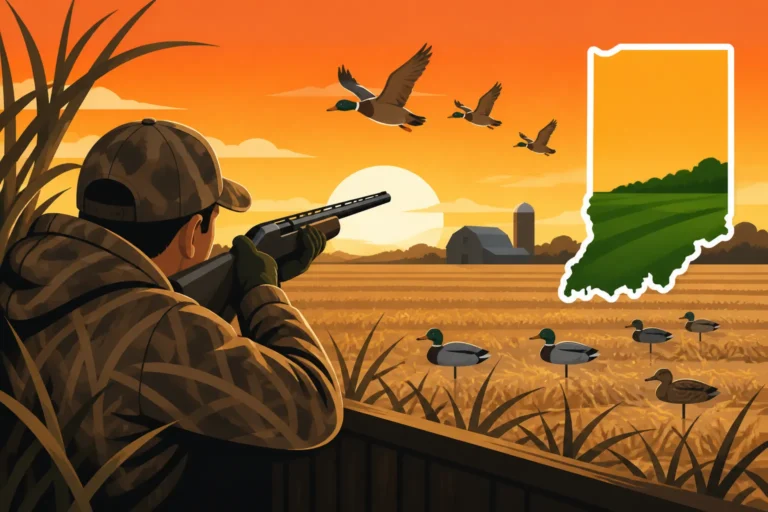
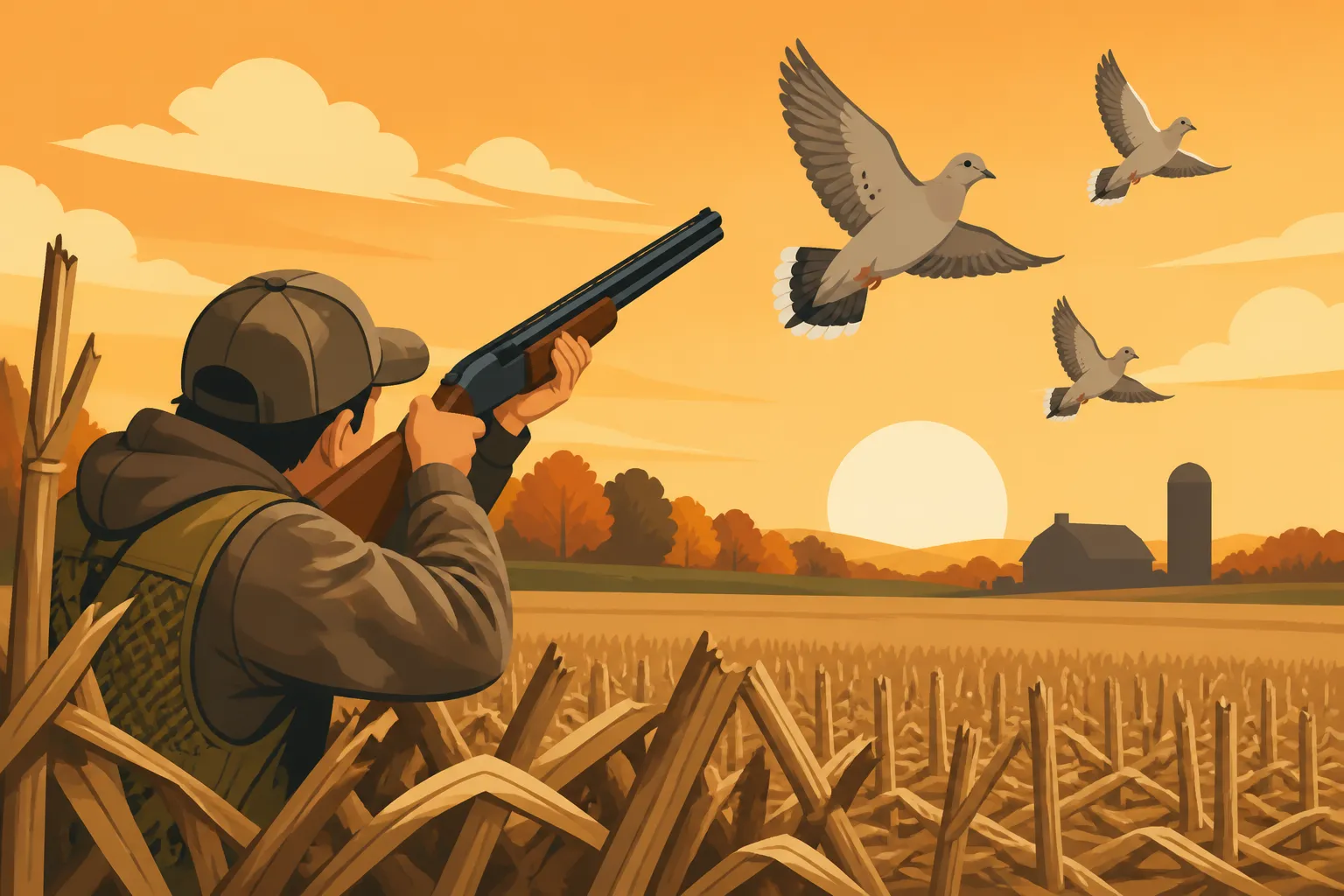
There's nothing quite like the rush of an opening day dove hunt in Indiana. That crisp late-summer air, the buzz of distant combines, and the anticipation of fast-flying birds – it's a unique thrill. But let's be honest, hitting a field haphazardly can lead to a lot of sitting and watching empty skies, leaving you wondering if you're doing something wrong. Finding those elusive dove hot spots and setting up correctly in a cut field can feel like a guessing game, especially when birds seem to vanish into thin air. This guide is all about cutting through that frustration and equipping you with the know-how to consistently find and harvest doves in Indiana's abundant cut fields.
Understanding Dove Behavior in Indiana Fields
To consistently find success in the dove fields, you first need to get inside the head of a mourning dove. They aren't just flying around randomly; their movements are dictated by a few core needs: food, water, grit, and a safe place to roost. Understanding these drivers is the first step to unlocking their patterns.
Why Cut Fields Are Dove Magnets
Cut agricultural fields are absolute magnets for doves, and it’s not just by chance. Think about it: a combine rolls through, harvesting corn, wheat, or sunflowers, and what's left behind? A veritable smorgasbord of dropped seeds. Doves are primarily seed-eaters, and these fields offer an easy, calorie-rich feast. They don't have to work nearly as hard to find food in a recently cut field compared to, say, a dense woodlot.
Beyond the food, these fields often provide other crucial elements. Doves need grit – tiny pebbles and sand – to help their gizzards break down seeds. You'll often find them congregating along dirt roads, bare patches, or gravel areas within or adjacent to these fields to pick up this essential digestive aid. Water sources are also critical. While doves can fly surprising distances for water, a pond, creek, or even a muddy ditch near a feeding field will concentrate birds, especially during dry spells. You'll see them fly directly from a feeding area to a water source and back again. Finally, open cut fields, especially those with scattered trees or power lines on the edges, offer perfect perching and loafing areas, allowing them to survey for predators before dropping down to feed. This combination of food, grit, water, and security makes cut fields the ultimate dove destination.
Key Dove Flight Patterns
Doves are creatures of habit, and their daily routines often follow predictable patterns, especially around feeding areas. Understanding these patterns is key to positioning yourself for success. Generally, doves have three main movements throughout the day: morning, midday, and evening. In the morning, often shortly after sunrise, birds will leave their roosts and head straight for feeding grounds, like those cut fields. This flight can be fast and direct as they're eager to fill their crops. After a morning feed, they might spend the midday hours loafing on power lines, dead trees, or field edges, digesting their meal and preening.
As the late afternoon approaches, especially a couple of hours before sunset, the evening flight begins. This is often the most consistent and productive time for hunters. Doves will again descend on feeding fields, stocking up before heading back to their roosts. Their approach angles to a field can be surprisingly consistent, often using prominent landscape features like tree lines, fencerows, or creek bottoms as flight corridors. Pay close attention to these natural funnels during scouting. You might notice them crossing a specific corner of a field every time, or following a particular treeline before dropping in. Observing these tendencies, perhaps by using scouting tools from brands like GoHunt, can help you pick the perfect ambush point.
Impact of Weather on Dove Movement
Just like any other wild game, doves are influenced by the weather, and understanding these shifts can give you a significant edge. A bright, sunny day with light winds is often ideal. Doves will be active, flying between feeding and watering sites, and their flight patterns tend to be more predictable. However, don't write off less-than-perfect weather.
Consider the effect of a cold front. A sharp drop in temperature, especially if it brings a strong north wind, can sometimes trigger a noticeable push of migratory doves, increasing the number of birds in your area. On the flip side, sustained high heat and humidity can make doves less active during the middle of the day, pushing their movements more towards early morning and late evening when temperatures are cooler. Heavy rain, while often shutting down hunting temporarily, can concentrate birds around newly formed puddles or moist ground once it stops. Strong winds, regardless of temperature, will make doves fly lower and often use the lee side of treelines or buildings for shelter, which can alter their flight paths into a field. Learning to read these weather cues will help you adjust your strategy and expectations.
Scouting and Setting Up Your Indiana Dove Hunt
Success in dove hunting a cut Indiana field isn't just about showing up with a shotgun; it's about smart scouting and strategic setup. This is where you put your understanding of dove behavior into action, turning a good field into a great hunting spot.
Identifying Prime Cut Fields
The first, and arguably most critical, step is finding the right field. Not all cut fields are created equal. Doves are primarily attracted to seeds, so knowing what crops were grown is vital. Wheat and milo fields, once harvested, are often prime candidates because they leave behind abundant seeds that doves absolutely adore. Cut cornfields can also be excellent, especially if the combine left a fair amount of shelled corn on the ground. Sunflower fields are another top-tier choice; doves love sunflower seeds, and the stalks often provide good perching opportunities. But don't overlook less obvious choices like cut hayfields with abundant ragweed or other natural weed seeds.
When scouting, look for multiple signs. Not just the cut crop, but actual dove activity. Are you seeing birds flying in and out? Are they loafing on power lines or dead snags nearby? Get out there a few days before the season or your planned hunt and watch. Look for white droppings on the ground or under power lines, which is a sure sign of frequent dove use. Pay attention to their flight paths. Do they consistently come in from a particular direction? Do they funnel through a gap in a treeline? This information is gold. Also, remember that doves need water and grit, so a field with a nearby pond, creek, or a gravel road will be more productive. If you're using an app like GoHunt, you can zoom in on aerial photos to identify potential water sources, power lines, and neighboring fields that might hold birds.
Strategic Blind Placement
Once you've identified a promising field and observed dove flight patterns, the next step is strategic blind placement. Doves have excellent eyesight, and they will flare if they spot you. The key is to be concealed but also have clear shooting lanes. If you're hunting public land, you'll need to use what's available naturally. A fencerow with tall weeds, a patch of standing corn, or the edge of a timber block can provide excellent cover. On private land, you might have the option to set up a pop-up blind or even create a natural blind by cutting some branches, but always ensure you have permission to do so.
Think about the sun's position. You want the sun at your back, or at least to your side, so doves aren't looking directly into it as they approach, making it harder for them to see you. Also, consider the wind. Doves, like most birds, prefer to land and take off into the wind. If you can set your blind up so that approaching birds are flying into the wind, they will often slow down slightly and offer better shots. Look for those natural flight corridors you observed during scouting. If birds are consistently cutting across a particular corner, that's where you want to be. Don't be afraid to move your blind if the birds aren't cooperating. Sometimes a small adjustment of 20 or 30 yards can make all the difference. For more insights into how to pick the perfect spot, you might want to check out this guide on Scouting Indiana Public Land Before Season.
Decoy Strategies for Drawing Doves In
Doves are social birds, and decoys can be incredibly effective at drawing them into range. There are a few main types of decoys, and using them correctly can significantly increase your success rate. Stationary clip-on decoys are the most basic. Clip them onto fences, dead branches, or even short stakes in the field. The goal is to make it look like a flock of doves is already feeding or resting in your spot. A dozen or so scattered within shooting range can be very convincing.
Motion decoys are where things really get interesting. A spinning-wing decoy, like a Mojo Dove, mimics a dove landing and creates a flash that can be seen from a long distance. These are often the single most effective decoy for doves. Place them high enough to be visible, ideally above the actual stubble of the field, and close enough to your blind that incoming birds will commit to them. Pair a couple of spinning-wing decoys with a dozen or more stationary decoys to create a realistic spread. Consider how many birds you're seeing; on a slow day, a smaller, more subtle spread might work, but on a hot field, a large, aggressive spread can pull in more birds. Some hunters even use kite decoys that float high in the air, mimicking a soaring dove, to draw attention from further away. Remember, the goal is to convince passing doves that your spot is a safe, attractive place to land.
Essential Gear and Tactics for Field Hunting
Once you've scouted, understood dove behavior, and picked your spot, it's time to talk about the tools of the trade and how to use them effectively. Having the right gear, combined with smart shooting tactics, will maximize your opportunities.
Shotgun and Ammunition Choices
For dove hunting, a lightweight, fast-swinging shotgun is your best friend. Doves are incredibly agile and fly at impressive speeds, often changing direction on a dime. A 12-gauge or 20-gauge shotgun is the most common choice, with the 20-gauge being a favorite for its lighter recoil and ease of carry during long days in the field. An improved cylinder or modified choke is generally ideal, offering a good balance of pattern density and spread for these close-to-medium range shots. Too tight a choke and you'll miss a lot; too open and you might wound birds.
As for ammunition, you'll want light field loads. Number 7.5 or 8 shot are the most popular choices for doves. These smaller pellets provide a dense pattern, increasing your chances of hitting the fast-moving targets, and have more than enough energy to humanely harvest doves. Given how many shots you might take in a good dove hunt, buying a flat (10 boxes) of shells isn't uncommon. While you might use a similar gauge for other birds, specific shotgun gauge choice can vary; for doves, speed and pattern density are paramount. Always carry enough shells, because once the birds start flying, you won't want to leave the field!
Concealment and Comfort
Good concealment is paramount for dove hunting. Doves have incredible eyesight, and they will quickly pick out an uncamouflaged hunter, flaring out of range. Full camouflage clothing, including a face mask or face paint, is highly recommended. Make sure your clothing blends with the field you're hunting – a green pattern for a lush field, or a more tan/brown pattern for a dry, cut field. Remember that Indiana's Blaze Orange Requirements typically apply during firearms deer season, but for dove hunting, stealth is key, so no blaze orange is needed unless other seasons overlap or regulations change for specific public lands.
Comfort is also a major factor, especially if you plan to sit for several hours. A comfortable chair or stool is essential. Many hunters prefer a dove stool with a built-in backrest. A five-gallon bucket with a padded lid can also work double duty as a seat and gear carrier. If you're using a ground blind, make sure it's well-brushed in with natural vegetation. Good boots are important for navigating potentially uneven or muddy fields, and a small daypack can hold your shells, water, snacks, and any retrieved birds. Think about the long game: being comfortable means you can stay focused and stay in the field longer when the birds are flying.
Ethical Hunting and Bird Retrieval
Ethical hunting isn't just about following the law; it's about respecting the game and minimizing waste. When dove hunting, this means taking clean shots and making every effort to retrieve downed birds. Doves are small and can be hard to find in stubble, especially when multiple birds are falling. A good rule of thumb is to "mark your bird" – keep your eyes on it from the moment it's hit until it touches the ground. If possible, use landmarks like a fence post or a tall weed to pinpoint its location.
Wing-tipping birds, or birds that are hit but continue to fly a short distance and glide, can be especially challenging to find. If you have a well-trained retrieving dog, this is where they truly shine. A good retriever can significantly reduce lost birds and make your hunt far more enjoyable. Even without a dog, being diligent about retrieval is crucial. Never leave a downed bird to waste. This practice demonstrates respect for the animal and ensures you're upholding the highest standards of sportsmanship.
Navigating Indiana's Dove Hunting Regulations
Understanding and adhering to Indiana's specific hunting regulations is non-negotiable for a legal and successful dove hunt. Rules and seasons can change, so always consult the latest Indiana DNR Hunting & Trapping Guide before heading afield.
License and Stamp Requirements
Before you even step foot in a cut field, you need to ensure all your paperwork is in order. For Indiana residents and non-residents alike, a valid Indiana hunting license is required. Beyond that, all migratory bird hunters, including dove hunters, must also possess a Harvest Information Program (HIP) endorsement. This endorsement is free but mandatory and helps the U.S. Fish and Wildlife Service gather vital data on migratory bird harvests. You can usually get this added to your license when you purchase it, or separately through the Go Outdoors Indiana website. While doves are not ducks, you should always double-check if any other federal stamps are required for other migratory birds you might pursue. For comprehensive information, you can always refer to the Indiana Hunting Licenses and What They Cost guide.
Bag Limits and Shooting Hours
Indiana has specific daily bag limits and possession limits for doves. These limits dictate how many birds you can harvest in a single day and how many you can have in your possession after multiple days of hunting. Always know these numbers and stick to them. Exceeding bag limits is a serious offense.
Equally important are the legal shooting hours. For doves, hunting typically begins a half-hour before sunrise and ends at sunset. It's crucial to consult the official Indiana DNR sunrise/sunset tables for your specific hunting dates and location, as these times vary throughout the season. Shooting outside of these hours is illegal and can result in severe penalties. Be sure your watch is accurate and plan your arrival and departure from the field accordingly.
Safety and Respect on Public and Private Land
Safety should always be your number one priority when hunting. This includes basic firearm safety, such as always pointing your muzzle in a safe direction, being sure of your target and what's beyond it, and keeping your finger off the trigger until you're ready to shoot. In a fast-paced dove hunt with multiple hunters, communication is key. Always know where other hunters are located in the field.
Respect for the land and landowners is also paramount. If you're hunting private land, ensure you have explicit permission from the landowner. A simple verbal "yes" is a good start, but written permission is always better and can prevent misunderstandings. Being a courteous hunter—picking up your spent shell casings, not driving off designated paths, and leaving gates as you found them—goes a long way in securing future access. If you're on public land, be aware of others and follow all posted rules and regulations, especially those regarding vehicle access and Treestand Rules on Indiana Public Land (even though treestands aren't typical for dove, the principle of respect for public land rules applies). For those considering hunting in popular areas, it's worth familiarizing yourself with Public Dove Field Draw Rules if applicable to your chosen spot. Remember, ethical behavior ensures positive experiences for everyone and helps preserve our hunting traditions for generations to come.
Indiana Dove Hunting Quick Reference Table
| Aspect | Key Considerations | Ideal Conditions / Choices |
|---|---|---|
| Field Type | Seed availability, presence of grit/water, loafing areas | Cut wheat, milo, sunflower, corn; nearby pond/creek, gravel road |
| Flight Patterns | Morning feed, midday loaf, evening feed; use of natural funnels | Scouted flight lines, edges of timber, fencerows |
| Weather Impact | Cold fronts, high heat, wind direction | Sunny, light winds; strong winds cause lower flight; post-rain puddles |
| Blind Placement | Concealment, shooting lanes, sun/wind direction | Natural cover (weeds, fencerows), sun at your back, wind for incoming birds |
| Decoys | Attracting distant birds, mimicking feeding/resting flock | 1-2 spinning-wing (Mojo Dove), 1-2 dozen stationary clip-ons |
| Shotgun | Weight, swing speed, gauge | 12 or 20 gauge; semi-auto or over/under preferred |
| Choke | Pattern density for small, fast targets | Improved Cylinder or Modified |
| Ammunition | Pellet size, load for doves | 7.5 or 8 shot; light field loads |
| Concealment | Blending with environment, breaking up outline | Full camouflage matching field colors, face mask |
| Required License | State hunting license, migratory bird endorsement | Valid Indiana Hunting License, HIP endorsement (Check Go Outdoors Indiana) |
| Bag Limits | Daily and possession limits (refer to current DNR guide) | Always check current Indiana DNR regulations |
| Shooting Hours | Legal hunting times | Half-hour before sunrise to sunset (check DNR sunrise/sunset tables) |
Disclaimer
The information provided in this guide is for general informational purposes only and is subject to change. Hunting regulations, seasons, and licensing requirements in Indiana are set by the Indiana Department of Natural Resources (DNR) and can be modified at any time. It is the responsibility of every hunter to consult the most current Indiana Hunting & Trapping Guide and all applicable federal regulations before engaging in any hunting activities. Always prioritize safety, ethical hunting practices, and respect for wildlife and private property.