Knocking on Doors in Indiana Farm Country
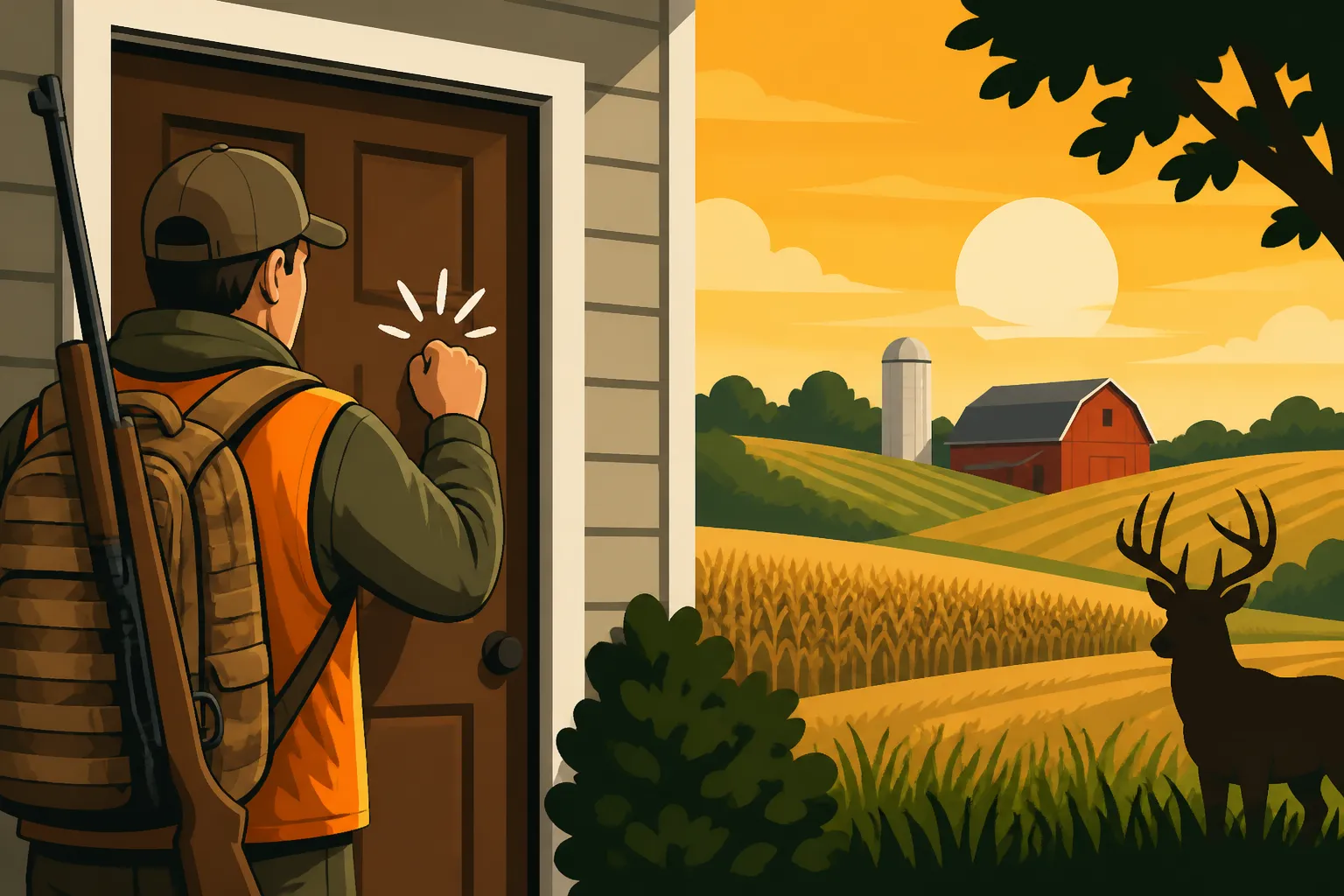
The thought of approaching a complete stranger, knocking on their door, and asking for permission to hunt on their land can feel incredibly daunting, maybe even a little old-fashioned in our digital age. It’s a situation that brings up feelings of awkwardness, fear of rejection, and a general sense of unease for many hunters. But let me tell you, that uncomfortable feeling is exactly what keeps many people from doing it, and that reluctance means there’s a real opportunity for you to gain access to some fantastic hunting grounds in Indiana, far away from the public land crowds. This guide is all about giving you the confidence and practical steps to successfully knock on doors and secure private land hunting access in Indiana farm country.
The Enduring Value of Direct Communication in Hunting
In a world overflowing with digital maps and online forums, it's easy to assume that all the good hunting spots are either locked down by leases or overrun by public access. Many hunters spend countless hours endlessly scrolling through apps, trying to find that one overlooked corner of a state forest, only to arrive opening morning and find four other trucks already parked there. This frustration is real, and it's a primary reason why many give up on hunting or stick to the same overcrowded spots year after year.
However, the truth is, a tremendous amount of prime hunting land in Indiana remains privately owned, especially in the agricultural heartland. These landowners often deal with wildlife populations, particularly deer and sometimes turkeys, that can cause significant damage to their crops or simply be a nuisance. They might not be hunters themselves, or they might be getting too old to get out as much as they used to. This creates a genuine need for responsible hunters, and that's where you come in.
Why Face-to-Face Beats Digital for Private Access
While apps like onX or GoHunt are absolutely phenomenal for scouting and understanding property lines, they can't build a personal connection. A text message or an email asking for permission can easily get lost in the shuffle or simply be dismissed as impersonal. Think about it: when someone shows up at your door, respectfully introduces themselves, and looks you in the eye, they've immediately made a stronger impression. This direct interaction allows you to convey sincerity, trustworthiness, and your commitment to respecting their property—qualities that are incredibly important to landowners.
Often, landowners are wary of strangers, and for good reason. They’ve heard stories of unethical hunters, damaged property, and folks who don't bother to ask permission. By taking the time to present yourself in person, you're already differentiating yourself from the less considerate individuals. You're showing them that you respect their time and their property enough to make a direct appeal. It's an old-school approach that still carries significant weight and often yields the best results in securing those coveted private land spots, especially if you're targeting areas like those found when Hunting Northern Indiana Farmland Deer.
Understanding Landowner Needs and Motivations
Most landowners aren't looking to get rich off hunting leases, especially in Indiana. While Indiana Hunting Lease Costs exist, many smaller farmers or property owners simply want help managing game populations, or they appreciate the peace of mind knowing that a responsible individual is watching over their land. Deer, in particular, can be incredibly destructive to corn and soybean fields, and a farmer often welcomes someone who can help thin the herd, especially when it comes to antlerless deer.
For instance, a farmer might have significant crop damage from deer along a particular woodlot edge. They might be open to someone hunting that specific area, even if they're not keen on hunters roaming their entire property. Or perhaps they have an issue with coyotes preying on their livestock or pets, and they'd be thrilled to have a hunter help with predator control. Understanding these potential motivations beforehand, or being prepared to ask about them, can significantly increase your chances of getting a "yes." It's about offering a solution to a problem they might have, rather than just asking for a favor.
Essential Preparation Before You Knock
You wouldn't head into the woods without your rifle or bow, and you certainly shouldn't knock on a farmer's door without some serious homework. Preparation is absolutely paramount to increasing your odds of success and making a good first impression. This isn't just about knowing what to say, but knowing who to say it to, and what you're asking for.
Digital Scouting and Property Research
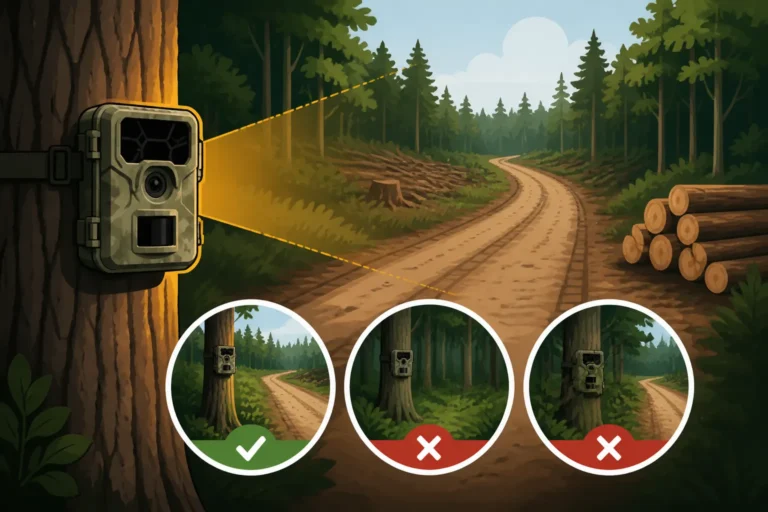
Before you ever leave your couch, fire up your favorite mapping app. GoHunt, for example, offers incredible satellite imagery, topo maps, and crucially, often includes property ownership overlays. This allows you to identify potential hunting properties, understand their boundaries, and most importantly, find the landowner's name and address. Targeting parcels that have good cover, food sources like standing corn or beans, or natural funnels between woodlots increases your chances of finding quality hunting, and also gives you specific points to discuss with the landowner. Remember, you're trying to find Where to Hang a Camera on a Logging Road or Hunting a Funnel Between Two Woodlots on their property.
Look for key features: woodlots adjacent to crop fields, creek bottoms, thick fencerows, or un-mowed areas. These are all places deer and turkeys love to frequent. Pay attention to how close a property is to public land—sometimes a smaller private parcel can act as a sanctuary right next to heavily pressured public ground. Make a list of 5-10 properties in an area you’re interested in, noting the landowner's name, address, and any specific features you've identified that might make it a good hunting spot. This research also gives you talking points beyond just a generic "Can I hunt here?"
Timing, Attire, and Demeanor
The old adage "first impressions last" is incredibly true when asking for hunting permission. Think about when you're most approachable. Is it while you're rushing out the door, or while you're relaxing on a Sunday afternoon? Aim to knock on doors during non-peak hours, typically mid-morning or late afternoon, avoiding meal times (especially supper) or early mornings when farmers are likely busy with chores. Weekends can be good, but again, be mindful of church services or family time. A Tuesday afternoon, when many farmers might be doing paperwork or less urgent tasks, could be perfect.
Your appearance matters. You don't need to be in a suit and tie, but clean, casual attire that is respectful is essential. Avoid showing up in your full camo hunting gear with a rifle slung over your shoulder—it can be intimidating and give the wrong impression. A clean pair of jeans, a collared shirt, and clean shoes are usually appropriate.
Approach the door with a calm, friendly, and respectful demeanor. Make sure to smile, make eye contact, and speak clearly. Landowners are often sizing you up from the moment they see you approach their property. You want to convey responsibility, respect, and trustworthiness right from the start.
What to Bring With You
Having a few key items can make a huge difference:
- A simple, professional introduction: Something like, "Hello, my name is [Your Name], and I was wondering if I could speak with you for a few minutes about hunting on your property."
- Your hunting license and ID: Be prepared to show these immediately if asked. This demonstrates you are a legal, licensed hunter.
- A written request or "hunter's resume": This is a business card-sized note or a small printed card that includes your name, phone number, email, and maybe a brief statement about your ethical hunting practices. You can also include a line like "Will share venison" or "Happy to help with chores." This leaves them with your contact info even if they're not ready to decide on the spot.
- A pen and small notebook: To jot down notes, specific instructions, or contact details.
- A small gift (optional but often appreciated): This could be a local bakery item, a gift card to a local hardware store, or even a sample of your homemade jerky. It’s not a bribe, but a gesture of goodwill and appreciation for their time.
- Aerial maps (optional): A printed aerial map of their property, perhaps with the areas you're interested in subtly highlighted, can show you've done your homework and have a specific plan, not just a vague request. This is where tools like GoHunt really shine, allowing you to print high-quality maps.
The Art of the Ask: Conversations That Get Results
This is where many hunters stumble, not knowing exactly what to say or how to navigate the conversation. Remember, you're not just asking for access; you're trying to build a potential relationship. Approach it like you're applying for a job, because in a way, you are: the job of a responsible hunter on their land.
Crafting Your Opening Statement
When the door opens, start with a clear, polite introduction. "Good afternoon, my name is [Your Name]. I apologize for bothering you, but I'm an avid hunter from [Your Town/Area], and I noticed your property has some fantastic habitat for deer/turkeys. I was hoping to speak with you briefly about the possibility of hunting here this season."
Keep it concise and respectful. If they seem busy or hesitant, offer to come back at a more convenient time. "It looks like you might be busy, I completely understand. Would there be a better time for me to stop by, or perhaps I could leave my contact information with you?" Always prioritize their comfort and schedule.
Highlighting Your Responsibility and Respect
Once you have their attention, immediately reassure them of your commitment to ethical hunting and respect for their property. This is your chance to shine.
- Emphasize safety: "Safety is my absolute top priority. I'm a certified hunter education graduate, and I'm always mindful of property lines, livestock, and any other activities on your land." (This is where Indiana Hunter Education Requirements come into play, showing you're properly trained.)
- Discuss property care: "I always pack out everything I pack in, and I'd treat your land with the utmost respect, just as I would my own. I'm very careful about gates, fences, and not disturbing livestock."
- Offer to help: "If you ever have any issues with deer damage to your crops, or perhaps need an extra hand with chores around the farm, I'd be more than happy to help out as a thank you."
- Be specific about what you're asking for: Instead of a blanket "Can I hunt here?", ask about specific species (deer, turkey, small game) or even specific areas of the property (e.g., "I was hoping to hunt the timbered area along the creek bottom for deer, as I noticed some good sign there"). This shows you've done your homework and aren't just looking to stomp through their fields.
Handling "No" Gracefully
Not every door knock will result in a "yes," and that's perfectly okay. Don't take it personally. A "no" might mean they already have hunters, they don't want hunting on their land, or they simply don't trust strangers. Regardless of the reason, accept their decision with grace and thank them for their time.
"I completely understand. Thank you so much for taking the time to speak with me today. If you ever change your mind, or if you know of anyone else in the area who might be looking for a responsible hunter, please feel free to give me a call." Hand them your contact card. Leaving on a positive note, even after a "no," can sometimes open doors down the road. They might remember your politeness and recommend you to a neighbor, or even reconsider if their current hunting arrangement falls through.
Nurturing the Relationship: Beyond the Initial "Yes"
Congratulations, you got permission! That's a huge step, but the work isn't over. In fact, this is where the real "hunting" begins—not just for game, but for building a lasting, positive relationship with the landowner. Treating their property and their trust with the utmost respect is paramount to maintaining access for years to come.
Clear Communication and Setting Expectations
Before you even step foot on their land with your gear, ensure you have a clear understanding of the rules and expectations. This is the time to ask all your questions:
- Access points: Where should you park? Which gates can you use? Are there specific paths or roads you should stick to?
- Boundaries: Be absolutely clear on where the property lines are. If necessary, walk the boundaries with them or confirm them on your mapping app. You do not want to accidentally trespass on a neighbor's property, which could jeopardize your permission.
- When to hunt: Are there specific days or times they prefer you not hunt? Are there certain areas to avoid during planting or harvest season, or if they have guests?
- Reporting harvests: Do they want to know when you harvest an animal? This is especially important if you're helping with deer management.
- Guest policy: Can you bring a friend or family member along? Always assume "no" unless explicitly told "yes." If you do bring someone, they must follow all the same rules and act with the same respect.
- Contact method: How do they prefer you communicate? Text, call, or knock on the door?
It's often a good idea to offer to provide them with a written agreement, even a simple one, outlining the permission and rules. While Do You Need Written Permission in Indiana? might suggest it's not strictly required by law in all cases for simple trespass, it certainly adds clarity and comfort for both parties. This shows your professionalism and attention to detail.
Being a Stellar Land Steward
This is your golden rule: leave the property better than you found it.
- Cleanliness: Pack out every single piece of trash, yours and any you might find. If you field dress an animal, do so in a discreet, out-of-the-way location.
- Gates and Fences: Always leave gates exactly as you found them—open if open, closed if closed. If you notice a fence needing repair, bring it to the landowner's attention or offer to fix it if you're capable.
- Respect crops and livestock: Stay out of standing crops whenever possible. If you must cross a field, stick to the edges or pre-existing tracks. Give livestock a wide berth and never harass them.
- Report anything unusual: If you see anything out of place, like trespassers, downed fences, or suspicious activity, report it to the landowner immediately. You are now their extra set of eyes and ears.
- Share your bounty: If you get a deer or turkey, offer some of the meat to the landowner. It's a fantastic gesture of appreciation and a tangible way to say thank you. Many will decline, but the offer itself is what matters. This is especially poignant if you're focusing on Late-Season Food Sources for Indiana Whitetails and succeed.
The Power of Follow-Up
Your relationship doesn't end when the season does. A simple thank-you card or a phone call after the season to express your gratitude goes a long way. Maybe drop off a small Christmas gift, like some venison jerky or a local treat. Checking in periodically, even in the off-season, to see if they need any help or just to say hello, reinforces that you're not just there for hunting season.
This long-term perspective is what transforms a one-time permission into multi-year access, and potentially opens doors to other properties. Landowners talk to each other, and if you're known as a responsible, respectful hunter, your reputation will precede you. This is how you really build a network of private land access, far beyond what any digital map can provide.
Here's a quick summary of key considerations for knocking on doors:
| Category | Do's | Don'ts |
|---|---|---|
| Preparation | Scout with apps (GoHunt), identify landowners, dress neatly | Show up unannounced in camo, go without landowner's name |
| Approach | Be polite, introduce yourself, state your purpose clearly | Be overly aggressive, demand permission, ignore their busy schedule |
| Conversation | Emphasize safety & respect, offer solutions (deer issues) | Make vague requests, act entitled, forget your license/ID |
| After "Yes" | Clarify rules, confirm boundaries, offer help/game | Assume permission is indefinite, trespass, disrespect property/rules |
| Long-Term | Follow up, offer thanks, be an extra set of eyes | Disappear after season, leave trash, bring unapproved guests |
Remember, every "no" is just practice for the next "yes." And every "yes" is an opportunity to build a valuable connection and enjoy some of the best hunting Indiana has to offer, away from the crowds. Don't be afraid to knock!
Disclaimer
Hunting is a demanding activity that carries inherent risks. Always prioritize safety, adhere to all local, state, and federal hunting regulations, and ensure you have the necessary licenses and permits. The information provided in this guide is for informational purposes only and does not constitute legal advice. Always verify specific regulations with the Indiana Department of Natural Resources (DNR) or other relevant authorities. It is your responsibility to understand and comply with all applicable laws and safety guidelines.