Do You Need Written Permission in Indiana?
It's happened to all of us: you're out scouting, or maybe even hunting, and you spot that perfect little woodlot or a beautiful field edge that just screams "deer." Your heart races, but then you realize it's private land, and the big question looms: "Do I need written permission to hunt here in Indiana?" The uncertainty can be enough to make you second-guess yourself and worry about legal trouble, even when you're trying to do everything right. This guide will walk you through Indiana's private land hunting regulations, explaining when written permission is truly required, when verbal permission suffices, and how to navigate landowner relations responsibly, ensuring your hunts are both successful and legal.
Understanding Indiana's Trespass Laws for Hunters
Navigating private land can be tricky, and the rules around permission are often misunderstood. As hunters, it's our responsibility to know the law inside and out, not just to avoid penalties, but to respect property rights and maintain a positive image for our sport. Indiana has specific guidelines that dictate what constitutes legal access to private property, and it's not always as simple as a handshake.
The Basics: What Constitutes Trespassing?
At its core, trespassing in Indiana means entering or remaining on someone else's property without permission. This applies whether the land is posted with "No Trespassing" signs or not. The burden of proof for permission often falls on the person entering the land. You can't just assume a field is abandoned or that a woodlot is open for public use because you don't see fences or signs. That's a common misconception that can land you in hot water. Imagine driving down a rural road and seeing a beautiful patch of timber. You might think, "No houses around, no signs, looks like good hunting." But that land absolutely belongs to someone, and without their explicit permission, stepping onto it, even for a moment, is considered trespassing. The intent might not be malicious, but the legal consequence can still be severe.
Verbal vs. Written Permission: What the Law Says
This is where a lot of confusion arises for hunters in Indiana. Legally, Indiana generally recognizes both verbal and written permission for recreational activities like hunting. A landowner can verbally grant you permission to hunt their property, and under most circumstances, that verbal agreement is considered valid. You might knock on a farmer's door, introduce yourself, and after a friendly chat, they say, "Sure, go ahead and hunt my back forty." That's often enough. However, relying solely on verbal permission can become problematic if there's ever a dispute, if the landowner forgets they gave you permission, or if someone else, like a family member, misunderstands the situation.
While verbal permission is often sufficient, written permission is always the safer, more iron-clad option. It eliminates ambiguity. If a game warden or another individual questions your presence, a signed piece of paper or a text message exchange from the landowner documenting their consent is incredibly powerful. For instance, if you're hunting a small woodlot bordering a housing development, and a new homeowner calls the DNR on you, having a clear, written agreement can resolve the situation quickly and without stress. While the law generally accepts verbal consent, it doesn't hurt to cover your bases, especially when dealing with property boundaries that might be less than clear. For a deep dive into the legal nuances, you can check out Indiana Trespass and Permission Law.
Consequences of Hunting Without Permission
Hunting without permission isn't just a minor infraction; it can carry significant legal penalties. In Indiana, trespassing can range from a Class B misdemeanor to a Class A misdemeanor, depending on the circumstances. A Class B misdemeanor can lead to fines and even jail time, while a Class A misdemeanor carries even stiffer penalties. Beyond the legal ramifications, there are practical consequences that can affect your hunting future. You could lose your hunting license, face civil lawsuits from the landowner, and certainly damage your reputation within the local hunting community.
Think about the long-term impact: if you're caught trespassing, that negative interaction could make future landowners in the area far less likely to grant anyone permission. It makes it harder for all of us. No hunter wants to be known as "that guy" who couldn't be trusted. It's about respecting private property, showing courtesy to landowners, and ensuring hunting remains a privilege for everyone. Ignoring permission requirements not only jeopardizes your own ability to hunt but also creates a perception problem for hunters as a whole.
Navigating Private Land Access: Best Practices for Hunters
Securing private land access is a skill, and it's one that every responsible hunter should cultivate. It often involves more than just asking; it's about building trust and understanding.
The Art of Asking for Permission
Knocking on a stranger's door to ask to hunt can be intimidating, but a thoughtful approach can make all the difference. First, timing is key. Don't show up on opening day with your hunting gear on, expecting instant access. Try to make contact well before the season, perhaps in late summer or early fall. Dress respectfully, not in hunting camo. Have a clear, concise request ready. Introduce yourself, explain why you're there (you saw good sign, you respect their land, etc.), and be prepared to hear "no." A "no" isn't a personal rejection; it's often due to existing agreements, liability concerns, or simply personal preference.
Consider offering something in return. Perhaps you can help with chores, check fences, or share some of your harvest. Many landowners appreciate a deer in the freezer. Be prepared to show your license and insurance if asked. And most importantly, always respect their decision, even if it's not what you hoped for. A polite thank you, regardless of the outcome, leaves a much better impression than arguing. This is the essence of Asking an Indiana Farmer for Permission.
Building Relationships with Landowners
Getting permission isn't a one-time transaction; it's the beginning of a relationship. If a landowner grants you access, treat their property with the utmost respect. Leave gates as you found them, don't litter, stay clear of livestock, and avoid damaging crops or equipment. Communicate regularly. Let them know when you plan to be there and when you're leaving. If you harvest an animal, offer to share the meat or at least show them what you got.
Over time, this consistent respect and communication can build deep trust. You might find yourself with long-term hunting opportunities that others can only dream of. I've known hunters who've gained permission on prime property for decades simply by being respectful, responsible, and helpful. Sometimes it's as simple as helping them fix a fence line, or even just stopping by to chat for a few minutes on occasion, not always about hunting. It's about being a good neighbor, even if you don't live next door.
Utilizing Technology for Property Identification
In today's world, technology has made identifying property boundaries and ownership much easier, which is incredibly helpful when you're trying to figure out who to ask for permission. Tools like onX Hunt or GoHunt have become invaluable resources for modern hunters. These apps allow you to view detailed parcel maps right on your phone, showing property lines, landowner names, and often even contact information. This takes a lot of the guesswork out of finding out who owns that intriguing woodlot you spotted.
Imagine you're driving through rural Indiana, and you see a promising looking patch of woods. Instead of guessing, you can pull up your onX Hunt app, pinpoint your location, and instantly see the parcel boundary and who owns it. This allows you to approach the correct person directly, rather than bothering the wrong landowner. Knowing exactly where property lines are can also help you avoid accidental trespass, a huge benefit. These digital mapping systems can even show you topography, recent satellite imagery, and public land overlays, helping you plan your approach and understand the landscape before you even knock on a door. For more on this, check out onX Layers for Indiana Land Status and Finding Indiana Property Lines.
Specific Scenarios and Special Considerations
While the general rules apply broadly, there are a few specific situations where permission becomes particularly crucial or complicated.
Retrieving Wounded Game on Adjacent Property
This is a scenario that no hunter wants to face, but it's a reality. You make a shot, the deer runs, and you see it go down just over the property line onto land where you don't have permission. What do you do? In Indiana, you generally still need permission to enter that adjacent property, even if it's to retrieve a lawfully shot animal. Simply crossing the line without consent, even with the best intentions, can be considered trespassing.
The best course of action is to immediately try to contact the landowner of the adjacent property. If you used onX Hunt to identify the owner when you first arrived, you might have their number handy. Explain the situation calmly and respectfully. Most landowners, when approached politely, will understand and grant you access to retrieve your game. However, if you cannot reach them, or they deny permission, do not go onto their land. Your options then include contacting the local conservation officer (DNR) to explain the situation; they may be able to assist in retrieving the animal or mediating with the landowner. This can be a stressful situation, but staying within the law is paramount. This issue is explicitly covered in Retrieving Game From Private Land in Indiana.
Hunting Near City Limits and Suburban Areas
Hunting near developed areas, whether it's the outskirts of a town like Carmel or the edges of a smaller community, presents its own set of challenges regarding permission and safety zones. While many suburban areas have "no discharge" ordinances for firearms, archery hunting is often permitted. However, finding land to hunt is tougher, and permission is absolutely non-negotiable and often needs to be more formal.
Landowners in these areas are often more cautious due to increased human activity and potential liability concerns. You'll likely need iron-clad written permission, and they might have specific requests, like hunting only from a ground blind, using specific entry/exit routes, or only harvesting antlerless deer. Always be extra courteous and considerate in these sensitive areas. The consequences of an arrow accidentally straying, or even just the sight of a hunter, can cause alarm among non-hunting residents. Building trust is even more critical here. Some areas might even be designated as Indiana Suburban Archery-Only Zones, where specific rules apply.
Posting Land: What it Means for Hunters and Landowners
"Posted" land is land clearly marked with "No Trespassing" signs or purple paint on trees. While Indiana law states that merely entering someone's private land without permission is trespassing, posted land serves as an undeniable visual warning and strengthens a landowner's case against trespassers. If land is clearly posted, there's absolutely no room for argument that you didn't know you were on private property.
For hunters, this means posted land is off-limits unless you have explicit, direct permission from the landowner. Even if you see a game animal cross onto posted property, your pursuit ends at that boundary without consent. For landowners, posting their property provides a clear deterrent and legal protection. It removes any ambiguity about their desire to keep people off their land. It's an important aspect of property rights for both sides. For detailed information, see Indiana Posted Land Rules.
Documenting Your Permission: When and How
While verbal permission is legally recognized in Indiana, written permission acts as your bulletproof vest against misunderstandings or challenges. It's not always necessary, but it's always a good idea, especially for longer-term arrangements or new properties.
Essential Elements of a Written Agreement
A written permission slip doesn't need to be a complex legal document, but it should contain some key pieces of information to make it effective.
Here's a breakdown of what to include:
| Element | Description |
|---|---|
| Landowner Info | Full name, address, and contact information (phone, email). |
| Hunter Info | Your full name, address, hunting license number, and contact information. |
| Property Details | Legal description of the property, parcel numbers, or a clear physical description (e.g., "the 80-acre woodlot west of Smith Road"). Map attachments (from onX Hunt or a hand-drawn sketch) are excellent. |
| Dates of Access | Specify the exact dates or seasons permission is granted (e.g., "October 1, 2024, to January 31, 2025," or "for the duration of the 2024-2025 deer archery season"). |
| Permitted Activities | Clearly state what you are allowed to do (e.g., "deer hunting with archery equipment," "small game hunting," "scouting"). |
| Specific Conditions | Any rules the landowner sets (e.g., "no vehicle access," "stay clear of the barn," "only harvest antlerless deer," "report all harvests"). |
| Signatures | Signatures of both the landowner and the hunter, with dates. |
This document acts as a clear record for both parties. It protects you by proving you have permission, and it protects the landowner by outlining the terms of that permission.
Benefits of Formalizing Your Access
Beyond legal protection, formalizing your access with a written agreement offers several practical benefits. Firstly, it clarifies expectations. Both you and the landowner are on the same page about what's allowed, when, and where. This prevents awkward conversations later on. Secondly, it can provide peace of mind. You can hunt confidently, knowing that if you encounter another hunter, a game warden, or even the landowner's relative, you have concrete proof of your right to be there.
For landowners, having a clear record of who is on their property, and for what purpose, helps them manage their land and liability more effectively. It can also help them track who they've granted access to, preventing double-booking or confusion. Ultimately, it fosters a more professional and trustworthy relationship between hunter and landowner, which is invaluable.
Practical Tips for Carrying Proof Afield
Once you have that written permission, make sure you can produce it quickly if needed. While having a physical copy tucked into your hunting license holder is excellent, many hunters now rely on digital solutions. A clear photograph of the signed permission slip stored on your phone is perfectly acceptable. Just ensure your phone is charged!
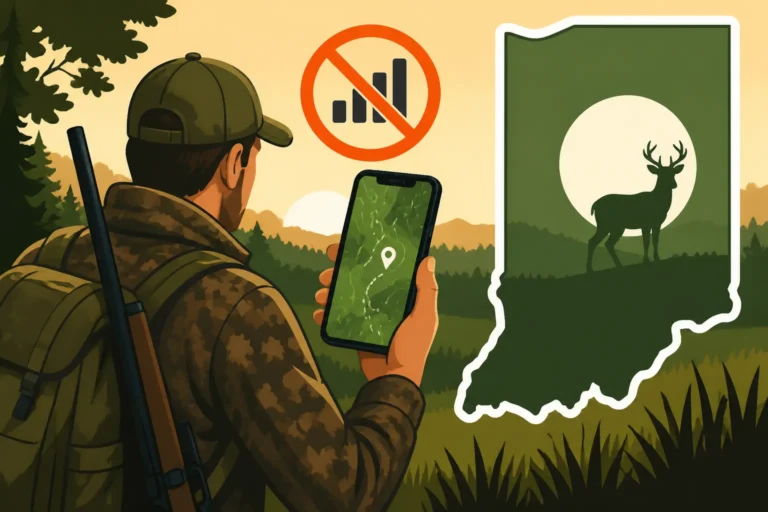
I personally like to email a copy to myself and keep it in a readily accessible folder, and I often screenshot it as well. That way, even if cell service is spotty (which happens a lot in the Hoosier National Forest, for example), I can still pull up the image. Some hunters even laminate a small copy of their permission slip to keep it protected from the elements. The key is that it's with you, legible, and easily presentable upon request. Having your Indiana Property Access Permit Requirement clearly documented and accessible means you can focus on the hunt, not on worrying about unexpected encounters.
Hunting Indiana's private lands is a privilege, and respecting property rights is fundamental to responsible hunting. While verbal permission is often legally sufficient, the peace of mind and protection offered by a written agreement are truly invaluable. By understanding Indiana's trespass laws, approaching landowners with respect, and formalizing your access, you can ensure your hunting experiences are both rewarding and legally sound. Happy hunting, and stay safe out there!
Disclaimer
This article is for general informational purposes only and does not constitute professional advice. Laws, prices and regulations vary by location and change over time. Consult a qualified professional for guidance on your specific situation.