Finding an Indiana Fish and Wildlife Area Near You
Navigating Indiana's public land options for hunting can sometimes feel like trying to find a needle in a haystack, especially when you're looking for prime spots that offer diverse opportunities. It's easy to get lost in maps, regulations, and various state and federal designations. This guide is here to untangle that knot, focusing specifically on how to efficiently find and effectively hunt Indiana's Fish and Wildlife Areas (FWAs), making your planning much smoother and your time afield more rewarding.
Understanding Indiana Fish and Wildlife Areas (FWAs)
Indiana's Fish and Wildlife Areas are truly gems scattered across the state, offering a wide array of outdoor recreation opportunities beyond just hunting. But for those of us who carry a bow or a shotgun, they represent a significant portion of accessible public ground. They're managed by the Indiana Department of Natural Resources (DNR) with a specific mission in mind, which sets them apart from other types of public land you might encounter.
What Makes FWAs Unique?
Unlike state forests or national forests which might have broader timber management or recreational mandates, FWAs are primarily focused on habitat management for fish and wildlife, and then providing public access for hunting, fishing, and trapping. This means the land is actively manipulated to create ideal conditions for various species, whether it's planting specific food plots for deer and turkeys, managing wetlands for waterfowl, or maintaining grasslands for pheasants and rabbits. When you step onto an FWA, you're on ground where wildlife is the priority, and that directly benefits us as hunters.
Think about it: the resources often invested in FWAs mean you'll find designated parking, sometimes even specific check-in stations, and often clear boundary markings. This can be a huge comfort compared to some of the more rugged, less-developed public lands. The active management also means you might find clearer patterns of wildlife movement influenced by the habitat work, which can make your scouting and hunting efforts more productive. They are designed to support robust wildlife populations, which in turn means better hunting prospects for the public.
A Hub for Diverse Opportunities
The "Fish and Wildlife" in their name isn't just for show. These areas are truly diverse ecosystems catering to a multitude of species. While many hunters might initially think of deer or turkey, FWAs also offer fantastic opportunities for waterfowl, small game, and even predator hunting. The varied habitat—from dense timber and brushy fencerows to open fields, marshes, and river bottoms—supports a rich tapestry of wildlife.
For example, a northern Indiana FWA might be renowned for its waterfowl hunting due to extensive marsh and wetland development, while a southern FWA could be celebrated for its rolling hills, mature hardwoods, and the quality deer hunting it offers. Many FWAs also feature designated fishing access, boat ramps, and trails for hiking or bird watching. This multi-use approach means that if your family enjoys other outdoor pursuits, an FWA can be a perfect destination for everyone, even if only one person in the group is carrying a hunting license. It's a place where diverse interests can often converge happily.
How to Locate FWAs and Plan Your Hunt
Finding the right FWA for your hunting adventure is the first crucial step. With so many options scattered across the state, it can feel like a daunting task to narrow down the choices. Thankfully, the Indiana DNR, along with modern mapping technology, has made this process significantly easier. Gone are the days of relying solely on paper maps and cryptic directions.
Leveraging Online Resources
Your best friend for locating FWAs and understanding their general offerings is the Indiana DNR's official website. It’s packed with information, including detailed maps, regulation summaries, and contact information for specific properties. Start by exploring the "Fish and Wildlife Areas" section on the Go Outdoors Indiana platform. You can often filter by region or by the type of game you're interested in pursuing, which can quickly help you identify suitable locations. Each FWA typically has its own dedicated page outlining features like acreage, primary game species, available facilities (like boat ramps or shooting ranges), and any unique rules.
Beyond the general FWA pages, always look for specific property maps. These are invaluable for understanding the layout, identifying key habitat types, and spotting access points. Many FWAs also participate in special managed hunts or have unique sign-in procedures, which will all be detailed on the DNR website. Getting familiar with these online resources before you even leave your couch can save you a tremendous amount of time and frustration once you're on the ground. Checking things like Indiana Deer Season Structure Explained or Indiana Spring Turkey Season Rules can help you align your chosen FWA with the species you want to pursue.
The Power of Mapping Apps
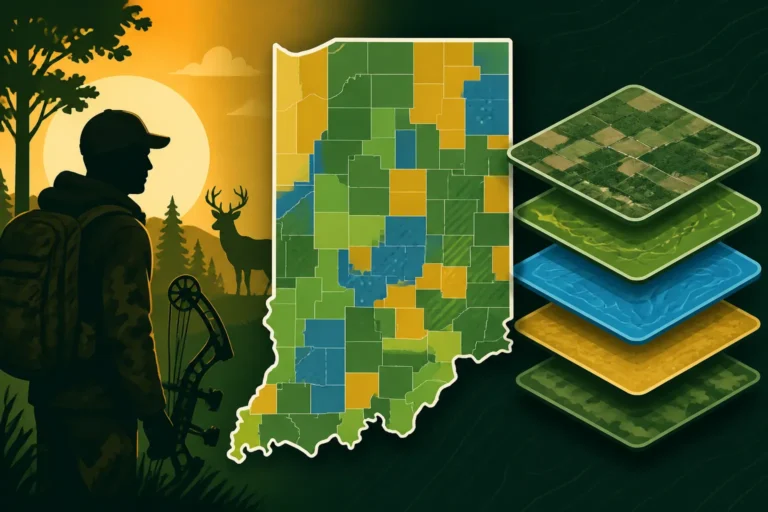
While the DNR website is excellent for initial research, bringing modern mapping applications into the field is a game-changer. Tools like onX Hunt have revolutionized how hunters navigate public land. These apps layer public and private land boundaries directly onto detailed topographic maps and aerial imagery, showing you exactly where you stand in relation to FWA boundaries. This is especially vital when public and private parcels are intertwined or when you're trying to determine if a promising-looking patch of woods is actually accessible.
Imagine being able to identify a subtle creek bottom funnel or a transition line between timber and thick cover, then verifying it's on public land, all from your phone. Applications like onX Hunt or GoHunt allow you to do exactly that. They also let you mark waypoints, track your movement, and measure distances, which is incredibly useful for planning entry and exit routes, particularly in large, unfamiliar areas. When you're Scouting Indiana Public Land Before Season, having these apps means you can pinpoint bedding areas, food sources, and travel corridors with much greater precision. They can literally put the knowledge of property boundaries and landscape features in the palm of your hand, preventing accidental trespass and helping you find those less-pressured spots that often hold more game. For more specific guidance on using these, check out Using the Indiana OnX and DNR Map Tools.
Key Features and Considerations for FWA Hunting
Hunting on Indiana Fish and Wildlife Areas isn't quite the same as hunting private land or even a vast national forest. There are specific procedures, regulations, and environmental factors unique to FWAs that every hunter should be aware of to ensure a successful and compliant outing. Being prepared for these specifics can greatly enhance your experience.
Sign-In Procedures and Regulations
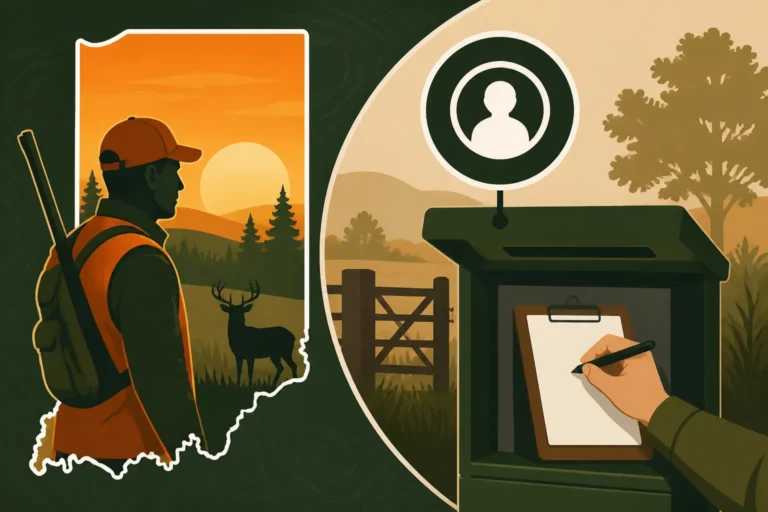
One of the most distinguishing features of many Indiana FWAs is the mandatory check-in/check-out system. This isn't just a suggestion; it's a requirement designed to monitor hunter numbers, collect harvest data, and ensure safety. You'll typically find designated sign-in stations, often at property entrances, where you’ll fill out a card before heading afield and then again when you leave. Some FWAs are moving towards digital sign-in via the Go Outdoors Indiana app or website, so always check the specific FWA's rules beforehand. Missing this step can lead to penalties, so it’s something to take seriously.
Beyond sign-in, each FWA might have its own set of rules regarding things like hunting methods (e.g., archery-only sections), blaze orange requirements (which can sometimes differ from statewide rules), ATV use, or even specific hunting zones. Some might offer special quota hunts for deer or turkey, requiring a pre-application and draw. For instance, an FWA might have a specific regulation about not bringing in outside plant material to prevent the spread of invasive species, or limitations on when you can place or leave treestands. Always read the property-specific regulations thoroughly, which are usually posted at the sign-in stations and available on the DNR website. Ignoring these nuances can quickly turn a good day into a frustrating one. You can learn more about general requirements in Indiana Property Access Sign-In Process.
Habitat Diversity and Game Species
The beauty of FWAs lies in their intentional habitat diversity, which directly correlates to the variety of game species you can pursue. Managers actively work to create mosaics of different cover types – from early successional growth to mature timber, open grasslands, and vital wetland complexes. This means that a single FWA might offer excellent opportunities for several different species throughout the hunting seasons. For example, an area with managed wetlands and adjacent timber could be fantastic for ducks and geese in the fall, then transition into prime deer and turkey habitat later in the season.
When you're researching an FWA, pay close attention to the habitat descriptions. If it's a lowland FWA with extensive cattail marshes and flood-prone timber, think waterfowl and perhaps late-season deer browsing on remaining browse in higher spots. If it's characterized by rolling hills and mature oak-hickory stands, you're likely looking at great deer and turkey potential. Some FWAs are specifically managed with food plots, controlled burns, or timber stand improvements that create ideal conditions for species like pheasants or rabbits, particularly in areas where such habitat might be scarce on private ground. Understanding these habitat differences is crucial for choosing the right FWA for your target species and for developing effective hunting strategies once you’re there.
Common Challenges and How to Overcome Them
Hunting public land, including Indiana's Fish and Wildlife Areas, often comes with its own set of challenges. It's not always a walk in the park; you'll encounter things that demand patience, preparation, and smart tactics. But knowing what to expect and having strategies in place can turn potential frustrations into manageable hurdles.
Dealing with Hunting Pressure
One of the most frequently voiced concerns about public hunting land is pressure from other hunters. On popular FWAs, especially during opening weekends of deer or turkey season, you might find more orange vests or camo patterns than you’d like. This pressure can make game animals more wary, change their patterns, and push them into thicker, less accessible cover. It's a reality we all face.
However, recognizing this challenge allows you to formulate a plan. First, consider hunting during weekdays rather than weekends if your schedule allows. Secondly, study maps (digital or paper) to identify areas that are difficult to access. These "walk-in-only" zones, areas beyond obvious parking lots, or those requiring a significant hike or even a small boat, often see less pressure. Think about what others won't do. Are they going to hike a mile back into a swamp? Are they willing to cross a small creek? Are they going to hunt that tiny, overlooked woodlot most people drive past? Often, the most productive spots are those that require a bit more effort to reach. Finding Ground Others Walk Past is a key skill to develop. Don't be afraid to put in the legwork, and use mapping apps like onX Hunt to ensure you're sticking to public access points while getting away from the crowds.
Navigating Specific FWA Rules
While state hunting regulations provide a general framework, each individual FWA can (and often does) have its own unique set of rules. This can be frustrating, as what's legal and acceptable at one FWA might be prohibited at another just down the road. Common differences might include restrictions on caliber size, whether ground blinds are allowed, specific dates for certain species, or even special lottery systems for certain hunt periods.
The key to overcoming this is diligent research before you go. Never assume that the rules you learned for one FWA apply universally. Always consult the specific FWA's page on the Indiana DNR website or call the property office directly for clarification. Print out the property map and rules to carry with you. When in doubt, ask. Property managers are there to help, and they'd much rather answer a question than deal with a violation. A quick call to the FWA office can prevent a headache and ensure you're hunting legally and ethically. It's an extra step, but it’s a necessary one for a stress-free hunt on public land.
Notable Indiana Fish and Wildlife Areas to Explore
Indiana is dotted with incredible Fish and Wildlife Areas, each offering its own unique flavor of hunting and outdoor adventure. While it's impossible to list them all, highlighting a few prominent ones can give you a taste of the diversity and potential that awaits across the state. These examples illustrate the varied landscapes and opportunities available, from the marshy expanses of the north to the timbered hills of the south.
Northern Indiana FWA Highlights
Northern Indiana FWAs are often characterized by their flat topography, abundant agricultural fields, and critical wetland habitats, making them prime locations for waterfowl and certain upland game. These properties are often managed to provide resting and feeding grounds for migratory birds, as well as habitat for resident populations.
Winamac Fish and Wildlife Area, located in Pulaski County, is a fantastic example. It boasts thousands of acres of diverse habitat, including wetlands, woodlands, and managed grasslands. It's particularly well-known for its excellent pheasant hunting, thanks to consistent stocking efforts, and also offers solid opportunities for deer, turkey, and small game. The property is a testament to habitat restoration, creating a vibrant ecosystem for both resident and migratory species. Many hunters specifically travel to Winamac for its pheasant program, offering a classic upland hunting experience that can be hard to find elsewhere in the state. Winamac Fish and Wildlife Area is a very popular destination.
Another northern gem is Tri-County Fish and Wildlife Area in Kosciusko, Noble, and Whitley counties. As its name suggests, it spans three counties, offering a mix of lakes, marshes, and timber. It's a hotspot for waterfowl hunting, with various pools and wetland units managed for ducks and geese. Beyond waterfowl, Tri-County provides good deer and turkey hunting, especially in its timbered sections, and also has opportunities for small game. The complexity of its water features makes it a challenging but rewarding destination for those pursuing ducks and geese, often requiring scouting and strategic blind placement. Tri-County Fish and Wildlife Area is a great example of diverse habitat.
Willow Slough Fish and Wildlife Area in Newton County is another significant player, offering expansive wetlands, croplands, and some timber. It’s particularly renowned for its waterfowl hunting, drawing hunters from all over for its managed pools and blind draws. The open landscape also provides good opportunities for deer and some upland birds, especially pheasants. The property is managed intensively to attract and hold migratory waterfowl, making it a critical stopover point on the flyway. For hunters passionate about waterfowling, Willow Slough often features on their must-visit list. Read more about Willow Slough Fish and Wildlife Area.
Central and Southern Indiana FWA Gems
As you move south through Indiana, the landscape shifts to more rolling terrain, increasingly timbered hills, and fewer large agricultural complexes, though river bottoms and bottomland hardwoods remain important. Southern FWAs often provide excellent deer and turkey habitat, aligning with the region's reputation for healthy populations of both.
Atterbury Fish and Wildlife Area (formerly Camp Atterbury) in Bartholomew and Johnson counties is a truly unique FWA. Being a former military training facility, it offers a mix of open fields, dense timber, and a challenging landscape. It's primarily known for its excellent deer hunting, often managed through a controlled hunt system, but also offers turkey and small game opportunities. The diverse terrain and past land use create some interesting hunting scenarios, and the property is meticulously managed for wildlife. Hunters here often find themselves in dense woods or navigating old training areas, requiring strategic thinking and adaptability. Learn more about specific management in Atterbury Fish and Wildlife Area.
Further south, Glendale Fish and Wildlife Area in Daviess County is a large and popular FWA known for its impressive diversity. It features a significant lake (Dogwood Lake), expansive wetlands, timber, and agricultural fields. This variety means fantastic waterfowl hunting, along with excellent opportunities for deer, turkey, and small game. The lake and surrounding wetlands make it a haven for migratory birds, and the timbered ridges hold strong deer and turkey numbers. Glendale is often a top choice for hunters seeking a broad spectrum of game animals on one property, and its size allows for various hunting experiences. Glendale Fish and Wildlife Area provides diverse hunting.
Finally, Sugar Ridge Fish and Wildlife Area in Pike and Warrick counties embodies the characteristics of southern Indiana public land. It consists of large tracts of timber, rolling hills, and some reclaimed mine land, offering superb deer and turkey hunting. The topography here can be challenging, but it often helps distribute hunting pressure, allowing those willing to hike to find secluded spots. Sugar Ridge is a fantastic place to pursue whitetails in a more classic timbered setting, and its expansive nature means there's always new ground to explore. Being located in a Hunting a Deer Reduction Zone means hunters often have opportunities to harvest antlerless deer to help manage the population.
Here's a quick look at some key features of these notable FWAs:
| FWA Name | Primary Counties | Key Habitat Types | Notable Game Species | Typical Access Notes |
|---|---|---|---|---|
| Winamac FWA | Pulaski | Wetlands, Woodlands, Grasslands | Deer, Turkey, Pheasant (stocked), Small Game | Sign-in required, designated parking |
| Tri-County FWA | Kosciusko, Noble, Whitley | Lakes, Marshes, Timber | Waterfowl, Deer, Turkey, Small Game | Sign-in required, various launch points |
| Willow Slough FWA | Newton | Wetlands, Croplands, Timber | Waterfowl, Deer, Pheasant | Sign-in required, blind draws for waterfowl |
| Atterbury FWA | Bartholomew, Johnson | Open Fields, Dense Timber, Varied Topography | Deer (quota), Turkey, Small Game | Controlled hunts (check specific rules) |
| Glendale FWA | Daviess | Lake, Wetlands, Timber, Agricultural Fields | Waterfowl, Deer, Turkey, Small Game | Sign-in required, boat ramps, extensive road system |
| Sugar Ridge FWA | Pike, Warrick | Timber, Rolling Hills, Reclaimed Mine Land | Deer, Turkey, Small Game | Sign-in required, rugged terrain often reduces pressure |
This table is just a starting point, of course, but it illustrates the variety you can expect. Remember, rules and specific opportunities can change, so always double-check the latest information for any FWA you plan to visit. Whether you're chasing waterfowl in a northern marsh or pursuing a wary buck through southern timber, Indiana's Fish and Wildlife Areas offer an abundance of opportunities for every kind of hunter.
Disclaimer
This article is for general informational purposes only and does not constitute professional advice. Laws, prices and regulations vary by location and change over time. Consult a qualified professional for guidance on your specific situation.