Vermillion County Public Land for Deer
Finding good public hunting ground in Indiana can feel like a real treasure hunt, especially when you're looking beyond the biggest, most obvious state forests and Fish and Wildlife Areas. Many hunters tend to gravitate towards those well-known hotspots, overlooking some fantastic opportunities in counties that might not initially jump out at you. If you're hoping to tag a deer in a less talked-about area, Vermillion County actually offers some excellent, albeit often overlooked, public land options for deer hunters. This guide is going to walk you through what to expect, how to approach these areas, and the strategies that can lead to success in Vermillion County's public whitetail woods.
Exploring Vermillion County's Public Hunting Properties for Deer
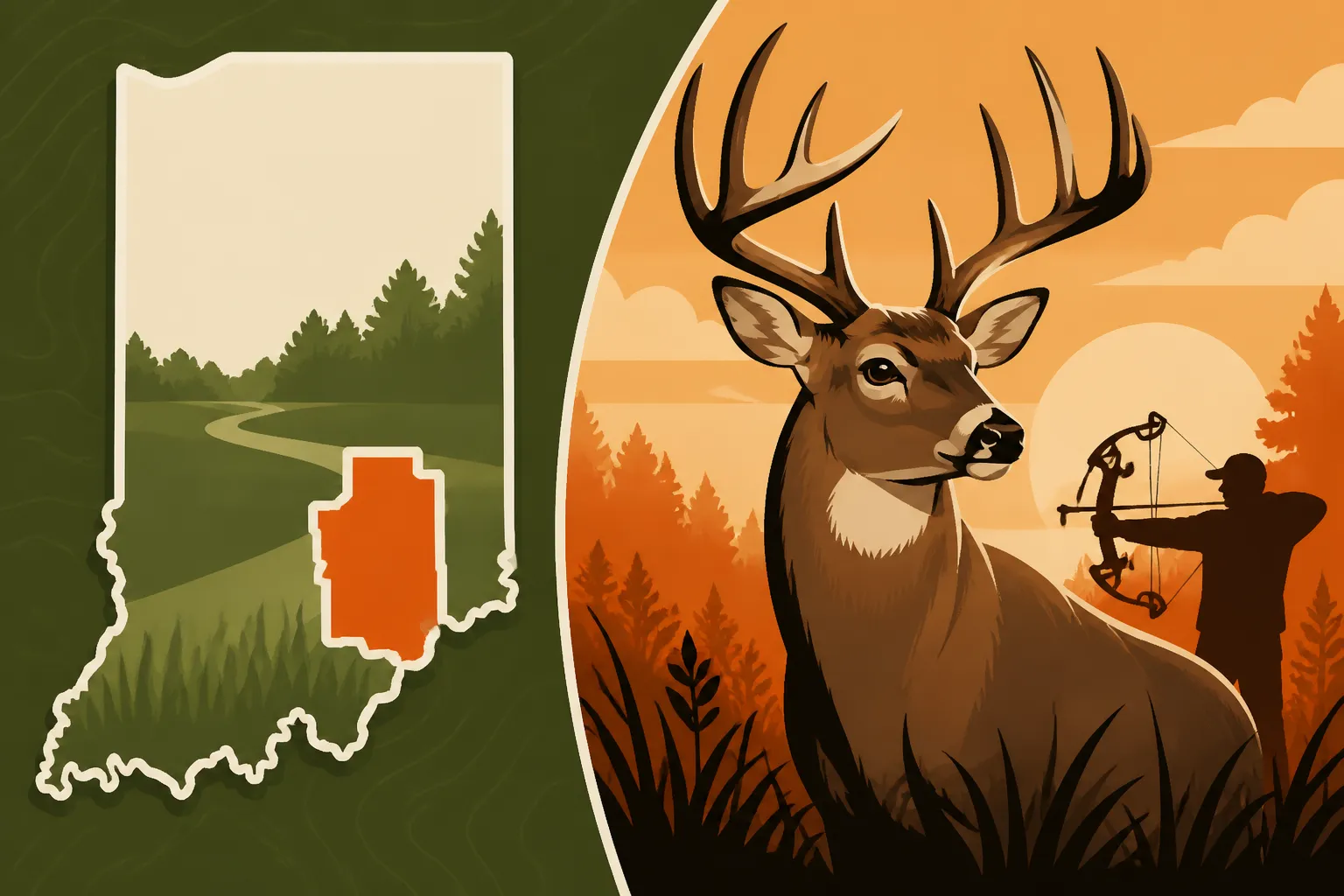
Vermillion County, nestled along the Illinois border and bisected by the mighty Wabash River, might not always be the first place that comes to mind when you think of public land deer hunting in Indiana. However, it boasts a diverse landscape of river bottomlands, rolling agricultural fields, and timbered draws that create prime habitat for whitetails. The key here is understanding the specific properties available and how deer utilize them.
Unpacking the Vermillion Fish & Wildlife Area
The crown jewel of public hunting in Vermillion County is undoubtedly the Vermillion County Fish & Wildlife Area (FWA). This is where many hunters will focus their efforts, and for good reason. The FWA offers a significant chunk of accessible acreage that's specifically managed for wildlife, including deer. You'll find a mix of habitats here: extensive bottomland hardwoods along the Wabash River and its tributaries, interspersed with managed agricultural fields, brushy transitional zones, and even some upland timber.
When you're scouting or hunting the Vermillion FWA, think about how these different habitats intersect. Deer will often bed in the thick cover of the river bottom, moving out to feed in the managed fields or surrounding private agriculture during low-light hours. Look for pinch points where different habitat types converge, like a narrow strip of timber connecting a bedding area to a food source, or a creek crossing. The pressure can be moderate to high, especially on opening days of various seasons, but the sheer size and diverse cover mean that deer will always find sanctuary. Expect strong deer movement along the river corridor, and don't underestimate the small, often overlooked pockets of cover nestled within the property.
Lesser-Known Public Pockets and Opportunities
Beyond the main FWA, Vermillion County also has other, smaller parcels of public land that fall under Indiana DNR management. These can sometimes be fragments of state forest land or smaller public access sites that aren't as widely advertised. The challenge with these areas is often finding them and understanding their specific rules and boundaries. This is where tools like onX Layers for Indiana Land Status become absolutely invaluable. You can overlay property lines onto aerial maps, identifying those smaller, often overlooked squares of green that might just hold a secluded buck.
These smaller public pockets tend to be surrounded by private agricultural land, which influences deer movement heavily. Deer use these timbered oases for security cover during the day, especially if they're close to a corn or soybean field. Hunting these spots often means quick, intense encounters, as deer don't have vast tracts of timber to escape into. You might find a small, brushy draw that connects two larger woodlots across private ground, and if that draw happens to cross a sliver of public land, you've found a potential goldmine. These areas might require a bit more legwork in terms of scouting and identifying access points, but the payoff can be a less pressured hunting experience and a higher chance of encountering a mature deer that has learned to avoid the busier spots.
Understanding Vermillion County Deer Behavior and Habitat
To truly be successful in Vermillion County, you need to think like a deer that lives in this landscape. Their movements and habits are heavily dictated by the local terrain and human activity, primarily agriculture and the river.
The Influence of Farmland and River Corridors
Vermillion County is classic Indiana farmland, meaning vast expanses of corn and soybean fields dominate the landscape. This is a double-edged sword for deer hunters. On one hand, it provides an incredible, year-round food source that allows deer to grow big and healthy. On the other hand, it can make deer pattern hard, as they have endless food and often bed in standing crops during the early season. When those crops come down, however, the deer are forced back into the remaining cover, making the timbered edges and woodlots much more active.
The Wabash River, which forms the county's western boundary, is a major game-changer. Hunting the Wabash River Bottoms means understanding that this river corridor acts as a massive superhighway for deer. The dense, often swampy bottomland timber provides incredible bedding cover, escape routes, and browse. Deer will travel miles along these river edges, using the natural funnels created by the river and its numerous creeks and oxbows. These areas can be tough to navigate, often wet and dense, but they offer some of the best opportunities for mature bucks seeking refuge from pressure. Look for higher ground within the bottomland for bedding, and pay attention to creek crossings or narrow strips of timber that follow the contours of the river.
Deer Density, Harvest Potential, and Pressure Factors
Vermillion County typically has a healthy deer population, with strong genetics thanks to the abundant food sources from agriculture. This means good harvest potential, including the chance at mature bucks, especially once the crops are out and deer are concentrated in the remaining cover. However, "public land" often equates to "pressure" in Indiana, and Vermillion County is no exception. During peak times like the Indiana's Firearms Deer Season opener or the rut in early November, you can expect company in the more accessible areas of the FWA.
The key to success when facing Hunting Pressure on Indiana Public Land is to think differently. Deer are incredibly adept at avoiding hunters. This means looking for areas that are difficult to access, either by walking further than most people are willing to, or by utilizing mapping tools to find overlooked corners that require a slightly longer hike. It might be a small, steep ravine, a wet section of timber most people avoid, or a narrow strip of woods that looks insignificant on a map but offers perfect bedding cover. Understanding that deer will shift their movement patterns and often become more nocturnal under pressure is also crucial. This might mean adjusting your hunting times, focusing on midday movement, or positioning yourself to catch deer returning to bedding cover at dawn or slipping out just before dusk.
Strategic Deer Hunting Tactics for Vermillion County Public Land
Alright, let's talk brass tacks. How do you actually put yourself in a position to tag a deer on Vermillion County public land? It comes down to a blend of smart scouting, strategic stand placement, and knowing when to be patient and when to be aggressive.
Effective Scouting with Digital Mapping Tools
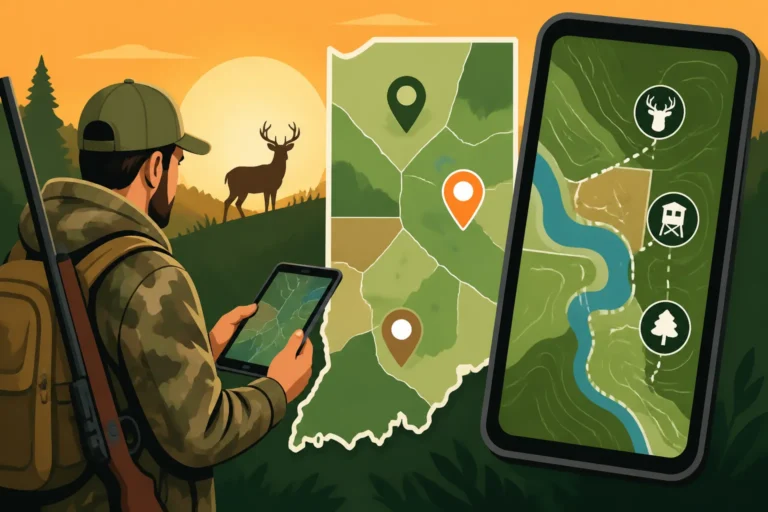
Before you even set foot in the woods, your digital scouting game needs to be on point. Tools like onX Hunt are game-changers, especially for public land hunting where understanding boundaries and terrain features is critical. Start by identifying all public land parcels in Vermillion County. Then, zoom in. Look for variations in cover: mature timber, young successional growth, thick brush, and open fields. Reading Aerial Photos for Southern Indiana Deer (and Vermillion County, for that matter) allows you to spot subtle elevation changes, drainage ditches, old logging roads, and changes in timber density that could indicate bedding areas, travel corridors, or funnels.
I always look for "inside corners" of timber where a field juts into the woods, or where two distinct timber types meet. Deer love edges. I also pay close attention to water sources—creeks, ponds, and sloughs are natural attractants and travel routes. Once you've identified potential hotspots on your map, it's time for boots-on-the-ground scouting. Go in before the season, or during the late winter and early spring, to confirm what you saw on the map. Look for old scrapes, rubs, established deer trails, and fresh droppings. Scouting Indiana Public Land Before Season is not just helpful, it's essential for success in these kinds of areas. Verify access points, evaluate wind direction for potential stand sites, and identify quiet routes to get in and out without spooking deer.
Stand Placement and Still-Hunting Strategies
Given Vermillion County's mix of farmland and timber, your stand placement will often revolve around connecting food to cover. For agricultural edges, focus on transition zones. Deer aren't usually going to spend much time out in the middle of a cut cornfield during daylight, but they will use the timbered fencerows and woodlot edges to get there. Setting up on a travel route that parallels a field edge or a Hunting a Funnel Between Two Woodlots can be deadly. Look for rubs and scrapes indicating established routes. Setting Up on a Northern Indiana Field Edge tactics, focusing on wind direction and morning/evening transitions, are highly applicable here.
In the denser river bottomlands, still-hunting can be incredibly effective. This isn't about sitting and waiting; it's about slow, deliberate movement, using the wind to your advantage, and picking apart the cover. Still-Hunting Southern Indiana Ridges might describe a different topography, but the principle of moving quietly, pausing frequently to observe, and letting your eyes do the work is the same. Look for subtle deer trails through the thickets, listen for squirrels and birds that might indicate deer movement, and be ready to stop and draw on a moment's notice. This method works well when deer are pressured and hunkered down in heavy cover, as you can slowly invade their sanctuary and catch them off guard.
Managing Expectations and Maximizing Your Hunt
Hunting Vermillion County's public land, like any public land, requires a bit of grit, patience, and realistic expectations. It's not always easy, but the rewards are well worth the effort.
Essential Gear and Regulatory Awareness
When heading out to Vermillion County, ensure your gear is ready for the terrain. Good waterproof boots are a must, especially if you're venturing into the river bottomlands, which can be notoriously wet. Consider a comfortable backpack for carrying your essentials, especially if you're hiking into those less-pressured areas. A reliable rangefinder is always smart, especially for those shots across agricultural openings.
Beyond your physical gear, staying on top of regulations is paramount. Always make sure your Indiana Hunting Licenses and What They Cost are up-to-date and you understand the specific Indiana Deer Season Structure Explained for the current year. The Indiana DNR website and the Go Outdoors Indiana app are your best friends here. Speaking of the app, after a successful hunt, remember to fulfill your Reporting a Deer Through Indiana's App requirements promptly. Knowing the rules for blaze orange, tree stand placement on public land, and any specific FWA regulations will ensure your hunt is legal and enjoyable.
Patience, Adaptability, and Respect for the Land
Public land hunting in Vermillion County isn't always about huge deer or easy limits. It's often about the challenge, the experience, and the satisfaction of earning your deer. Be patient. If you're not seeing deer, don't just sit there. Adapt your strategy. If you're hunting an evening food source and it's quiet, maybe switch to a midday still-hunt in a bedding area the next day, or focus on Late-Season Food Sources for Indiana Whitetails as the season progresses. The deer's patterns will change based on weather, pressure, and food availability.
Finally, always remember to respect the land and your fellow hunters. Practice ethical hunting, leave no trace, and ensure you're aware of other hunters, especially on busy public lands. A courteous and responsible hunter contributes to a positive experience for everyone and helps ensure these valuable public hunting opportunities remain available for generations to come. Vermillion County might be a sleeper, but with the right approach, it can certainly fill your freezer and provide some memorable hunts.
Disclaimer
This article is for general informational purposes only and does not constitute professional advice. Laws, prices and regulations vary by location and change over time. Consult a qualified professional for guidance on your specific situation.