Fountain County Public Hunting Ground
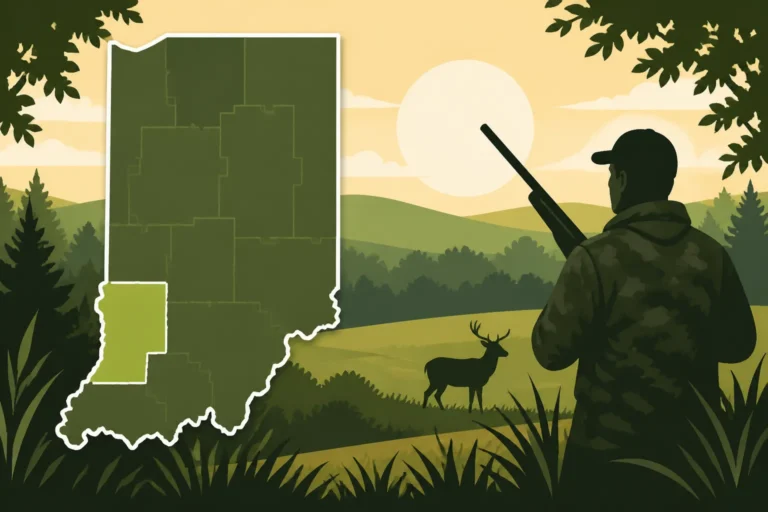
For many hunters, finding quality public land that isn't overrun can feel like searching for a needle in a haystack, especially if you're looking beyond the well-known larger tracts. Fountain County, situated in western Indiana, often flies under the radar compared to the massive Hoosier National Forest or the sprawling Fish and Wildlife Areas in other parts of the state. However, it offers some fantastic opportunities for those willing to do their homework and understand its unique landscape. This guide is designed to shed light on the public hunting grounds available in Fountain County, helping you uncover its potential for deer, turkey, and small game, and providing practical advice for a successful hunt.
Understanding Fountain County's Hunting Landscape
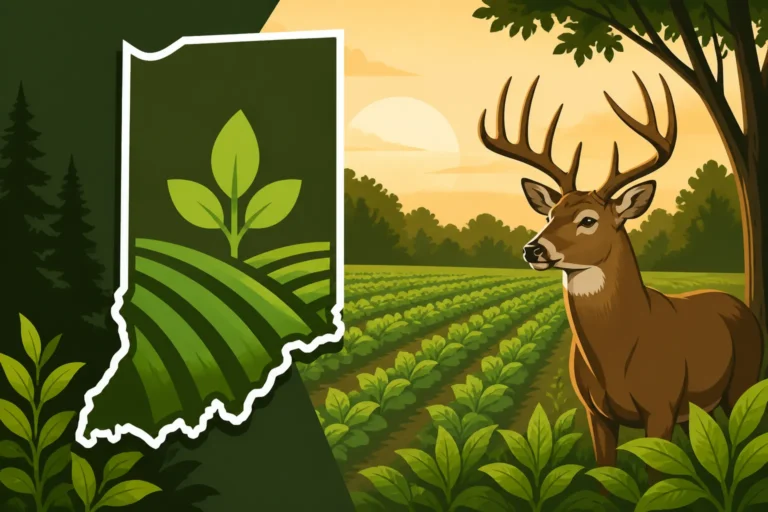
Fountain County presents a distinct blend of agricultural land, river bottom habitat, and interspersed timber stands that create a varied hunting experience. Unlike the rugged, expansive hills of southern Indiana, this region is characterized by gently rolling terrain, dominated by corn and soybean fields, with critical wildlife habitat often concentrated along waterways and in isolated woodlots. This mosaic of habitat dictates how wildlife moves and where hunters will find their best opportunities.
The county's western boundary is famously defined by the Wabash River, a major artery that brings with it a ribbon of rich, fertile bottomland. This river corridor acts as a natural highway for deer, turkeys, and countless migratory birds, making it a hotspot for wildlife activity. Away from the river, smaller creeks and drainages cut through the farmland, often bordered by thick brush and timber, providing crucial cover and travel routes for game animals.
Successful hunting in Fountain County often hinges on understanding how these different land types interact. Deer might spend their days bedded in dense timber along a creek, only to venture into standing or recently harvested crop fields under the cover of darkness. Turkeys will roost in the tallest trees of the river bottoms but might feed in nearby pastures or field edges. Recognizing these patterns and adapting your tactics to this agricultural-timber interface is key to unlocking the county's full potential.
Key Public Hunting Areas in Fountain County
While Fountain County might not boast a single, enormous public hunting property, it offers a collection of diverse areas that, when combined, provide significant opportunity. These public lands are typically managed by the Indiana Department of Natural Resources (DNR) and range from smaller Fish and Wildlife Areas (FWAs) to various state-managed properties that offer access. Understanding the character of each type of area is crucial for planning your hunt.
Hunters often overlook these smaller to medium-sized tracts, assuming bigger is always better. However, what these areas lack in sheer size, they often make up for in manageable boundaries and, sometimes, less hunting pressure, especially on weekdays. It's important to remember that access and specific rules can vary even between properties of the same classification, so always check the latest DNR regulations for the specific unit you intend to hunt.
Using mapping tools like onX Hunt can be incredibly helpful in identifying these parcels, understanding their boundaries, and even visualizing terrain features and potential access points before you ever set foot in the field. This digital scouting can save you countless hours and significantly improve your chances of finding unpressured game.
State Forests and Their Opportunities
While Fountain County itself might not contain a named State Forest directly within its borders, hunters in the region often access state forest properties in neighboring counties, or state-managed parcels that have similar characteristics. These areas typically consist of larger timber tracts, often with varied topography and dense undergrowth. They offer a more traditional "woods hunting" experience compared to the open farmlands.
Hunting in these timber-rich areas means focusing on natural food sources like acorns and other mast crops, as well as bedding areas found in thick cover. Deer drives can be effective here, especially on larger blocks of timber. For turkey hunters, state forests provide ideal roosting sites and foraging grounds, making them prime locations for spring and fall pursuits. Remember, these areas are often multi-use, so you might encounter hikers, horseback riders, or other outdoor enthusiasts.
Always be sure to familiarize yourself with specific rules for stands, blinds, and vehicle access within any state forest property. Some require specific registration or have restrictions on what type of stands can be left overnight. Being prepared and following regulations ensures a smooth and ethical hunt for everyone.
Fish and Wildlife Areas for Diverse Hunting
Fish and Wildlife Areas (FWAs) are common across Indiana, and many hunters seeking public land in the Fountain County vicinity will find themselves exploring these properties. FWAs are specifically managed for wildlife habitat and public recreation, often featuring a mix of wetlands, grasslands, and timber. This diverse habitat makes them excellent for a variety of game species.
For instance, an FWA might have extensive cattail marshes perfect for waterfowl, dense brush for rabbits and pheasants, and hardwood stands for deer and turkey. Many FWAs also have established food plots or controlled burns as part of their management plan, which can concentrate game in specific areas. It's not uncommon for these properties to have sign-in requirements, either physically at kiosks or through the Go Outdoors Indiana online system, so always check before you head out.
The benefit of FWAs is their intentional focus on game species. This means active habitat management, and often, clearer boundaries and dedicated access points. However, this also means they can draw significant hunting pressure, especially on opening days or during peak rut. Early scouting and hunting during off-peak times can make a big difference.
River Bottoms and Floodplains
The Wabash River bottomlands are arguably the most consistently productive public hunting grounds accessible to Fountain County residents. This fertile strip of land, often subject to seasonal flooding, supports a lush ecosystem distinct from the surrounding uplands. Here, you'll find towering cottonwoods, sycamores, and other hardwoods, along with dense tangles of brush and cane, creating superb cover and food sources.
These river bottoms act as natural travel corridors and sanctuaries for deer, especially mature bucks seeking refuge from hunting pressure. Turkeys often roost in the tallest trees along the river and filter into adjacent fields to feed. Waterfowl can also be found in backwater sloughs and oxbow lakes created by the river's meandering course. Hunting these areas often involves dealing with wet conditions, dense vegetation, and sometimes tricky navigation.
Access to river bottoms can be challenging, sometimes requiring a boat or extensive walking through thick cover. However, the reward can be significant. Look for natural funnels where deer movement is concentrated, such as pinch points between a bluff and the river, or elevated ridges within the floodplain that stay dry during minor floods. Hunting the Wabash River Bottoms delves deeper into these specific tactics.
Targeting Game Species in Fountain County
Fountain County offers a diverse array of hunting opportunities, primarily focused on white-tailed deer, wild turkeys, and a variety of small game. Understanding the local behaviors and preferred habitats of these species within the county's unique landscape is crucial for success. You can't hunt a farmland buck the same way you'd hunt a deep woods deer in southern Indiana.
The agricultural dominance means deer and turkeys are constantly interacting with fields, whether for food or cover. Small game, like rabbits and squirrels, thrive in the fencerows, woodlots, and creek bottoms that crisscross the landscape. Being adaptable and scouting thoroughly will put you in the best position to fill your tags.
Here's a quick overview of what you can expect and how to approach hunting different species in Fountain County:
| Game Species | Primary Habitat | Best Time to Hunt | Key Tactics |
|---|---|---|---|
| Deer | Woodlots, creek bottoms, field edges, riverbeds | Archery (Oct-Nov), Rut (Nov), Late Season (Dec-Jan) | Stand/blind on travel routes, food plots, deer drives |
| Turkey | River bottoms, mature hardwoods, field edges | Spring (Apr-May), Fall (Oct-Nov) | Roosting, calling, run-and-gun (spring); flock breaking (fall) |
| Squirrel | Hardwood groves, especially oaks & hickories | Early Fall (Sep-Oct) | Spot & stalk, still-hunting |
| Rabbit | Brushy fencerows, thickets, field edges | Late Fall (Nov-Jan), Winter (Jan-Feb) | Dogging, still-hunting thick cover, pushing brush |
| Waterfowl | Wabash River sloughs, farm ponds, flooded fields | Fall (Oct-Dec) | Decoy spreads, blind hunting |
Deer Hunting: Whitetails in the Farmland Fringes
Deer in Fountain County are heavily influenced by the vast agricultural fields. They thrive on the abundant food sources provided by corn, soybeans, and alfalfa, which means you'll often find them utilizing small woodlots, creek bottoms, and thick fencerows for bedding and cover, then moving to these fields to feed. This makes Hunting Northern Indiana Farmland Deer a highly relevant strategy.
During the early archery season, focusing on standing crops or travel corridors leading to them can be very effective. As crops are harvested, deer shift their focus to remaining forage, mast crops in the timber, and late-season food plots. The rut, typically peaking in early November, brings bucks out in search of does, making pinch points between woodlots or across creek drainages prime ambush spots. Don't forget that Hunting the Rut in Early November is a fantastic time to be in the woods.
Public land in Fountain County, particularly along the Wabash River or in state-managed timber tracts, offers crucial sanctuary. Scouting before the season starts is paramount to identify fresh sign, travel routes, and bedding areas. Don't be afraid to walk the edges of fields bordering public land, looking for entry and exit points. Scouting Indiana Public Land Before Season is not just a suggestion, it's a necessity.
Turkey Hunting: Roosting Birds in River Bottoms and Hardwoods
Fountain County holds a healthy wild turkey population, especially in the larger timber blocks and along the Wabash River corridor. The mature hardwoods provide excellent roosting sites, and the mix of timber and agricultural fields offers abundant foraging opportunities. Spring turkey season is particularly popular, with hunters trying to call in strutting gobblers.
In spring, focus your efforts on areas with mature timber, especially near water sources, as turkeys prefer to roost over water or in large trees along riverbanks. Listening for gobblers on the roost at dawn is a classic and highly effective tactic. Once birds are located, setting up quickly and calling them in can lead to exciting encounters. Remember, Calling an Indiana Gobbler Off the Roost requires patience and good woodsmanship.
Fall turkey hunting offers different challenges and rewards. While less popular than spring, it allows for a mixed bag using archery or firearms in designated counties. Tactics often involve locating flocks and breaking them up, then calling them back together. Whether spring or fall, understanding turkey vocalizations and movements in the diverse habitats of Fountain County is key.
Small Game: Squirrels, Rabbits, and Upland Birds
Beyond deer and turkey, Fountain County offers excellent opportunities for small game hunters. Squirrels thrive in the abundant hardwood stands, particularly those with a good mast crop of oaks and hickories. Early season squirrel hunting, especially when leaves are still on the trees, requires a keen eye and stealth. Focus on areas with mature timber, listening for the telltale chatter and rustle of leaves. Squirrel Hunting Indiana Hickory Groves is a classic autumn pursuit.
Rabbits are prolific in the county's brushy fencerows, thickets, and field edges. These areas provide excellent cover from predators and harsh weather. Hunting with beagles is a traditional and highly effective method for rabbits, but still-hunting or pushing brushy cover can also yield results. Rabbit Hunting Indiana Fencerows can be a great way to introduce new hunters to the sport or just enjoy a brisk day in the field.
Pheasant hunting is less common in Fountain County compared to the state's traditional pheasant strongholds, but scattered populations can be found, particularly where undisturbed grasslands or thick cover patches meet agricultural fields. These birds can be elusive and challenging, often requiring good bird dogs to locate and flush. Remember to check local regulations, as some areas may be part of pheasant stocking programs or have specific access rules.
Navigating Access and Regulations
Hunting public land in Fountain County, like anywhere else in Indiana, comes with its own set of rules and logistical considerations. You need to be prepared, informed, and respectful of both the land and other users. Ignoring regulations or being ill-prepared can quickly turn a promising hunt into a frustrating experience.
One of the biggest challenges on public land is simply knowing where you can and cannot go. Property boundaries can be confusing, especially where public lands butt up against private holdings. Additionally, each type of public land (State Forest, FWA, etc.) may have slightly different rules regarding everything from vehicle access to trail cameras.
Being a responsible hunter means doing your homework before you head out. This not only keeps you legal but also helps ensure you have a safe and enjoyable time in the woods and fields of Fountain County. Don't assume anything; always verify the specifics for your chosen hunting area.
Using Mapping Tools and Scouting
Modern technology has revolutionized how hunters approach public land. Tools like onX Hunt are invaluable for hunters in Fountain County. These apps provide detailed satellite imagery, property line overlays (distinguishing public from private land), and often show topographic features, roads, and trails. This allows you to digitally scout areas from home, identifying potential travel corridors, pinch points, and bedding areas without even lacing up your boots. You can mark waypoints, measure distances, and plan your entry and exit routes, minimizing disturbance to game.
Another excellent resource is the Indiana DNR's online mapping tools or their mobile app, which provide up-to-date information on state-owned properties, including specific FWA rules and sign-in procedures. Platforms like GoHunt also offer detailed resources and insights that can complement your mapping efforts. Using a combination of these resources allows for a comprehensive scouting strategy.
Even with digital tools, nothing beats boots-on-the-ground scouting. Visiting an area before the season allows you to confirm what you saw on the map, find fresh sign, and understand current conditions. Look for rub lines, scrape activity, heavily used game trails, and preferred food sources. Pay attention to how wind and thermals might affect your stand placement, especially in the river bottom areas.
Understanding Local Regulations and Sign-In Procedures
Indiana's hunting regulations are designed to manage wildlife populations and ensure safety, and it's your responsibility to know and follow them. Always consult the current Indiana Hunting and Trapping Guide, which is available online through the DNR website. This guide covers season dates, bag limits, legal equipment, and general rules applicable across the state.
Beyond statewide rules, many public hunting properties, particularly Fish and Wildlife Areas, have their own specific regulations. This often includes mandatory check-in/check-out procedures, either at a physical kiosk or through an online system. It's not just a formality; these procedures help the DNR track hunting pressure, monitor harvest data, and manage the property effectively. Failure to sign in can result in a citation.
You'll also need to be aware of regulations concerning blaze orange requirements, which vary depending on the season and weapon used. How Much Blaze Orange Indiana Requires is important to know for safety. Other rules might pertain to treestand placement (some require portable stands to be removed daily), ground blind construction, or the use of trail cameras. Knowing these specifics will prevent any unwanted surprises during your hunt.
Respecting Boundaries and Minimizing Impact
When hunting public land, especially in a county like Fountain where public and private parcels are often intermingled, respecting property boundaries is paramount. Accidental trespassing is a serious issue and can quickly sour landowner relations, potentially leading to reduced public access in the future. Always know where you are, and if in doubt, err on the side of caution.
While mapping apps are great, carry a compass and a physical map as a backup, especially in areas with spotty cell service. Know what the signs marking public land look like, and if you encounter a fence or clearly marked private property, do not cross it without explicit permission. Retrieving downed game from private land also requires permission, even if you shot it on public ground.
Furthermore, strive to minimize your impact on the land. Pack out everything you pack in, and leave no trash behind. Be mindful of noise, especially early in the morning, to avoid disturbing other hunters or nearby residents. By practicing ethical hunting and good outdoor etiquette, you contribute to a positive public perception of hunting and help ensure these valuable public hunting grounds remain accessible for future generations.
Disclaimer
This article is for general informational purposes only and does not constitute professional advice. Laws, prices and regulations vary by location and change over time. Consult a qualified professional for guidance on your specific situation.