Setting Up Against a Big Oak
We've all been there: staring up at a massive, ancient oak, knowing full well that deer are drawn to its bounty, but feeling completely overwhelmed by how to effectively hunt such an imposing natural landmark. It's a common dilemma in Indiana's timber, where finding that perfect, subtle setup is often the key to success. This guide is designed to cut through that frustration, offering a detailed approach to transforming those grand old oaks into your most productive hunting spots.
Why the Big Oak Tree is Your Best Friend (and Worst Enemy) in Indiana's Woods
There’s something truly majestic about a mature oak, standing tall and proud in the Indiana landscape. For hunters, these trees represent both immense potential and unique challenges. They're often magnets for deer, especially during certain times of the year, but their sheer size and typical surroundings can make them tricky to hunt effectively. Understanding these dual natures is the first step in mastering the big oak setup.
The Allure of Acorns and Cover
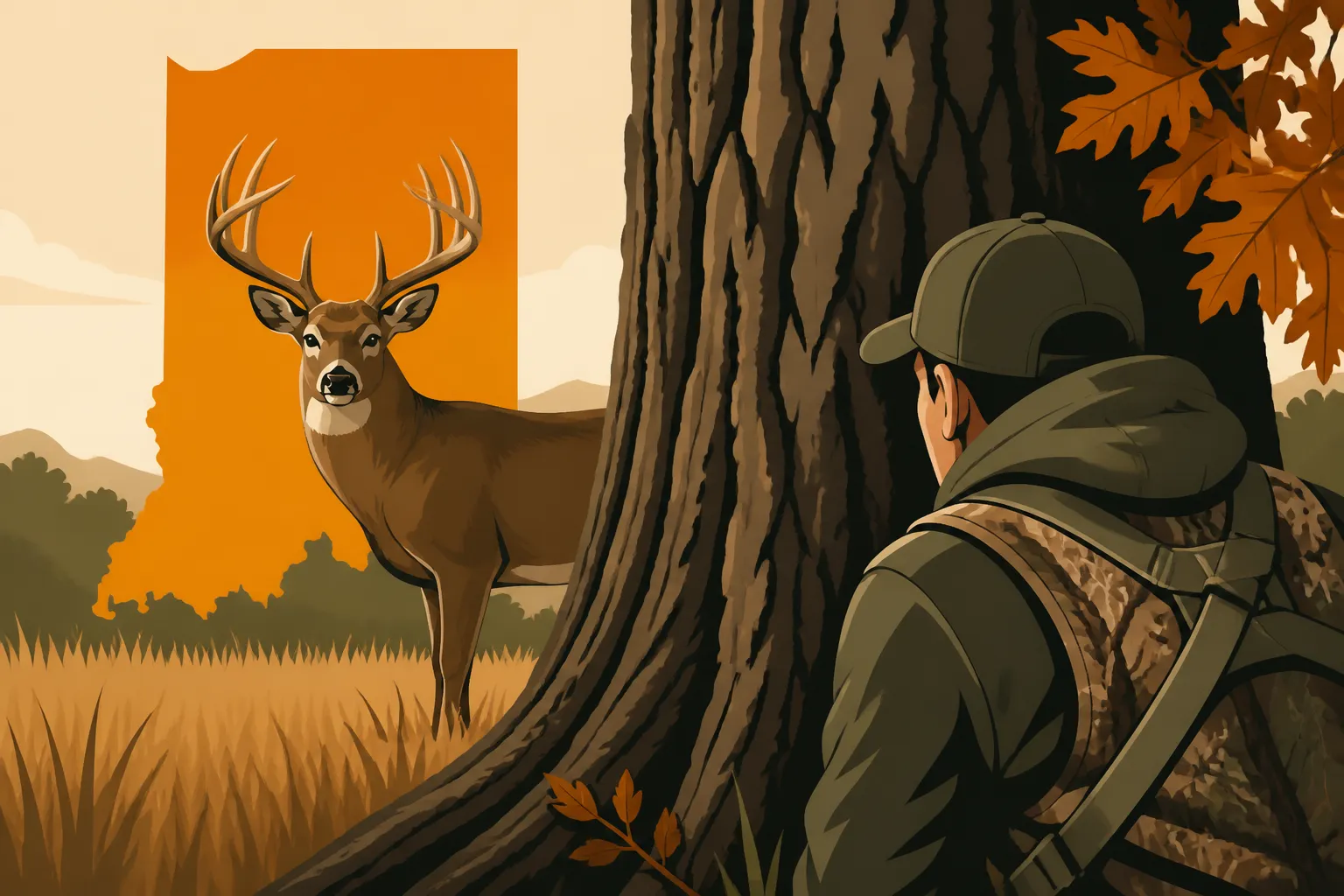
Let's face it, deer love acorns. In many parts of Indiana, especially the rolling hills of the south, oak trees are the primary food source for whitetails, particularly white oaks in the early season and red oaks extending into the late fall. A big oak dropping a carpet of nuts is like a five-star buffet for deer, drawing them in from surrounding areas. This concentrated food source means predictable deer movement, which is gold for a hunter. Beyond the food, large oaks often provide fantastic cover. Their expansive crowns and thick trunks can hide your silhouette against the sky, breaking up your outline and allowing you to blend seamlessly into the forest. This natural concealment is invaluable, offering a crucial advantage over smaller, sparser trees.
The Hidden Challenges of Huge Timber
While the benefits are clear, big oaks come with their own set of headaches. Finding a suitable spot to hang a stand can be a nightmare. Many mature oaks have huge, gnarled trunks that are difficult to climb with sticks, or limbs that start so high up you can't get adequate height for a good shot angle. Then there's the issue of visibility. A tree with a massive crown, while offering great cover, can also obscure your view, limiting your shooting lanes and making it harder to spot deer coming in. It's a delicate balance: you want enough cover to hide, but not so much that you can't see what you're hunting. Furthermore, the sheer scale of big timber often means you're dealing with vast stretches of woods, making it tough to pinpoint exact travel corridors leading to that particular oak.
Scouting the Perfect Big Oak Setup
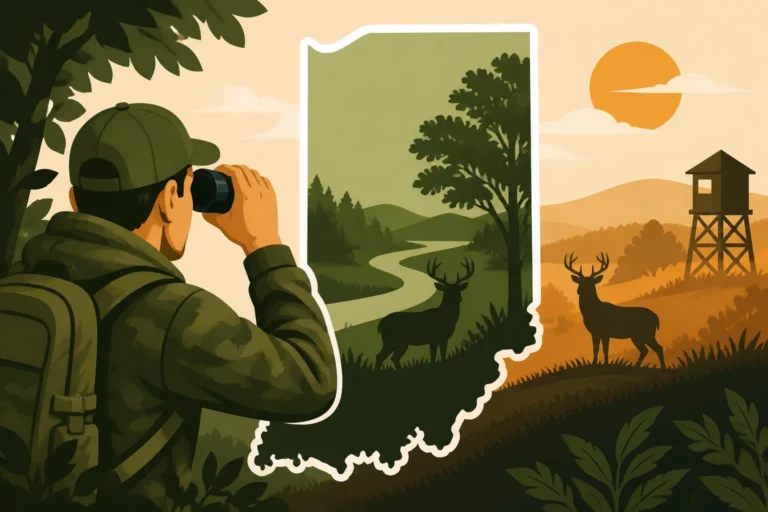
You can't just pick any big oak and expect magic to happen. Effective scouting is absolutely critical, transforming a random tree into a strategic ambush point. This isn't just about looking for acorns; it's about understanding the entire ecosystem around that specific tree, including the deer's habits, the topography, and the prevailing winds.
Reading the Sign Around the Trunk
When you approach a promising big oak, don't just glance at the ground. Get down and dirty, really inspecting the area. Look for fresh deer sign. Are there fresh droppings, indicating recent feeding activity? Are the acorns being consistently eaten, or are they piling up untouched? Pay close attention to trails leading to and from the tree. Are they well-worn, suggesting heavy use, or barely visible? These trails will tell you the most likely approach and exit routes deer are using. Also, look for rubs and scrapes on nearby saplings or even on the oak's trunk itself. A fresh rub or an active scrape line can indicate a buck is regularly working this area, signaling that you might be Hunting a Ridge-Top Saddle for Rutting Bucks or other key areas. A great way to map these out is by using a tool like GoHunt, which allows you to mark specific deer sign and create a comprehensive picture of the area.
Using Topography and Wind for Advantage
Beyond the immediate tree, the surrounding landscape plays a huge role. Southern Indiana, for example, is full of undulating terrain. Is your oak situated on a ridge, in a saddle, or along a creek bottom? Deer often use these topographical features as natural travel corridors. Understanding Reading a Ridge for Hoosier Forest Deer can give you incredible insight into how deer move through the area. Always consider the wind. No matter how good your food source or cover, if your scent is blowing directly into where you expect deer to approach, your hunt is likely over before it begins. Use a wind checker often during scouting. When using a mapping tool like GoHunt, you can often find features to help predict wind direction and thermals, which are particularly important in hilly terrain where Wind and Thermals on a Southern Indiana Ridge can be tricky to anticipate. Plan your entry and exit routes based on how you can get to and from your stand without blowing your scent into the hunting zone.
Strategic Stand Placement and Entry/Exit Routes
Once you've identified your target oak and thoroughly scouted the area, the next critical step is determining the exact placement of your stand and meticulously planning how you'll get in and out undetected. This isn't just about finding a spot to hang; it's about optimizing every single angle for success.
Optimizing Your Angle and Background
The ideal stand placement isn't necessarily the highest point you can get. It's about finding the sweet spot where you have clear shooting lanes to the most likely deer approaches, while simultaneously having a broken background to obscure your silhouette. Often, this means looking for a smaller tree or even some dense branch structure behind your big oak that you can tuck into. If you're on a slope, think about positioning yourself on the downhill side of the main travel corridor, allowing deer to pass slightly above you, which can provide better shot angles and keep your scent above their primary line of travel. Consider the sun's position throughout the day; you don't want to be staring directly into it at prime time, nor do you want it silhouetting you. For Treestand Setups in Hoosier National Forest, especially with those huge hardwoods, this kind of strategic thinking is paramount.
The Silent Approach and Departure
This is where many hunts are won or lost. Even the best stand placement is useless if you spook every deer in the county getting to or from it. Your entry and exit routes must be meticulously planned. Identify natural features like ditches, creek beds, or dense brush lines that can mask your movement and scent. If hunting a field edge, consider Entry Routes Through Standing Corn or other tall cover. Walk slowly, deliberately, and quietly, paying attention to every twig and leaf underfoot. Avoid walking through bedding areas or known feeding areas when going to and from your stand. Many hunters will even trim a dedicated "silent trail" during the off-season, removing noisy obstacles. Remember, the goal is to be a ghost in the woods, leaving no trace of your presence until it's time to make your move. A good mapping app on your phone, perhaps even GoHunt, can help you pre-plan and mark these routes, ensuring you stick to the quietest path every time.
Hunting from Your Big Oak: Tactics and Considerations
You've done the scouting, set the stand, and planned your routes. Now comes the moment of truth: the hunt itself. Hunting from a big oak requires patience, keen observation, and the ability to adapt to what the deer are doing on any given day.
Timing Your Hunts to the Acorn Drop
The timing of your hunts around a big oak is everything. White oaks tend to drop their acorns earlier in the season, often from late August through September. This can be an incredible time for early archery success. Red oaks, on the other hand, usually drop later, extending into October and November, and sometimes even into December. Their acorns have a higher fat content, making them a crucial Late-Season Food Sources for Indiana Whitetails. Knowing which species of oak you're hunting and when it's actively dropping its nuts will dramatically increase your odds. During peak drop, deer will often hit these trees multiple times a day. If you find a hot oak, be prepared to hunt it aggressively, but also intelligently, as too much pressure can quickly turn deer nocturnal or push them to other food sources.
Staying Concealed and Ready for the Shot
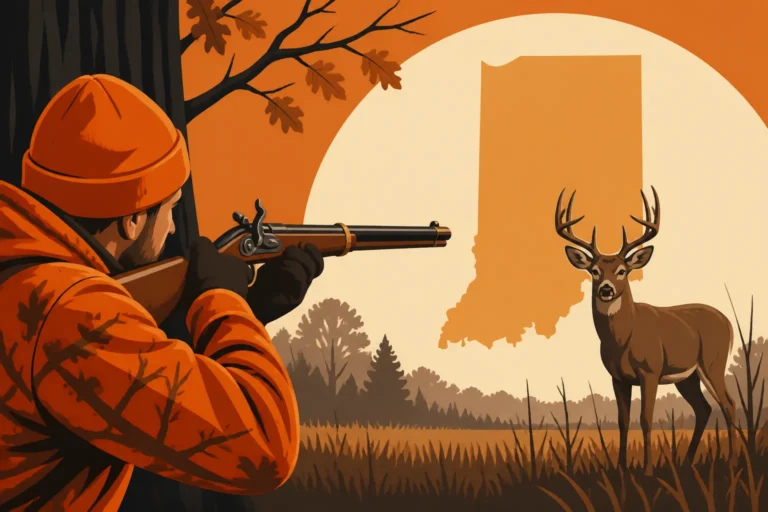
Once you're settled into your stand, discipline is key. Minimize movement. Even subtle shifts can be picked up by a deer's keen eyesight. Use the natural cover of the big oak to your advantage, but don't get complacent. Keep your bow or rifle in a ready position, especially during peak movement times like first and last light. You might not have much time for a shot once a deer steps into your lane. Practice drawing your bow or shouldering your rifle silently from your chosen position. For bowhunters, checking your Bow Sights for Timber Shots before the season starts is crucial, ensuring you know your exact yardages for typical timber scenarios. Sometimes, adding a soft grunt call or a light rattle can pull a curious deer in closer, especially when they're working their way to the oak. Even subtle Grunt Calls in Mature Indiana Timber can make a difference. The goal is to be an invisible, silent predator, ready to capitalize on the deer's natural draw to the big oak.
| Feature | Advantages of a Big Oak Setup | Challenges of a Big Oak Setup |
|---|---|---|
| Food Source | Concentrated and highly attractive (acorns) | Timing-dependent (acorn drop varies), can be quickly overhunted |
| Cover/Concealment | Excellent natural camouflage and broken silhouette | Potential for obstructed shooting lanes, reduced visibility |
| Deer Activity | Predictable movement patterns, high traffic potential | Requires precise scouting to find the active tree |
| Stand Placement | Offers robust anchor points, stable platform | Difficult to climb/hang on gnarled trunks, limited height options |
| Hunting Pressure | Can be a sanctuary in heavily hunted areas if secluded | Easily over-pressured if not hunted strategically |
Remember, hunting big oaks is a game of patience and precision. It takes time on the ground, careful planning, and a deep respect for the subtle movements of nature. But when it all comes together, there's nothing quite like the satisfaction of a successful hunt from one of Indiana's grand old trees.
Disclaimer
Hunting is an inherently dangerous activity. Always prioritize safety, follow all Indiana Department of Natural Resources regulations, and obtain proper licenses and permits before heading afield. The information provided here is for educational and entertainment purposes only and should not replace professional guidance or personal judgment.