Hunting a Ridge-Top Saddle for Rutting Bucks
There are few things more frustrating for an Indiana deer hunter than the peak of the rut, when bucks are supposed to be moving, but you just can't seem to intercept them consistently. While the big boys might be cruising miles to find does, they're still creatures of efficiency, often funneling their movements through natural terrain features. Ridge-top saddles are absolute magnets for rutting bucks, providing both easy travel and ideal places to scent check for does. This comprehensive guide will walk you through everything you need to know to identify, scout, and effectively hunt these crucial hotspots for a shot at a Hoosier giant.
Understanding Ridge-Top Saddles and Why They Matter
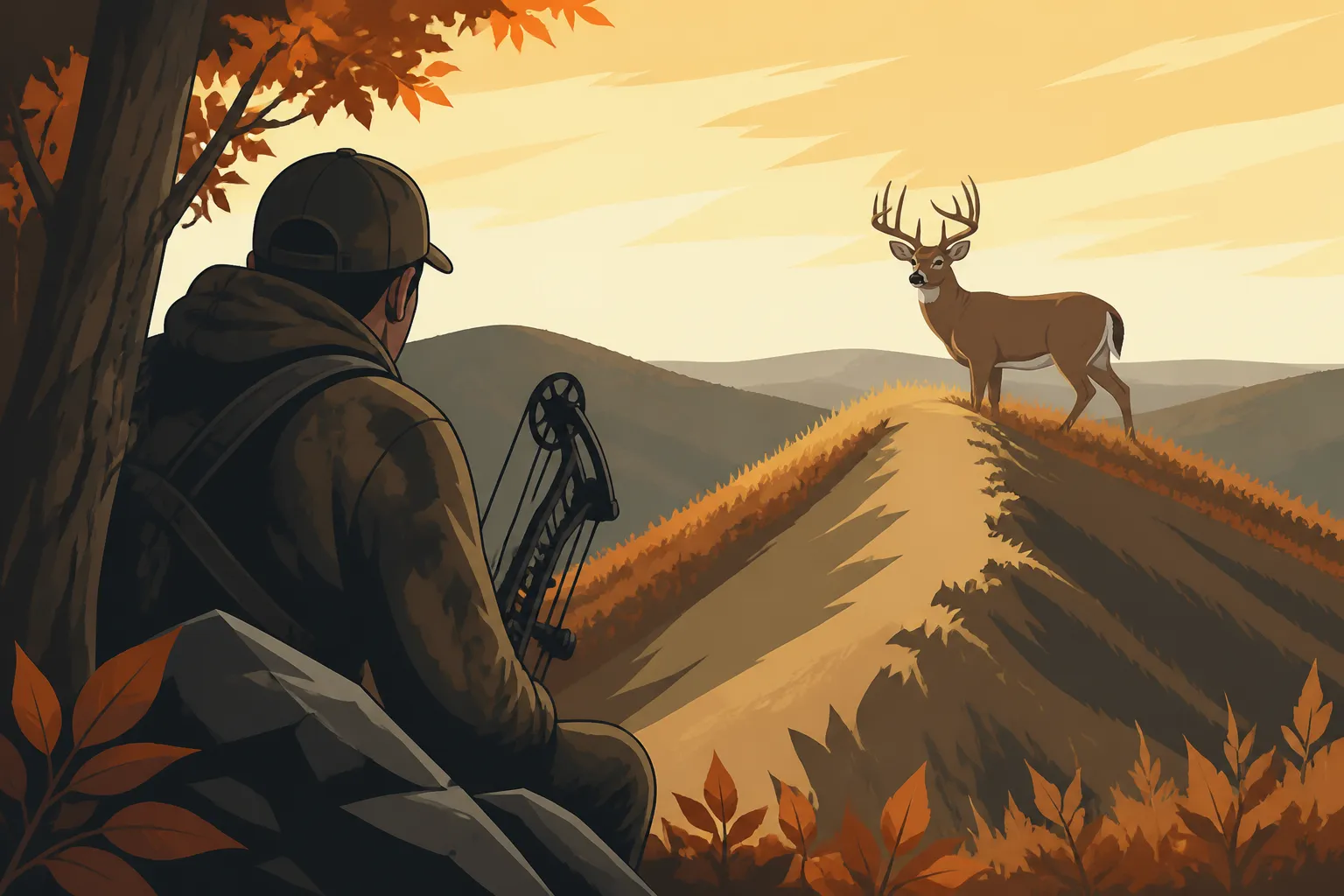
A ridge-top saddle is, at its core, a low spot or dip in a ridge line. Think of it like a pass over a mountain range, but on a smaller scale. Instead of going all the way down one side of a ridge and up the other to get across, deer, especially rutting bucks, will instinctively seek out these lower elevations to traverse terrain with minimal effort. It’s the path of least resistance, and during the high-energy demands of the rut, that convenience becomes even more critical.
Saddles aren't just about easy travel, though. They act as natural funnels, concentrating deer movement into a smaller, more predictable area. Imagine a buck scent-checking an entire ridge system for hot does. Instead of walking the full length of a contour, he might drop into a saddle to cross from one side of the ridge to another, using the prevailing wind to gather scent from potential breeding partners. This makes them prime ambush points, as deer movement from various directions often converges there. You'll often find heavy trails crisscrossing through these areas, sometimes appearing almost like a miniature deer highway.
During the rut, bucks are notoriously on the move, covering significant ground in search of does. This increased movement makes saddles even more potent. A mature buck might be coming from a far bedding area, cruising a ridge, and will almost certainly utilize any saddle he encounters as a natural pinch point. They're also strategic locations for does seeking refuge from buck harassment or looking for quieter bedding. Wherever does are, rutting bucks won't be far behind. If you've ever felt like deer are just moving through the timber randomly during the rut, chances are you're not keying in on these critical topographical features. Understanding Wind and Thermals on a Southern Indiana Ridge is paramount when hunting these funnels, as deer will use them to their advantage.
Different saddles will have different characteristics. Some might be wide, gently sloping depressions, offering a broader travel corridor. Others could be narrow, almost canyon-like cuts that create an extremely tight bottleneck. The presence of thick cover, such as cedar thickets or young timber, within or adjacent to a saddle can also enhance its appeal to deer, providing security cover as they travel. Conversely, an open timber saddle might see more cruising behavior where bucks are just passing through, rather than lingering. Your strategy will need to adapt to these nuances, but the fundamental principle remains: saddles equal concentrated movement.
Scouting for the Perfect Saddle in Indiana
Successful saddle hunting starts long before the season opener, often in the late winter or early spring when sign is most visible. Scouting during the off-season allows you to find these honey holes without spooking deer. Start with digital mapping tools, like the excellent resources from GoHunt or other platforms like OnX. These tools allow you to analyze topographical maps and identify potential saddles from the comfort of your home. Look for those distinct "hourglass" shapes where contour lines pinch together.
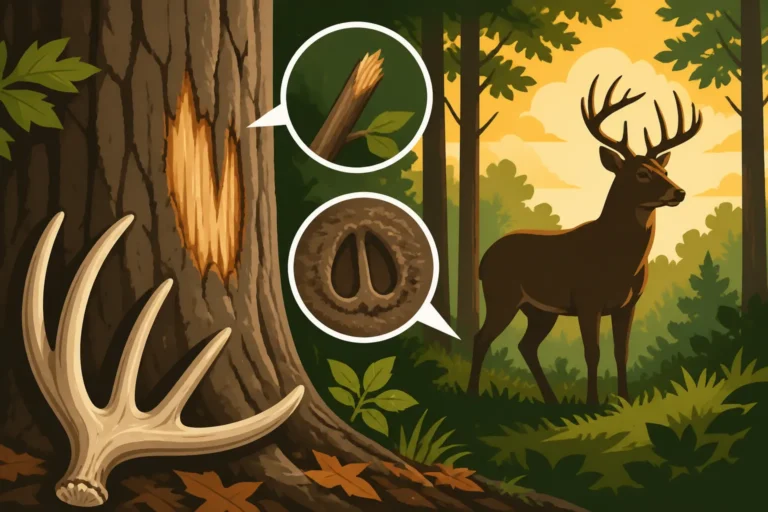
Once you’ve identified promising locations on a map, it’s time to hit the woods. This is where the real work begins. Pay close attention to deer sign. Are there fresh rubs and scrapes leading into or out of the saddle? A line of fresh rubs could indicate a buck's travel corridor, while scrapes are clear communication hubs for deer. Look for heavily worn trails, not just faint paths. The more worn the trail, the more consistent the deer movement. Sometimes, you'll find multiple trails converging into a saddle, confirming its status as a high-traffic area. If you want to know Where Hoosier National Forest Bucks Bed, scouting these saddles can often lead you right to their preferred bedding areas, which are often nearby.
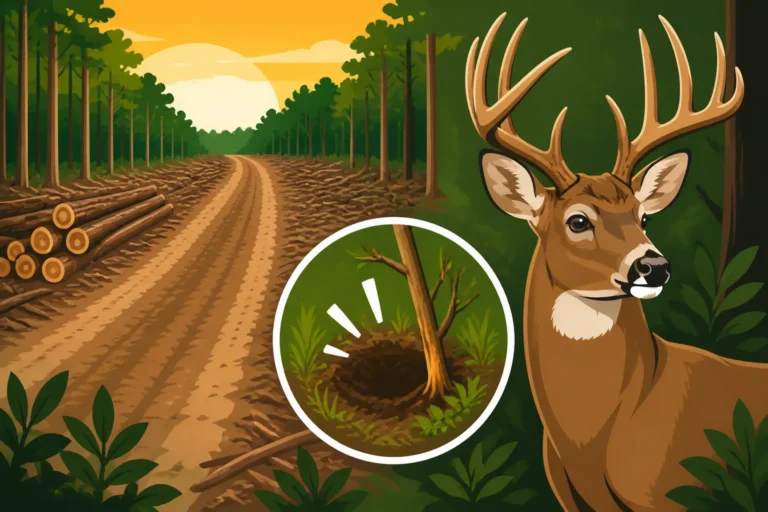
Consider the surrounding habitat features. Is there a mature oak stand dropping acorns on one side of the saddle? Or perhaps a clear-cut with new growth on the other, providing bedding? Deer typically travel between food, water, and bedding, and a saddle that connects two or more of these critical resources is gold. For instance, a saddle connecting a bedding ridge to a creek bottom food source in the Hoosier Forest's Bedford Headquarters Region will likely be a hotspot. Don't forget to look for water sources, especially during dry periods, as deer will often utilize saddles to move between them.
The best saddles often sit near primary bedding areas. Bucks will often cruise the downwind side of a ridge, moving through saddles, checking for does that might be bedded just off the leeward slope. During the rut, these movements become more frequent and less restricted to dawn and dusk. This means that a well-scouted saddle can produce action throughout the entire day. When you're Reading a Ridge for Hoosier Forest Deer, remember that saddles are the punctuation marks in their travel patterns. Take your time, walk the entire ridge, and understand how the terrain dictates movement.
Effective Hunting Strategies for Rutting Bucks in Saddles
Hunting a ridge-top saddle requires a thoughtful approach, balancing concealment with a good vantage point. Your stand placement is critical. Often, you'll want to be slightly upwind of the saddle, allowing your scent to be carried away from the main travel corridor. Consider placing your stand or blind on the side of the saddle that deer are most likely to approach from, or, even better, in a location that covers multiple approach angles without compromising your wind advantage. If you're pondering Hanging a Stand on a Southern Indiana Ridge, a saddle is an ideal location for a semi-permanent setup, but always consider portability for adapting to changing conditions.
Thermals play a huge role, especially in the southern Indiana hills. In the mornings, thermals generally rise, carrying your scent uphill. In the evenings, they fall, carrying your scent downhill. During midday, they can be unpredictable. You need to position yourself so that your scent isn't being carried directly into the saddle or the known bedding areas. For example, if you hunt a saddle in the morning, you might want to be slightly below the crest on the opposite side from the primary approach, letting your scent rise and clear the saddle itself. By midday, as thermals stabilize or even reverse, you might need to adjust your strategy or consider an all-day sit if you are confident in your setup and the prevailing wind.
Calling tactics can be incredibly effective in saddles during the rut. As bucks are actively cruising and searching, a well-timed grunt or rattle can pique their curiosity. A simple tending grunt might suggest a hot doe, drawing a buck in for a closer look. Rattling and Grunting in Indiana during the rut can draw in curious bucks from surprisingly far distances, especially in these natural sound traps. Don't overdo it, though. Start subtly and increase intensity if you don't get a response. Sometimes, less is more.
Your entry and exit routes are just as important as your stand placement. You need to be able to get to and from your saddle stand without alerting deer. This often means using topography to your advantage, such as creek bottoms, logging roads, or thick fence lines that keep you out of sight and minimize noise. When planning your route, use your digital mapping tools from GoHunt to identify natural terrain features that provide cover. Avoid walking directly through known bedding areas or across open fields. Remember, if you're consistently bumping deer on your way in or out, you're educating them and diminishing your chances of success. Sometimes, getting to a remote saddle might involve a significant hike, so consider How Far to Walk From a Forest Road and plan your gear accordingly.
Adapting to Conditions and Pressure
The rut in Indiana, especially Hunting the Indiana Rut in Early November When the Indiana Rut Peaks, is a dynamic period. Conditions can change rapidly, and so can deer behavior. Hunting pressure from other hunters, particularly on public land, can push deer into thicker cover or change their travel patterns. If you notice increased pressure in a particular saddle, it might be wise to look for a more secluded, less obvious saddle that other hunters might overlook. These less-traveled spots can become sanctuaries for mature bucks trying to avoid human encounters.
Weather plays a significant role. A sudden cold front during the rut can ignite deer movement, making saddles even hotter. Bucks will be more active, covering more ground to find does before a potential deep freeze. Conversely, warm, sunny days might mean deer activity is more concentrated to early mornings and late evenings. On these warmer days, consider a longer sit in your saddle, as bucks might still move during the midday lull, especially if the saddle offers good shade or cool air. Always layer your clothing appropriately; Clothing for an Indiana Late Season often means adapting to rapidly changing temperatures.
Different saddles require different approaches. A wide saddle with relatively open timber might be perfect for observing cruising bucks from a distance using quality optics. Investing in good Binocular Power for Timber Hunting can help you spot subtle movements. For these situations, a ground blind brushed into natural cover could be effective, allowing you to remain concealed while having a wider field of view. Conversely, a narrow saddle choked with thick briars might demand a closer, more aggressive stand placement, perhaps even a saddle hunting setup, to intercept deer that are funneling through a very tight corridor.
When it comes to gear, Treestands and Saddles on Public Land offer mobility and adaptability. A lightweight climbing stand or a saddle setup allows you to quickly adjust your position based on wind shifts or observed deer movement. Always prioritize safety, using a full-body harness and a lifeline, regardless of your stand type. Having a flexible setup means you're not locked into a single spot if the deer activity shifts or pressure changes their patterns.
| Saddle Characteristic | Pros for Rut Hunting | Cons / Considerations | Recommended Tactic |
|---|---|---|---|
| Narrow Saddle | Concentrates movement, predictable shot windows. | Limited visibility, deer can quickly pass through. | Ambush close, cover entry/exit, use scent control. |
| Wide Saddle | More approach options, allows for longer shots if needed. | Deer movement can be dispersed, harder to pinpoint. | Observation (good optics), call more, cover more area. |
| Saddle with Thick Cover | Offers security for deer, good bedding nearby, lingering bucks. | Difficult visibility, noisy entry/exit. | Sit tight, be patient, use subtle calls, close shot. |
| Open Timber Saddle | Good visibility, easier to spot cruising bucks. | Less security for deer, can feel exposed to hunters. | Longer shots possible, focus on wind, identify subtle trails. |
| Saddle Connecting Food/Bedding | Extremely high traffic, especially mid-day. | Can be heavily pressured by other hunters. | Early/late season scouting crucial, stealth entry/exit, all-day sit. |
No matter how well you scout, nothing replaces time in the woods and adapting to what the deer are telling you. Every sit in a saddle is a learning experience. Pay attention to where deer are coming from, where they're going, and how they react to the wind and your presence. The more time you spend deciphering these patterns, the more successful you'll be in consistently putting yourself in position for a rutting buck in an Indiana ridge-top saddle.
Disclaimer
Hunting is an activity that carries inherent risks. Always prioritize safety, including adherence to all Indiana hunting regulations, wearing appropriate safety gear, and being aware of your surroundings. Consult the Indiana Department of Natural Resources (DNR) for the most up-to-date rules and season dates before heading afield.