Indiana Three-Day Nonresident License Option
For many folks living outside the Hoosier State, the idea of enjoying Indiana's diverse hunting opportunities is mighty appealing. Maybe you've got friends or family here, or you've heard whispers of some great upland bird cover or burgeoning squirrel woods. But often, the commitment of a full annual nonresident license feels like a big hurdle, especially if you only plan on a quick weekend trip. The good news is, Indiana understands this common dilemma and offers a fantastic solution: the three-day nonresident license option, designed specifically for those shorter adventures.
Understanding the Indiana Three-Day Nonresident License
Indiana's three-day nonresident hunting license is a practical and economical choice that opens up a world of possibilities for hunters who don't need a full season of access. It's a testament to the state's efforts to make its outdoors more accessible, even for those just passing through for a brief visit.
Who is This License For?
This license is truly a game-changer for several types of nonresident hunters. First, there are the "weekend warriors" – folks who can only squeeze in a couple of days of hunting at a time due to work, family, or other commitments. For them, shelling out for a full-price annual license just to hunt three or four days a year might feel like a waste. This option ensures they're legal without overpaying.
Then there are those exploring new territory. Maybe you've always hunted pheasants in Iowa or rabbits in Ohio, and you're curious about what Indiana has to offer. The three-day license allows you to dip your toes in the water, so to speak, without a huge financial commitment. It’s perfect for a scouting trip that doubles as a short hunt, giving you a taste of the Hoosier hunting experience to decide if you want to invest in a longer stay next year. Think of it as a trial run! It’s also ideal for hunters who might be joining a buddy or a group for a specific event, like an early season dove shoot or a late-season rabbit hunt, where their time in the field is already predetermined and limited.
What the Three-Day License Covers and Doesn't
It's absolutely critical to understand what this three-day gem actually covers. This is where some folks can get tripped up, so let's be super clear. The Indiana Three-Day Nonresident License is primarily designed for small game and migratory birds. This means you're good to go for common species like:
- Squirrel
- Rabbit
- Pheasant (where stocked or wild populations exist)
- Quail
- Dove
- Woodcock
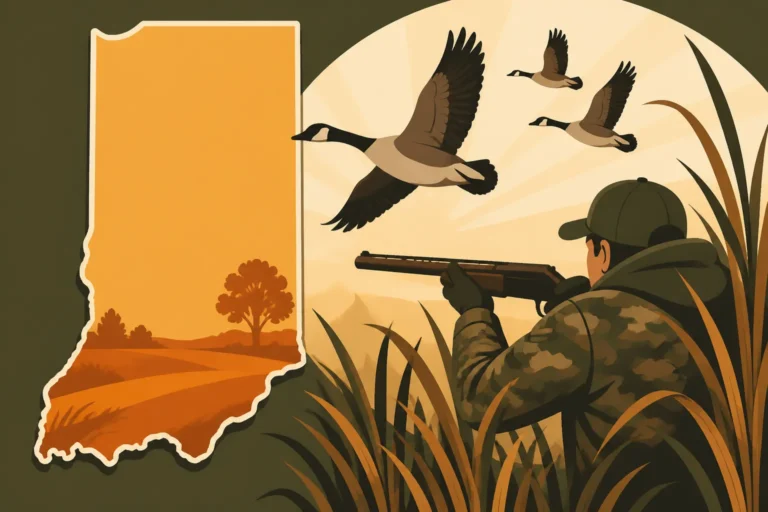
- Waterfowl (ducks and geese)
However, and this is a big however, it does not cover big game species like white-tailed deer or wild turkey. Those animals require entirely separate permits, often specific to weapon type (archery, firearms, muzzleloader) and season (spring turkey, fall turkey, deer archery, deer firearms). So, if your dream is to pursue a Hoosier State buck or a strutting longbeard, you’ll need to look into the appropriate Indiana Nonresident License Options for those specific endeavors. The three-day option is really geared towards hunters focused on feathered or smaller furred quarry.
For any migratory bird hunting, such as doves or waterfowl, you'll also need to make sure you have the necessary state and federal stamps, like the Indiana Migratory Bird Stamp and the Federal Duck Stamp, along with your Harvest Information Program (HIP) certification. These are additional requirements on top of your base license, regardless of whether it's an annual or three-day option. Always double-check the current Indiana Duck and Goose Bag Limits and other regulations for the species you plan to pursue.
Navigating the Purchase Process
Getting your hands on an Indiana three-day nonresident license is a straightforward process, but knowing the ins and outs beforehand can save you time and potential headaches. The Indiana Department of Natural Resources (DNR) has made it quite user-friendly, especially with their online portal.
Where to Buy Your License
The most convenient way to purchase your Indiana three-day nonresident license is through the official Go Outdoors Indiana website. This online platform is accessible 24/7, meaning you can secure your license from the comfort of your home well before you even hit the state line. It's a pretty intuitive system, and most transactions are completed in minutes. You'll simply select the three-day nonresident option, fill in your details, and make your payment. You can then print a physical copy or save an electronic version to your phone, which is legally valid as proof of license in Indiana. For a more detailed guide, check out Buying a License on Go Outdoors Indiana.
While the online route is often preferred for its ease, you also have a couple of other options. Indiana has a network of authorized license vendors scattered throughout the state. These typically include sporting goods stores like Cabela's or smaller, locally-owned bait shops and hardware stores. Buying in person can be a good choice if you prefer a physical receipt right away or if you have questions you'd like to ask a local vendor. Just be aware of store hours. Finally, you can also purchase licenses over the phone, though the online system usually offers the quickest path.
When planning your trip, consider using a hunting app like GoHunt to scout potential areas and understand land boundaries. While GoHunt won't sell you the license directly, its detailed maps and public land overlays can be invaluable for making your three-day hunt as productive as possible, especially when combined with the official DNR information found on the Go Outdoors Indiana site.
What You'll Need to Purchase
Before you jump online or head to a vendor, gather a few pieces of information to make the process seamless:
- Personal Identification: You'll need your full name, current mailing address, date of birth, and your driver's license number (or state ID number if you don't drive). These details are standard for establishing your identity and nonresident status.
- Hunter Education Certification: Indiana requires all hunters born after December 31, 1986, to show proof of hunter education certification before purchasing a hunting license. This isn't just an Indiana rule; it's a common safety requirement across many states. The good news for non-residents is that Indiana recognizes hunter education certifications from other states, provinces, and countries, as long as they meet IHEA-USA (International Hunter Education Association) standards. So, if you're certified in Ohio or Michigan, you're likely good to go here. If you've never taken a course, or don't meet the age requirement, you might need to look into Who Needs Indiana Hunter Education to explore options like an apprentice license.
- Additional Permits/Stamps: As mentioned earlier, if you plan to hunt migratory birds, you'll need additional stamps. For example, if you're chasing ducks on the Kankakee Marshes, you'll need both a state waterfowl stamp and the federal duck stamp. HIP certification is also mandatory for all migratory bird hunters, and it’s usually a quick declaration you make during the license purchase process. These are critical details that hunters often overlook, only to find themselves out of compliance in the field.
It's always a good practice to double-check the most current Indiana DNR regulations for any specific requirements or changes, as rules can sometimes be updated between seasons. This ensures you're fully prepared and legal for your three-day adventure.
Making the Most of Your Short Hunt
A three-day nonresident license demands efficient planning. You've got limited time, so making every moment count is key to a successful and enjoyable experience. This isn't the time for leisurely, unplanned wandering; it's about focused effort.
Planning Your Target Species
With only three days, narrowing your focus is paramount. Instead of trying to hunt every small game species available, pick one or two that genuinely excite you and align with the habitat you'll be visiting.
Are you coming in September? Consider the early squirrel season. Squirrel Hunting Indiana Bottomland Hardwoods can be incredibly productive, and the weather is usually pleasant. A good strategy here might be to focus on a known hickory or oak grove in a state forest or Fish & Wildlife Area. If pheasants are your passion, timing your visit with the Indiana Pheasant Season and Stocking dates is crucial. These hunts often occur on specific stocked public lands, so research is vital.
If you're a shotgunner eager for fast action, the dove opener is always a popular choice, though it can get crowded. For those interested in waterfowl, a three-day trip could be perfectly timed for a specific push of ducks or geese through the state, especially if you're targeting areas like the Kankakee River marshes. Remember, your three days don't have to be consecutive, which offers some flexibility if you're planning a multi-weekend trip. However, for a single, focused trip, picking three consecutive days during peak activity for your chosen species makes the most sense.
Choosing Your Hunting Grounds
Indiana offers a decent amount of Public Hunting Land in Indiana, including numerous Fish and Wildlife Areas (FWAs) and State Forests. For a short, three-day trip, FWAs often provide the most concentrated opportunities, as they are typically managed intensively for wildlife. Places like Tri-County FWA or Atterbury FWA are known for various small game and bird opportunities. Using online resources, including the Indiana DNR's mapping tools and perhaps a subscription service like GoHunt, can help you identify specific public tracts that hold the game you're after. These tools are invaluable for remote scouting, helping you pinpoint potential parking areas, trails, and likely habitat without burning precious hunting time on the ground.
If you're looking for more solitude, exploring some of the less-pressured corners of the Hoosier National Forest or State Forests might be an option, but be prepared for more walking and potentially less concentrated game. For instance, Hunting Northern Indiana Farmland Deer might not be relevant if you're on a small game trip, but understanding the general landscape helps. Always verify public land boundaries and any specific regulations for each property, as rules can vary (e.g., some areas require sign-in/sign-out, or have specific restrictions on certain activities).
Of course, if you have private land access, that can simplify your scouting immensely. Just ensure you have explicit, current permission from the landowner before you set foot on their property.
Essential Considerations for a Three-Day Trip
Even with a short trip, neglecting the details can derail your hunt.
- Gear Check: For small game and birds, ensure your shotgun or .22 rifle is patterned and sighted in. Pack appropriate ammunition – steel shot where required for waterfowl, lead shot for upland birds or squirrels. Don't forget hunting vests, game bags, and comfortable, durable boots suitable for whatever terrain you'll encounter, be it muddy fields or brushy timber.
- Weather Preparedness: Indiana weather is notoriously fickle. A beautiful fall day can turn into a cold, wet mess overnight. Pack layers, rain gear, and extra socks. Nothing sours a short trip faster than being miserably cold or wet. Check the forecast right up until you leave home.
- Rule Review: Beyond your license and stamps, refresh your memory on specific season dates, bag limits, and possession limits for your target species. Pay attention to any blaze orange requirements; even if you're bowhunting small game, if it's during a firearms deer season, you'll need to wear Indiana Blaze Orange Requirements. Also, be aware of any shot size restrictions or lead shot prohibitions, especially in certain waterfowl areas.
- Harvest Reporting: While deer and turkey generally have mandatory reporting, small game often does not. However, it's always good to be aware of any reporting requirements for specific species you might pursue. Familiarize yourself with the process to avoid any potential issues.
By focusing your efforts and being well-prepared, your three-day nonresident hunt in Indiana can be a truly memorable and successful experience, proving that you don't need a whole season to enjoy the best of the Hoosier outdoors.
Indiana Nonresident Hunting License Options Comparison
| License Type | Cost (Approx. 2024) | Primary Coverage | Ideal For | Key Exclusions | Additional Requirements (for relevant species) |
|---|---|---|---|---|---|
| Three-Day Nonresident | $37 | Small Game, Migratory Birds | Short trips, weekend hunts, exploring new territory | Deer, Turkey | State/Federal Duck Stamps, HIP (for migratory birds) |
| Annual Nonresident (Small Game) | $90 | Small Game, Migratory Birds | Multiple trips throughout the year, full season access | Deer, Turkey | State/Federal Duck Stamps, HIP (for migratory birds) |
| Annual Nonresident (Deer Archery) | $150 | Archery Deer (1 Antlered, 1 Antlerless) | Dedicated deer hunters | Small Game, Turkey | Hunter Ed (if born after 12/31/86) |
| Annual Nonresident (Deer Firearms) | $150 | Firearms Deer (1 Antlered, 1 Antlerless) | Dedicated deer hunters | Small Game, Turkey | Hunter Ed (if born after 12/31/86), Blaze Orange |
| Annual Nonresident (Spring Turkey) | $150 | Spring Turkey (1 Bearded Turkey) | Dedicated spring turkey hunters | Small Game, Deer | Hunter Ed (if born after 12/31/86) |
Note: Costs are approximate and subject to change. Always verify current prices and regulations on the official Go Outdoors Indiana website.
Disclaimer
Please note that hunting regulations, license fees, and season dates can change. Always consult the official Indiana Department of Natural Resources (DNR) website or their current hunting and trapping guide before planning any hunting trip to ensure you have the most up-to-date and accurate information. This content is for informational purposes only and should not be considered legal advice.