Indiana Disability Hunting Permits
Hunting in Indiana, for many of us, is a cherished tradition, a chance to reconnect with nature, and a way of life. But for hunters facing physical challenges, the dream of heading afield can often be met with significant hurdles. The frustration of wanting to participate but encountering physical barriers, or the confusion surrounding what's legally allowed to help you overcome those challenges, is a very real and disheartening experience. This guide aims to clear up that confusion, diving deep into Indiana's disability hunting permits, what they entail, and how they can empower you to continue enjoying our state's incredible hunting opportunities.
Navigating the Specifics of Indiana's Disability Hunting Permits
Indiana, through its Department of Natural Resources (DNR), has established specific permits and allowances to ensure that individuals with disabilities can participate in hunting. These aren't just mere courtesies; they are crucial provisions designed to level the playing field, acknowledging that a physical limitation shouldn't entirely preclude someone from engaging in a fundamental outdoor activity like hunting. Understanding these permits is the first step toward regaining your independence in the field.
These permits are a recognition of the diverse physical needs within our hunting community. They provide necessary adaptations, ranging from allowing specialized equipment to granting unique access privileges. The goal is to make hunting accessible without compromising safety or the principles of fair chase. It’s about ensuring that everyone, regardless of physical ability, has the chance to experience the crunch of autumn leaves underfoot or the thrill of a gobbler sounding off at dawn.
Eligibility Requirements and Application Process
Before you can enjoy the benefits, you need to understand who qualifies and how to apply. The Indiana DNR has clear definitions for what constitutes a qualifying disability, primarily focusing on permanent mobility impairments that significantly restrict a person's ability to hunt under normal regulations. This isn't a casual permit; it's specifically for those with genuine, documented physical limitations.
Generally, eligibility hinges on a permanent physical disability that impairs mobility or motor skills, making it difficult or impossible to hunt following standard regulations. Examples often include the permanent loss of use of a lower limb, or significant impairments requiring the use of wheelchairs, crutches, or other mobility aids. The key word here is "permanent" – these permits aren't typically for temporary injuries. You'll need proper medical documentation, usually a physician's statement or a report from a licensed physical therapist, detailing the nature and extent of your disability. The Indiana DNR website provides specific forms that your doctor will need to complete, verifying your condition. The application process itself is typically handled through the Go Outdoors Indiana portal or by mail directly to the DNR's Division of Fish & Wildlife. It's often a straightforward process once you have the required medical documentation in hand, but don't wait until the last minute before season opens to get started!
Understanding the Privileges and Adaptations Allowed
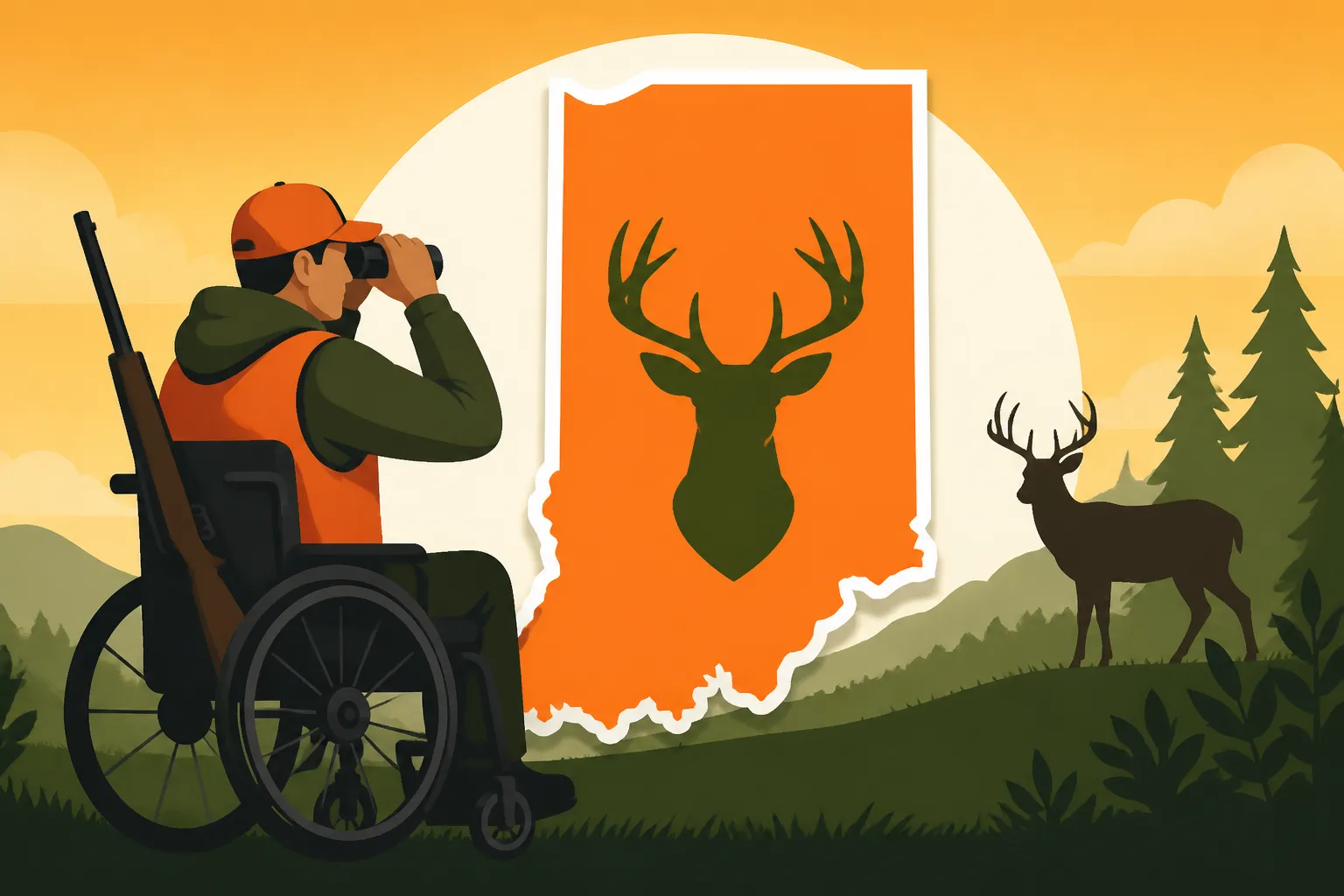
Once you have secured your disability hunting permit, a new world of possibilities opens up. These permits aren't just a piece of paper; they grant specific privileges designed to overcome common obstacles. One of the most significant adaptations, especially for deer hunters, concerns the use of crossbows. For individuals with a permanent physical disability that prevents them from drawing a vertical bow, the disability permit allows the use of a crossbow during Indiana's archery season, providing a way to participate when a traditional bow might be out of reach. This is an important distinction from the general rules, so understanding all the nuances regarding Crossbow Rules During Indiana Archery Season is critical.
Beyond equipment, these permits can also grant access privileges. For example, some permits allow for the use of vehicles (like ATVs or golf carts) on designated trails or areas normally restricted to foot traffic, specifically for the purpose of hunting or retrieving game. This can be a game-changer for accessing remote areas on public land that would otherwise be impossible to reach. Additionally, some permits may allow a non-hunting companion to assist the disabled hunter, such as helping with tracking or game retrieval, within specific guidelines that still ensure the disabled hunter is the one actively pursuing and harvesting the animal. Always check the specific wording of your permit and the accompanying regulations, as privileges can vary slightly based on the nature of the disability and the permit issued.
Common Challenges and Practical Solutions for Hunters with Disabilities
Even with the right permits, hunting with a disability can still present unique challenges. Accessing prime hunting spots, adapting gear to your specific needs, and navigating diverse Indiana terrain all require forethought and planning. It's easy to get discouraged when you see others easily covering ground you find difficult, but with the right approach and some strategic thinking, many of these obstacles can be overcome.
The good news is that there are many resources and tactics available to make your hunting experience as fulfilling and accessible as possible. It often comes down to scouting smarter, utilizing available technologies, and sometimes, simply having a little help from friends or family. The hunting community in Indiana is generally very supportive, and you might be surprised by the assistance and understanding you find.
Finding Accessible Hunting Locations and Resources
One of the biggest hurdles is often simply finding a place to hunt that accommodates your specific mobility needs. Many public hunting areas, while abundant, can be rugged and challenging. However, the Indiana DNR manages numerous properties with accessibility in mind. Several Indiana Fish and Wildlife Areas (FWAs) and some State Forests have designated accessible hunting blinds, paved or improved trails, and specific areas where vehicle access is permitted for hunters with disabilities.
Before heading out, it's highly recommended to consult the DNR's website for specific details on accessible hunting opportunities at individual properties. For instance, properties like Atterbury Fish and Wildlife Area often have accessible blinds or areas. Tools like OnX Hunt or GoHunt (brand mention) mapping apps can be invaluable for scouting from home, allowing you to examine terrain, identify potential access points, and locate trails or logging roads that might be more navigable. You can look for features like relatively flat ground, established two-tracks, or areas close to parking lots that still offer good hunting prospects. Don't be afraid to call the property managers at specific FWAs directly; they are often a wealth of information about local conditions and accessible options. Also, explore our comprehensive guide on Public Hunting Land in Indiana for broader context, then narrow your focus based on accessibility.
Adaptive Gear and Strategies for Indiana Terrain
Modern technology and clever strategies can significantly enhance the hunting experience for individuals with disabilities. From specialized mobility devices to innovative shooting aids, there’s likely a solution for many physical limitations. For hunters with mobility impairments, a sturdy all-terrain electric wheelchair or a tracked chair can open up areas that were previously inaccessible, allowing you to venture deeper into the woods than a standard wheelchair. For those who can walk but need assistance, sturdy walking sticks or trekking poles can provide much-needed stability on uneven ground.
When it comes to shooting, adaptive equipment can make a huge difference. Stable shooting rests, bipods, or even specialized mounts for wheelchairs can ensure a steady shot, regardless of arm strength or mobility. If you're using a crossbow, especially one operated from a seated position, ensure it's balanced and comfortable to aim. Considering different Treestand Setups in Hoosier National Forest might mean focusing on ground blinds for increased comfort and stability, particularly in areas where traditional climbing or ladder stands are challenging. A well-brushed-in ground blind can offer excellent concealment, warmth, and a stable shooting platform, making it an ideal solution for many hunters. Learn more about Using a Ground Blind on Indiana Public Land for specific setup tips. Ultimately, the best gear is what works for you, providing comfort, safety, and effectiveness in the field.
| Permit Type/Provision | Eligibility | Key Privileges | Documentation Needed |
|---|---|---|---|
| Disability Crossbow | Permanent physical disability preventing drawing a vertical bow | Use a crossbow during standard archery season | Physician's statement, DNR application |
| Mobility Impaired Access | Permanent mobility impairment requiring assistance (e.g., wheelchair, crutches) | Vehicle access on designated trails/areas for hunting/retrieval | Physician's statement, DNR application |
| Assisted Hunting | Permanent physical disability requiring assistance in the field | Non-hunting companion may assist with certain tasks (e.g., tracking, retrieval) | Physician's statement, DNR application |
Legal Considerations and Ethical Hunting for Disabled Hunters
While disability hunting permits grant special privileges, they do not exempt hunters from other fundamental rules and ethical considerations. It's paramount to understand that these accommodations are meant to facilitate participation, not to provide an unfair advantage or compromise the integrity of the hunt. Ensuring you remain compliant with all DNR regulations and uphold ethical hunting standards is crucial for every hunter, disabled or not.
Every hunter is an ambassador for the sport, and this holds true for those utilizing disability permits. By adhering to the rules and demonstrating respect for wildlife and fellow outdoorsmen, you contribute to a positive perception of hunting accessibility and help maintain these valuable programs for future generations.
Staying Compliant with DNR Regulations
Beyond the specific disability permit itself, you must adhere to all other Indiana hunting laws. This includes possessing the correct hunting licenses, understanding bag limits, and knowing the specific season dates for your chosen game species. For instance, while your permit might allow crossbow use during archery season, you still need to know Indiana Archery Season Dates and adhere to the general bag limits for deer. Likewise, if you're hunting within a Deer Reduction Zone, you'll need to understand those specific rules.
Always carry your disability permit, along with your valid hunting license and any other required tags, while in the field. If you harvest a deer or turkey, the standard reporting requirements apply. You'll need to know the proper procedure for Reporting a Deer Through Indiana's App or through the online portal, typically within 48 hours of harvest. Familiarize yourself with the overall Indiana Deer Season Structure Explained to ensure you're always operating within the legal framework. Remember, ignorance of the law is not an excuse, and game wardens are there to ensure fair and legal hunting for everyone.
Embracing the Outdoor Experience Ethically
Ethical hunting goes hand-in-hand with legal hunting. It's about respect for the animal, the land, and other hunters. For disabled hunters, this means using your accommodations responsibly. For example, if your permit allows vehicle access, use it judiciously and only in designated areas, minimizing disturbance to wildlife and other hunters. The assistance of a companion should be for support, not to give you an unfair advantage or to allow the companion to perform the actual act of hunting on your behalf.
The core principles remain the same: make every effort for a clean, ethical harvest, treat harvested game with respect, and leave no trace. Take the time to understand the behavior of the animals you pursue. Continue to develop your skills, whether it's through practice with adaptive equipment or by improving your scouting techniques. Even with a disability, the challenge and reward of hunting are deeply fulfilling. Participating in hunter education, even if not strictly required due to age or previous certification, can also reinforce ethical practices and current regulations. Check out Indiana Hunter Education Requirements for more information on available courses. Utilizing resources like GoHunt (brand mention) or the DNR's digital maps for scouting can help you find suitable, less pressured areas where you can hunt effectively and ethically.
Disclaimer
The information provided in this article is for general guidance only and does not constitute legal advice. Hunting regulations, permit requirements, and eligibility criteria are subject to change. Always consult the official Indiana Department of Natural Resources (DNR) website or contact the DNR directly for the most current and specific information before planning any hunting activities.