Indiana Special Youth Hunt Windows
Getting kids excited about hunting can be one of the most rewarding experiences as an outdoors enthusiast, but sometimes the sheer volume of regulations and overlapping seasons can feel like a maze, making it hard to find the perfect opportunity for our younger hunters. Don't even get me started on trying to decipher which tag goes with which animal for which youth season! This comprehensive guide aims to cut through that confusion, giving you a clear roadmap to understanding Indiana's special youth hunt windows, ensuring your next outdoor adventure with a young one is full of good memories, not headaches.
The Heart Behind Indiana's Youth Hunting Opportunities
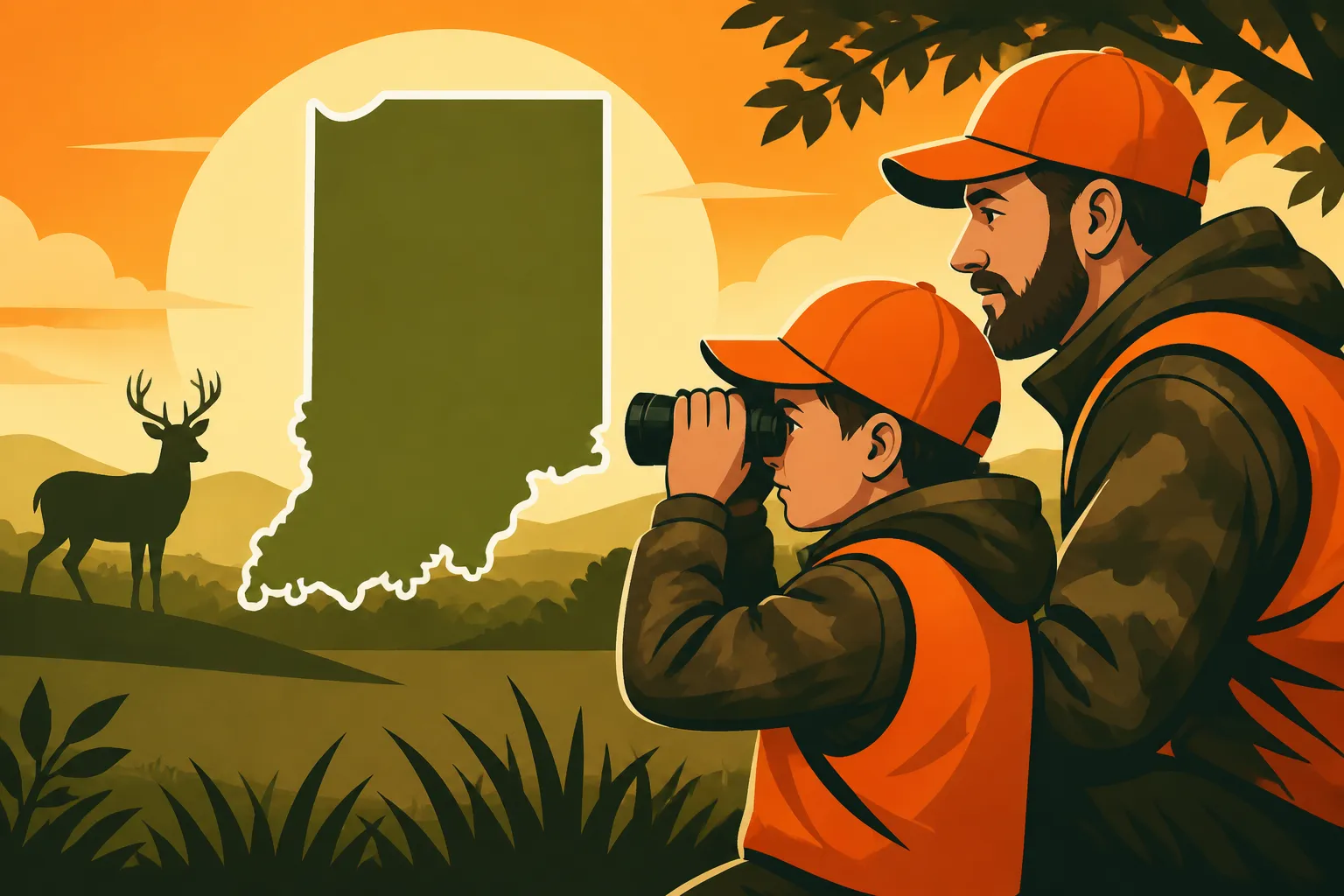
For many of us, our love for hunting started with a parent, grandparent, or mentor taking us under their wing, sharing the quiet beauty of a deer stand at dawn or the thrill of a gobbler answering a call. Indiana's special youth hunt windows are designed to foster exactly that – a chance for young people to experience hunting in a less pressured environment, often with exclusive access before the regular seasons open. It's not just about harvesting an animal; it's about connecting with nature, learning responsibility, and building a foundation for a lifelong passion. The Indiana DNR understands that these early experiences are crucial for recruitment and retention in the hunting community, which is why these dedicated seasons exist. They act as a fantastic on-ramp for newcomers, making the initial learning curve a little less steep and a lot more fun.
Why Dedicated Youth Seasons Matter
Think about the first time you stepped into the woods with a firearm or bow. For many, it's overwhelming. There are so many things to learn, from safety and ethics to scouting and shot placement. When you add in the pressure of competition from seasoned adult hunters, it can be a lot for a young person to handle. Dedicated youth seasons, like the one for white-tailed deer, create a calmer, more focused environment. During these periods, only youth hunters (and their non-hunting adult mentors) are allowed to harvest game. This significantly reduces hunting pressure on public lands and often means a higher chance of encountering animals, which is a huge confidence booster for a new hunter. It allows the mentor to focus entirely on teaching, rather than worrying about their own tag or bumping into other hunters.
Mentorship: The Unseen Harvest
Beyond the actual hunt, these windows are truly about mentorship. It's about sitting quietly in a blind, whispering about squirrel movements, or tracking deer sign in the mud. It's about teaching patience when game doesn't appear, resilience when a shot is missed, and respect for the animal and its habitat. The rules around Indiana's youth hunts emphasize this by requiring an adult mentor to be present. This mentor cannot carry a firearm or bow and arrow during certain youth seasons, reinforcing that their role is purely to guide, instruct, and supervise. This focus ensures that safety is paramount and that the young hunter receives undivided attention, learning not just how to hunt, but how to be a responsible, ethical hunter.
Key Youth Hunting Seasons in Indiana
Indiana offers specific youth hunting opportunities for deer, turkey, and often for various small game species. These special windows are carefully timed to provide optimal chances for success while managing game populations effectively. It’s important to remember that regulations can change, so always double-check the current year's Indiana hunting regulations before planning your trip. Knowing the exact dates and rules for seasons like the aptly named, Indiana Youth Weekend Dates can make all the difference in preparing your young hunter.
Youth Deer Season: A Fall Tradition
The Youth Deer Season is arguably the most popular and anticipated special hunt window in Indiana. Typically held for a weekend in late September or early October, it offers young hunters (usually under the age of 18) the first crack at deer before the regular archery and firearms seasons kick off for adults.
| Species | Season Type | Typical Dates | Bag Limit (Youth) | Mentor Requirement |
|---|---|---|---|---|
| White-tailed Deer | Archery/Firearms | Late Sept./Early Oct. | 1 Antlered, 1 Antlerless* | Yes, must be licensed, non-hunting |
| Wild Turkey | Spring Gobbler | Late April/Early May | 1 Bearded Gobbler | Yes, must be licensed, non-hunting |
| Small Game (e.g., Squirrel) | Firearm/Archery | Varies, check regulations | Varies by species | No (if hunter ed complete) |
| *Bag limits are subject to change. Always verify current DNR regulations. |
During the youth deer season, hunters can typically use any legal firearm, muzzleloader, or archery equipment (including crossbows) as permitted by statewide regulations. This flexibility allows young hunters to use whatever equipment they are most comfortable and proficient with, which is a huge benefit for building confidence. For instance, a young hunter might prefer a .410 shotgun loaded with slugs or a crossbow, rather than tackling a heavier centerfire rifle or compound bow initially. The general bag limit often includes one antlered deer and one antlerless deer, but specific tags and bag limits can vary by county, especially in Deer Reduction Zone areas. This is where tools like GoHunt or the Indiana DNR's own mapping applications come in handy, allowing you to quickly verify local regulations.
Youth Spring Turkey Season: Early Morning Excitement
Similar to deer, Indiana offers a dedicated Youth Spring Turkey Season, typically a weekend or a few days immediately preceding the statewide general spring turkey season. This early access allows young hunters to pursue bearded gobblers when they are often most active and vocal, without the added competition from adult hunters. The thrill of hearing a gobbler thunder from the roost at dawn, knowing it's your turn, is an experience that stays with a young hunter forever.
For this season, the youth hunter must adhere to all general turkey hunting regulations, including legal firearms (shotguns) and archery equipment, and the specific bag limit of one bearded gobbler for the spring season. Just like with deer, the adult mentor must be present and cannot carry a firearm or bow during the hunt. This specific window is fantastic for teaching calling techniques and patience, as spring turkeys can be notoriously challenging. It's a great time to focus on the nuances of Calling an Indiana Gobbler Off the Roost without the pressure of other hunters moving in.
Other Youth Hunting Opportunities: Small Game and More
While deer and turkey get most of the spotlight, Indiana also has provisions for youth hunting of small game. For example, the early squirrel season, which often opens in August, provides an excellent, low-pressure opportunity to introduce young hunters to the woods. Squirrels are abundant, provide lots of action, and are a fantastic way to teach gun safety, marksmanship, and basic woodsmanship skills. It’s a prime time to scout out some Squirrel Hunting Indiana Hickory Groves.
It's worth noting that for some small game species, if the youth hunter has completed their hunter education course and is of legal age to hunt alone, an adult mentor may not be explicitly required to be non-hunting. However, for special youth-only seasons like deer and turkey, the non-hunting mentor rule is strict. Always consult the official DNR regulations for specific species and seasons. These opportunities are often less formal but no less valuable for instilling a love for the outdoors.
Preparing for a Successful Youth Hunt
Success in youth hunting isn't just about bagging an animal; it's about the entire experience. Proper preparation, focusing on safety, and setting realistic expectations are crucial components of making these special windows truly special. It’s not just about what gear you bring, but how you prepare the young hunter for the mental and physical aspects of the hunt.
Hunter Education and Licensing
Before any youth can head afield, completing a certified Indiana Hunter Education course is usually a prerequisite, especially for those who wish to hunt unsupervised in the future. Even for mentored hunts, having this foundational knowledge is incredibly important for safety and ethical behavior. Indiana offers various options for Indiana Hunter Education Requirements, including online courses combined with field days. Once hunter education is complete, obtaining the appropriate Indiana hunting licenses is the next step. Indiana offers a variety of license options, including a The Indiana Resident Deer Bundle which often covers youth tags for deer. These can be purchased easily online through the Go Outdoors Indiana portal or at authorized license vendors.
The youth hunter will need their own license and any necessary tags for the species they plan to pursue. The adult mentor also needs to be legally licensed in Indiana, even if they are not actively hunting during the youth season. This ensures that all parties understand and adhere to the state's hunting laws. Using an app like GoHunt can help you keep track of license requirements and even upload your digital license for easy access in the field.
Gear, Safety, and Comfort
When it comes to gear, comfort and safety should always be the top priorities for a young hunter. Start with firearms or bows that fit them properly and that they can handle safely and accurately. For firearms, this might mean a shorter stock or a lighter recoil cartridge. Practice, practice, practice at the range is non-negotiable before heading into the woods.
Essential gear includes appropriate blaze orange for visibility (unless it’s archery-only season and the youth hunter is in a ground blind or elevated stand, though blaze orange is always a good idea when moving), comfortable layers of clothing suitable for changing Indiana weather, sturdy boots, and a safety harness if hunting from a treestand. Don't forget bug spray, snacks, water, and a first-aid kit. Consider a lightweight portable seat or a comfortable ground blind. Remember, a cold, hungry, or uncomfortable young hunter is rarely a happy hunter. Having the right clothing, like durable boots for navigating the diverse terrain of Indiana, can make a significant difference. You can find more specific advice on Clothing for an Indiana Late Season which also applies to early fall youth hunts depending on the weather.
Scouting and Stand Selection
Just like with adult hunts, scouting is paramount for youth hunts. Take the young hunter with you to scout potential hunting spots. Look for deer sign like tracks, rubs, scrapes, and feeding areas. Understanding Scouting Indiana Public Land Before Season is an invaluable lesson. For youth hunts, selecting a location that offers a high probability of seeing game, even if it’s just a squirrel or a bird, keeps engagement high. An ideal spot might be near a known food source like an acorn flat or a field edge, or a natural funnel point.
When setting up a stand or blind, prioritize safety and comfort. A well-brushed-in ground blind can offer excellent concealment and warmth, making it easier for a young hunter to move around a bit without spooking game. If using a treestand, ensure it's secure, stable, and that the young hunter is properly harnessed and understands how to safely ascend and descend. For more specific advice, consider guides on Hanging a Stand on a Southern Indiana Ridge or Using a Ground Blind on Indiana Public Land. These early lessons in identifying prime habitat and ethical stand placement are critical.
Maximizing the Experience and Overcoming Challenges
Youth hunts are about creating positive, lasting memories. It's okay if a deer isn't harvested or a turkey doesn't gobble. The real trophy is the time spent together, the lessons learned, and the bond strengthened in the outdoors.
Setting Realistic Expectations
It’s crucial to manage expectations for both the mentor and the young hunter. Hunting is inherently unpredictable. There will be days when animals don’t show up, or when shots are missed. Emphasize that hunting isn’t just about the kill; it’s about the entire experience. Talk about the sounds of the woods, the beauty of a sunrise, and the satisfaction of quietly observing wildlife. If a harvest occurs, celebrate it appropriately, focusing on the hard work and patience that went into it, and reinforcing the importance of ethical shot placement and quick recovery. If no animal is harvested, focus on the positive aspects of the day: "We saw three squirrels!" or "That was a beautiful sunrise!"
Dealing with Disappointment and Fatigue
Young hunters, especially younger ones, can get bored, cold, or tired quickly. Have strategies in place to combat this. Bring engaging activities that can be done quietly, like a small book or nature guide, or simply pointing out different trees and birds. Keep snacks and warm drinks handy. If the young hunter is getting restless, it might be time to take a break, go for a short walk (if safe and practical), or even pack up for the day. Pushing a child past their comfort level can quickly turn a fun experience into a chore, potentially souring their interest in hunting long-term. Remember, short, enjoyable outings are far more valuable than long, miserable ones.
Ethical Considerations and Post-Harvest Responsibility
A youth hunt is an ideal time to instill strong ethical values. Discuss fair chase, respecting wildlife, and following all regulations. If a harvest occurs, ensure the young hunter is involved in the entire process, from tracking and field dressing to processing the meat. This teaches them accountability and a deeper appreciation for where their food comes from. Explaining how to properly tag and Reporting a Deer Through Indiana's App is a critical step in their development as a responsible hunter. It reinforces that hunting is a privilege with responsibilities attached.
The Indiana DNR has made reporting game straightforward, allowing hunters to do so online or via their smartphone app, making the administrative part less intimidating for new hunters and their mentors. These are vital steps in becoming a fully responsible hunter and ensuring the integrity of Indiana's wildlife management programs.
Disclaimer
Please remember that hunting regulations, season dates, and license requirements are subject to change. Always consult the most current Indiana Department of Natural Resources (DNR) hunting and trapping guide before planning any hunting activity. This guide is for informational purposes only and should not replace official state regulations.