Indiana Spring Turkey Bag Limit Rules
It can be incredibly frustrating to get all geared up for Indiana's spring turkey season, only to feel lost in a tangle of regulations, especially when it comes to understanding exactly how many birds you can harvest and when. The last thing any ethical hunter wants is to accidentally run afoul of the law simply because the rules weren't clear. This guide is here to untangle the complexities of Indiana's spring turkey bag limit rules, ensuring you can focus on calling in that wary gobbler with confidence and a clear conscience.
Navigating Indiana's Spring Turkey Season Structure
Before we even dive into bag limits, it's crucial to understand the overarching structure of the Indiana spring turkey season. It's not just one big open period; there are distinct segments, and knowing them is your first step to a successful and legal hunt. Thinking of it as a single, uninterrupted season can lead to confusion and potential missteps.
Key Dates and Season Segments
Indiana's spring turkey season traditionally kicks off with a special youth weekend, followed by the general statewide season. These aren't just arbitrary dates; they're strategically placed to provide opportunities while also managing the resource. The early youth season, for example, is a fantastic chance for younger hunters to experience the thrill of turkey hunting with less pressure, often under the guidance of an experienced mentor. Then, the main season opens, usually in late April, running through the middle of May. These dates are critical, and you'll want to mark them on your calendar. Getting a handle on these periods is essential. You can always check the official DNR website or resources like GoHunt to confirm the precise Indiana Spring Turkey Opening Day and Indiana Spring Turkey Closing Date each year, as they can shift slightly.
It's a common mistake for hunters, especially those new to the sport or new to Indiana, to assume the season runs for an entire month straight without any nuances. But understanding that youth hunters have their own dedicated window, often before the general season opens, is a key distinction. This allows for a unique, focused hunting experience for the next generation without the crowds that can sometimes come with the general opener. It's truly a thoughtful approach to hunter recruitment and resource management.
Understanding License Requirements
Having the right license and tags is non-negotiable for hunting anything in Indiana, and spring turkey is no exception. You'll need a valid Indiana hunting license, of course, but specifically for turkey, you'll need a spring turkey license or "tag." This tag is what allows you to legally harvest a bird. For residents, there are various options, including the very popular Resident Deer/Turkey Bundle, which often makes economic sense if you plan to hunt both species. Non-residents also have options, including a specific non-resident spring turkey license.
Many people wonder if they need a separate license for each bird they plan to harvest. In Indiana, for spring turkey, one license typically covers your single bird bag limit. If you've got your sights set on a gobbler, make sure that turkey license is punched and ready. Don't forget that a valid Hunter Education certificate, or an Apprentice Hunter License, is also a requirement for most hunters. If you're new to the sport, make sure to check out the Indiana Hunter Education Requirements well in advance of the season. Always double-check that you're square on all your licensing before stepping foot in the woods; it's a simple step that prevents big headaches.
The Nitty-Gritty of Spring Turkey Bag Limits
This is where the rubber meets the road for many hunters. What exactly can you take? How many? And what counts? Indiana's spring turkey bag limit is quite straightforward, but there are important details that, if overlooked, can turn a successful hunt into a legal issue. It’s not about how many birds you see, but how many you can legally harvest.
What "One Bearded Wild Turkey" Really Means
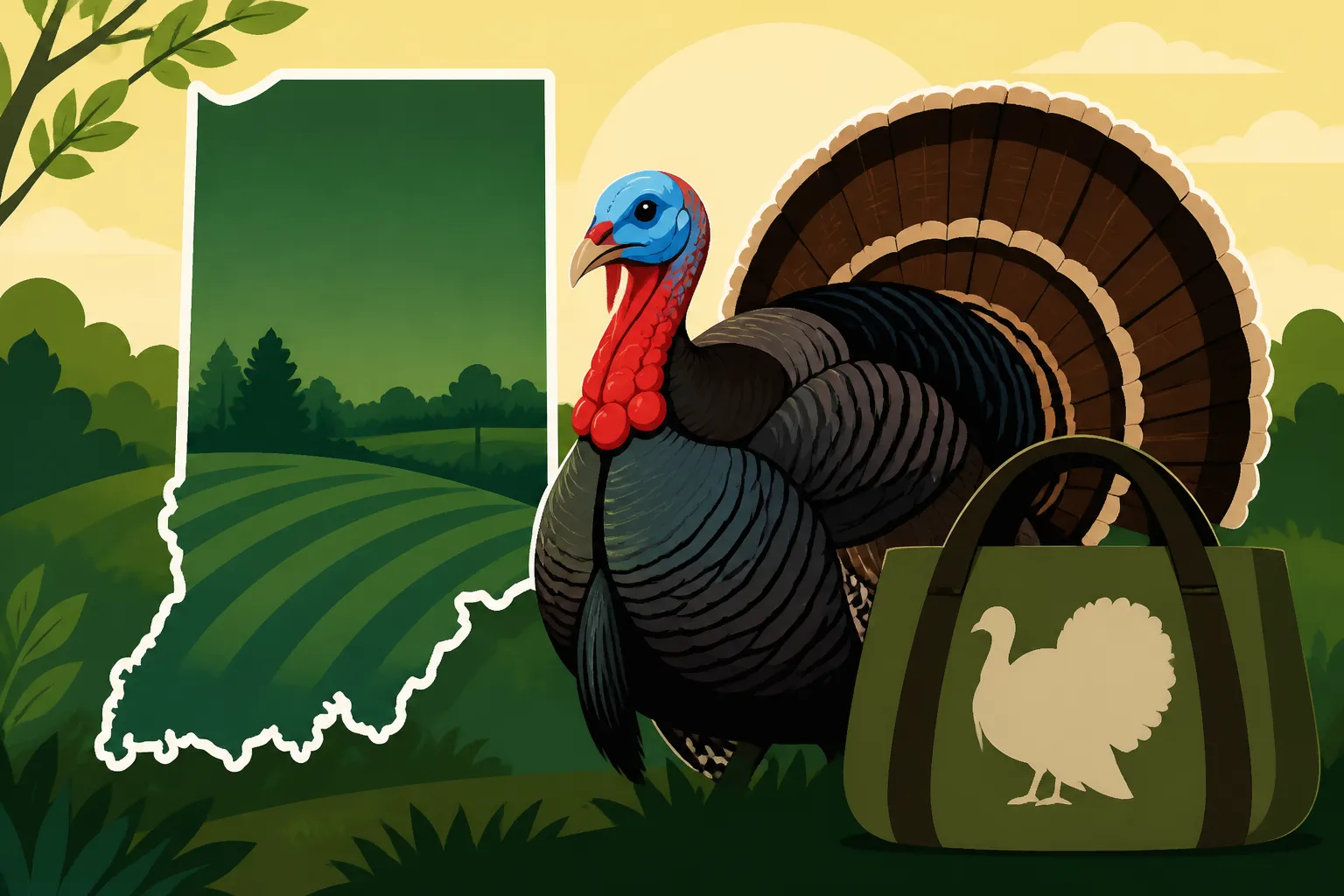
In Indiana, the spring turkey bag limit is one (1) bearded wild turkey per hunter for the entire spring season. That's it. One bird. This means that once you've successfully harvested and checked in your bearded gobbler, your spring turkey season is over. You cannot go out and hunt another bird, even if you still have time left in the season or if you manage to find an incredible flock. The emphasis here is on "bearded." This specification is key because it primarily targets male turkeys (gobblers), which almost always possess a beard, while protecting hens, which are essential for population reproduction.
Occasionally, a hen might grow a beard, and while rare, such a bird would technically be legal to harvest under the "bearded wild turkey" rule. However, it’s a good practice to focus on identifiable gobblers, as harvesting hens, even bearded ones, can sometimes be controversial among hunters concerned about breeding stock. The core intent of the regulation is to allow for the harvest of mature males that have already contributed to breeding, while safeguarding the female population, which directly impacts the Indiana Turkey Population Trends. This careful management helps ensure that Hoosier woods remain full of turkeys for generations to come.
The Youth Season Advantage
The youth spring turkey season offers a unique opportunity, but the bag limit remains the same: one bearded wild turkey. What's distinct about the youth season is when it occurs and the lower pressure environment it often provides. Typically held a week or so before the general opener, it allows youth hunters (usually 17 years of age or younger, with specific rules for mentored youth) to be in the woods when gobblers might be less pressured and more responsive to calls.
This early start doesn't grant an additional bird. If a youth hunter harvests a bearded turkey during the youth season, their spring turkey tag is filled for the entire season, just like an adult's. They cannot hunt again during the general season. It’s a dedicated window, not an extra tag. This setup helps new hunters build confidence and enjoy the sport, fostering a love for the outdoors without adding undue pressure on the turkey population by increasing the overall bag limit. Remember, all harvested birds, including those from the youth season, must be immediately tagged and reported.
How to Interpret Bag Limit for Multiple Properties
A common question that arises, especially for hunters with access to multiple tracts of land, is whether the bag limit applies per property or per hunter across the state. In Indiana, the bag limit of one bearded wild turkey is per hunter, statewide, for the entire spring season. It does not matter if you hunt on your own private land, a friend's farm, or a public property like Yellowwood State Forest; once you harvest your one bearded turkey, your season is done for the spring.
This rule is crucial for conservation. If the bag limit were per property, a single hunter could potentially take multiple birds, which would put undue pressure on the turkey population. The statewide limit ensures that the harvest remains sustainable and equitably distributed across the hunting population. So, whether you're Hunting Southern Indiana Ridges or setting up on a northern Indiana field edge, that single bearded bird is your maximum for the spring. Knowing this helps you make strategic decisions about when and where to commit your one opportunity.
Here's a quick summary of the key season and bag limit rules:
| Season Segment | Dates (Approximate) | Bag Limit | Eligible Hunters |
|---|---|---|---|
| Youth Season | Mid-April | 1 Bearded Wild Turkey (total) | Hunters 17 or younger (with proper license/mentorship) |
| General Spring Season | Late April – Mid-May | 1 Bearded Wild Turkey (total) | All licensed hunters |
Note: Always check the current Indiana DNR Hunting and Trapping Guide for exact dates and regulations, as they can change annually.
Conservation Principles Behind the Limits
It might seem restrictive to some, only allowing one turkey per spring season, but these limits aren't arbitrary. They are carefully crafted by wildlife biologists and managers at the Indiana Department of Natural Resources (DNR) with deep understanding of turkey biology, population dynamics, and sustainable harvest. These regulations are the backbone of healthy turkey populations across the state, ensuring that the thrill of chasing gobblers remains a tradition for future generations.
Protecting the Breeding Stock
The primary reason for limiting the spring harvest to "bearded" birds is the protection of the breeding stock – specifically, the hens. Hens are the reproductive engine of the turkey population. Each hen has the potential to lay a clutch of eggs and raise poults, directly contributing to the next generation of turkeys. Removing hens, especially before they have had a chance to breed, can significantly impact population growth and stability. By restricting the harvest to bearded birds, the vast majority of which are gobblers, hunters are targeting birds that have often already participated in breeding or whose removal will not significantly hinder overall reproductive success.
While gobblers are important for genetics and breeding, their removal in the spring is less impactful on overall population numbers than the removal of a hen. A single gobbler can breed with many hens, so removing one doesn't stop the breeding process. This strategic targeting ensures that the future of Indiana's wild turkey populations remains secure, allowing for sustainable hunting opportunities year after year.
The Role of Population Management and Harvest Data
The Indiana DNR continuously monitors turkey populations through various methods, including brood surveys, hunter harvest reports, and scientific studies. This data is critical for understanding population trends, health, and distribution across the state. The bag limit is directly informed by this ongoing research. If populations are thriving, the limits might remain stable; if there's a decline in certain areas, the DNR might consider more restrictive measures in the future.
Every time a hunter successfully checks in a turkey, that data point contributes to the DNR's understanding of the overall harvest and population health. This allows biologists to make informed decisions about season lengths, bag limits, and other regulations to ensure long-term sustainability. It’s a collaborative effort between hunters and wildlife managers: hunters provide the necessary data through reporting, and the DNR uses that data to manage the resource effectively. This is why accurately reporting your Indiana Turkey Harvest Numbers is not just a legal obligation but a vital contribution to conservation.
Common Misunderstandings and How to Avoid Them
Even with clear rules, misunderstandings can crop up, especially in the heat of the moment or when adrenaline is pumping. Being aware of these common pitfalls can help you avoid making a mistake that could cost you a bird, a fine, or even your hunting privileges. It's about being prepared, not just with your gear, but with your knowledge.
Misinterpreting "Bearded" and "Gobbler"
While "bearded wild turkey" almost exclusively means a gobbler, it's not synonymous with "any turkey that gobbles" or "any turkey that acts like a male." The key, as the rule states, is the presence of a beard. This distinction is critical because, as mentioned, some hens can grow beards, and some jakes (young males) might not have a visibly long beard, yet are still legal. Conversely, you might hear a hen "cluck" like a male or display male-like behavior, but without a beard, it's not a legal bird.
This ambiguity sometimes leads to confusion, particularly for new hunters. The best advice is always to positively identify a beard before taking a shot. If you're unsure, don't pull the trigger. There's no shame in letting a bird walk if you can't be 100% certain of its legal status. Patience and positive identification are always the wisest course of action when Calling an Indiana Gobbler Off the Roost.
The Importance of Immediate Tagging and Reporting
This is perhaps the most critical post-harvest step, and one where missteps frequently occur. After harvesting your bearded wild turkey, Indiana law requires you to immediately attach a valid turkey transportation tag to the bird. This tag, which comes with your license, must be filled out completely and secured to the turkey before you move it from the place of kill. "Immediately" means immediately – before you even think about dragging it back to the truck or showing it off to your hunting buddies.
Beyond tagging, every harvested turkey must be reported to the Indiana DNR within 48 hours of harvest. This can typically be done online through the Go Outdoors Indiana website, or through the Indiana DNR mobile app. This reporting is not just a formality; it's how the DNR collects vital harvest data to manage the turkey population. Failure to tag or report your turkey is a serious violation. Don't let the excitement of a successful hunt overshadow these critical legal requirements. Make it part of your post-hunt routine, just like cleaning your gun or packing up your Turkey Gear for an Indiana Spring.
Practical Strategies for a Successful and Compliant Hunt
Beyond knowing the rules, actually implementing strategies that lead to a successful and legal hunt is where the true art of turkey hunting comes in. It’s about merging your knowledge of the regulations with your hunting skills to create a memorable and ethical experience.
Pre-Season Planning and Scouting
Success in turkey hunting, and avoiding legal troubles, often starts long before opening day. Pre-season scouting is paramount. This isn't just about finding birds; it's about understanding their patterns, identifying potential roosting areas, and locating good ambush spots where you can clearly identify a bearded bird. For instance, knowing where Indiana Gobblers Roost can give you a significant advantage for a morning setup. When scouting, pay attention to the terrain and vegetation. Can you set up in a spot that offers clear lines of sight, allowing for positive identification of a beard before you take a shot? Are there any potential property line issues you need to clarify?
Many hunters use mapping apps like GoHunt to scout public and private land boundaries digitally before ever stepping foot in the woods. This helps avoid accidental trespass and ensures you're hunting legally within your chosen area. During your scouting, make mental notes of potential tagging locations, places where you can easily fill out your tag, and the best routes for extracting your bird while adhering to all tagging requirements. A little pre-planning goes a long way in ensuring compliance and a smooth hunt.
Ethical Hunting Practices and Legal Considerations
Adhering to ethical hunting practices is intertwined with legal compliance. This includes things like knowing your effective range, practicing your calling, and understanding how to read turkey behavior. For example, if you're Hunting the Statewide Turkey Opener in April, you might encounter more pressured birds that are harder to call in close. This makes positive identification even more critical. Never take a "hope" shot, especially if you're unsure of the bird's bearded status.
Beyond direct regulations, also be mindful of broader hunting laws:
- Blaze Orange: While often associated with deer season, remember that spring turkey hunters are generally not required to wear blaze orange while actively hunting turkeys, but it is often recommended for safety when entering or exiting the woods. Always check the current regulations, though.
- Hunting Hours: Turkey hunting is typically permitted from 30 minutes before sunrise until sunset. Hunting outside these hours is illegal.
- Weapon Restrictions: Only specific weapons are legal for spring turkey hunting in Indiana, typically shotguns (with specific shot size restrictions) and archery equipment. Make sure your gear is compliant.
- Calling Etiquette: If you're using Turkey Decoys That Work on Pressured Birds, be mindful of other hunters. Avoid setting up too close to another hunter, and always be certain of your target and what lies beyond.
These considerations not only keep you legal but also contribute to a safe and respectable hunting experience for everyone in the woods.
Post-Harvest: Checking Your Bird and Beyond
The hunt doesn't truly end when you pull the trigger. What you do immediately after and in the days following your harvest is just as critical to legal compliance and sound wildlife management. Skipping these steps can lead to serious consequences, even if your intentions were good.
Mandatory Check-In Procedures
As discussed earlier, mandatory check-in is a non-negotiable part of Indiana's hunting regulations for turkeys. Within 48 hours of harvest, your bearded wild turkey must be reported to the Indiana DNR. The easiest and most common way to do this is through the Indiana DNR's online check-in system or their mobile app. You'll need information like your license number, the date and time of harvest, the county of harvest, and the type of bird (bearded hen or gobbler).
This step might seem tedious, but it's vital for collecting accurate harvest data. This data helps the DNR monitor the Indiana Turkey Population Trends, assess the health of the herd, and make informed decisions about future hunting seasons. Without this information, wildlife management would be operating in the dark. So, even after the excitement wears off, take the time to properly report your bird. It's your contribution to conservation.
Carcass Movement and Disease Prevention
Once your turkey is tagged and reported, you might wonder about moving it. Generally, once tagged and checked, you can transport your bird. However, there are considerations, especially if you plan to take your bird out of state or if there are specific disease concerns. While Chronic Wasting Disease (CWD) is primarily a deer issue in Indiana, similar principles apply to other game species if a new disease concern were to arise. For now, the focus is on deer when it comes to carcass movement restrictions in CWD-positive areas, but being aware of general disease prevention practices is always a good idea.
When processing your turkey, ensure you dispose of any inedible parts responsibly, preferably burying them or putting them in a designated waste receptacle. This prevents the spread of potential diseases and reduces the chances of attracting scavengers, which can also spread disease. If you plan to take your bird to a taxidermist or butcher, communicate with them about the tagging and reporting process to ensure they are aware of the legal requirements. Good carcass handling is part of being a responsible hunter and helps maintain the health of Indiana's wild game populations.
Disclaimer
Please note that while every effort has been made to provide accurate and up-to-date information, hunting regulations can change. It is always the hunter's responsibility to consult the most current Indiana Department of Natural Resources (DNR) Hunting and Trapping Guide or visit the official Indiana DNR website before heading afield. This guide is for informational purposes only and should not be considered a substitute for official legal advice or regulations.