Turkey Decoys That Work on Pressured Birds
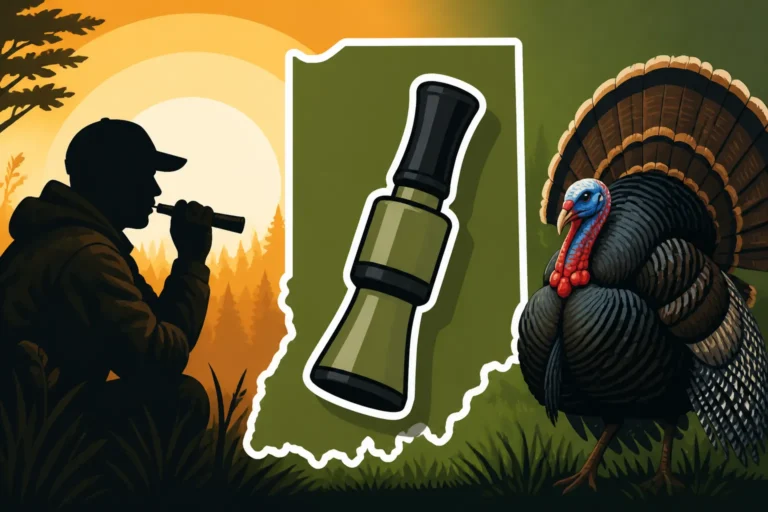
We've all been there: you set up what you think is a perfect turkey decoy spread, you make all the right calls, and a gobbler sounds off close by. Your heart pounds. He's coming! Then, silence. Or worse, you catch a glimpse of him strutting two hundred yards out, looking right at your setup, and turning tail. Pressured turkeys in Indiana, especially those that have seen a few seasons or hunters, are incredibly smart, and they quickly learn to avoid anything that looks or feels wrong. This guide is all about helping you understand why these wily birds get decoy-shy and how to choose and deploy decoys that will actually draw them in, even when they're wary.
Understanding Why Turkeys Get Decoy-Shy
Indiana's turkeys, a true conservation success story, are abundant, but that also means they face significant hunting pressure. Just like a smart old buck that learns to avoid daylight movement, gobblers quickly pick up on common hunting tactics, including decoy setups that just don't pass the sniff test.
The Learning Curve of Local Gobblers
Think about it from a turkey's perspective. In heavily hunted areas, whether it's a popular public access point or private ground that sees consistent pressure, these birds are exposed to a lot of human activity. They see hunters walking in and out of fields, hear calls that don't quite sound right, and unfortunately, some birds even witness their buddies getting pulled from a decoy spread. This creates a strong aversion to anything that seems out of place or too good to be true. A gobbler might approach cautiously, only to "hang up" at a distance, studying your spread from afar, or even circle wide to try and get a look from a different angle. If anything, and I mean anything, seems off—a unnatural shine, a stiff pose, or too many birds in a static formation—they're gone. It's a prime example of their natural instincts kicking in, refined by experience. You might even find them acting particularly wary during the peak of Hunting the Indiana Spring Turkey Opener when human presence is at its highest.
Common Decoy Mistakes That Spook Birds
Many of us, myself included, have fallen victim to these common decoy blunders. One of the biggest mistakes is simply using too many decoys. While a large flock might seem enticing, a group of static, identical plastic birds can scream "fake" to an educated gobbler. Another common issue is the type of decoy itself. Those inexpensive, shiny plastic decoys might look okay in the store, but out in the field, under a bright sun, that glare can be a dead giveaway. Turkeys have incredible eyesight, and they can pick out unnatural reflections or unnatural colors from a surprising distance. Moreover, unrealistic poses are a major turn-off. A gobbler might be looking for a fight with another tom or a receptive hen, but if the posture of your decoy doesn't match the story you're trying to tell with your calls, it simply won't work. For instance, a full-strut gobbler decoy might intimidate younger birds or subordinate toms, but a dominant gobbler might be too wary to approach if he senses something isn't quite right with its stance or lack of movement.
Decoy Characteristics for Pressured Indiana Birds
When you're dealing with Indiana gobblers that have a Ph.D. in avoiding hunters, your decoy strategy needs to shift from quantity to quality, focusing on realism and subtlety.
Realism and Subtlety Over Flash
Forget about those bright, cartoonish decoys you might have started with years ago. For pressured birds, realism is paramount. We're talking about decoys with incredible feather detail, natural coloration that doesn't fade or glare, and a matte finish that absorbs light rather than reflecting it. Many of the newer, high-quality decoys are made from softer, more pliable materials that allow for subtle movement and pack down easily, which is a huge plus when you're hiking into a remote corner of public land. Brands like Avian-X, Dave Smith Decoys, and even some of the more advanced offerings from Primos and Zink have really stepped up their game in this regard. When you're researching options, check out specialized hunting resources, and you might even find insights from platforms like GoHunt that highlight these more realistic models, sometimes with reviews from hunters who have used them successfully on tough birds. A truly realistic decoy doesn't just look like a turkey; it embodies the feel of a turkey, convincing enough to overcome a gobbler's innate wariness.
The Power of the Single Hen or Breeding Pair
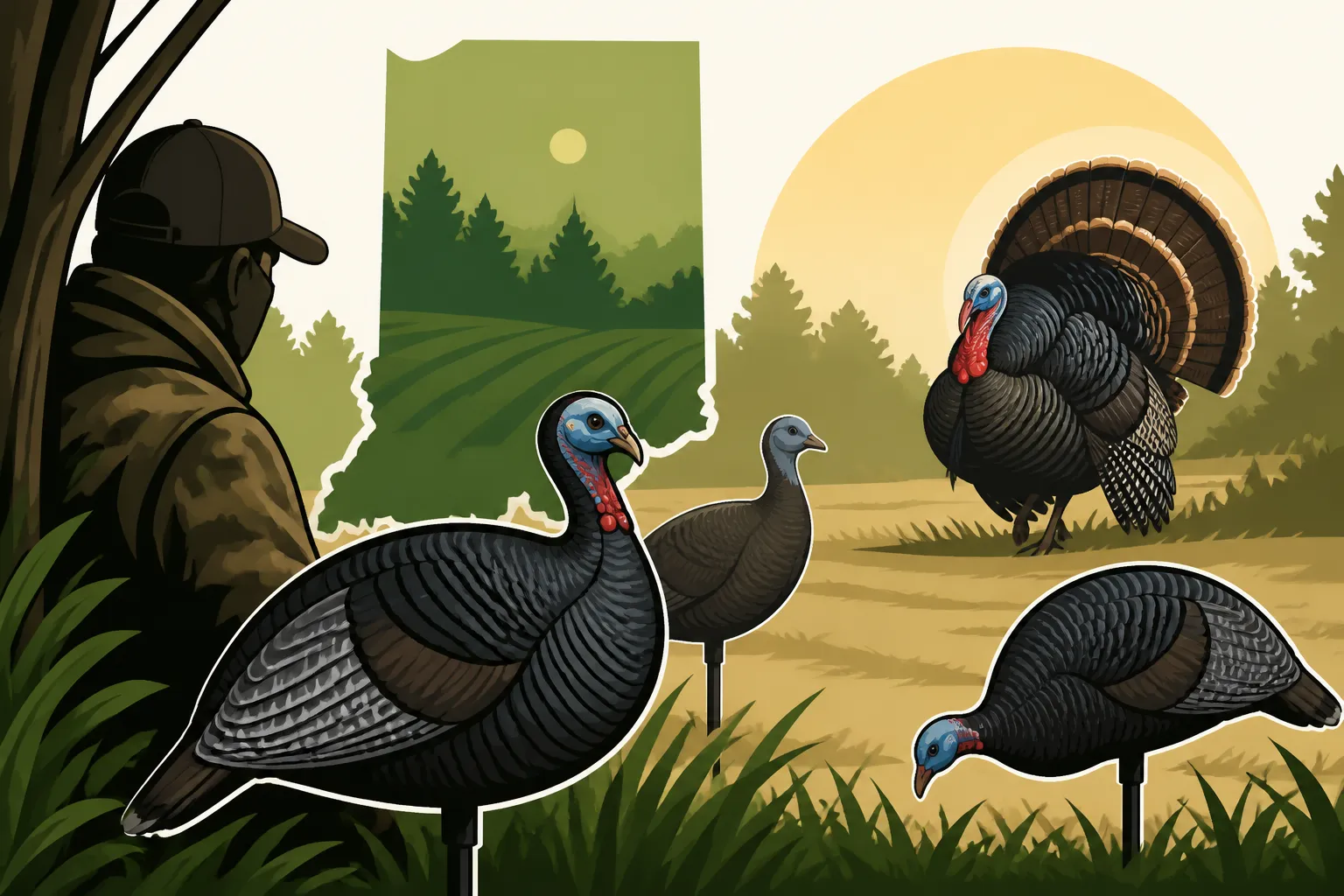
It's a common misconception that you need a huge, dominant gobbler decoy to draw in a tom. On pressured public lands or even wary private tracts, a single, submissive hen decoy or a subtle jake and hen breeding pair is often far more effective. A lone hen portrays an inviting, non-threatening presence that can pique a gobbler's curiosity without raising his defenses. He sees a potential mate, not a rival. A jake and hen pairing, particularly if the jake is in a submissive or breeding pose, can also be a powerful draw. The dominant gobbler will often see the jake as a challenge he needs to run off to claim the hen. Crucially, these setups avoid the "too good to be true" trap that a big, full-strut gobbler decoy can create. When a real tom approaches a full-strut decoy, he expects a fight. If the decoy is too static or unnatural, he'll often hang up, evaluating the threat from a safe distance. A subtle feeding hen, with her head down, or a lay-down hen, signaling receptiveness, presents a much softer target for a gobbler's ego and his desire to breed.
Motion is Key, But Not Always Obvious
Static decoys can be effective, but introducing subtle motion can be a game-changer for pressured birds. I'm not talking about those wind-sock turkeys that spin like weather vanes; those often look unnatural and will spook a smart bird faster than you can say "gobble." Instead, focus on decoys designed for natural, lifelike movement. Many modern decoys come with stakes that allow for a slight sway in the wind, mimicking a bird preening or shifting its weight. Some even have internal mechanisms or simple pull strings that allow you to make a head subtly turn or a tail fan slightly shift. This kind of nuanced movement breathes life into your setup, making it appear genuinely alive and less like a plastic statue. It adds that missing piece of realism that can turn a wary gobbler's suspicion into curiosity, and then into an irresistible urge to investigate. When considering gear, look for decoys specifically advertised with features that enhance subtle, natural motion, as these are the ones that will truly give you an edge on a smart Indiana tom.
Strategic Decoy Placement for Wary Turkeys
No matter how realistic your decoys are, improper placement can ruin your hunt. For pressured birds, your setup needs to integrate seamlessly with the environment and exploit the turkey's natural tendencies.
Situational Awareness and Terrain
The lay of the land should always dictate where you put your decoys. Are you hunting a wide-open field edge, a narrow logging road, or the timbered bottom of a river valley? Each scenario demands a different approach. On a field edge, placing your decoys a bit further out, perhaps 20-30 yards from your position, can give an approaching gobbler confidence. He might hang up further out, but a good spread will pull his attention. In timber, especially in areas like the Hoosier National Forest Hunting where visibility can be limited, you might need to place decoys closer, perhaps 10-15 yards, to ensure an incoming bird sees them quickly. Always consider the sun's angle. Position your decoys so that the sun illuminates them naturally, making them pop without creating glare or casting long, unnatural shadows. If the sun is at your back, it can help illuminate the decoys for incoming birds while keeping your position in shadow. Think about natural funnels: where do birds prefer to walk? A saddle in a ridge, a pinch point between two woodlots, or a bend in a creek bottom are prime spots to set up. Hunting Indiana River Bottom Funnels often puts you in situations where precise decoy placement is critical to draw birds into a shooting lane.
Setting Up for the Shot Opportunity
This is where the rubber meets the road. Your decoys aren't just there to attract the turkey; they're there to set him up for a clean, ethical shot. Generally, you want your decoys close enough to ensure a good shot, but far enough that the incoming bird focuses on them, not on you. For bowhunters, this means 10-20 yards; for shotgun hunters, 20-30 yards is a good starting point. Crucially, think about the angle. You want the gobbler to approach your decoys, ideally facing slightly away from you, presenting a broadside or quartering-away shot. Never place a decoy directly in front of you if you're shotgun hunting, as the bird might stare at it, presenting only a head-on shot which can be tricky. Try to angle your decoy slightly to your side. If you're using a jake and hen, place the jake facing away from you, as the dominant gobbler will often approach from behind the jake, looking for a confrontation. This subtle positioning helps guide the tom into the perfect position for your shot.
Minimizing Your Footprint and Scent
Pressured turkeys are not just visually wary; they can also be sensitive to disturbances. When deploying your decoys, do so as quietly and quickly as possible. Avoid stomping around, snapping branches, or leaving obvious trails. If you're hunting private land, consider pre-setting your decoys the evening before if the rules allow, ensuring minimal disturbance on the morning of the hunt. On public land, this isn't usually an option, so practice quick, efficient setup. Scent control, while often associated with deer hunting, can also play a role. While turkeys don't have a strong sense of smell, they can definitely react to unusual odors, especially if you're set up in close quarters. Try to minimize your scent by wearing clean clothes, avoiding strong perfumes or colognes, and even considering a quick spray down with a scent eliminator, especially if you're handling the decoys. Every little detail matters when dealing with smart, experienced birds. Remember, Scouting Indiana Public Land Before Season can help you identify ideal, secluded spots for decoy deployment before the season even begins.
Integrating Decoys with Calling and Concealment
Decoys are just one tool in your turkey hunting arsenal. To truly succeed with pressured birds, they need to be part of a larger, cohesive strategy that includes realistic calling and impeccable concealment.
Matching Decoys to Your Calling Strategy
Your calling and your decoy spread should tell the same story. If you're aggressively cutting and yelping, trying to provoke a response, a jake and hen breeding pair might make sense. The jake represents a rival, and your aggressive calls can sound like you're the dominant hen ready for action. If you're using softer, more subtle clucks and purrs, perhaps trying to coax a quiet bird, a single feeding or loafing hen decoy fits that narrative much better. The idea is to create a believable scenario. Don't call like a screaming hen ready to breed while your decoys are all standing stiffly, looking in different directions. The consistency creates confidence in the gobbler. A great strategy for pressured birds is to call, wait for a response, observe the bird's body language, and then adjust your calling and mental picture of the decoy interaction accordingly. If you're calling a bird off the roost, as covered in Roost Hunting Indiana Gobblers, having a decoy ready at your setup spot can provide that visual confirmation he needs when he flies down. Think of it as a play; your calls are the dialogue, and your decoys are the characters on stage. When you're trying to Calling an Indiana Gobbler Off the Roost, the visual appeal of a decoy can solidify his decision to commit to your location once he hits the ground.
Maximize Your Concealment for the Final Approach
This cannot be overstated: the best, most realistic decoys in the world are utterly useless if the gobbler spots you moving. Pressured birds have an uncanny ability to pick out even the slightest movement. Whether you're using a ground blind, like those discussed in Using a Ground Blind on Indiana Public Land, or simply setting up against a large tree, as detailed in Setting Up Against a Big Oak, your concealment must be absolute. Wear full camouflage, including a head net and gloves. Stay absolutely still, even when the bird is far out. Only move when the turkey's head is completely out of sight, either behind a tree, a rise in the terrain, or if it's looking directly at your decoys. The moment that bird locks onto your decoys, it's a critical window. Use it to slowly shoulder your gun or draw your bow. Remember, an incoming gobbler will likely be scanning the area, looking for the source of the calls and the decoys. If you blend into your surroundings completely, the decoys do their job by drawing his attention away from you, giving you that precious moment for a shot.
When to Pull Decoys and Go Mobile
Decoys are not always the answer, especially with extremely pressured birds. Sometimes, a gobbler might be decoy-shy to the point where any visible turkey shape sends him running. Or perhaps the terrain makes decoy placement impractical, or the birds are simply not responding visually. This is when you need to be flexible and consider switching tactics. If a gobbler consistently hangs up out of range, struts nervously, or circles wide without committing, it might be time to ditch the decoys and go mobile. This could mean trying a Run-and-Gun Turkey Tactics on Public Land approach, where you aggressively move and call, trying to quickly locate and engage a gobbler without the visual aid of decoys. It could also mean simply changing your setup to a purely calling-based strategy, relying solely on your skill with various Turkey Calls Worth Carrying in Indiana to lure a bird into range. Knowing when to commit to decoys and when to abandon them is a hallmark of an experienced turkey hunter, especially when dealing with those smart, seasoned Indiana toms.
Here's a quick comparison of decoy types and their general effectiveness on pressured birds:
| Decoy Type | Realism Level (Visual) | Motion Potential | Effectiveness on Pressured Birds (General) | Notes |
|---|---|---|---|---|
| Full-Strut Gobbler | High to Very High | Low to Medium | Low to Medium | Can intimidate subordinate birds; dominant birds may hang up. Best used in aggressive scenarios. |
| Jake Decoy (Submissive) | High to Very High | Low to Medium | Medium to High | Less threatening than a full tom. Invites dominant gobblers to challenge without extreme wariness. |
| Single Feeding Hen | High to Very High | Low (Head Down) | High | Portrays calm, natural behavior. Least threatening, highly inviting. Good for wary birds. |
| Single Upright Hen | High to Very High | Low to Medium | Medium | More alert pose. Can be good, but a feeding pose is often more relaxed and inviting for wary birds. |
| Lay-Down/Breeding Hen | High to Very High | Low | High | Signals receptiveness. A strong draw for gobblers looking to breed without an aggressive display. |
| Flock/Multiple Decoys | Low to Medium | Low | Low to Medium | Too many static decoys can look unnatural and spook wary birds. Keep numbers low for realism. |
| Decoy Fan (Real or Fake) | High | High (Manual) | High (Situational) | Excellent for fanning into range, especially when paired with calls. Requires active hunter participation. |
Disclaimer
This article is for general informational purposes only and does not constitute professional advice. Laws, prices and regulations vary by location and change over time. Consult a qualified professional for guidance on your specific situation.