Rifled Versus Smoothbore Slug Barrels
Choosing the right shotgun barrel for deer hunting in Indiana can feel like trying to solve a puzzle, especially with all the discussions around accuracy, range, and changing regulations. It’s a common frustration for hunters who just want to make the most ethical shot possible, whether they’re in dense timber or overlooking a wide-open field. This guide aims to clear up the confusion between rifled and smoothbore slug barrels, helping you understand their differences and decide which one best suits your hunting style and the unique terrain of the Hoosier State.
Understanding the Fundamentals of Slug Barrels
When we talk about slug barrels, we're really diving into two distinct design philosophies, each with its own strengths and weaknesses. It's not just about the external look of the barrel; it's about how that barrel interacts with the projectile and, ultimately, how accurate you can be in the field. For generations, the smoothbore was the only option, but modern advancements have truly changed the game for slug hunters.
The Classic Smoothbore Barrel
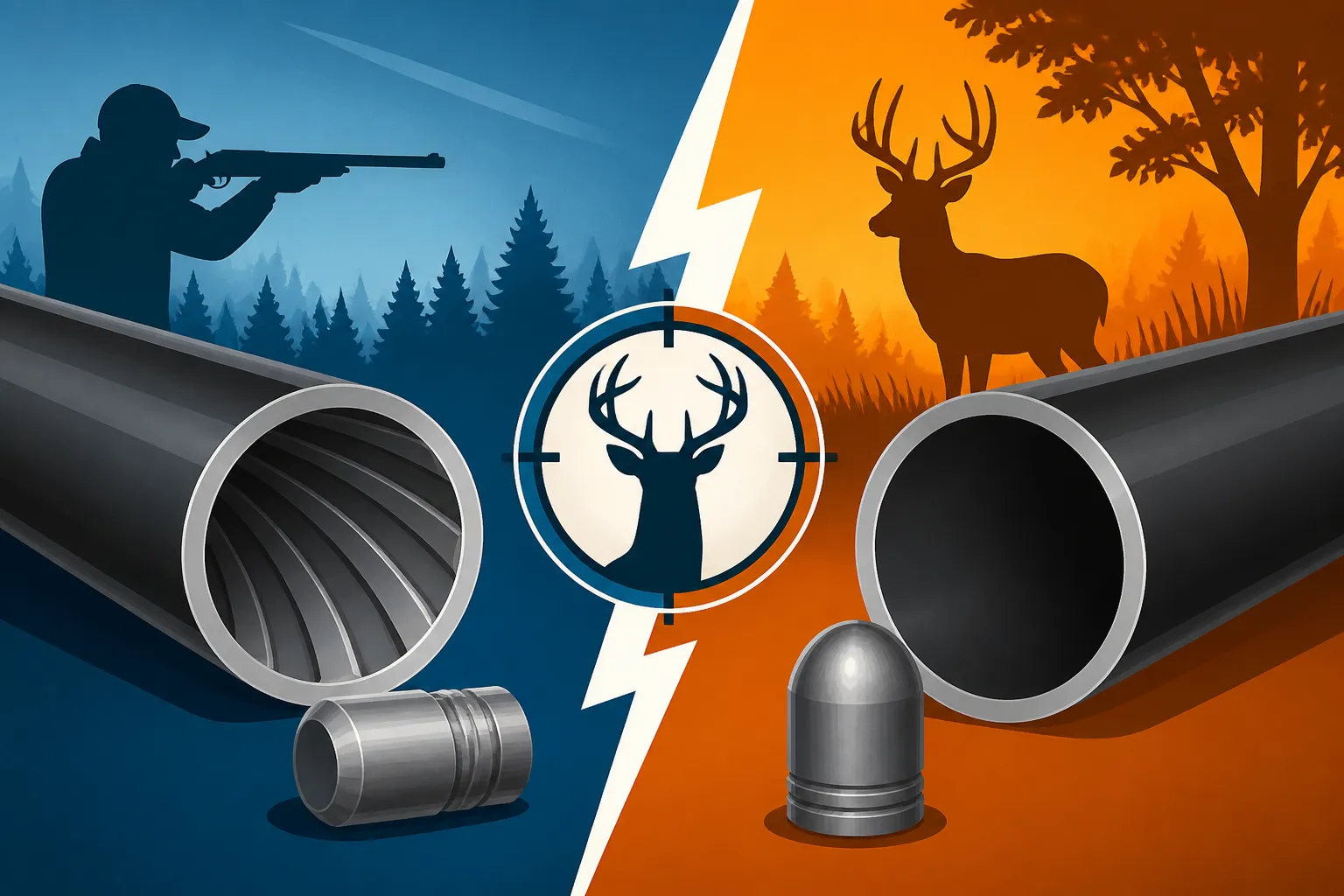
The smoothbore barrel is, as its name suggests, completely smooth on the inside. There are no grooves or twists, just a polished tube. This design is the traditional choice for shotguns, primarily intended for shooting scattershot loads at birds or small game. When it comes to deer hunting with slugs, the smoothbore was the original workhorse, and many seasoned Indiana hunters grew up with nothing else.
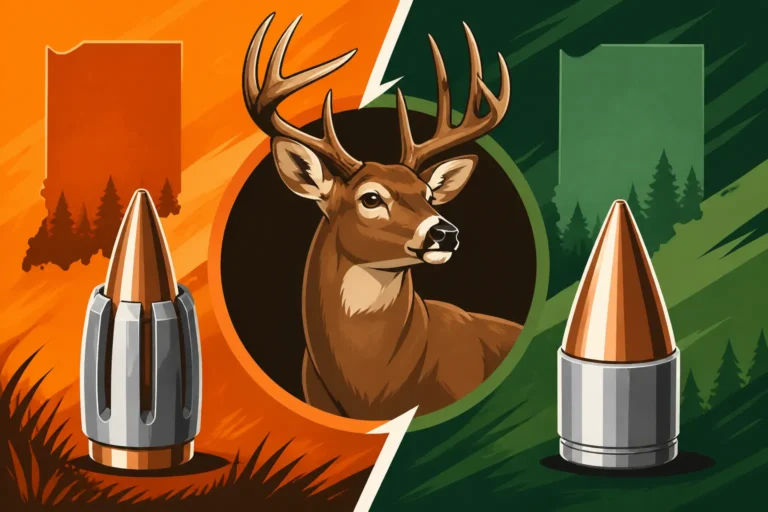
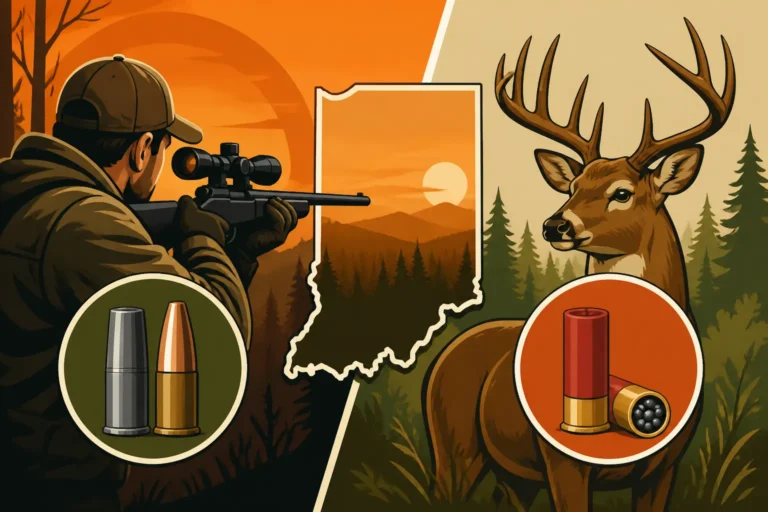
For smoothbore barrels, you typically use what are known as "Foster" or "Rifled" slugs. These slugs aren't actually rifled to engage the barrel; the "rifling" on the outside of the slug is there to help it compress when passing through a choke and, more importantly, to give it an aerodynamic spin in flight, much like the feathers on an arrow. This spin helps stabilize the slug, though not as effectively as a true rifled barrel. The slug itself is usually made of soft lead, allowing it to deform as needed. The beauty of a smoothbore is its versatility; you can snap in a modified choke and go duck hunting on the Kankakee, then swap to an improved cylinder choke, load some slugs, and head into the thickest briar patch for deer. This adaptability makes it a popular choice for hunters who want one gun to do many things. However, while it's versatile, its accuracy with slugs is generally limited, making it more suitable for close-range encounters, often under 75 yards. You might find yourself still-hunting deep into thick cover in Brown County, where 50-yard shots are the norm, and a smoothbore feels perfectly adequate.
The Precision of a Rifled Barrel
A rifled barrel, on the other hand, is a completely different beast. Just like a rifle, the inside of the barrel has spiraled grooves designed to impart a spin on the projectile as it travels down the bore. This spin is critical for stability, much like a spinning football flies straighter than one that tumbles. The rifled barrel is a specialized tool, purpose-built for slug hunting, often transforming a shotgun into a short-to-medium-range deer rifle.
To take full advantage of a rifled barrel, you must use what are called "sabot slugs." A sabot (pronounced SAB-oh) is a plastic cup that encases a smaller, rifle-like projectile (often made of copper or a copper alloy). The sabot engages the rifling in the barrel, causing the entire assembly to spin. Once the slug exits the muzzle, the sabot falls away, leaving the aerodynamic, spinning projectile to continue its flight. This combination delivers significantly improved accuracy and extended range compared to smoothbore setups, often allowing ethical shots out to 150-200 yards or even more, depending on the firearm and shooter. The trade-off is versatility; you cannot effectively shoot birdshot or buckshot through a rifled barrel, as the rifling will disrupt the shot pattern. A hunter setting up on a northern Indiana farmland field edge, looking at a potential 120-yard shot across a cut cornfield, would find a rifled barrel with sabot slugs to be a far more confident choice. Hunting Northern Indiana Farmland Deer often involves these types of longer shots where precision truly matters.
Performance Differences in the Indiana Woods
When you're out there, boots on the ground, trudging through the hardwoods or waiting patiently in a blind, the theoretical differences between these barrels become very real. The way a projectile performs directly impacts your confidence, shot placement, and ultimately, your success and ethical responsibility as a hunter.
Accuracy and Range: Where Rifled Shines
This is where the rubber truly meets the road. With a smoothbore barrel and traditional Foster or "rifled" slugs, you can generally expect groupings that are acceptable for deer out to about 50 to 75 yards. Beyond that, the lack of true spin stabilization often leads to significant drop and dispersion. Imagine you're hunting a winding creek bottom in southern Indiana, and a deer slips out at 40 yards – a smoothbore is perfectly capable. But if that same deer steps into a logging road cut at 100 yards, you might be debating the ethics of the shot, knowing your smoothbore's limitations.
A rifled barrel paired with sabot slugs, on the other hand, can offer accuracy comparable to many centerfire rifles at moderate ranges. It's not uncommon to see groups of 2-3 inches at 100 yards, and with practice, some shooters can achieve even better. This level of precision, combined with a flatter trajectory, extends your ethical shooting range significantly. For someone hunting a powerline cut or trying to reach across a wide bottomland field in the Wabash River Valley, this extended range is a game-changer. Hunting the Wabash River Bottoms often presents these types of longer-range opportunities. The ability to mount a quality rifle scope on a rifled slug gun further enhances this accuracy, allowing for precise aiming at distances that would be impossible with traditional bead sights or low-power shotgun scopes.
| Feature | Smoothbore Barrel | Rifled Barrel |
|---|---|---|
| Ammunition | Foster/Rifled Slugs, Buckshot, Birdshot | Sabot Slugs (cannot effectively shoot shot or buckshot) |
| Primary Use | Versatile (birds, small game, close-range deer) | Dedicated deer hunting, precision slug shooting |
| Accuracy (Deer) | Fair (typically 50-75 yards effective range) | Excellent (typically 100-200+ yards effective range) |
| Trajectory | More pronounced drop, especially past 75 yards | Flatter, more predictable trajectory |
| Cost (Barrel) | Generally less expensive | Generally more expensive |
| Cost (Ammo) | Less expensive (traditional slugs) | More expensive (sabot slugs) |
| Recoil | Can be substantial with heavy slugs | Can be substantial, especially with magnum sabot loads |
| Optics Pairing | Often bead sights or low-power shotgun scopes | Best paired with dedicated rifle scopes |
Ammunition Cost and Availability
This is a practical consideration that often gets overlooked until you're standing at the counter, or worse, searching frantically before opening day. Traditional Foster or "rifled" slugs for smoothbores are generally less expensive per box than sabot slugs. They're also widely available in almost any sporting goods store or even many general retailers that carry hunting supplies. This can make practice more affordable, which is crucial for any hunting endeavor. After all, a hunter who can consistently hit a dinner plate at 50 yards with a smoothbore is more effective than one who flinches and misses with an expensive rifled setup due to lack of practice.
Sabot slugs, on the other hand, are a different story. They are significantly more expensive, often costing several times more per box than traditional slugs. Because they are specialized, their availability can be more limited, with certain brands or bullet weights being harder to find depending on your location and the time of year. It’s always a good idea to stock up well before the season if you rely on a specific sabot load. When using a resource like GoHunt, you can often research different ammunition types and even find retailers that might carry specific loads you're interested in, helping you plan ahead and avoid last-minute scrambles. Thinking about Sighting In a Centerfire Rifle for Indiana Woods often goes hand-in-hand with budgeting for practice ammo, and the same principle applies to slug guns.
Making Your Choice for Indiana Hunting
Deciding between a rifled and smoothbore barrel isn't a "one-size-fits-all" answer. It really depends on your hunting style, your budget, the specific terrain you hunt in Indiana, and your personal priorities for accuracy and versatility. Both options have a place in the Indiana hunter's arsenal.
When a Smoothbore Might Still Be Right
Despite the advancements in rifled barrels, the smoothbore still has a very strong argument for certain situations and certain hunters. If you're someone who primarily hunts in extremely dense cover – think the thickest creek bottoms, overgrown fencerows, or small woodlots where your shots are almost always under 75 yards – a smoothbore with traditional slugs might be perfectly adequate. These areas might include public land sections of Yellowwood State Forest Hunting or tight private parcels where deer drives are common. If your budget is tight, and you already own a smoothbore shotgun, investing in a few boxes of traditional slugs is far more economical than buying a new rifled barrel or dedicated slug gun and expensive sabot ammunition.
Another common scenario is the multi-purpose hunter. Maybe you hunt waterfowl on the Wabash, pheasants in northern Indiana grasslands, and deer in the same general area. For these hunters, a single smoothbore shotgun allows them to switch between game species by simply changing choke tubes and ammunition. The ease of finding traditional slugs, coupled with their lower cost, means you can practice more without breaking the bank. If you're checking GoHunt for local retailers or comparing different gear options, you'll see how accessible smoothbore setups and their ammo remain.
Embracing the Rifled Advantage
For many dedicated deer hunters in Indiana, the rifled barrel has become the preferred choice, and for good reason. If you frequently find yourself needing to make shots beyond 75 yards – across a wide-open field, down a long lane in the timber, or from a treestand overlooking a distant food plot – the precision and extended range of a rifled barrel with sabot slugs are invaluable. This is especially true in areas like Hunting Northern Indiana Farmland Deer where fields are common, or when hunting larger public land tracts where deer may not let you get as close.
A rifled slug gun effectively transforms your shotgun into a short-to-medium-range rifle, offering similar accuracy and knock-down power within its effective range. This enhanced precision significantly increases your confidence in making ethical shots at extended distances, reducing the chance of a wounded animal. While Indiana's rifle laws have evolved, allowing centerfire rifles statewide for deer, many hunters still prefer the slug gun, either out of tradition, local ordinance, or simply because they have invested in a highly accurate slug setup. When using a tool like GoHunt, you can even dive into ballistic data for various sabot slug options, comparing drop, energy, and velocity to choose the perfect load for your specific setup and expected shot distances.
The Best of Both Worlds: Interchangeable Barrels
For some hunters, the ideal solution lies in the versatility of interchangeable barrels. Many popular pump-action and semi-automatic shotguns offer the option to swap out barrels, meaning you can have a smoothbore barrel for bird hunting and a rifled barrel for deer. This gives you the best of both worlds without having to purchase two completely separate firearms.
The main benefit here is adaptability. One weekend you might be chasing squirrels in Squirrel Hunting Indiana Bottomland Hardwoods with your smoothbore, and the next, you can attach your rifled barrel, mount a scope, and be ready for Hunting the Indiana Rut in Early November. The primary considerations are the cost of the extra barrel (which can be significant) and the need to re-zero your scope if you're swapping barrels regularly. However, for a hunter who participates in multiple seasons and wants optimal performance for each, this can be a smart investment. When you're browsing platforms like GoHunt, you'll often see these interchangeable barrel options listed, allowing you to weigh the costs and benefits for your hunting needs.
Disclaimer
This article is for general informational purposes only and does not constitute professional advice. Laws, prices and regulations vary by location and change over time. Consult a qualified professional for guidance on your specific situation.